Beyond Vaccines: Refusal of Newborn Vitamin K Shots Spreads
Half of newborns at Idaho hospital denied vitamin K injections due to parental refusal
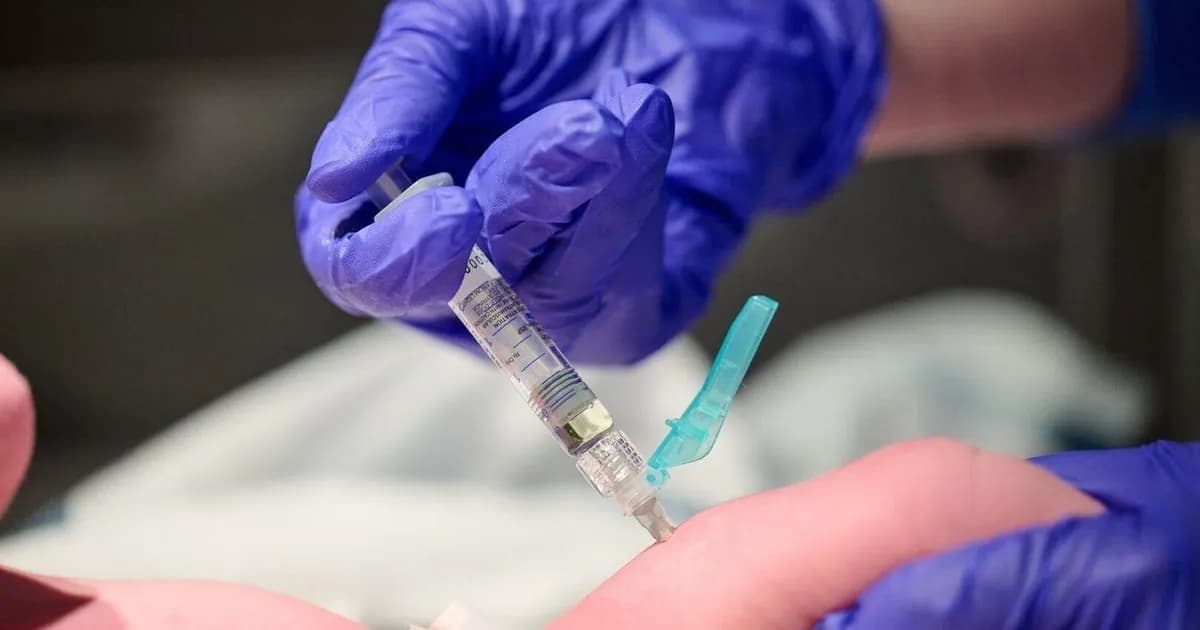
- •Half of newborns at an Idaho hospital did not receive vitamin K injections due to parental refusal.
- •Vitamin K injections have been administered as standard treatment for over 60 years to prevent newborn bleeding.
- •The refusal phenomenon is expanding beyond vaccines to basic preventive medical treatments in general.
A Crossroads from the Moment of Birth
At a hospital in Idaho, USA, half of the newborns treated by Dr. Tom Patterson did not receive vitamin K injections. The reason? Parents refused them. On another day, more than a quarter of all newborns did not receive this shot.
Vitamin K injections are a standard newborn treatment administered worldwide for decades. Given within hours of birth, they prevent life-threatening bleeding, including brain hemorrhages. Yet recently, an increasing number of parents are refusing even this basic treatment.
Medical Refusal Expanding Beyond Vaccine Opposition
This phenomenon goes beyond simple vaccine refusal. Vitamin K shots are not vaccines. Rather than preventing infectious diseases, they supplement a nutrient that aids newborn blood clotting. Newborns are born with insufficient vitamin K, and without supplementation, they can develop Vitamin K Deficiency Bleeding (VKDB).
The American Academy of Pediatrics (AAP) and the Centers for Disease Control and Prevention (CDC) have recommended vitamin K injections for all newborns since 1961. Following this policy's implementation, VKDB incidence dropped dramatically. However, some parents have recently begun refusing it, claiming it's an "unnecessary medical intervention."
According to industry reports, this refusal phenomenon is linked to misinformation spreading through social media. Some online communities propagate claims that vitamin K injections contain toxic substances or violate natural birth principles. However, the medical community emphasizes these claims lack scientific evidence.
Healthcare Providers' Concerns and Responses
Dr. Patterson and other healthcare providers take this phenomenon seriously. Newborns who don't receive vitamin K shots can experience sudden bleeding between a few weeks and several months after birth, and brain hemorrhages in particular can lead to permanent neurological damage or death.
According to multiple foreign media reports, some U.S. states have already reported bleeding cases resulting from vitamin K injection refusal. Healthcare providers try to explain the importance of this treatment through conversations with parents, but some parents refuse to change their firm beliefs.
Where Is Preventive Medicine Headed?
This case raises larger questions. The anti-vaccine movement is now expanding beyond vaccines to basic preventive medical treatments in general. In addition to vitamin K injections, cases of refusing standard newborn treatments such as eye ointment (preventing gonococcal conjunctivitis) and hearing tests are also increasing.
Medical experts, while respecting parental autonomy, emphasize the importance of evidence-based medicine. Particularly with newborns who cannot choose for themselves, parental decisions directly impact children's health and lives.
Public health authorities are addressing this issue through accurate information provision and enhanced healthcare provider education. However, correcting misinformation that spreads rapidly through social media remains a challenging task.
댓글 (3)
기사 잘 봤습니다. 다른 시각의 분석도 읽어보고 싶네요.
Vaccines:에 대해 더 알고 싶어졌습니다. 후속 기사 부탁드립니다.
흥미로운 주제입니다. 주변에도 공유해야겠어요.
More in Life
브라질 볼소나로 전 대통령, 건강 악화로 임시 가택연금 조치
The decline of university bars, the end of the ‘pour and drink’ era

NASA appoints Jennifer Lyons as new director of Launch Services Program

NASA Shared Services Center Releases Fiscal Year 2026 Service Catalog and Performance Report

James Webb Telescope captures Saturn's icy rings in infrared light

Japanese elementary school students' #1 future wish is to be a 'streamer'... surpassing doctors and teachers
Latest News
"간부 잘 아는데 교통비 좀" 휴가 군인들 돈 뜯은 50대 구속
50대 A씨가 휴가 중인 군인들에게 부대 간부를 아는 척 접근해 돈을 사취

英 옥토퍼스, 이란 전쟁 이후 태양광 판매 50% 증가
이란 전쟁 이후 영국 옥토퍼스의 태양광 판매량 50% 증가
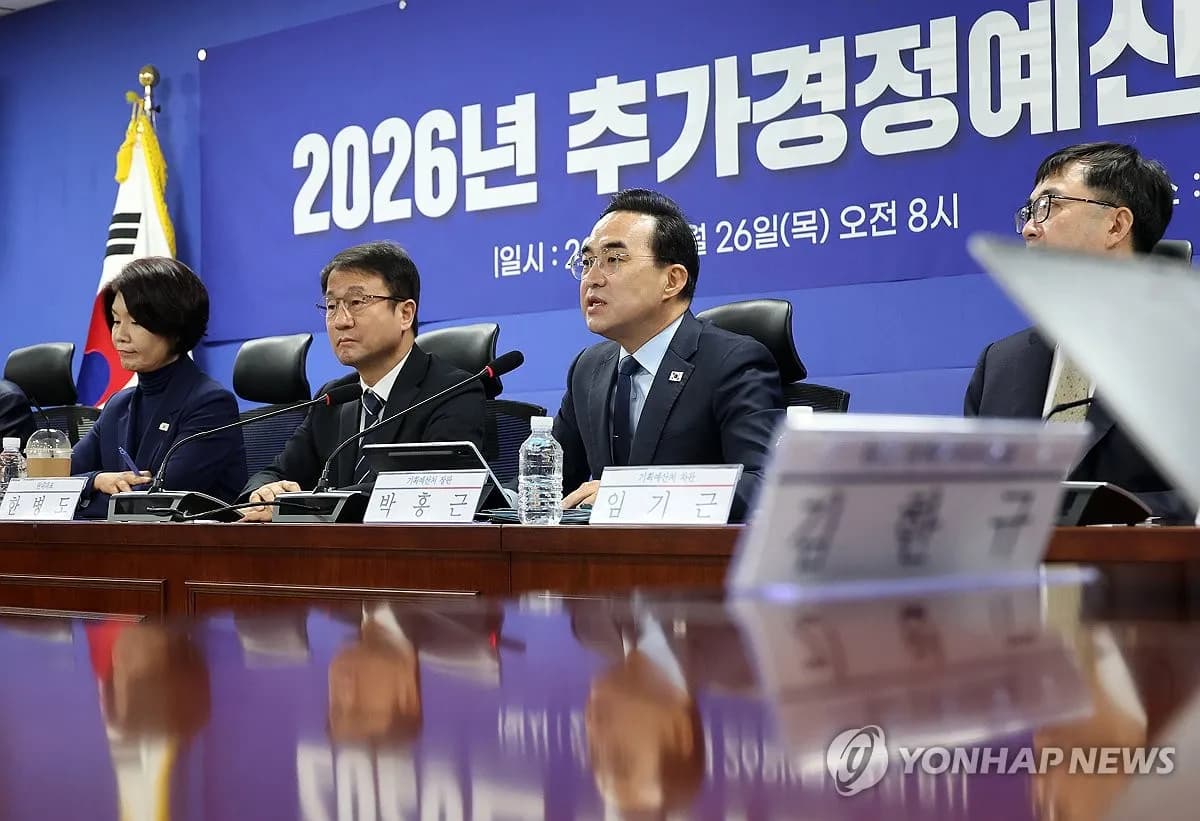
당정 "추경, 지방·취약계층에 더 지원되는 방식으로"
당정이 지방자치단체와 취약계층 중심의 추경 편성 방침 재확인
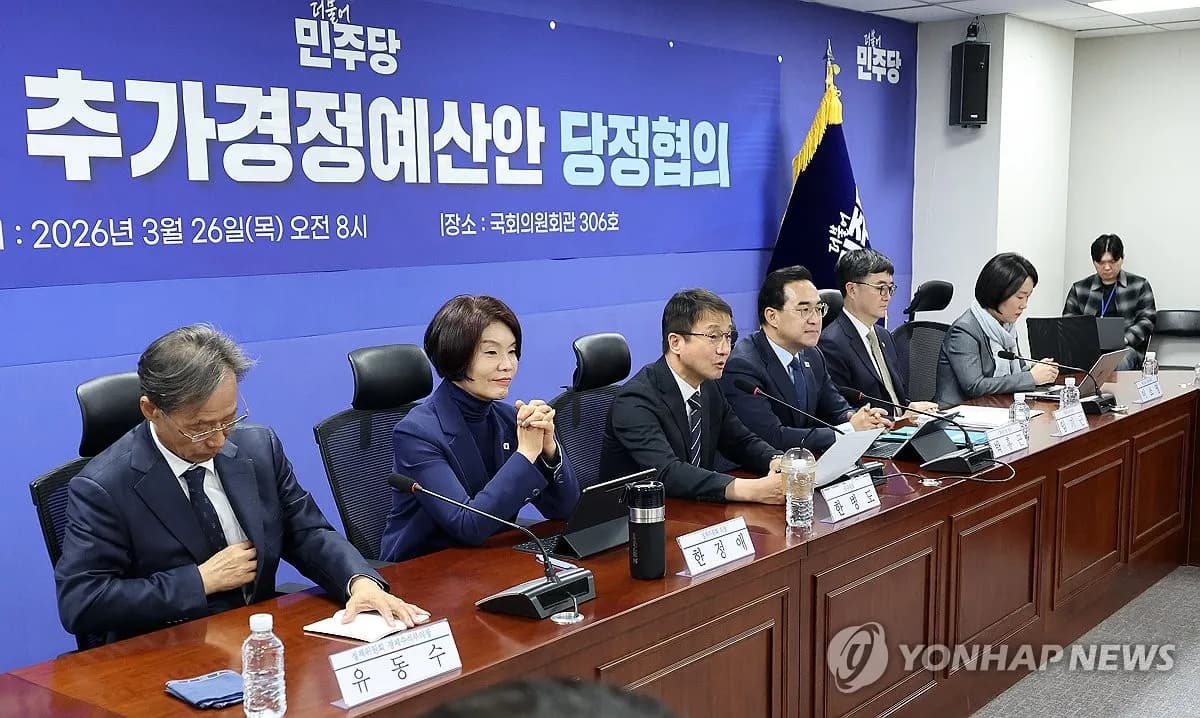
당정, 석유 최고가격제 손실 보전을 추경에 반영키로
당정이 석유 최고가격제 손실을 추경에 반영하기로 결정
어머니 폭행하고 금팔찌 빼앗은 30대 아들 경찰에 붙잡혀
어머니 폭행 후 금팔찌 빼앗은 30대 남성 체포

아이티 갱단 폭력사태로 10개월간 5천명 이상 사망
아이티에서 지난 10개월간 갱단 폭력으로 5천명 이상 사망

서방 정보당국 "러시아, 우크라이나 전쟁 후 이란에 드론·식량 공급"
서방 정보당국, 러시아의 이란 드론·식량 공급 작업 거의 완료 파악

6년 전 세 살 딸 살해한 30대 친모 구속송치
경찰, 6년 전 세 살 딸 살해 혐의 30대 친모를 구속송치