Brazilian Supreme Court Considers Transferring Master Bank Investigation
Chief Justice Fachin Expresses Skepticism About Internal Handling
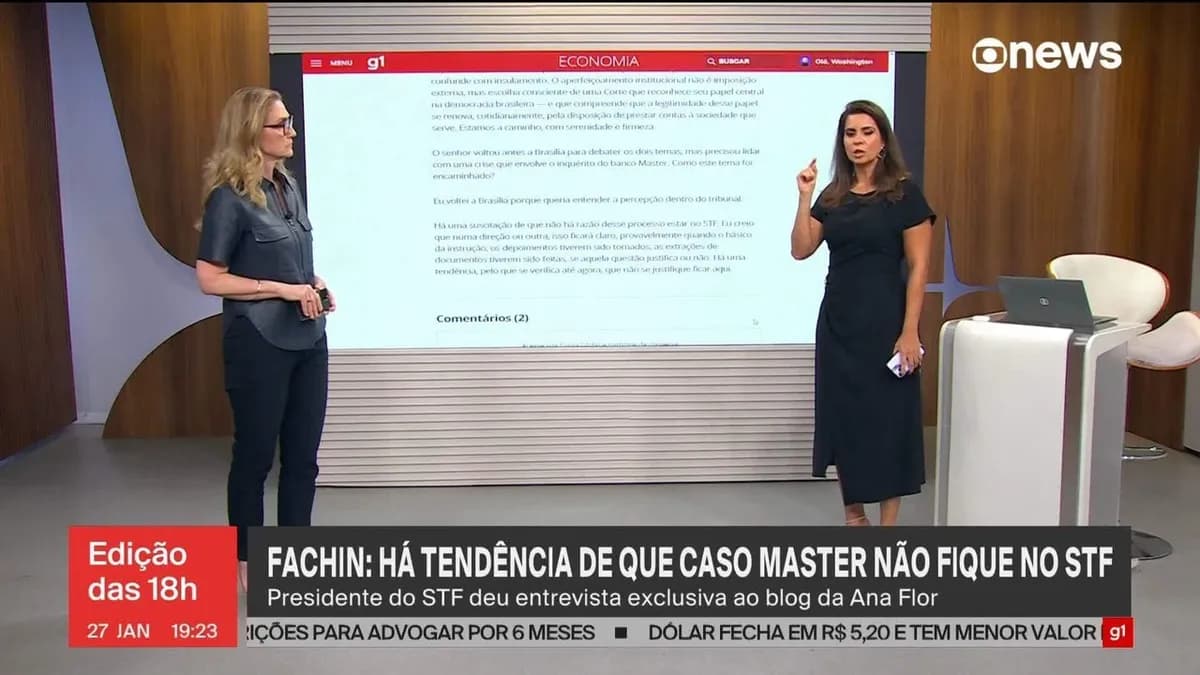
- •Brazil's Supreme Court is considering transferring the Master Bank investigation outside the court.
- •Chief Justice Fachin is pushing to establish a code of conduct before the October general election.
- •Unusual procedures by the investigating justice have led to a loss of confidence in the judiciary.
Center of Judicial Self-Regulation Controversy
Brazil's Federal Supreme Court (STF) is reconsidering the internal handling of the Master Bank investigation. Chief Justice Edson Fachin stated in an exclusive interview on the 27th that "the Master Bank investigation currently being handled by Justice Dias Toffoli is unlikely to remain within the Supreme Court."
Chief Justice Fachin has been conducting intensive consultations with fellow justices in recent days as controversy surrounding the Master Bank investigation has escalated. He acknowledged the severity of the situation, stating that he is "discussing measures to address the damage to the Supreme Court's image."
Questions Raised About Investigation Procedures
The investigative methods employed by Justice Toffoli, who is handling the Master Bank case, are at the heart of the controversy. Legal circles have assessed his actions as "pouco usuais" (unusual), leading to doubts about the fairness of the Supreme Court's case handling.
Alongside the possibility of transferring the case, Chief Justice Fachin is also pushing for the establishment of a code of conduct for the Supreme Court. He expressed his commitment to institutional improvement, stating that "it would be desirable to finalize deliberations on the code of conduct before the October general election."
Discussion on Strengthening Judicial Transparency
Chief Justice Fachin explained that establishing a Supreme Court code of conduct is "a natural step in institutional development." He emphasized that "given the Supreme Court's central position in Brazil's constitutional system, it is essential to establish clear standards for transparency, integrity, and restraint."
There is some opposition to establishing the code of conduct. The main counterarguments fall into two categories:
Political Timing Concerns Some argue that discussing a code of conduct ahead of the general election is politically sensitive.
Existing Regulations Sufficient Others contend that current laws and regulations are adequate.
Chief Justice Fachin countered these arguments, stating that "there is no 'ideal time' to discuss institutional restraint" and that "when specific problems arise, the need for clear standards becomes even more apparent."
The Journey of Institutional Reform Through Precedent
Establishing a Supreme Court code of conduct is a complex process internationally as well. Chief Justice Fachin referenced the case of Germany's Federal Constitutional Court. According to former President Andreas Voßkuhle, similar discussions in Germany took approximately a year and a half to reach final approval.
Chief Justice Fachin stated that "profound institutional change does not happen overnight" and that "resistance and skepticism are natural elements of this deliberative process, not insurmountable obstacles."
The Challenge of Restoring Judicial Trust [AI Analysis]
The consideration of transferring the Master Bank investigation and the discussion of establishing a code of conduct can be seen as the Brazilian judiciary's attempt to simultaneously address two challenges: self-regulatory capacity and enhanced transparency.
Chief Justice Fachin's desire to establish the code of conduct before the general election can be interpreted as a strategic decision to prevent controversies over political neutrality. However, considering differences of opinion among justices and conservative positions on institutional change, difficulties in reaching a swift consensus are anticipated.
Internationally, judicial codes of conduct are recognized as essential for ensuring the appearance of impartiality. As Chief Justice Fachin emphasized, "the appearance of fairness is as important as fairness itself." It remains to be seen whether the Brazilian Supreme Court can achieve institutional improvements through this controversy.
댓글 (2)
간결하면서도 핵심을 잘 정리한 기사네요.
Supreme 관련 기사 잘 읽었습니다. 유익한 정보네요.
More in Special

How to avoid ICE agents checking your phone at the airport
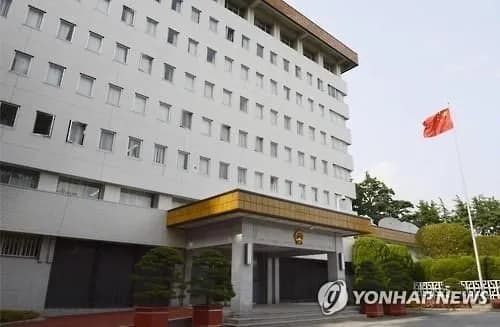
주일 중국대사관 침입한 괴한, 자위대 현직 장교로 확인

New York City public hospital breaks up with Palantir... Ending controversy over commercialization of citizen health data

U.S. expands military operations in Latin America... ‘Operation total annihilation’ formalized

The Corsican Mafia Exposed: Breaking a Century of Silence

AI-Generated Fake Person Used to Sell Dubai Flight Seats
Latest News
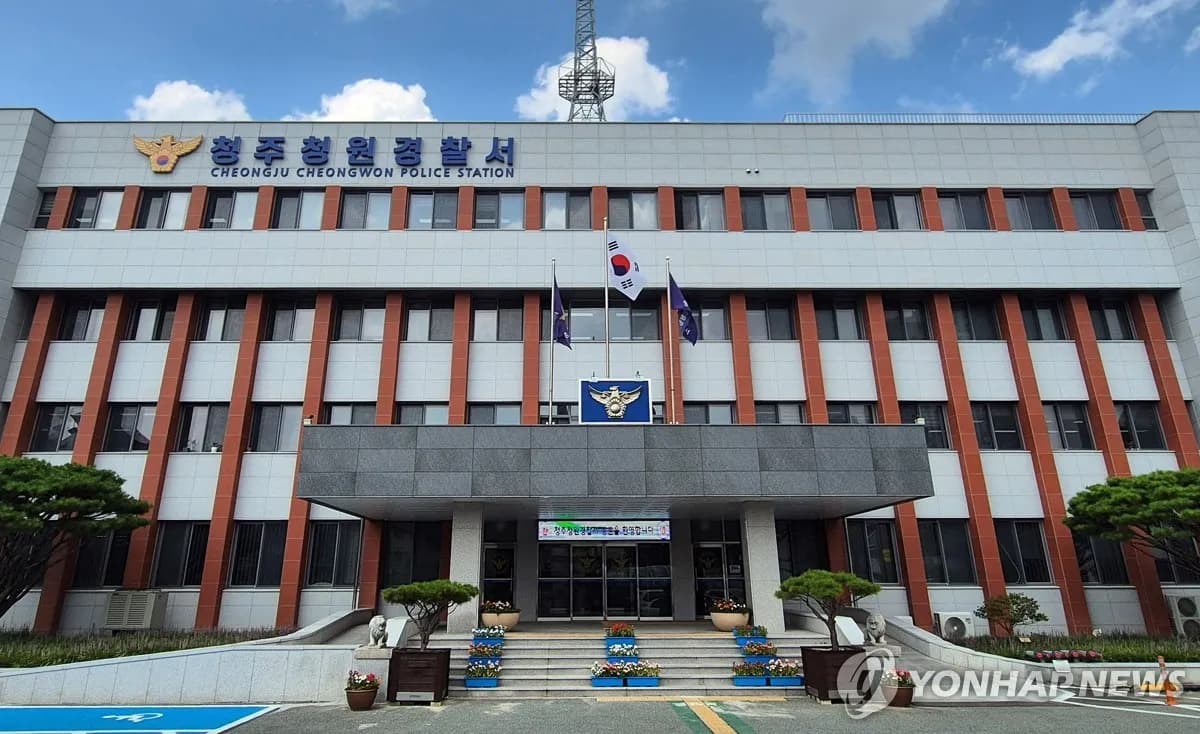
"간부 잘 아는데 교통비 좀" 휴가 군인들 돈 뜯은 50대 구속
50대 A씨가 휴가 중인 군인들에게 부대 간부를 아는 척 접근해 돈을 사취

英 옥토퍼스, 이란 전쟁 이후 태양광 판매 50% 증가
이란 전쟁 이후 영국 옥토퍼스의 태양광 판매량 50% 증가
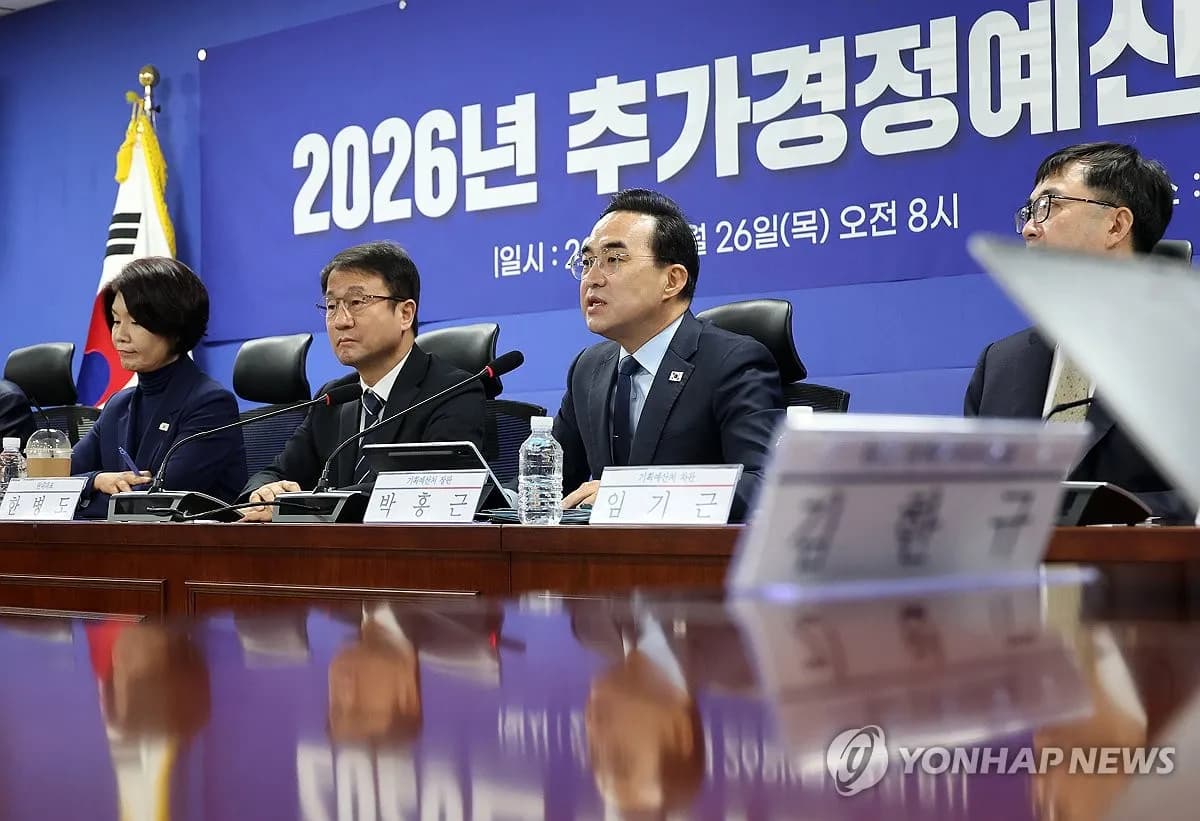
당정 "추경, 지방·취약계층에 더 지원되는 방식으로"
당정이 지방자치단체와 취약계층 중심의 추경 편성 방침 재확인
당정, 석유 최고가격제 손실 보전을 추경에 반영키로
당정이 석유 최고가격제 손실을 추경에 반영하기로 결정
어머니 폭행하고 금팔찌 빼앗은 30대 아들 경찰에 붙잡혀
어머니 폭행 후 금팔찌 빼앗은 30대 남성 체포
아이티 갱단 폭력사태로 10개월간 5천명 이상 사망
아이티에서 지난 10개월간 갱단 폭력으로 5천명 이상 사망

서방 정보당국 "러시아, 우크라이나 전쟁 후 이란에 드론·식량 공급"
서방 정보당국, 러시아의 이란 드론·식량 공급 작업 거의 완료 파악

6년 전 세 살 딸 살해한 30대 친모 구속송치
경찰, 6년 전 세 살 딸 살해 혐의 30대 친모를 구속송치