Democratic Party's Iowa Overturn Strategy: Is 'Deer Hunter' Rob Sand the Answer?
After a crushing defeat in 2024, the Democratic Party is desperate to find a 'local candidate' and is targeting the Republican Party's strongholds.
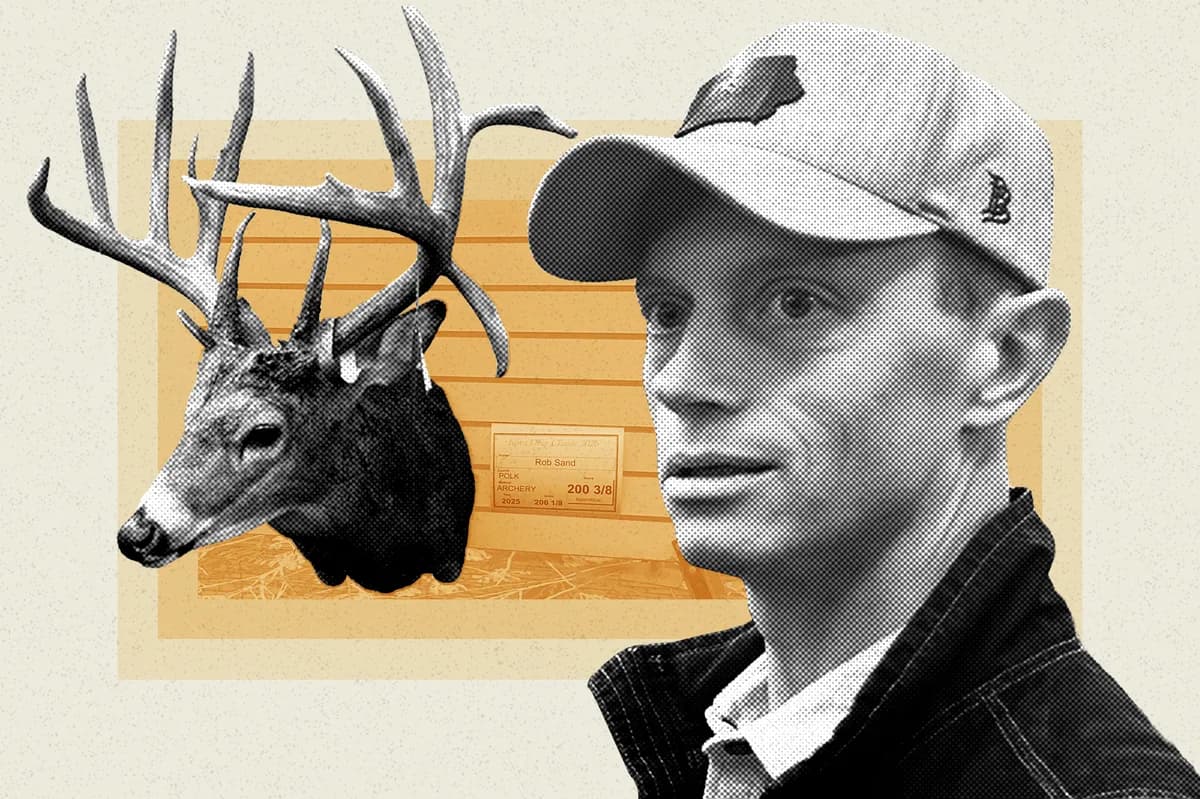
- •Democrat Rob Sands is running for governor in Iowa, a Republican stronghold
- •After a crushing defeat in 2024, the Democratic Party is seeking a comeback with a 'local candidate' strategy
- •The success of targeting rural voters is expected to affect the overall direction of the Democratic Party.
A man carrying a Democratic flag in the Republican heartland
As the U.S. Democratic Party seeks to recover from its crushing defeat in the 2024 presidential election, an unusual experiment is being conducted in Iowa. Iowa State Auditor Rob Sand has announced his candidacy for governor in 2026, seeking to reclaim this Midwestern state that has become a stronghold of the Republican Party.
Sand is far from a typical Democratic politician. It is a style that enjoys deer hunting, exploring rural areas, and getting on eye level with local residents. According to reports, a Republican supporter reportedly told him, "I'm super-Republican, but you got my vote."
Why is the Democratic Party paying attention to ‘local candidates’?
In the 2024 election, the Democratic Party recorded a record-breaking defeat in rural areas and non-metropolitan areas. Iowa was once a swing state that elected former President Barack Obama twice in a row, but in recent elections, it has become a safe zone with the Republican Party winning by a double-digit margin.
There are many voices within the Democratic Party reflecting that messages from Washington D.C. and other major cities did not reach rural voters. Accordingly, discovering candidates with ‘local authenticity’ has emerged as a key task for the party. Sand is attracting attention as a testbed for that strategy.
Changes in Iowa's political landscape: From swing state to Republican stronghold
Iowa's changing political landscape is a microcosm of American political polarization. After Obama's victories in 2008 and 2012, the tables were turned in 2016 when former President Donald Trump won by 9 percentage points. In 2020, Trump won again by 8 percentage points, and the gap widened further in 2024.
The background of this change is the instability of the agricultural economy, conservatism on immigration issues, and the perception that the Democratic Party is a 'coastal elite party'. Voters in rural Iowa increasingly identify with the Republican Party.
Sand’s Strategy: Beyond Identity Politics to Pragmatism
Sand has enjoyed bipartisan support as state auditor. He also built trust among Republican voters through his role as a watchdog for government waste and corruption. His lifestyle of hunting, fishing, and outdoor activities is helping to bridge the cultural gap with voters in rural areas.
His approach is to focus on local issues—agricultural policy, access to health care, and education—rather than touting progressive values. This may incur backlash from the progressive wing of the Democratic Party, but analysts say it is an inevitable choice if one is to win in a competitive region.
Future outlook [AI analysis]
If Sand's challenge is successful, it is likely to set an important precedent for the entire Democratic Party. After the defeat in 2024, the argument is gaining strength within the party that the limitations of the 'nationwide single message' strategy should be acknowledged and that customized candidates and strategies for each region should be developed.
However, it is unclear whether success in Iowa can spread to other states. Candidates like Sand may only work in a specific local cultural context, and it is difficult to standardize them. Additionally, the Republican Party is also expected to strengthen its offensive to keep Sand in check.
From a Korean perspective, changes in the political leanings of agricultural states in the American Midwest could also affect Korea-US trade relations. If the Republican Party's dominance of agricultural protectionism continues, it is likely to act as a variable in Korean agricultural exports or trade negotiations. On the other hand, if the Democratic Party regains competitiveness in this region, a more multilateral and cooperative trade environment can be created.
댓글 (2)
Democratic 관련 기사 잘 읽었습니다. 유익한 정보네요.
Party에 대해 더 알고 싶어졌습니다. 후속 기사 부탁드립니다.
More in Global
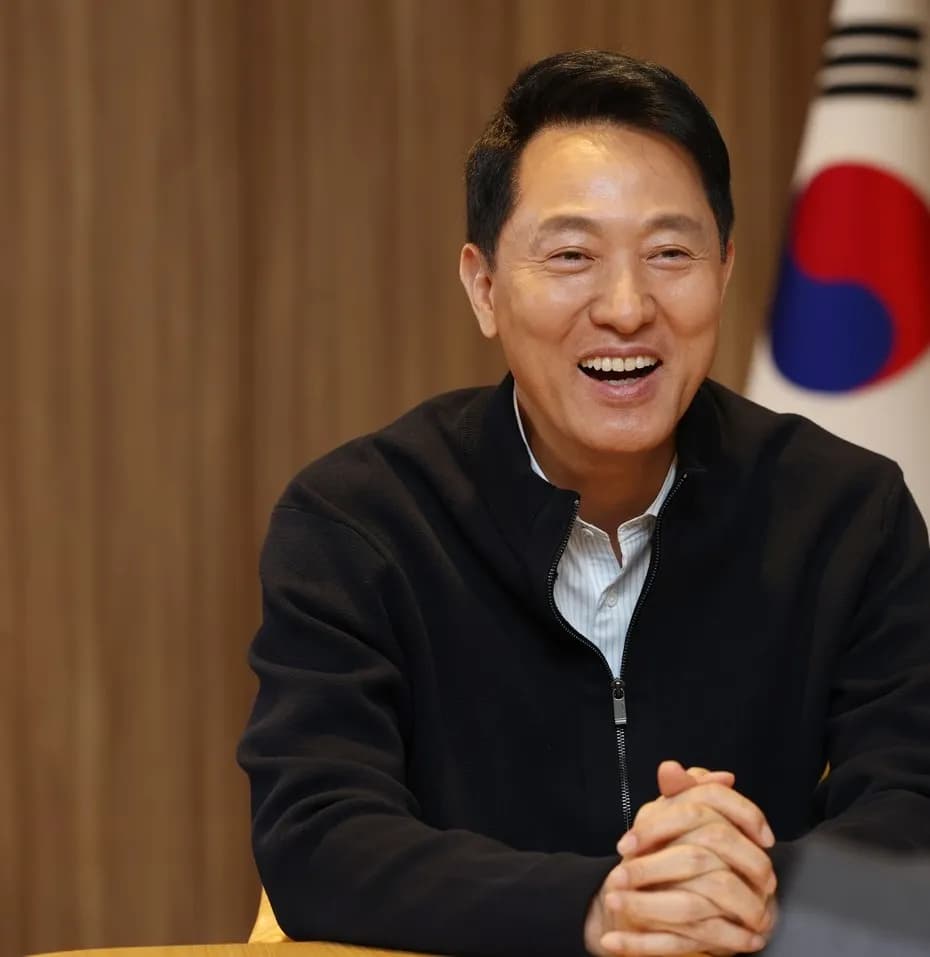
Oh Se-hoon: "I Would Choose 5th Term as Seoul Mayor Over Presidency"

Three Arrested in Paris After Attempted Bomb Attack Near Bank of America

Three Journalists Killed in Israeli Strike on Southern Lebanon, Hundreds Mourn in Beirut
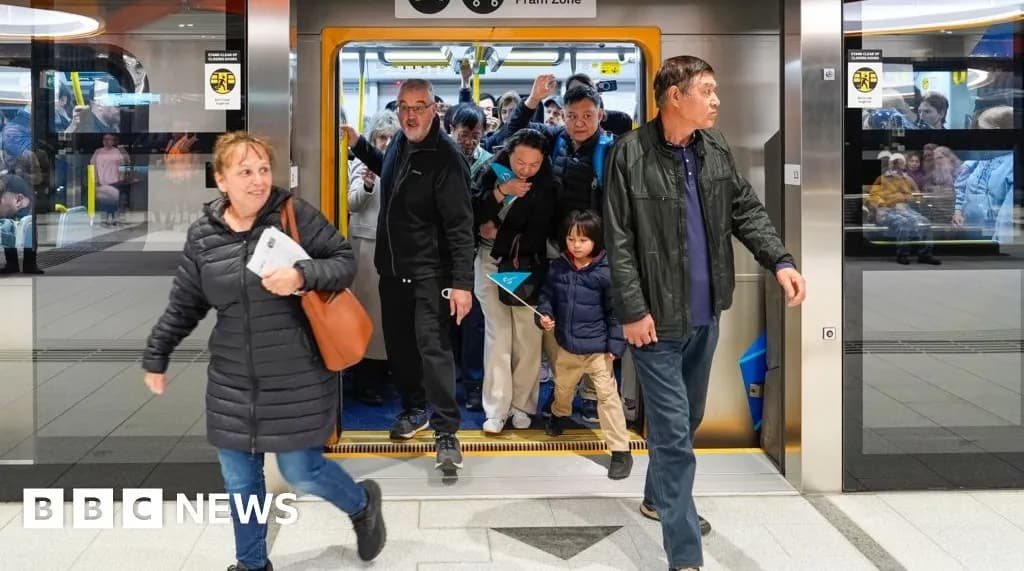
Two Australian States Offer Free Public Transport as Iran War Drives Up Fuel Prices

Iranian Missile Strikes Israeli Industrial Zone—Major Fire and Hazardous Material Leak
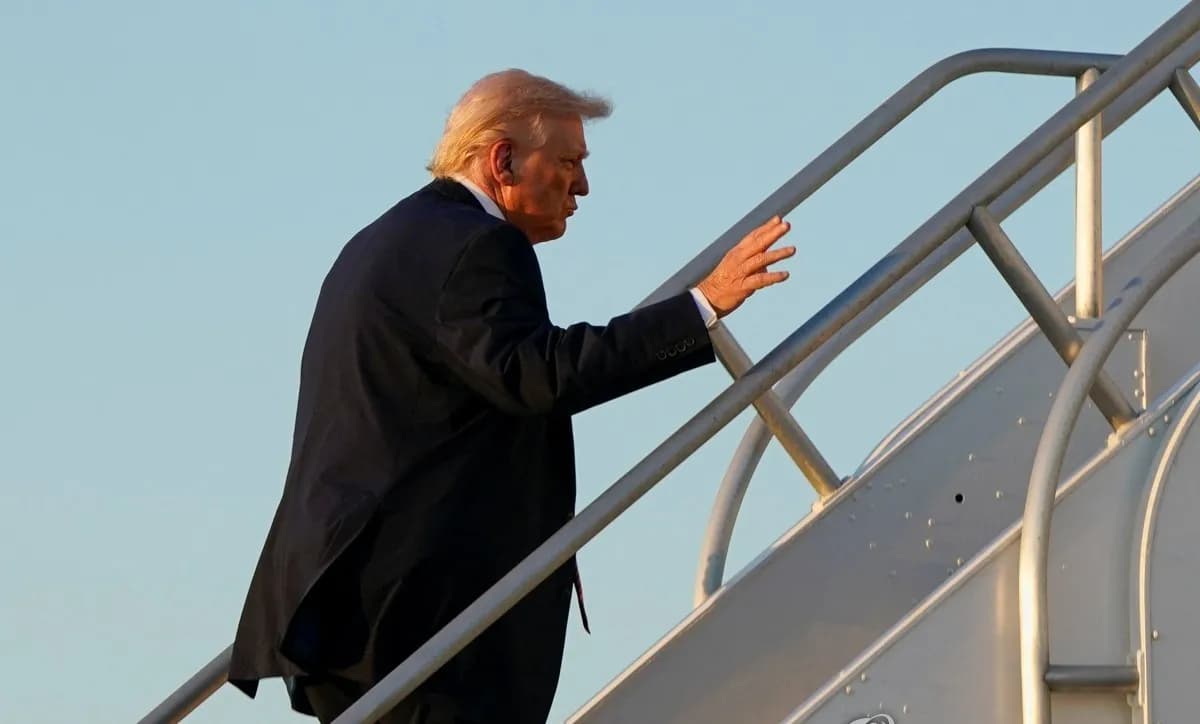
Trump Shares Pastor's Letter Amid Month-Long Iran War: "Blessed Are the Peacemakers"
Latest News
BTS' 'Arirang' Tops Billboard 200 Chart—Seventh No. 1 Album
BTS's new song 'Arirang' achieves No. 1 on U.S. Billboard 200 chart
African Football Chief Resigns Amid Morocco-Senegal Final Controversy
CAF Secretary General Veron Mosengo-Omba resigns amid Morocco-Senegal final controversy

Passenger in 90s Dies After Falling onto Train Tracks at Namwon Station
Passenger in 90s fell onto tracks while following departing train at Namwon Station, North Jeolla Province

26-Year-Old Man Shot Dead in Car Near London Euston Station
26-year-old man shot dead in car near London Euston station

Pope: "Prayers of Those Waging War Will Be Rejected"
Pope Leo XIV states on 29th that "prayers of those waging war will be rejected"
VP Vance Says U.S. Will "Soon Exit" War with Iran
U.S. VP JD Vance says U.S. will "soon exit" war with Iran