Director of National Intelligence Gabbard's statement that 'it is up to the president to determine imminent threats' controversy
The independent analysis role of intelligence agencies vs. the president's final decision-making authority, reigniting the debate over the division of authority in the U.S. intelligence system

- •DNI Director Gabbard sparks debate on the role of intelligence agencies by saying, 'It is the president's authority to determine imminent threats'
- •Experts counter that threat assessment is the core mission of intelligence agencies and that they have a 'duty to warn'
- •Congressional monitoring of the independence of intelligence agencies and the grounds for justifying military action is expected to be strengthened.
Key issue: What is the role of intelligence agencies?
Controversy arose when Tulsi Gabbard, Director of the U.S. Department of National Intelligence (DNI), said at a Senate Intelligence Committee hearing that "it is the president's inherent authority to determine whether there is an imminent threat." This remark reignited debate about the fundamental division of roles in the U.S. intelligence system.
At a Senate Intelligence Committee oversight hearing on national security threats held on March 18, Democratic Senator Jon Ossoff of Georgia asked Director Gabbard about the intelligence community's assessment of the imminent threat from Iran. This is because the Trump administration presented an ‘imminent threat’ as the basis for launching a military attack against Iran on February 28.
When Rep. Ossoff asked whether the intelligence community had assessed the Iranian regime's imminent nuclear threat, Director Gabbard responded, "The only person who can determine what is an imminent threat or not is the president." Rep. Ossoff immediately refuted this as “false” and emphasized, “This hearing is a place to report objective and independent national information to Congress, regardless of political considerations.”
Why is this statement important?
The core of this debate is the boundary between ‘analysis’ and ‘decision.’ National security experts point out that assessing the imminence of a threat is the core task of intelligence agencies.
Stephen Marrin, director of the Intelligence Analysis Program at James Madison University, said, "Intelligence agencies collect and analyze information in response to the needs of policymakers to enhance the understanding of the U.S. government, protect security, and promote national interests. The key to protecting security is assessing threats to U.S. national interests and issuing warnings when the threat is judged to be imminent."
White House spokeswoman Caroline Leavitt said on social media, "President Trump had strong and convincing evidence that Iran would attack the United States first," and countered, "It is the authority granted by the Constitution for the commander-in-chief to decide what is a threat and what is not."
Division of roles in the U.S. intelligence system: historical context
The U.S. intelligence system consists of 18 federal agencies, including the Central Intelligence Agency (CIA) and the National Security Agency (NSA), and the Director of National Intelligence oversees them. According to experts, there is a long tradition of division of roles between the president and the intelligence community.
“Intelligence agencies should not dictate or recommend policy,” explained Mark S. Chandler, lecturer in the Department of Intelligence and Security at Coastal Carolina University. The role of intelligence agencies is to collect as accurate information as possible and report to the president their best assessment of the expected results if certain policies are pursued. It is up to the president to decide what to do based on that information.
However, intelligence agencies have a ‘duty to warn’. If information that could be harmful to U.S. national security is discovered, it must be shared as quickly as possible. In the case of Iran, experts say the intelligence community would have "used its expertise to provide the president with interpretations of key factual issues."
The history of this division of roles dates back to the enactment of the National Security Act in 1947. At that time, with the creation of the CIA, the principle of separation of information collection and analysis and policy making was established. This principle became clearer with the creation of the position of Director of National Intelligence in 2004 through the Intelligence Reform and Terrorism Prevention Act.
Future outlook [AI analysis]
This controversy goes beyond a simple issue of legal interpretation and raises fundamental questions about the independence and reliability of the U.S. intelligence system.
First, concerns about whether intelligence agencies' evaluations can be free from political pressure are likely to increase. If the Director of National Intelligence makes a statement that shifts responsibility for threat assessment to the President, it may become difficult for Congress and the public to trust the independent analysis of intelligence agencies.
Second, there is a possibility that surveillance on the justification for military action will be strengthened. Representative Ossoff's persistent questioning can be seen as an attempt by Congress to verify the intelligence basis of the 'imminent threat' claim presented by the administration as the basis for a military attack.
Third, it is highly likely that expertise and independence will become more important criteria in the selection of intelligence agency leadership in the future. There was controversy over Director Gabbard being appointed as a politician with no experience in intelligence agencies, and this statement may amplify those concerns.
Ultimately, this debate revisits old questions about what role intelligence agencies should play in democracies. Policy decisions are the president's authority, but a key issue is expected to remain whether the principle that the analysis on which the decision is based should be free from political considerations can be maintained.
댓글 (4)
이 문제의 본질이 무엇인지 깊이 생각해볼 필요가 있습니다.
차분한 논의가 필요하다는 말에 공감합니다.
댓글란이 과열되지 않았으면 합니다. 차분한 논의가 필요해요.
차분한 논의가 필요하다는 말에 공감합니다.
More in Global
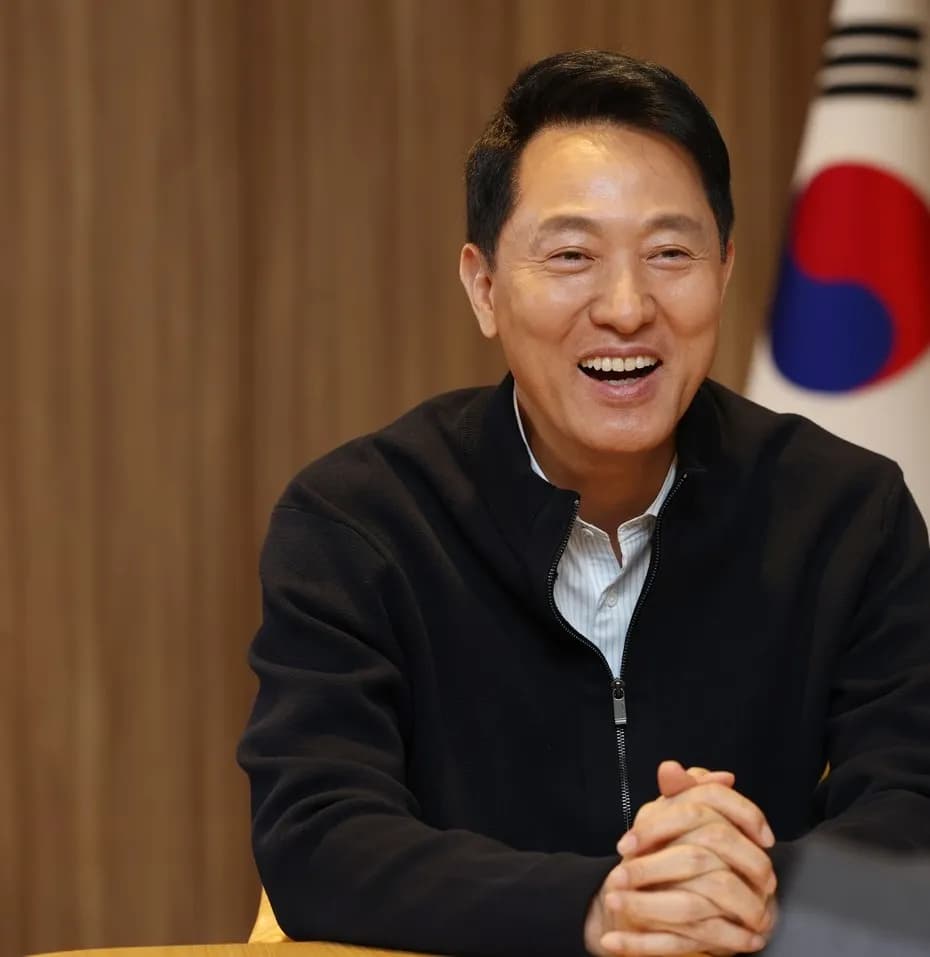
Oh Se-hoon: "I Would Choose 5th Term as Seoul Mayor Over Presidency"

Three Arrested in Paris After Attempted Bomb Attack Near Bank of America

Three Journalists Killed in Israeli Strike on Southern Lebanon, Hundreds Mourn in Beirut

Two Australian States Offer Free Public Transport as Iran War Drives Up Fuel Prices
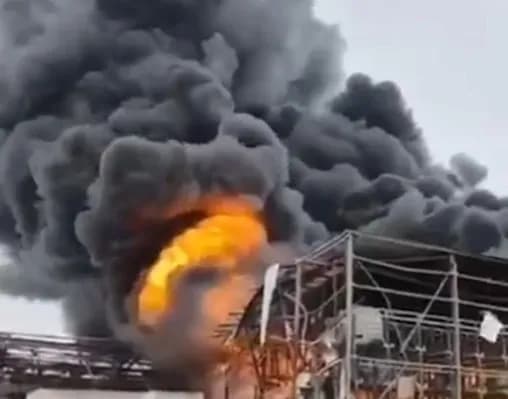
Iranian Missile Strikes Israeli Industrial Zone—Major Fire and Hazardous Material Leak
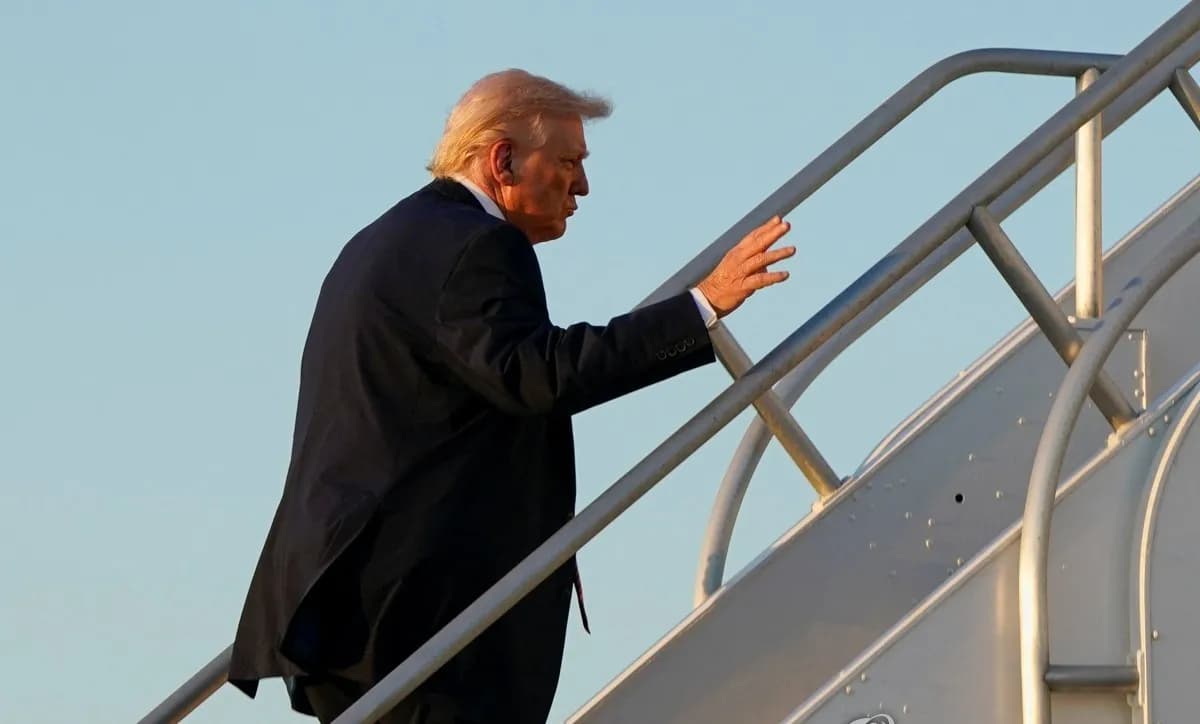
Trump Shares Pastor's Letter Amid Month-Long Iran War: "Blessed Are the Peacemakers"
Latest News

BTS' 'Arirang' Tops Billboard 200 Chart—Seventh No. 1 Album
BTS's new song 'Arirang' achieves No. 1 on U.S. Billboard 200 chart
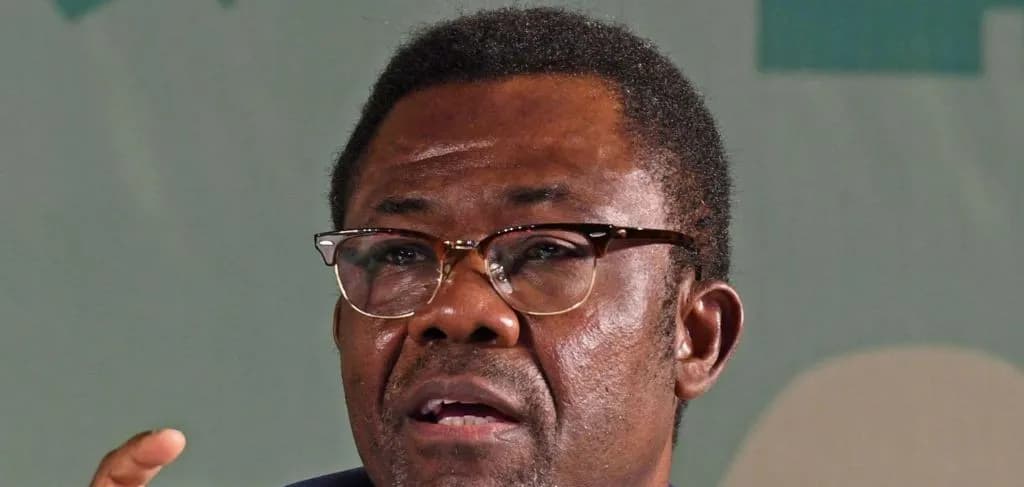
African Football Chief Resigns Amid Morocco-Senegal Final Controversy
CAF Secretary General Veron Mosengo-Omba resigns amid Morocco-Senegal final controversy

Passenger in 90s Dies After Falling onto Train Tracks at Namwon Station
Passenger in 90s fell onto tracks while following departing train at Namwon Station, North Jeolla Province

26-Year-Old Man Shot Dead in Car Near London Euston Station
26-year-old man shot dead in car near London Euston station
Pope: "Prayers of Those Waging War Will Be Rejected"
Pope Leo XIV states on 29th that "prayers of those waging war will be rejected"
VP Vance Says U.S. Will "Soon Exit" War with Iran
U.S. VP JD Vance says U.S. will "soon exit" war with Iran