Earth Rises Again: African Architects Reviving a 4,000-Year Building Tradition
From Sudan's ancient Deffufa to modern sustainable design, mud brick finds new relevance
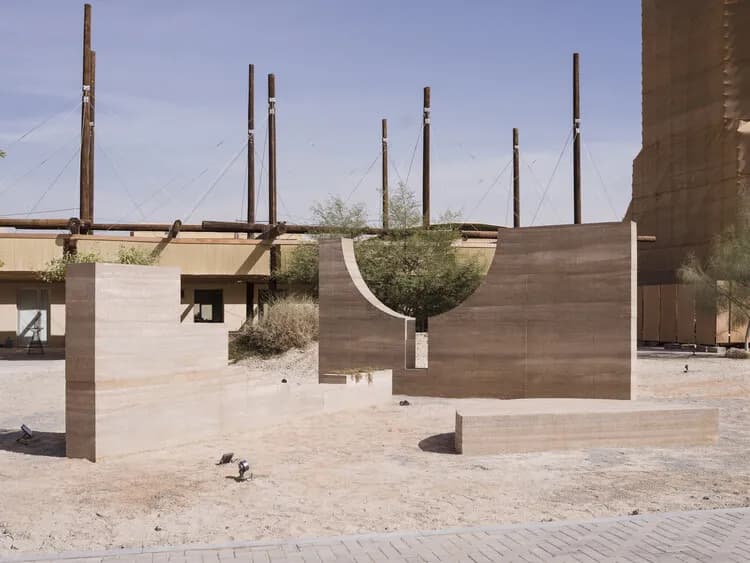
- •Sudan's 4,000-year-old Western Deffufa is among the world's oldest mud brick structures, testifying to earth's enduring role in architecture.
- •African architects are combining ancestral earthen building techniques with modern engineering to offer a sustainable alternative to concrete.
- •Climate pressure and rapid urbanization are converging to make earthen architecture's contemporary revival structurally, not just aesthetically, significant.
A 4,000-Year Witness Rising Above the Desert
In the desert near the modern Sudanese town of Kerma, a massive structure rises twenty meters above ancient date orchards and city ruins. Known as the Western Deffufa, this former religious and administrative complex was built roughly 4,000 years ago and stands as one of the oldest mud brick buildings in the world.
Its significance lies not merely in age or scale. The true testament to earthen architecture is found in the mud brick homes still standing beside it today—inhabited by real people. Earth has never ceased to be a building material; it has simply been overlooked.
Why Earth, Why Now
For most of the 20th century, architectural discourse centered on concrete, steel, and glass. As modern materials offered speed and strength, earth was quietly demoted—associated with poverty and underdevelopment rather than ingenuity.
But as the climate crisis intensifies, the calculus is shifting. The cement industry accounts for roughly 8% of global CO₂ emissions. Earthen architecture, by contrast, requires minimal processing energy and returns to the ground at end of life. Industry reporting suggests earth is being reexamined not as a relic, but as a frontline material for 21st-century sustainable construction.
African architects are leading this reassessment. Armed with millennia of earthen building tradition, a growing cohort of designers across the continent is marrying ancestral technique with modern structural engineering—producing contemporary spaces that are deeply rooted yet forward-looking.
A Continuous Thread: The History of Earthen Architecture
Earth construction is nearly as old as human civilization itself. From the ziggurats of Mesopotamia to the temples of Luxor, from Yemen's towering Shibam skyscrapers to Mali's Great Mosque of Djenné, mud has always underpinned humanity's grandest built ambitions.
In Africa, that tradition runs especially deep. The Kerma civilization (2500–1500 BCE) left behind the Deffufa as a high point of this legacy. Across the Sahel and West Africa, mosques and royal compounds were raised in mud brick, with plastering techniques passed through generations of skilled guilds.
Colonialism and the rush toward modernization in the 20th century fractured these traditions. Concrete became the symbol of progress; mud became the mark of poverty. But multiple international reports suggest that narrative is quietly—but fundamentally—changing.
Since the 2000s, architecture studios in Kenya, Mali, Ethiopia, and Morocco have placed earthen building at the center of their practice. They combine traditional plastering methods with modern seismic design and waterproofing, collaborating with local craftspeople to produce high-quality contemporary spaces.
Looking Ahead [AI Analysis]
The revival of earthen architecture is likely to solidify into a structural movement, not merely an aesthetic trend. Several forces point in this direction.
First, tightening carbon regulation. As the EU's Carbon Border Adjustment Mechanism (CBAM) expands and mandatory carbon disclosure in construction grows, demand for low-carbon materials is likely to increase structurally. Earth is among the most naturally compliant materials available.
Second, Africa's rapid urbanization. The continent's urban population is projected to grow by more than one billion over the next three decades. Meeting that demand with imported cement and materials is neither economically nor environmentally viable. Earth-based construction, drawing on local materials and labor, stands as a plausible alternative.
Third, architectural education is shifting. Major schools in Nairobi, Lagos, and Cairo have begun incorporating earthen building into formal curricula, and global recognition is growing. African earthen architects are increasingly likely to appear on international prize shortlists.
The Deffufa was built from earth as an act of faith four millennia ago. Today, African architects are stacking the same material in pursuit of a new faith—sustainability. How high they will build remains to be seen, but the direction is unmistakable.
댓글 (48)
흥미로운 주제입니다. 주변에도 공유해야겠어요.
그 부분은 저도 궁금했습니다.
좋은 의견이십니다.
좋은 의견이십니다.
Rises 관련 기사 잘 읽었습니다. 유익한 정보네요.
Again:에 대해 더 알고 싶어졌습니다. 후속 기사 부탁드립니다.
공감합니다. 참고하겠습니다.
그 부분은 저도 궁금했습니다.
간결하면서도 핵심을 잘 정리한 기사네요.
좋은 의견이십니다.
그 부분은 저도 궁금했습니다.
기사 잘 봤습니다. 다른 시각의 분석도 읽어보고 싶네요.
그 부분은 저도 궁금했습니다.
흥미로운 주제입니다. 주변에도 공유해야겠어요.
공감합니다. 참고하겠습니다.
그 부분은 저도 궁금했습니다.
Rises 관련 기사 잘 읽었습니다. 유익한 정보네요.
Again:에 대해 더 알고 싶어졌습니다. 후속 기사 부탁드립니다.
공감합니다. 참고하겠습니다.
간결하면서도 핵심을 잘 정리한 기사네요.
기사 잘 봤습니다. 다른 시각의 분석도 읽어보고 싶네요.
흥미로운 주제입니다. 주변에도 공유해야겠어요.
Rises 관련 기사 잘 읽었습니다. 유익한 정보네요.
그 부분은 저도 궁금했습니다.
좋은 의견이십니다.
좋은 의견이십니다.
Again:에 대해 더 알고 싶어졌습니다. 후속 기사 부탁드립니다.
좋은 의견이십니다.
좋은 의견이십니다.
공감합니다. 참고하겠습니다.
간결하면서도 핵심을 잘 정리한 기사네요.
좋은 의견이십니다.
공감합니다. 참고하겠습니다.
기사 잘 봤습니다. 다른 시각의 분석도 읽어보고 싶네요.
그 부분은 저도 궁금했습니다.
좋은 의견이십니다.
흥미로운 주제입니다. 주변에도 공유해야겠어요.
Rises 관련 기사 잘 읽었습니다. 유익한 정보네요.
Again:에 대해 더 알고 싶어졌습니다. 후속 기사 부탁드립니다.
공감합니다. 참고하겠습니다.
그 부분은 저도 궁금했습니다.
간결하면서도 핵심을 잘 정리한 기사네요.
기사 잘 봤습니다. 다른 시각의 분석도 읽어보고 싶네요.
흥미로운 주제입니다. 주변에도 공유해야겠어요.
Rises 관련 기사 잘 읽었습니다. 유익한 정보네요.
Again:에 대해 더 알고 싶어졌습니다. 후속 기사 부탁드립니다.
간결하면서도 핵심을 잘 정리한 기사네요.
기사 잘 봤습니다. 다른 시각의 분석도 읽어보고 싶네요.
More in Culture & Art
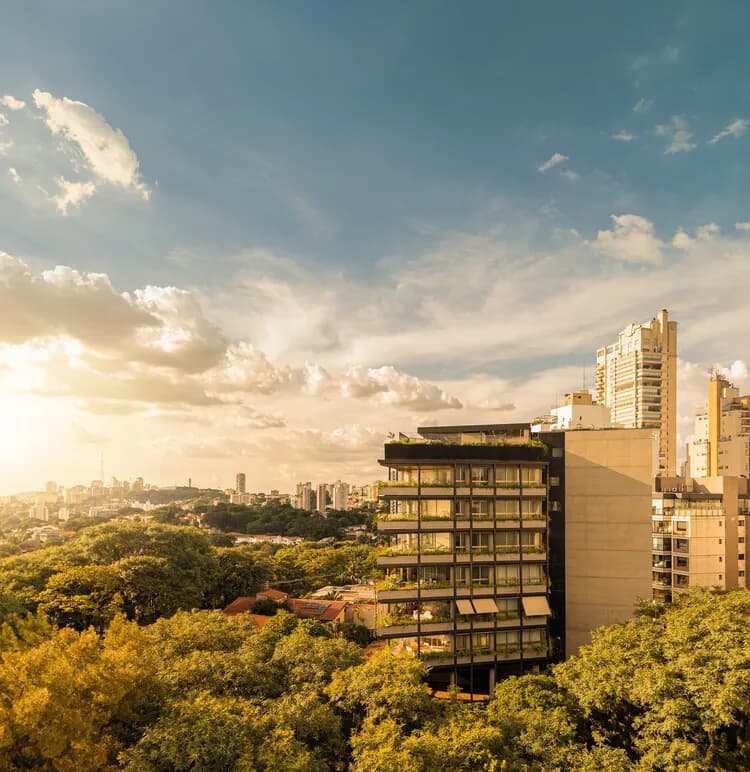
Geometry Embraced by Gardens: The Pascoal Vita Building in São Paulo
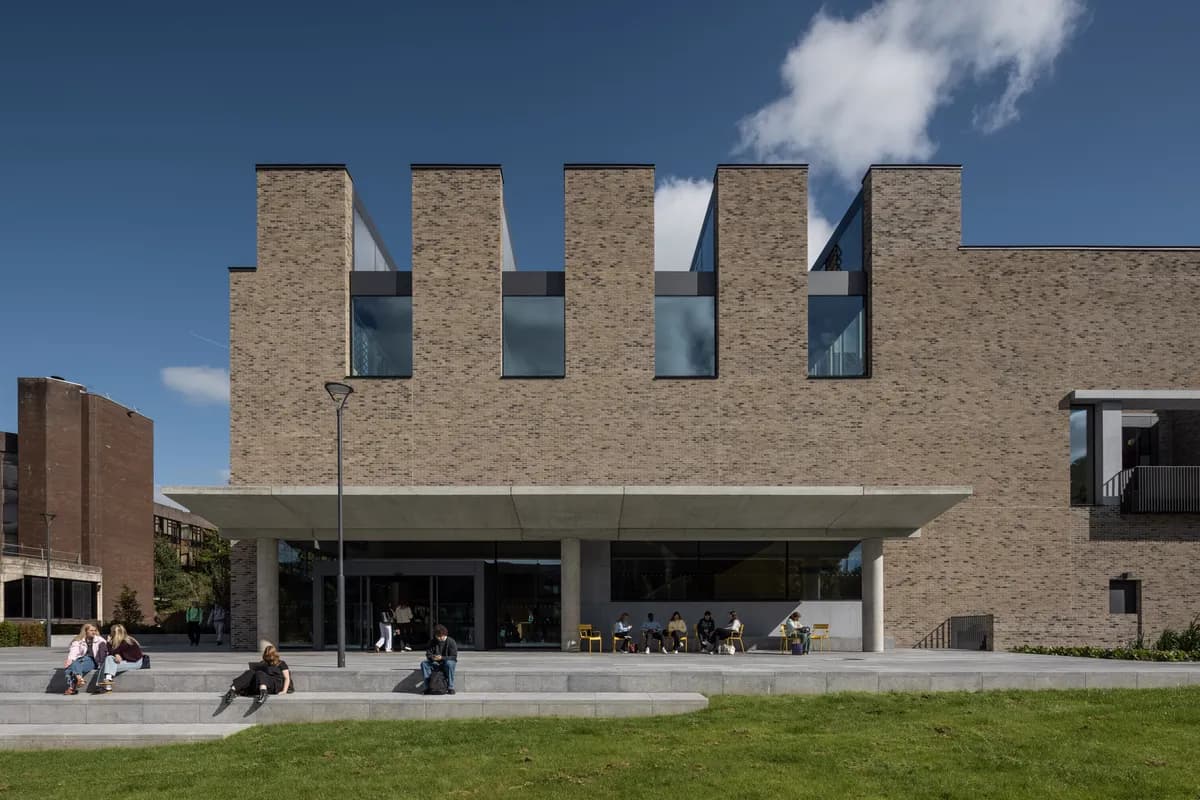
Built by Students, for Students: University of Limerick Opens New Student Center
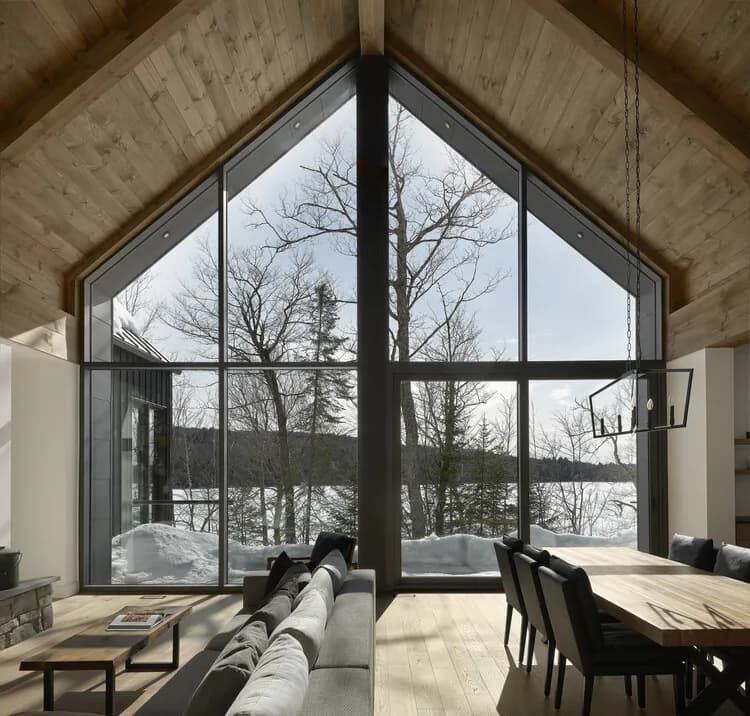
A Lakeside Home That Makes Landscape Part of Daily Life
France's 'Babel Community' Sets a New Standard for Coliving
From 1970s Shell to Knowledge Platform: Chengdu Shude Middle School Library Renovation
Nonhyun 169: When Zoning Constraints Become Architectural Identity
Latest News

International Oil Prices Near $100 Threshold as Ceasefire Talks Collapse
Collapse of U.S.-Iran ceasefire talks triggers oil price surge, raising fears of $100 per barrel breach

Shooting at Chick-fil-A in Union Township, NJ: 1 Dead, 6 Injured
Shooting occurred inside a Chick-fil-A in Union Township, New Jersey

Rachel Zegler and Stars Grace Red Carpet at Olivier Awards
Rachel Zegler and stage stars attended the Olivier Awards red carpet

Two hospitalized after bus plunges down embankment in Scottish Highlands
A bus crashed down an embankment north of Aviemore in the Scottish Highlands

Stray Kids Earns RIAJ Platinum Certification for 'MANIAC' in Japan
Stray Kids' 'MANIAC' has surpassed 100 million streams in Japan.

US-Iran Nuclear Talks Collapse — Vance Says Iran Refused to Commit to Denuclearization
US-Iran nuclear talks collapse; Vance announces Iran refused to commit to giving up nuclear weapons

'Heart Signal 5' Drops Emotional Preview Ahead of April 14 Premiere
'Heart Signal 5' premieres April 14 on Channel A and streams on Viki.

Soriano Posts Historic ERA 0.33 Through Four Starts, First of Its Kind Since 1900
Soriano throws 7 scoreless innings with 10 strikeouts to improve to 4-0.