Freddie Mamani colors the city with Andean culture
A Bolivian architect talks about ‘radical restoration’ and the architecture of indigenous identity.
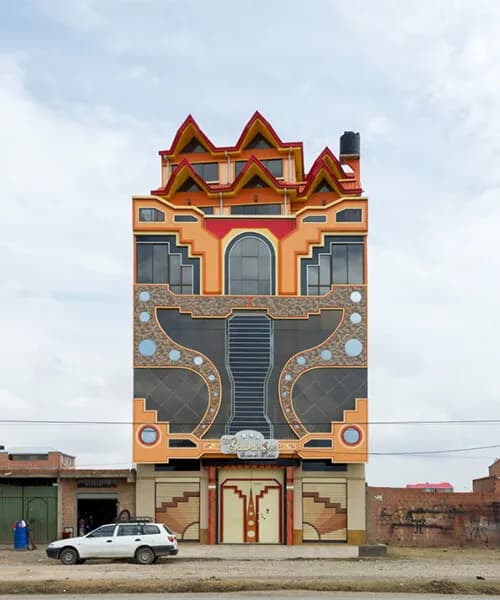
- •Bolivian architect Freddy Mamani is receiving global attention for his Neo-Andean architecture incorporating indigenous culture
- •He is restoring the city's identity by applying the patterns and colors of the Tiwanaku civilization to modern buildings
- •We are also practicing sustainable architecture by using local materials and environmentally friendly construction methods.
The architect who changed the gray city
El Alto, a highland city in Bolivia, was once full of monotonous ocher-colored buildings. There is an architect who transformed this city's skyline into a feast of primary colors. This is Freddy Mamani. He has broken down the boundaries between indigenous culture and modern architecture through his unique style called 'Neo-Andean architecture'.
Mamani unveiled his architectural philosophy at the 'In Focus: Radical Repair' event at the 2023 Milan Triennale. “I want to show my identity through architecture,” he said. “I want to show the world that South America has a strong culture connected to our ancestral roots.”
Why is this architecture important?
Mamani's work is not a simple aesthetic experiment. He resists the homogenization imposed by global modernism and proves that progress does not necessarily mean a break with history. By incorporating the patterns of the Tiwanaku civilization and the traditional colors of the Aymara people into modern buildings, he is turning the entire city into a cultural statement.
“We have been filling a radical void in the urban landscape, creating buildings that today’s society can identify with the cultures of their ancestors.”
Mamani also actively responds to sustainability issues. “Climate change and inequality have been extremely concerning for decades. I want to use materials in my projects that are environmentally friendly and do not leave polluting residues. We need to use local materials, reduce energy use and reuse water used in construction.”
Context from Tiwanaku to the modern city
Mamani's architecture did not appear suddenly. The Tiwanaku civilization (c. 300 BC to 1150 AD), located near Lake Titicaca in western Bolivia, was one of the first large-scale urban civilizations in the Andes. This civilization's geometric patterns, symmetrical structures, and strong use of color are the direct source of Mamani architecture.
Since the mid-20th century, Bolivia, like other developing countries, has embraced Western modernist architecture. Concrete box-shaped buildings filled the city, and indigenous architectural languages were gradually pushed to the periphery. When Mamani began his career in earnest in the 2000s, his ornate buildings were initially the object of ridicule.
But the situation turned around. El Alto's newly wealthy class, especially Aymara merchants who were successful in trade, began to compete to commission Mamani's 'Cholet' building. 'Chore' is a compound word of 'Chola (Aymara woman)' and 'Chalet', symbolizing the combination of indigenous culture and modern wealth.
Changes made by the community [AI analysis]
“People are the most powerful agents of change in this city,” Mamani said. “My community gives me the opportunity to work freely on buildings, and together we are transforming the city’s yellow earth into a colorful place.”
The implications of his work go beyond the world of architecture. As interest in combining indigenous knowledge and modern technology grows in countries of the Global South, Mamani's case is likely to attract attention as a successful model. In particular, as UNESCO and each country's cultural policies emphasize the 'modern use of intangible cultural heritage,' cultural restoration through architecture is expected to further spread.
However, it must also be taken into account that this approach, combined with commercial success, may face criticism as 'commodification of culture'. As Mamani himself stated, the key will be whether the principle of “respecting history” can be maintained in the future.
댓글 (2)
Freddie 관련 기사 잘 읽었습니다. 유익한 정보네요.
기사 잘 봤습니다. 다른 시각의 분석도 읽어보고 싶네요.
More in Culture & Art

‘Crush’, ‘Tero’, ‘Jidae’… The languages of North and South Korea are becoming increasingly distant.
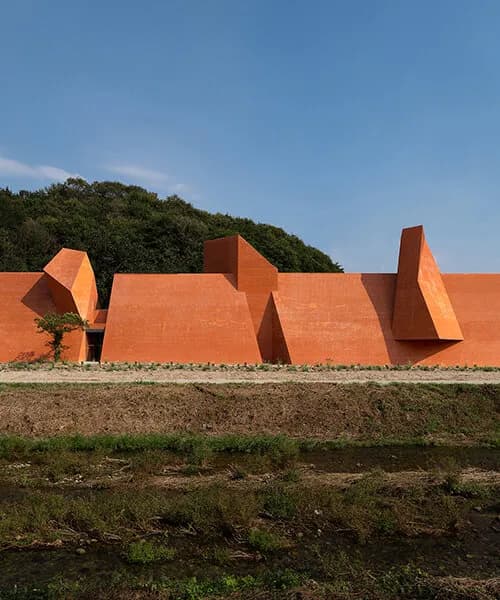
‘Fortress Café’ stands tall in the forests of Gangwon-do, reinterpreting ancient fortress walls through modern architecture.
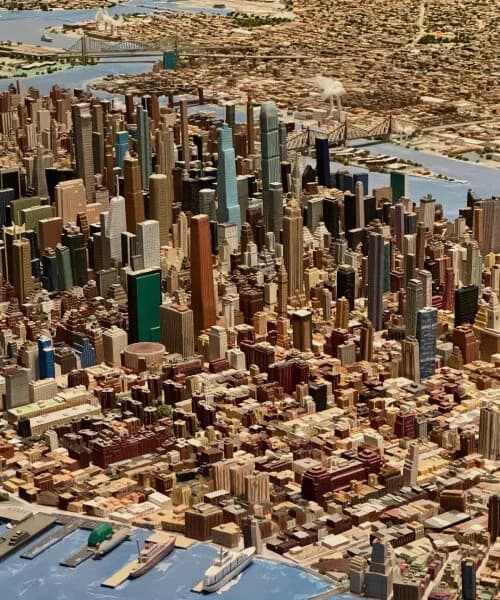
New York, hand-carved for 21 years, unveiled for the first time at an art museum
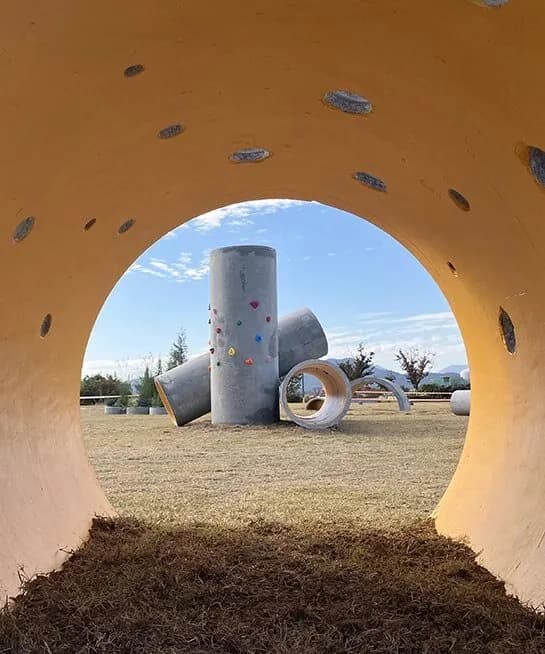
An abandoned concrete pipe is reborn as a playground... Busan Museum of Art ‘Concrete Utopia’
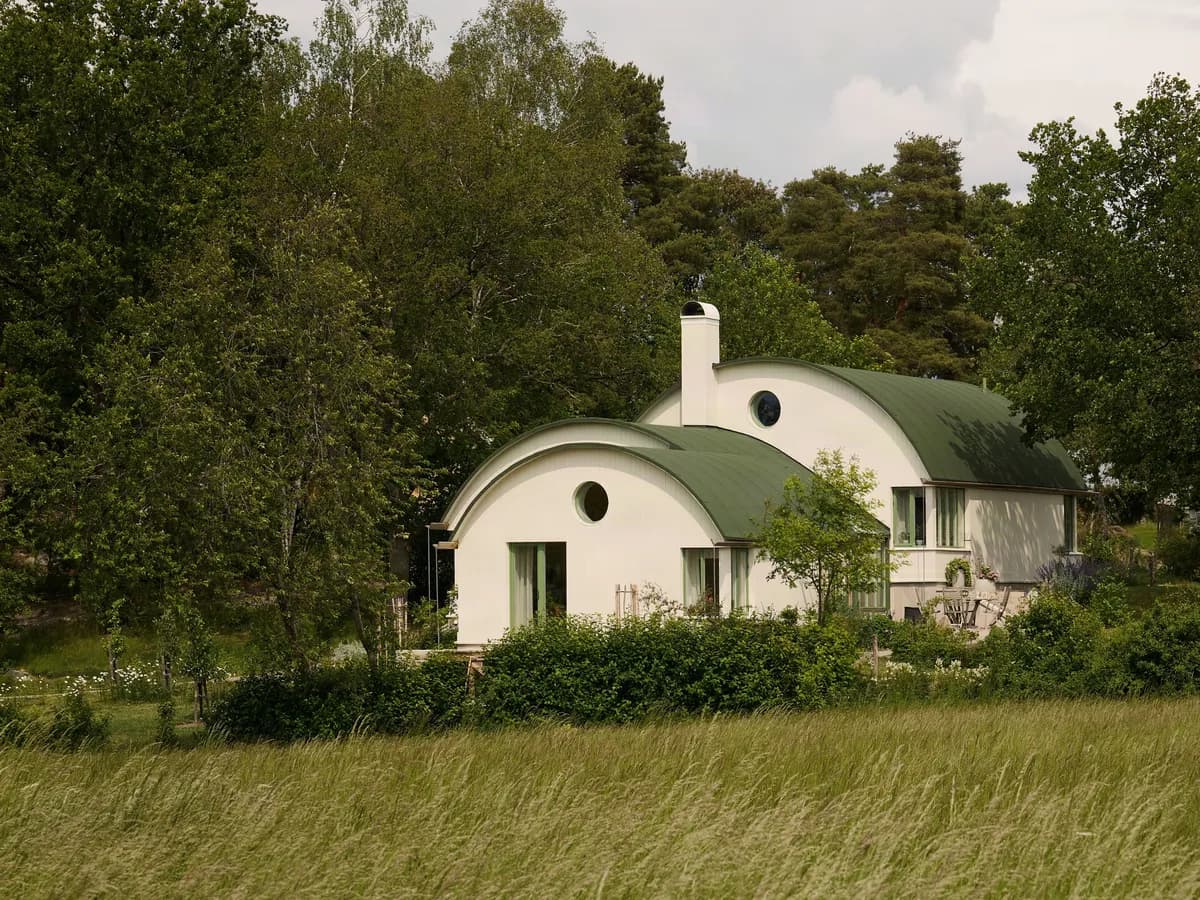
A Swedish artist's house, the essence of architecture that becomes one with nature

Akai Pro unveils 'MPC Sample', a portable sampler inherited from the 1988 classic
Latest News
"간부 잘 아는데 교통비 좀" 휴가 군인들 돈 뜯은 50대 구속
50대 A씨가 휴가 중인 군인들에게 부대 간부를 아는 척 접근해 돈을 사취
英 옥토퍼스, 이란 전쟁 이후 태양광 판매 50% 증가
이란 전쟁 이후 영국 옥토퍼스의 태양광 판매량 50% 증가

당정 "추경, 지방·취약계층에 더 지원되는 방식으로"
당정이 지방자치단체와 취약계층 중심의 추경 편성 방침 재확인

당정, 석유 최고가격제 손실 보전을 추경에 반영키로
당정이 석유 최고가격제 손실을 추경에 반영하기로 결정
어머니 폭행하고 금팔찌 빼앗은 30대 아들 경찰에 붙잡혀
어머니 폭행 후 금팔찌 빼앗은 30대 남성 체포
아이티 갱단 폭력사태로 10개월간 5천명 이상 사망
아이티에서 지난 10개월간 갱단 폭력으로 5천명 이상 사망

서방 정보당국 "러시아, 우크라이나 전쟁 후 이란에 드론·식량 공급"
서방 정보당국, 러시아의 이란 드론·식량 공급 작업 거의 완료 파악

6년 전 세 살 딸 살해한 30대 친모 구속송치
경찰, 6년 전 세 살 딸 살해 혐의 30대 친모를 구속송치