G6 Alliance Declares Support for Hormuz Strait Security... Reverses Stance Under Trump Pressure
UK, France, Germany, Italy, Netherlands, Japan Issue Joint Statement Condemning Iran's Attacks on Commercial Vessels and Strait Blockade
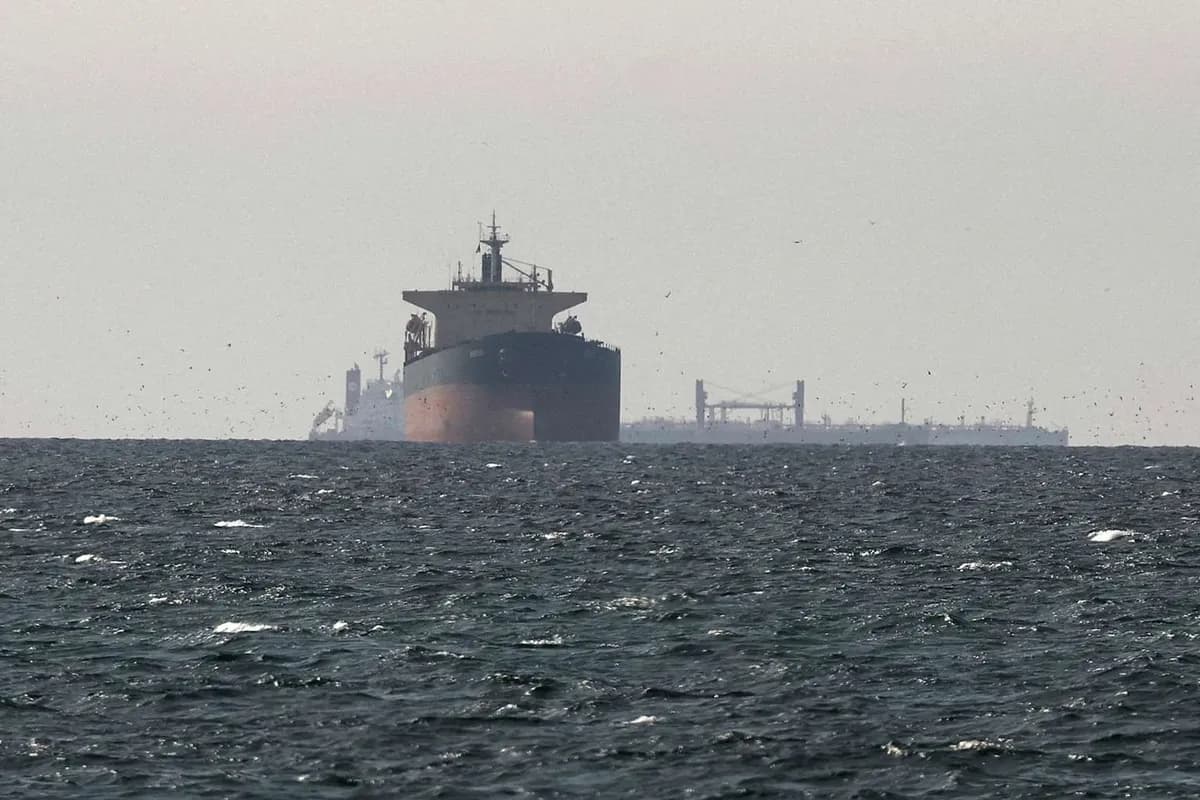
- •The UK, France, Germany, Italy, Netherlands, and Japan issued a joint statement condemning Iran's blockade of the Strait of Hormuz and attacks on commercial vessels.
- •This represents a sharp reversal from their rejection of Trump's naval deployment request weeks earlier, driven by surging oil prices and energy security threats.
- •While the specific form of military involvement remains unclear, the Hormuz Strait crisis could catalyze global energy supply chain restructuring and accelerate the transition to a post-oil era.
Key Shift: From 'Non-Participation' to 'Engagement'
Six major nations—the UK, France, Germany, Italy, the Netherlands, and Japan—have issued a joint statement condemning Iran's blockade of the Strait of Hormuz and attacks on commercial vessels, pledging to ensure safe passage through this strategic waterway. This statement marks a stark contrast to these same countries' rejection of U.S. President Donald Trump's request for naval deployments just weeks earlier.
In the joint statement released by the UK government, the six nations declared: "We condemn in the strongest possible terms Iran's recent attacks on unarmed commercial vessels, attacks on civilian infrastructure including oil and gas facilities, and the effective closure of the Strait of Hormuz by Iranian forces." The countries also welcomed the International Energy Agency's (IEA) decision to release emergency strategic petroleum reserves.
Why This Policy Shift Matters
This joint statement suggests that Western allies' strategic calculations have undergone rapid change. France had previously explicitly rejected Trump's demands, stating it was "not a party to the conflict," but appears to have revised its position as Iranian attacks escalated and oil prices surged.
The Strait of Hormuz is a strategic chokepoint through which approximately 20% of global oil shipments pass. Iran's threat to blockade the strait transcends a regional conflict, potentially delivering a direct blow to global energy security and the broader economy. Amid escalating U.S.-Iran tensions, oil prices have already been climbing, imposing serious burdens on European and Japanese economies.
The Trump administration has been intensifying pressure on Iran while demanding burden-sharing from allies. The six nations' policy reversal demonstrates both the effectiveness of Trump's pressure and the fact that Iran's actual actions have begun to be perceived as threats by European and Asian countries.
Historical Tensions Over the Strait of Hormuz
Tensions over the Strait of Hormuz are not a new phenomenon. During the Iran-Iraq War in the 1980s, Iran demonstrated the strategic value of this strait through the "Tanker War." At that time, the U.S. guaranteed the strait's safety through "Operation Earnest Will," escorting Kuwaiti oil tankers.
In 2019, tensions escalated again when Iran's Revolutionary Guards seized a British-flagged tanker. European countries at that time did not join the U.S.-led maritime security coalition, instead establishing their own "European Maritime Awareness in the Strait of Hormuz (EMASOH)" mission. This was an attempt by Europe to maintain balance between the U.S. and Iran.
However, the current situation in 2025 differs from the past. Trump's second-term administration has resumed its "maximum pressure" policy toward Iran, and Iran has responded with more aggressive tactics including strait blockades and attacks on civilian facilities. Direct military actions such as Israel's strikes on Iranian gas fields have further amplified tensions.
Each Nation's Dilemma: Economy vs. Security
Behind the six nations' policy shift lies complex calculation. France and Germany have traditionally maintained economic relations with Iran, and the European Union (EU) has supported preserving the 2015 Iran nuclear deal (JCPOA). However, maintaining this position has become difficult in the face of surging oil prices and energy security threats.
For Japan, with approximately 90% dependence on Middle Eastern oil, a Hormuz Strait blockade represents a direct existential threat. Post-Brexit Britain is pursuing a dual strategy of prioritizing stronger relations with the U.S. while trying to maintain independent influence in the Middle East.
On the U.S. side, Defense Secretary Pete Hegseth has suggested changes to war funding approaches, leaving specific military operation timelines to President Trump. Trump has stated he won't send ground troops to Iran, but simultaneously pledged to "do whatever it takes to lower oil prices." His Treasury Secretary has even mentioned the possibility of lifting some sanctions on Iranian oil.
Future Outlook [AI Analysis]
While the six nations' joint statement holds symbolic significance in demonstrating Western alliance unity, the likelihood of it leading to substantive military intervention remains unclear. What specific form of "support" each country will provide has not been clearly stated, and they will likely maintain cautious positions regarding direct military action such as naval deployments.
In the short term, a combination of IEA petroleum reserve releases and diplomatic pressure from various countries is expected to continue. However, if Iran intensifies the strait blockade or continues attacks on commercial vessels, even Europe and Japan may find it difficult to maintain neutrality.
In the long term, this crisis could catalyze a restructuring of global energy supply chains. Multi-layered changes are anticipated, including accelerated renewable energy transitions in Europe, supply source diversification by Asian countries, and reduced U.S. involvement in the Middle East. Ironically, the Hormuz Strait crisis could accelerate the transition to a "post-oil era."
However, numerous variables remain, including unpredictable Trump administration policy changes, Iran's internal political dynamics, and responses from China and Russia, meaning the situation could shift rapidly at any time. Most importantly, diplomatic solutions must be pursued to prevent military confrontation from escalating into actual war.
댓글 (4)
간결하면서도 핵심을 잘 정리한 기사네요.
Alliance 관련 기사 잘 읽었습니다. 유익한 정보네요.
기사 잘 봤습니다. 다른 시각의 분석도 읽어보고 싶네요.
공감합니다. 참고하겠습니다.
More in Special

How to avoid ICE agents checking your phone at the airport
주일 중국대사관 침입한 괴한, 자위대 현직 장교로 확인

New York City public hospital breaks up with Palantir... Ending controversy over commercialization of citizen health data
U.S. expands military operations in Latin America... ‘Operation total annihilation’ formalized

The Corsican Mafia Exposed: Breaking a Century of Silence

AI-Generated Fake Person Used to Sell Dubai Flight Seats
Latest News
"간부 잘 아는데 교통비 좀" 휴가 군인들 돈 뜯은 50대 구속
50대 A씨가 휴가 중인 군인들에게 부대 간부를 아는 척 접근해 돈을 사취

英 옥토퍼스, 이란 전쟁 이후 태양광 판매 50% 증가
이란 전쟁 이후 영국 옥토퍼스의 태양광 판매량 50% 증가
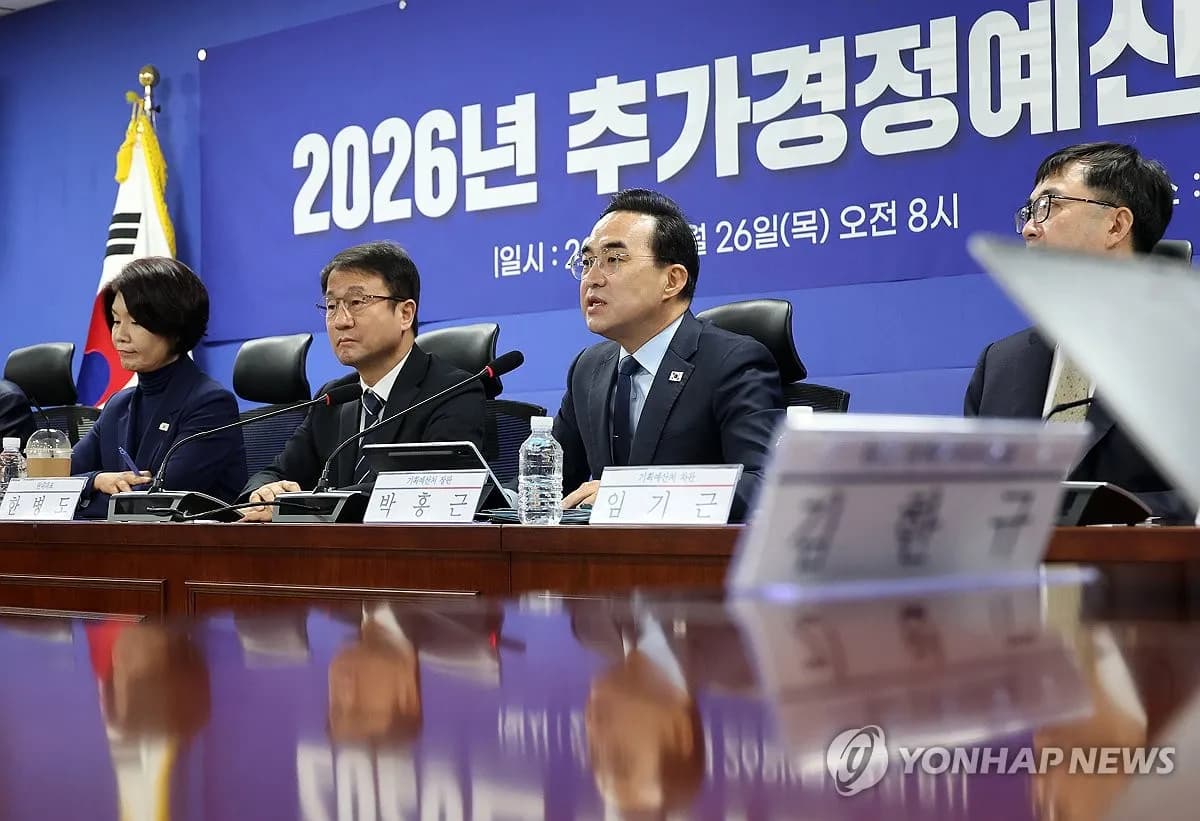
당정 "추경, 지방·취약계층에 더 지원되는 방식으로"
당정이 지방자치단체와 취약계층 중심의 추경 편성 방침 재확인
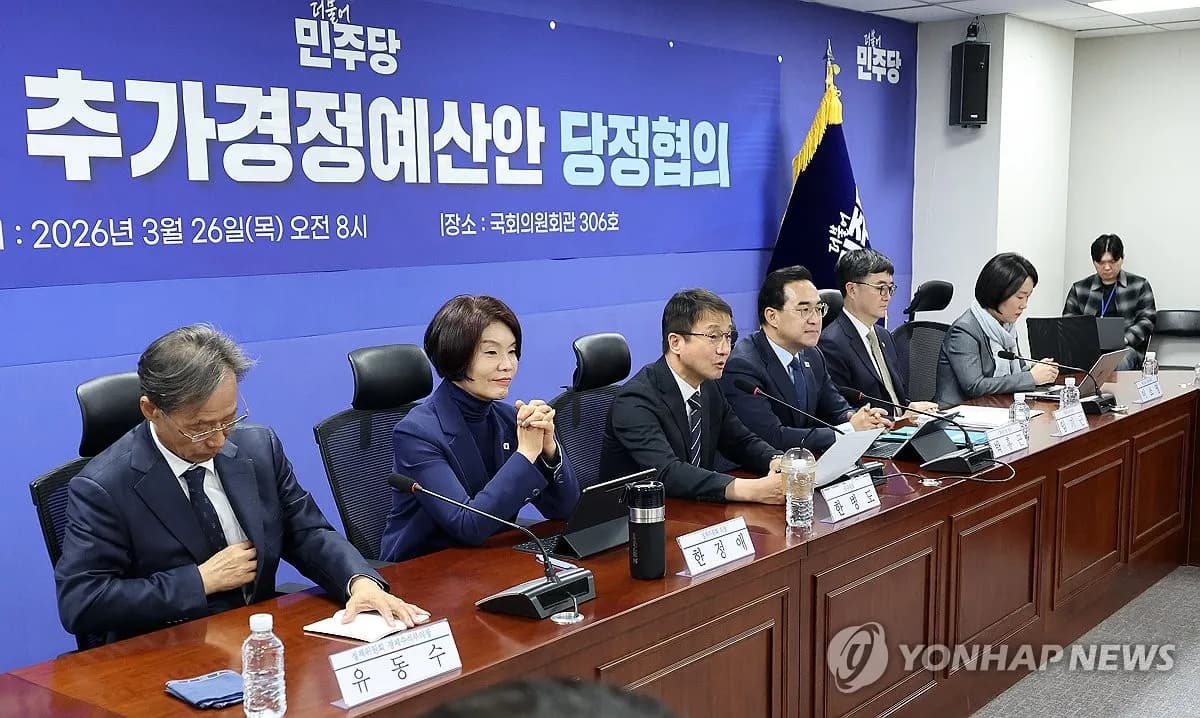
당정, 석유 최고가격제 손실 보전을 추경에 반영키로
당정이 석유 최고가격제 손실을 추경에 반영하기로 결정
어머니 폭행하고 금팔찌 빼앗은 30대 아들 경찰에 붙잡혀
어머니 폭행 후 금팔찌 빼앗은 30대 남성 체포
아이티 갱단 폭력사태로 10개월간 5천명 이상 사망
아이티에서 지난 10개월간 갱단 폭력으로 5천명 이상 사망
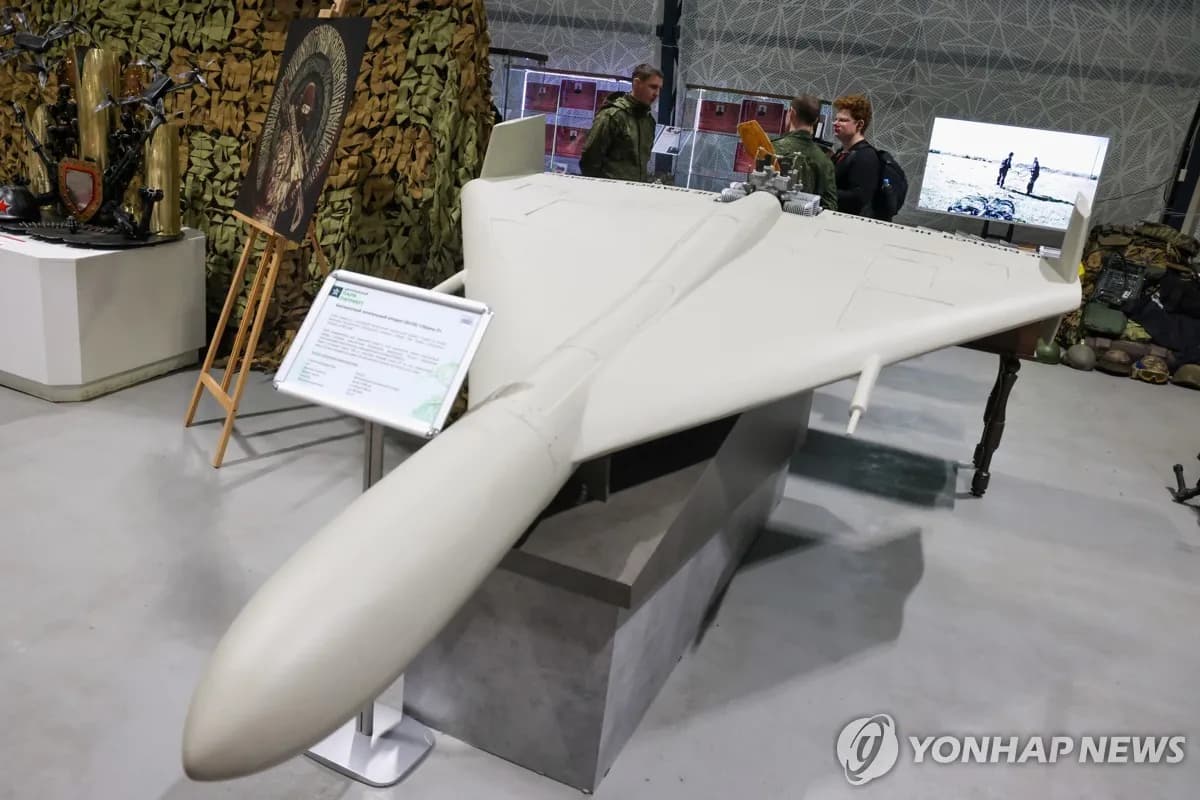
서방 정보당국 "러시아, 우크라이나 전쟁 후 이란에 드론·식량 공급"
서방 정보당국, 러시아의 이란 드론·식량 공급 작업 거의 완료 파악

6년 전 세 살 딸 살해한 30대 친모 구속송치
경찰, 6년 전 세 살 딸 살해 혐의 30대 친모를 구속송치