Giant Magellan Telescope Eyes Exoplanets — But Funding Remains the Final Frontier
The 25.4-meter multi-mirror telescope targets 2028 groundbreaking as NSF budget constraints force a pivot to private funding
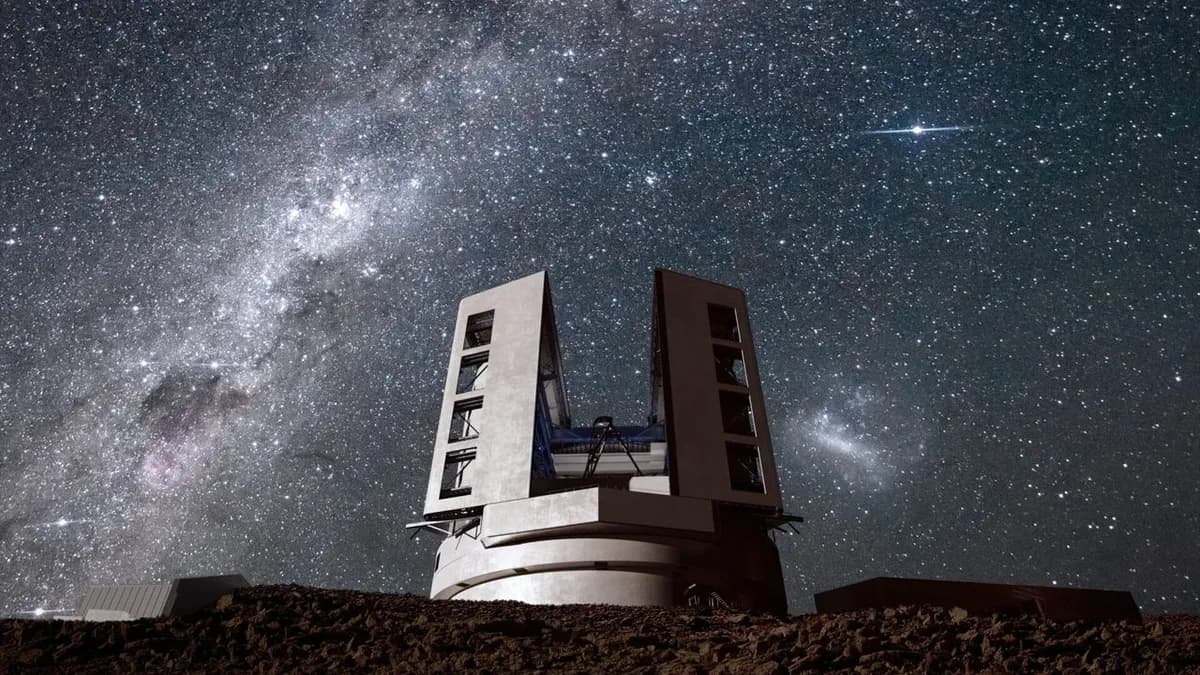
- •The GMT Consortium held its first summit on April 14, targeting a 2028 construction start.
- •NSF budget constraints prevent full funding of both GMT and TMT, making private investment critical.
- •If operational in the 2030s, GMT could revolutionize exoplanet research and deep-universe science.
A Giant Eye Turns Skyward
The Giant Magellan Telescope (GMT) Consortium held its first-ever public summit on April 14, unveiling the project's progress and roadmap. Comprising 16 universities and research institutions, the consortium announced that key components are in active fabrication following the National Science Foundation's (NSF) formal advancement of the project to its final design phase in the summer of 2025. Daniel Jaffe, President of the GMT Consortium and former head of astronomy at the University of Texas, Austin, stated the goal is to complete the final design phase by mid-2027 and begin full-scale construction in fiscal year 2028, pending NSF and Congressional approval.
Why It Matters
The GMT is no ordinary telescope. With a primary reflecting surface spanning 25.4 meters (83 feet), it is expected to offer more than ten times the light-gathering power of any current ground-based observatory. Its capabilities will directly address some of astronomy's greatest open questions: the atmospheric composition of potentially habitable exoplanets, the formation of galaxies in the early universe, and the nature of dark energy and dark matter.
The telescope's distinctive design — seven 8.4-meter primary mirrors paired with seven 1-meter secondary mirrors — sets it apart from competitors like the European Extremely Large Telescope (ELT) and the Thirty Meter Telescope (TMT), both of which use segmented mirror designs. GMT Chief Scientist Rebecca Bernstein noted that the monolithic mirror approach offers significant advantages for adaptive optics performance, the technology that corrects in real time for atmospheric distortion.
A Race Decades in the Making
The modern era of giant telescope competition began with the Keck 10-meter telescopes in the 1990s. The GMT Consortium was formed in 2003, the TMT project launched in 2009, and the European ELT plan was finalized in 2012. The ELT — at 39 meters the largest of the three — is already under full-scale construction in Chile's Atacama Desert and is on track to see first light in 2029.
Funding, however, has become the central complication. In 2024, the NSF capped its giant telescope budget at $1.6 billion — insufficient to fully fund both the GMT and the TMT. Both projects have consequently sought private and international investment. The GMT has so far secured over $1 billion from its partners, enabling 40% of its components to enter active fabrication.
On the Las Campanas mountaintop in Chile, at 7,870 feet (2,400 meters) above sea level, site preparation is complete. In Rockford, Illinois, Ingersoll Machine Tools is constructing the telescope's mount — a 128-foot (39-meter) tall, 2,600-ton structure requiring a specially built 40,000-square-foot assembly bay.
What Comes Next [Expert Analysis]
The GMT's biggest variable is federal funding. Completing the NSF's final design phase by mid-2027 and securing Congressional appropriations must align for the 2028 construction start to hold. The $1 billion-plus already raised from private and international partners is an encouraging signal, but the remaining funding pathway remains uncertain.
Industry observers suggest that GMT and TMT may ultimately be forced into a consolidation or prioritization scenario by the NSF. With the ELT set to begin operations in 2029, there is growing urgency within the U.S. astronomy community to avoid ceding global leadership to Europe.
Should the GMT enter operation in the early 2030s as planned, it is likely to work in powerful complementarity with the James Webb Space Telescope (JWST), potentially opening a new chapter in the search for signs of life beyond Earth — particularly through direct spectroscopic analysis of Earth-like exoplanet atmospheres, a capability no current telescope possesses.
댓글 (35)
Giant의 전문가 코멘트가 설득력 있었습니다.
흥미로운 주제입니다. Magellan에 대해 처음 접하는 정보가 있었습니다. 다른 시각의 분석도 읽어보고 싶습니다.
Telescope 주제로 시리즈 기사가 나오면 좋겠습니다. 좋은 기사 감사합니다.
읽기 좋은 기사입니다. 거대마젤란망원경 관련 통계가 의외였습니다. 해외 동향도 함께 다뤄주시면 좋겠습니다.
외계행성에 대해 처음 접하는 정보가 있었습니다.
Giant이 앞으로 어떻게 전개될지 주목해야겠습니다.
깔끔한 기사입니다. Magellan 관련 통계가 의외였습니다.
깔끔한 기사입니다. Telescope의 전문가 코멘트가 설득력 있었습니다. 전문가 의견도 더 듣고 싶습니다.
요즘 이 매체 기사가 제일 읽기 좋아요.
핵심만 잘 정리해주시네요.
Giant이 일상에 어떤 영향을 줄지 생각해보게 됩니다.
Magellan 관련 용어 설명이 친절해서 좋았습니다. 다른 시각의 분석도 읽어보고 싶습니다.
객관적인 시각이 돋보이는 기사입니다.
잘 읽었습니다. 거대마젤란망원경에 대해 처음 접하는 정보가 있었습니다.
이런 시각도 있었군요. 외계행성이 일상에 어떤 영향을 줄지 생각해보게 됩니다. 잘 정리된 기사네요.
Giant 관련 배경 설명이 이해하기 쉬웠습니다. 나중에 다시 읽어볼 만합니다.
깔끔한 기사입니다. Magellan 주제로 시리즈 기사가 나오면 좋겠습니다.
좋은 정리입니다. Telescope 주제로 시리즈 기사가 나오면 좋겠습니다. 잘 정리된 기사네요.
거대마젤란망원경에 대해 처음 접하는 정보가 있었습니다. 주변에도 공유해야겠어요.
외계행성이 앞으로 어떻게 전개될지 주목해야겠습니다.
Giant 관련 배경 설명이 이해하기 쉬웠습니다.
몰랐던 사실을 알게 됐습니다. Magellan 관련 통계가 의외였습니다. 나중에 다시 읽어볼 만합니다.
Telescope에 대해 더 알고 싶어졌습니다.
참고가 됩니다. 거대마젤란망원경의 전문가 코멘트가 설득력 있었습니다.
외계행성 관련 통계가 의외였습니다. 다른 시각의 분석도 읽어보고 싶습니다.
좋은 정리입니다. Giant이 앞으로 어떻게 전개될지 주목해야겠습니다. 주변에도 공유해야겠어요.
Magellan 기사에서 언급된 사례가 흥미로웠습니다. 생각이 바뀌었습니다.
몰랐던 사실을 알게 됐습니다. Telescope 관련 해외 동향도 궁금합니다. 다른 시각의 분석도 읽어보고 싶습니다.
읽기 좋은 기사입니다. 거대마젤란망원경 관련 통계가 의외였습니다.
이런 시각도 있었군요. 외계행성 관련 용어 설명이 친절해서 좋았습니다. 잘 정리된 기사네요.
북마크해두겠습니다. Giant의 향후 전망이 궁금합니다. 좋은 기사 감사합니다.
잘 보고 있습니다.
친구한테도 추천했습니다.
거대마젤란망원경이 일상에 어떤 영향을 줄지 생각해보게 됩니다. 생각이 바뀌었습니다.
외계행성에 대한 다른 매체 보도와 비교해봐도 잘 정리되어 있습니다. 전문가 의견도 더 듣고 싶습니다.
More in Special

ICIJ Exposes Merck's Keytruda Pricing Strategy and Patent Abuse
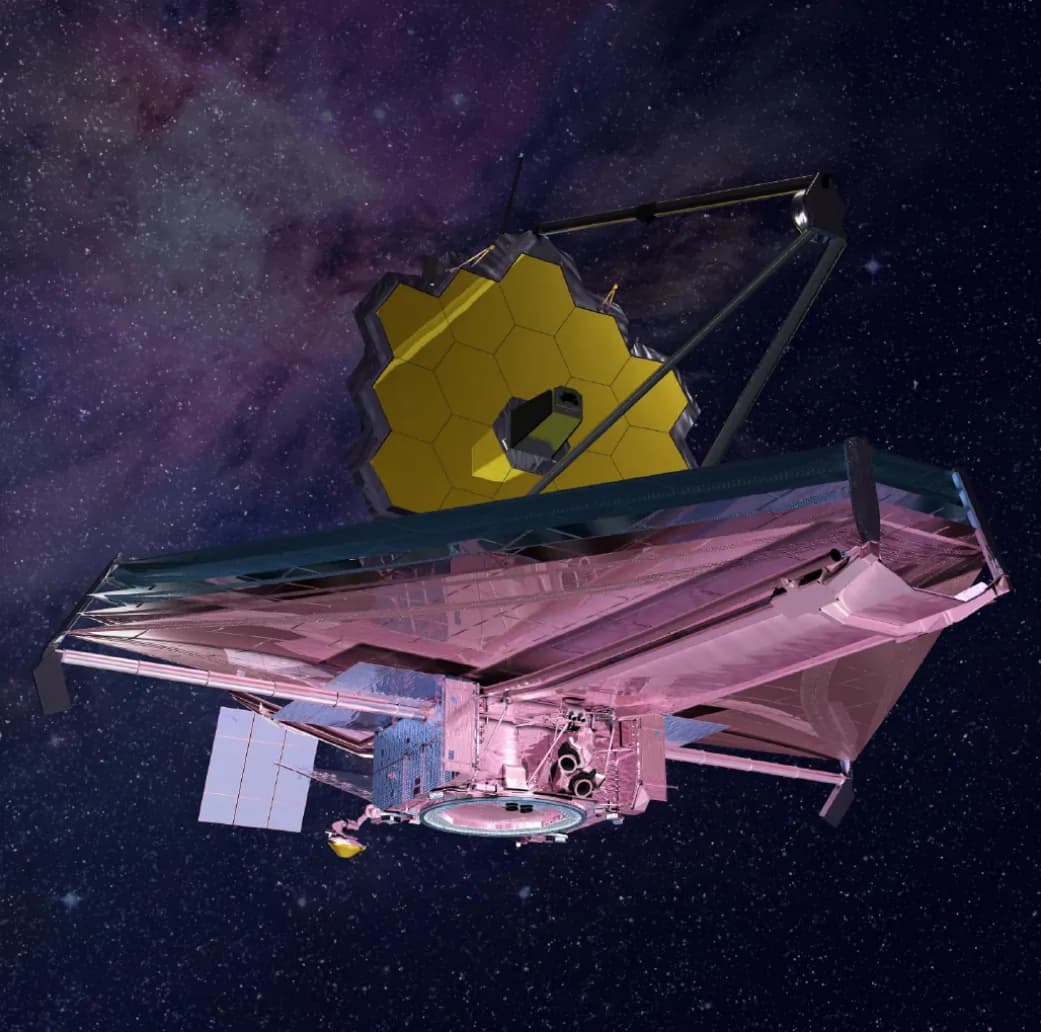
JWST, 성간 혜성 3I/ATLAS에서 메테인 최초 검출…외계 행성계 단서 포착

UN Press Article Failed to Load — No Content Available
K-pop's Big 4 Pursue 'Fanomenon' Joint Venture...Dream of Global Festival Surpassing Coachella
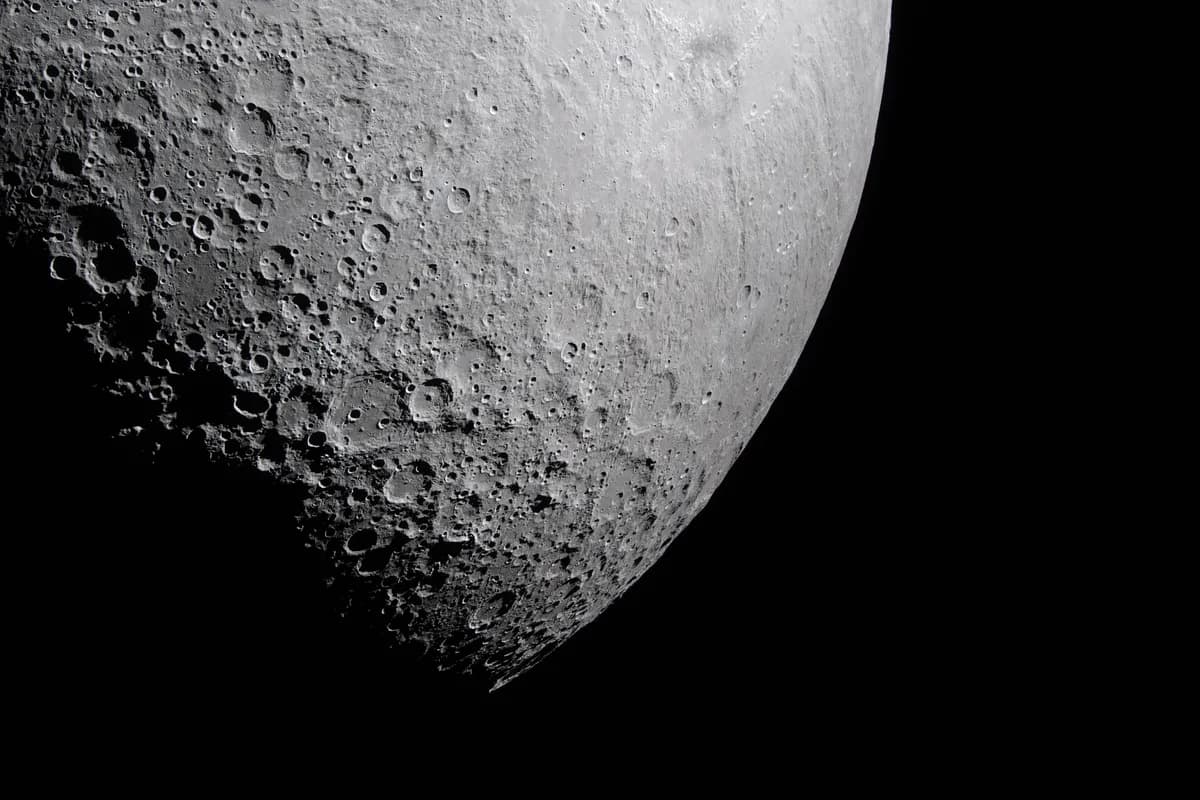
At the Edge of Light: NASA Pushes the Boundaries of Cosmic Observation

Largest 3D Dark Energy Map in History Completed by DESI
Latest News
10일 연속 랠리 멈춘 글로벌 증시, S&P 500 사상 첫 7,000 돌파
MSCI 전세계 지수가 10일 연속 상승 후 사상 최고치를 기록하고 0.1% 하락 반전했다.
이란 휴전 만료 D-5, 유럽 가스 가격 2% 급등
미-이란 휴전 만료 임박에 유럽 TTF 가스 가격이 2% 급등했다.
삼성전자, 5년 만에 특별배당 포함 3조 7500억 원 지급
삼성전자가 5년 만에 특별배당 포함 총 3조 7500억 원을 지급했다.
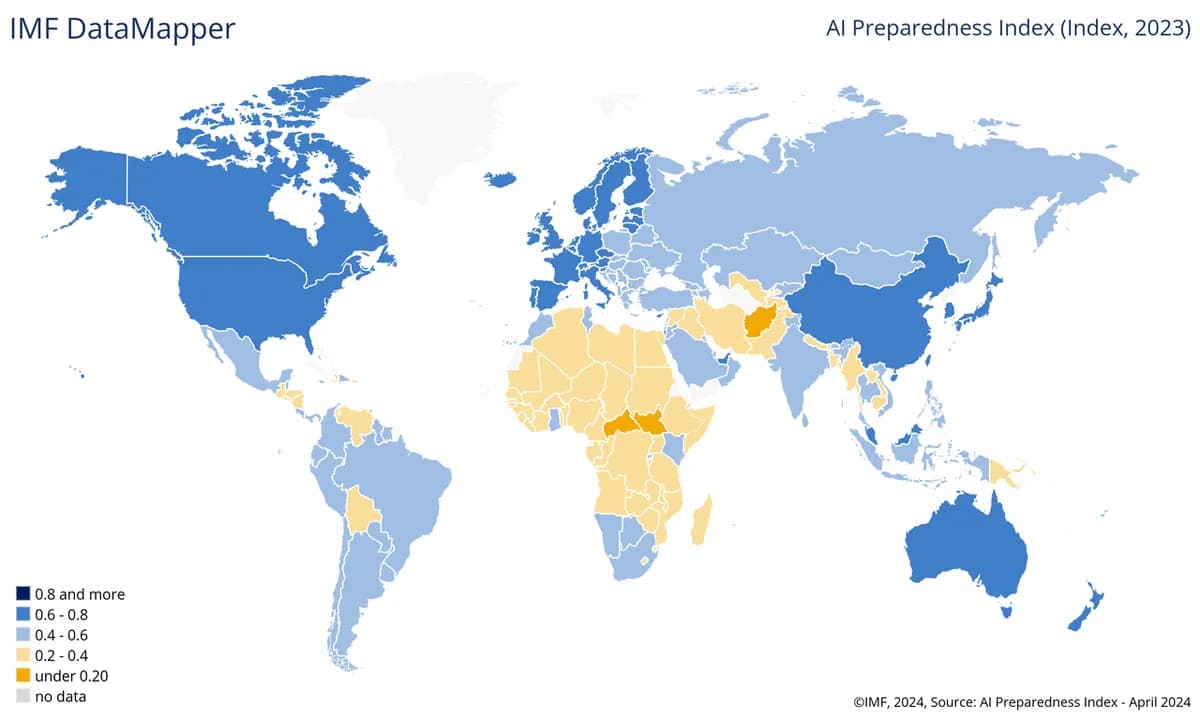
IMF 총재 "AI, 세계화의 전철 밟으면 안 된다"
IMF 게오르기에바 총재가 AI 혁명이 세계화의 실패를 반복할 위험이 있다고 경고했다.

Anthropic·OpenAI, '상시 작동' AI 코딩 에이전트 패권 경쟁
Anthropic이 Claude Code에 클라우드 기반 예약 자동 실행 기능 '루틴'을 출시했다.
스트라이프·패러다임 공동 개발 블록체인 '템포', 기업용 프라이버시 환경 '존' 출시
스트라이프·패러다임 공동 개발 블록체인 템포가 기업용 프라이버시 환경 '존(Zones)'을 출시했다.
중국, '인공 태양' BEST 핵융합로 건설 가속…2030년 상업 발전 도전
중국 허페이에서 BEST 핵융합 원자로 건설이 진행 중이며, 2027년 완공·2030년 발전 실증이 목표다.

UK PM Starmer Says He Was 'Furious' After Learning Sacked Ambassador Failed Security Vetting
PM Starmer says he was never told Mandelson failed security vetting, calling it unforgivable.