Honduras Presidential Election: Right-Wing Victory Amid Trump Interference Controversy
Regime Change After 4 Years of Left-Wing Government... Allegations of 'Electoral Coup' Under Overt U.S. Pressure
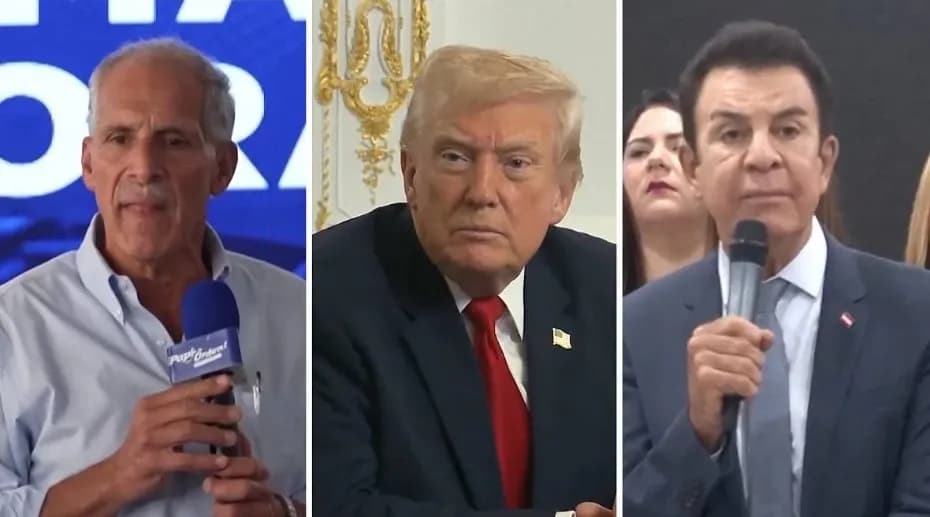
- •Right-wing candidate Asfura takes first place in Honduras presidential election with 40.52%, amid left-wing collapse controversy
- •Allegations of electoral coup raised due to U.S. President Trump's blatant intervention and delayed vote counting
- •Left-wing forces came to power 12 years after the 2009 coup, now facing crisis of right-wing return after just 4 years
Left-Wing Government After 12 Years, Ending After Just 4?
The likelihood of right-wing forces returning to power after just four years of left-wing governance in Honduras is increasing. In the presidential election held on November 30, right-wing National Party (PN) candidate Nasry Asfura secured first place with 40.52% of the vote. Liberal Party (PL) candidate Salvador Nasralla followed closely with 39.20%, while the ruling party "Liberty and Refoundation (LIBRE)" candidate Rixi Moncada suffered a crushing defeat with less than 20% of votes.
Current President Xiomara Castro was elected as Honduras's first left-wing female president in 2021 and took office in January 2022. Her husband, Manuel Zelaya, is a former president who was ousted in a military coup in June 2009. The forces that led that coup were precisely the right-wing coalition of the National Party and Liberal Party. The left-wing's rise to power after 12 years and 7 months of right-wing authoritarian rule was a historic event.
Trump's Blatant Intervention, Electoral Coup Controversy
The biggest controversy in this election is U.S. President Donald Trump's blatant intervention. Trump designated Asfura as "his candidate" before the election and warned of retaliatory measures against Honduras if another candidate won. This constitutes clear sovereignty violation and election interference, which could be problematic under international law.
Candidate Rixi Moncada and the LIBRE party are refusing to accept the election results. They have characterized this as an "electoral coup," claiming massive fraud occurred during the vote counting process. In fact, the Central Electoral Council (CNE) delayed vote counting for nine days citing "technical difficulties," during which the unusual situation of vote percentages between Asfura and Nasralla fluctuating back and forth was observed.
The results announced on December 9 remain only "preliminary results" and are not officially confirmed. Analysis suggests that Moncada's sub-20% vote share is objectively difficult to trust. Given assessments that the left-wing government achieved substantial social progress during its four years, the ruling party candidate's crushing defeat lends credence to election manipulation allegations.
Ongoing Confrontation Since the 2009 Coup
To understand Honduras's political landscape, one must go back to 2009. At that time, President Manuel Zelaya was forcibly removed by the military on grounds that he attempted to abolish the no-reelection clause through constitutional amendment. The coup was led by the right-wing coalition of the National Party and Liberal Party, and the United States effectively condoned it.
Right-wing governments continued for the next 12 years and 7 months. The period under President Juan Orlando Hernández (JOH) is particularly remembered as a time when authoritarianism and corruption reached their peak. Hernández is currently standing trial in the United States on drug trafficking charges.
The LIBRE party was born precisely from resistance to this coup. After more than 12 years of nonviolent resistance, they won the 2021 presidential election, and when Xiomara Castro took office in January 2022, a historic regime change was achieved. The Castro government pursued center-left policies including welfare expansion, support for the poor, and increased education and health budgets, receiving credit for achieving certain accomplishments.
Another Test for Latin America's Left-Wing Wave
Honduras's attempted regime change is intertwined with the broader left-wing wave across Latin America. Since the late 2010s, left-wing governments have successively come to power in Brazil, Mexico, Chile, Colombia, and other countries. Honduras was part of this trend.
However, right-wing forces' counterattacks have also intensified. The Trump administration's Central and South American policy has shifted toward strengthening pressure on left-wing governments, and Honduras has taken a direct hit. Manuel Zelaya warned of election fraud possibilities in May, seven months before the election, stating, "They will use every means to regain power." Deputy Foreign Minister Gerardo Torres also predicted, "With more experience, a Rixi government would be more efficient and socialist," while adding, "This time it will be more intense because they know us."
Future Outlook [AI Analysis]
Honduras's political turmoil is likely to continue for some time. With Rixi Moncada and the LIBRE party refusing to accept the election results, demands for recounts or new elections may follow. However, considering pressure from the Trump administration and the combined strength of the right-wing parties (National Party and Liberal Party), the possibility that Asfura's election becomes a fait accompli cannot be ruled out.
From a broader Latin American perspective, the Honduras case could be recorded as another example revealing the vulnerability of left-wing governments. It has once again confirmed that it is not easy for left-wing governments to complete reforms under complex pressures including economic difficulties, organized crime problems, and external intervention.
The international community's response also warrants attention. If the United Nations, Organization of American States (OAS), and others demand transparency in the electoral process, this could exert some pressure on Honduras's political establishment. However, historically, these organizations have had limited real impact on Central and South American politics.
Until the new president takes office on January 27, Honduras will remain in political uncertainty. Whether left-wing forces can achieve a reversal through recounts or whether the right-wing's return to power will be confirmed depends on the political dynamics of the coming weeks.
댓글 (3)
팩트에 기반한 냉정한 판단이 필요한 시점입니다.
이 문제의 본질이 무엇인지 깊이 생각해볼 필요가 있습니다.
차분한 논의가 필요하다는 말에 공감합니다.
More in Special

How to avoid ICE agents checking your phone at the airport
주일 중국대사관 침입한 괴한, 자위대 현직 장교로 확인

New York City public hospital breaks up with Palantir... Ending controversy over commercialization of citizen health data

U.S. expands military operations in Latin America... ‘Operation total annihilation’ formalized

The Corsican Mafia Exposed: Breaking a Century of Silence
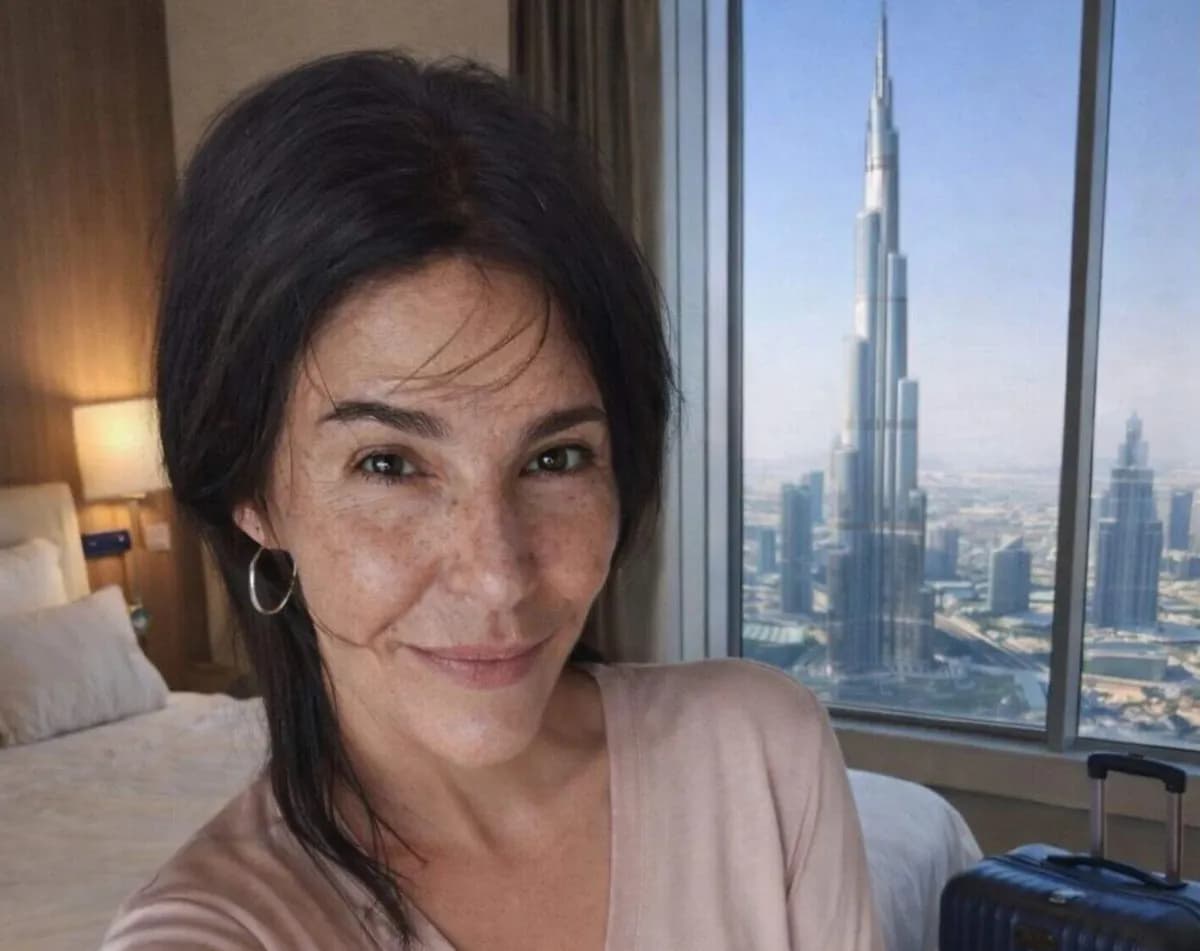
AI-Generated Fake Person Used to Sell Dubai Flight Seats
Latest News
"간부 잘 아는데 교통비 좀" 휴가 군인들 돈 뜯은 50대 구속
50대 A씨가 휴가 중인 군인들에게 부대 간부를 아는 척 접근해 돈을 사취

英 옥토퍼스, 이란 전쟁 이후 태양광 판매 50% 증가
이란 전쟁 이후 영국 옥토퍼스의 태양광 판매량 50% 증가
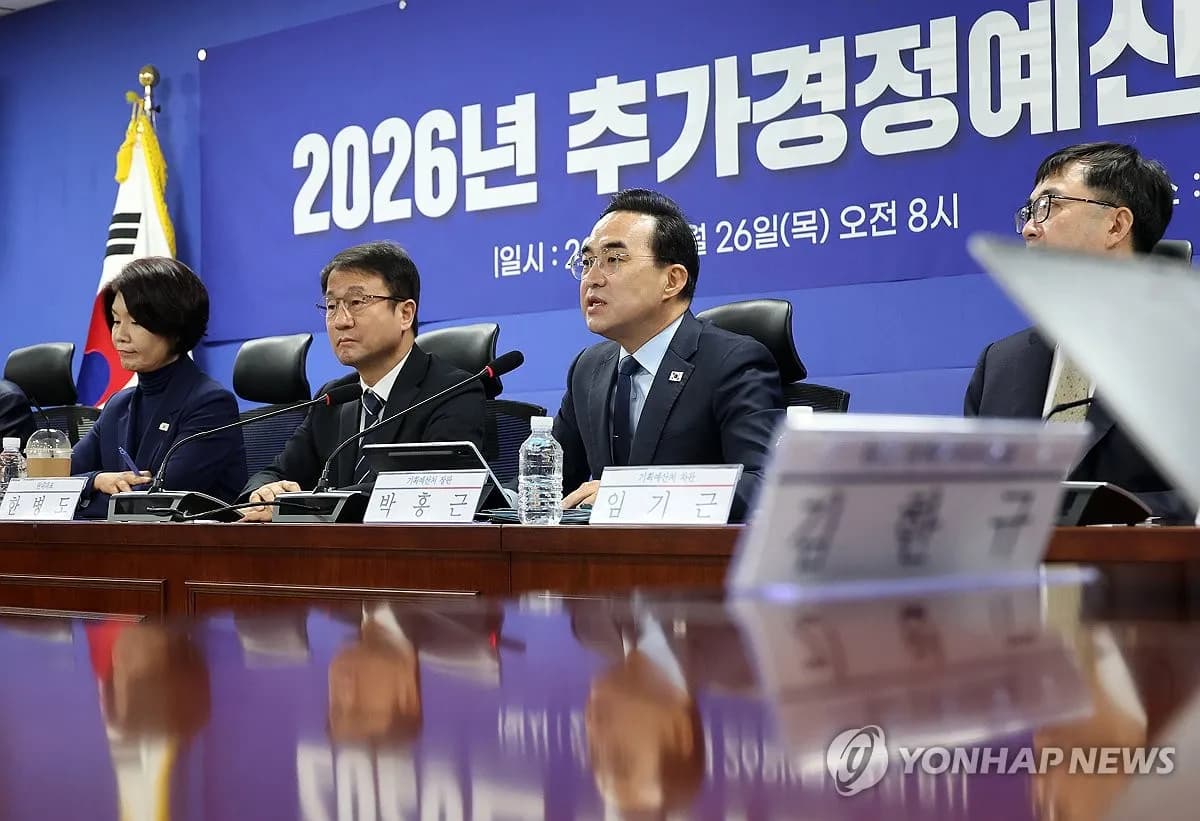
당정 "추경, 지방·취약계층에 더 지원되는 방식으로"
당정이 지방자치단체와 취약계층 중심의 추경 편성 방침 재확인
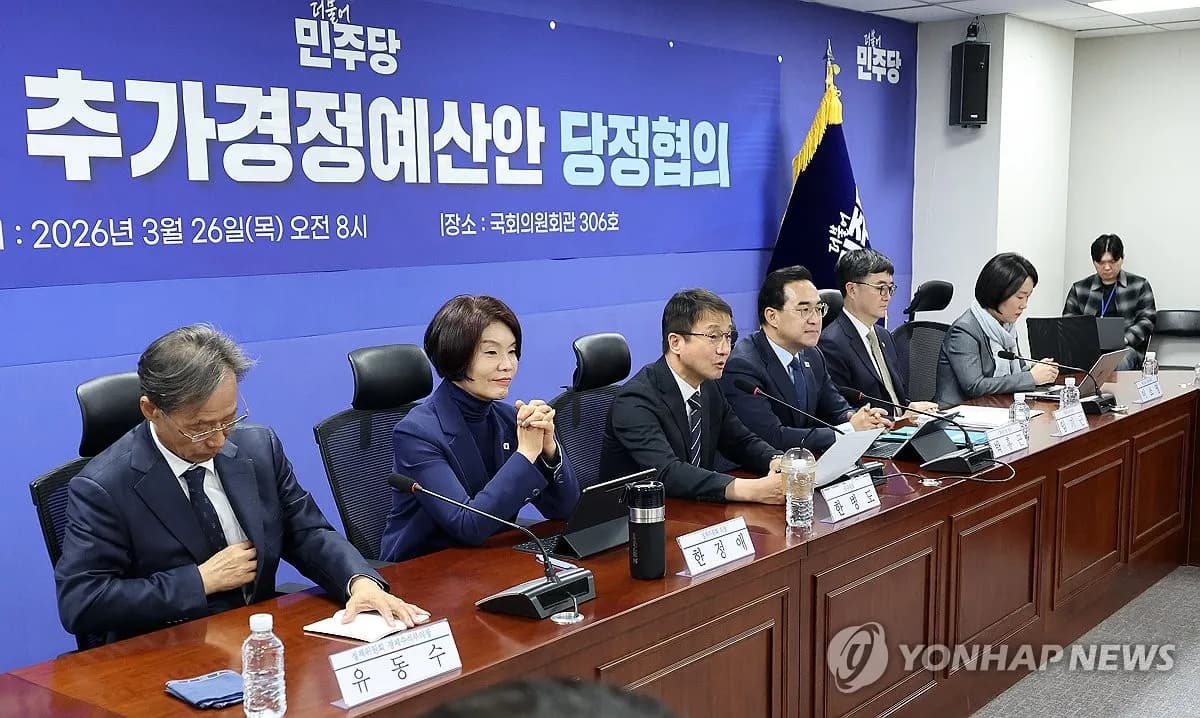
당정, 석유 최고가격제 손실 보전을 추경에 반영키로
당정이 석유 최고가격제 손실을 추경에 반영하기로 결정
어머니 폭행하고 금팔찌 빼앗은 30대 아들 경찰에 붙잡혀
어머니 폭행 후 금팔찌 빼앗은 30대 남성 체포
아이티 갱단 폭력사태로 10개월간 5천명 이상 사망
아이티에서 지난 10개월간 갱단 폭력으로 5천명 이상 사망
서방 정보당국 "러시아, 우크라이나 전쟁 후 이란에 드론·식량 공급"
서방 정보당국, 러시아의 이란 드론·식량 공급 작업 거의 완료 파악

6년 전 세 살 딸 살해한 30대 친모 구속송치
경찰, 6년 전 세 살 딸 살해 혐의 30대 친모를 구속송치