How Merck Keeps Keytruda Prices Sky-High
From patent walls to insurance denials, the structural barriers blocking cancer patients from life-saving treatment
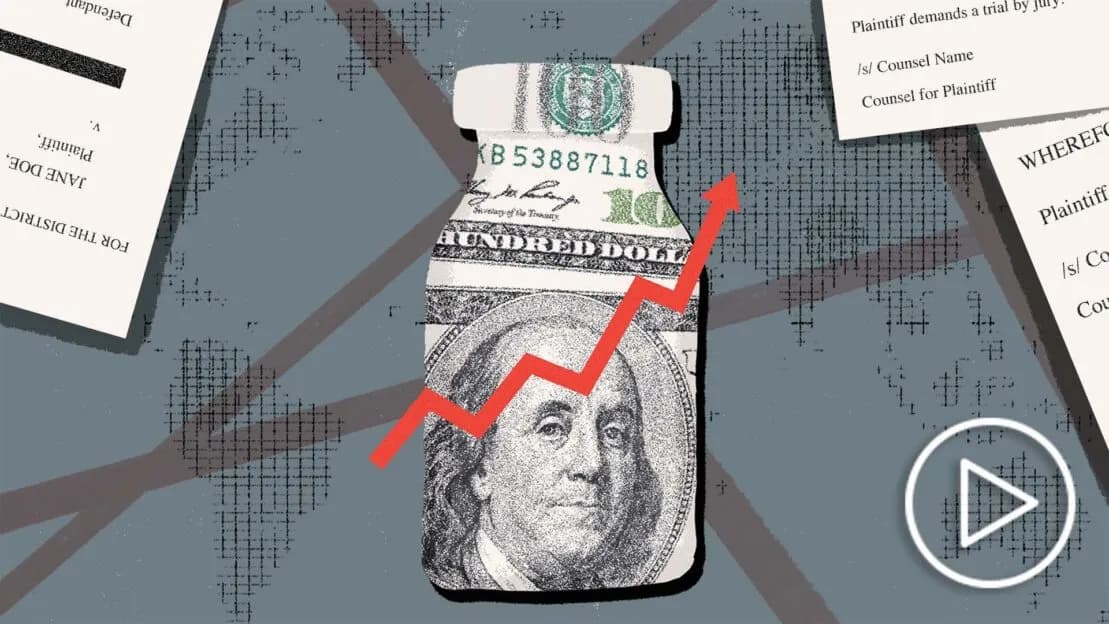
- •ICIJ investigation reveals Merck uses patent strategy to maintain Keytruda monopoly.
- •Cancer patients are forced into legal battles as high prices combine with insurance denials.
- •Spread of counterfeit Keytruda shows drug pricing crisis has become a healthcare emergency.
A Wonder Drug Out of Reach
Keytruda, the world's best-selling cancer drug developed by U.S. pharmaceutical giant Merck, has been hailed as a lifeline for hundreds of thousands of cancer patients globally. The immunotherapy drug has demonstrated remarkable efficacy across multiple cancer types, including lung and skin cancer. Yet according to an investigation by the International Consortium of Investigative Journalists (ICIJ) titled 'Cancer Calculus,' this miracle drug remains inaccessible to a vast number of patients worldwide — blocked not by science, but by price.
Why It Matters
The Keytruda story is not simply about one expensive drug. It exposes a core contradiction in the modern pharmaceutical industry: drugs developed with public research funding and government subsidies end up under private patent monopolies, leaving the very patients who need them unable to access treatment. The ICIJ investigation, conducted in collaboration with journalists across multiple countries, details the specific strategies Merck has used to sustain Keytruda's astronomical pricing — strategies with consequences ranging from family financial ruin to the rise of counterfeit drug markets.
The Patent Wall: Keeping Competitors Out
At the heart of Merck's pricing power is its patent strategy. According to the ICIJ investigation, Merck has filed dozens of patents related to Keytruda to delay biosimilar competition by years. Known as 'evergreening,' this approach involves repeatedly filing patents not on the core drug molecule itself, but on formulations, delivery methods, and combinations of indications — effectively extending the monopoly period artificially.
ICIJ's interactive analysis visualizes how densely constructed Keytruda's patent portfolio is. As long as competitor drugs cannot enter the market, pricing remains entirely at Merck's discretion.
Insurance Denials and Courtroom Battles
Price is not the only barrier. Even patients with insurance coverage are being denied Keytruda treatment. According to ICIJ, insurers have refused or delayed physician-prescribed Keytruda doses citing cost reduction or administrative grounds. Patient testimonies describe being denied 'the medication that is keeping you alive.'
Some patients and families have filed lawsuits against insurers. Fighting in court while fighting cancer represents a profound failure of the healthcare system.
Counterfeit Drugs: Desperation's Shadow
Another tragedy born from high drug prices is the spread of counterfeit Keytruda. Cases have emerged of patients who cannot access the genuine drug turning to illegal distribution channels, only to receive counterfeits. Beyond being ineffective, fake cancer treatments can actively worsen a patient's condition — evidence that pricing barriers translate directly into life-threatening consequences.
Historical Context: The Immunotherapy Revolution and the Price Paradox
Keytruda first received FDA approval in 2014, pioneering a new cancer treatment paradigm known as immune checkpoint inhibition. It has since rapidly expanded its approved indications, becoming Merck's core revenue driver. Annual sales reportedly surpassed $25 billion in 2023, making it the world's top-selling drug.
Yet experts have long noted that foundational research at public institutions like the U.S. National Institutes of Health (NIH) played a critical role in Keytruda's development. The structural criticism — that taxpayer-funded research flows into private monopoly profits — has persisted for years without meaningful institutional reform.
The U.S. Inflation Reduction Act (IRA) of 2022 expanded government authority to negotiate drug prices, offering some improvement. However, analysts assess the practical impact on high-cost drugs like Keytruda as limited.
Outlook [Expert Analysis]
The ICIJ investigation is likely to reignite global debates on pharmaceutical access. The WHO and various governments have discussed international standards for essential medicine pricing, but pharmaceutical industry lobbying and intellectual property protections have repeatedly stalled progress.
Experts suggest that once Keytruda biosimilars enter the market — potentially within the next several years — some price competition may emerge. However, the timeline and impact will depend heavily on how effectively Merck's patent portfolio can continue to delay market entry.
For countries including South Korea, the persistent gap in information and negotiating power between national health insurance systems and multinational pharmaceutical companies remains a chronic vulnerability. Analysts suggest this ICIJ investigation could strengthen calls in legislatures and regulatory agencies worldwide for greater drug pricing transparency.
Ultimately, the issue touches on a fundamental philosophical debate: should medicines be treated as public goods or market commodities? With the lives of hundreds of thousands of cancer patients at stake, the answer will depend on how each society chooses to redefine the relationship between healthcare and capital.
댓글 (41)
잘 읽었습니다. How에 대한 다른 매체 보도와 비교해봐도 잘 정리되어 있습니다. 좋은 기사 감사합니다.
읽기 좋은 기사입니다. Merck에 대해 주변 사람들과 이야기 나눠볼 만합니다. 해외 동향도 함께 다뤄주시면 좋겠습니다.
읽기 좋은 기사입니다. Keeps에 대해 주변 사람들과 이야기 나눠볼 만합니다. 후속 기사 부탁드립니다.
몰랐던 사실을 알게 됐습니다. 키트루다 관련 통계가 의외였습니다.
머크 주제로 시리즈 기사가 나오면 좋겠습니다. 후속 기사 부탁드립니다.
How 주제로 시리즈 기사가 나오면 좋겠습니다.
이런 시각도 있었군요. Merck에 대해 더 알고 싶어졌습니다. 잘 정리된 기사네요.
좋은 정리입니다. Keeps의 전문가 코멘트가 설득력 있었습니다.
이런 시각도 있었군요. 키트루다에 대해 더 알고 싶어졌습니다.
머크 관련 통계가 의외였습니다.
How에 대해 처음 접하는 정보가 있었습니다.
이런 시각도 있었군요. Merck에 대한 다른 매체 보도와 비교해봐도 잘 정리되어 있습니다.
아침에 읽기 딱 좋은 분량이에요.
잘 읽었습니다. 키트루다 주제로 시리즈 기사가 나오면 좋겠습니다.
깔끔한 기사입니다. 머크이 앞으로 어떻게 전개될지 주목해야겠습니다. 나중에 다시 읽어볼 만합니다.
How 관련 용어 설명이 친절해서 좋았습니다. 계속 지켜봐야겠습니다.
기자님 수고하셨습니다.
Keeps에 대한 다른 매체 보도와 비교해봐도 잘 정리되어 있습니다. 후속 기사 부탁드립니다.
키트루다이 일상에 어떤 영향을 줄지 생각해보게 됩니다. 해외 동향도 함께 다뤄주시면 좋겠습니다.
읽기 좋은 기사입니다. 머크 관련 용어 설명이 친절해서 좋았습니다. 잘 정리된 기사네요.
How에 대한 다른 매체 보도와 비교해봐도 잘 정리되어 있습니다. 나중에 다시 읽어볼 만합니다.
Merck 관련 배경 설명이 이해하기 쉬웠습니다.
객관적인 시각이 돋보이는 기사입니다.
키트루다 기사에서 언급된 사례가 흥미로웠습니다.
정리가 깔끔하네요.
흥미로운 주제입니다. How에 대해 더 알고 싶어졌습니다. 생각이 바뀌었습니다.
Merck의 전문가 코멘트가 설득력 있었습니다.
핵심만 잘 정리해주시네요.
이런 시각도 있었군요. 키트루다 관련 통계가 의외였습니다.
머크에 대해 더 알고 싶어졌습니다. 생각이 바뀌었습니다.
How의 전문가 코멘트가 설득력 있었습니다. 좋은 기사 감사합니다.
Merck이 일상에 어떤 영향을 줄지 생각해보게 됩니다.
Keeps에 대해 주변 사람들과 이야기 나눠볼 만합니다.
키트루다 관련 해외 동향도 궁금합니다. 나중에 다시 읽어볼 만합니다.
깔끔한 기사입니다. 머크에 대해 주변 사람들과 이야기 나눠볼 만합니다. 후속 기사 부탁드립니다.
How에 대해 처음 접하는 정보가 있었습니다. 생각이 바뀌었습니다.
좋은 기사 감사합니다.
몰랐던 사실을 알게 됐습니다. Keeps 관련 용어 설명이 친절해서 좋았습니다.
좋은 정리입니다. 키트루다 관련 통계가 의외였습니다.
머크의 향후 전망이 궁금합니다. 나중에 다시 읽어볼 만합니다.
How이 앞으로 어떻게 전개될지 주목해야겠습니다. 생각이 바뀌었습니다.
More in Special
ICIJ Exposes Merck's Keytruda Pricing Strategy and Patent Abuse
JWST, 성간 혜성 3I/ATLAS에서 메테인 최초 검출…외계 행성계 단서 포착

UN Press Article Failed to Load — No Content Available
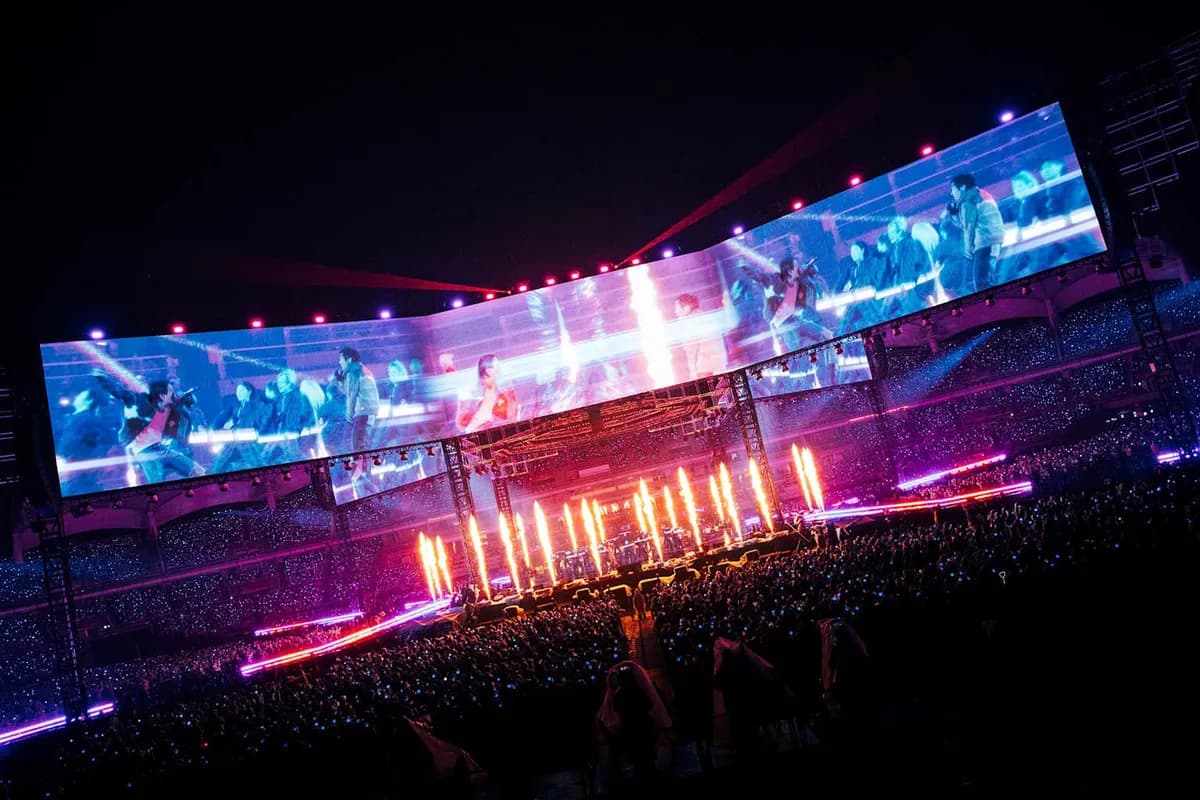
K-pop's Big 4 Pursue 'Fanomenon' Joint Venture...Dream of Global Festival Surpassing Coachella
At the Edge of Light: NASA Pushes the Boundaries of Cosmic Observation

Largest 3D Dark Energy Map in History Completed by DESI
Latest News

Israel-Lebanon 10-Day Ceasefire Takes Effect; UN Hopes It Opens Path to Talks
A 10-day Israel-Lebanon ceasefire took effect at midnight on April 17.

애플 맥북 네오 4월 물량 완판...신규 주문 5월로 밀려
애플 맥북 네오 4월 재고 완판, 신규 주문은 5월 배송으로 안내 중.
IMF Resumes Relations with Venezuela After 7 Years...Hopes for $4.9 Billion Frozen SDR Release
The IMF has resumed official relations with Venezuela after 7 years of suspension since 2019.
America's Political Cartoonists Capture the Week in Washington
Political cartoonists across the U.S. document the era through weekly satire.
IMF Resumes Relations with Venezuela After 7 Years...Possibility of Unfreezing $4.9 Billion
The IMF decided to resume official cooperation with Venezuela after seven years.

When the Jungle Swallowed Concrete: The Paradox of London's Barbican Conservatory
Photographer Altrath captures the spatial paradox of London's Barbican Conservatory in a new series.
Record-High Current Account Surplus, Yet Why is the Won Weakening?
Bank of Korea officially analyzes structural causes of continued won depreciation despite current account surplus.
Financial Authorities Issue Early Marketing Warning to Mirae Asset Over SpaceX IPO
Financial authorities issued a verbal warning to Mirae Asset Securities regarding early marketing of SpaceX IPO.