Italy's Referendum Controversy: Judicial Reform Embroiled in Mafia Allegations
Writer Saviano's claim that votes for judicial separation amount to 'external mafia collusion' sparks fierce backlash from Forza Italia
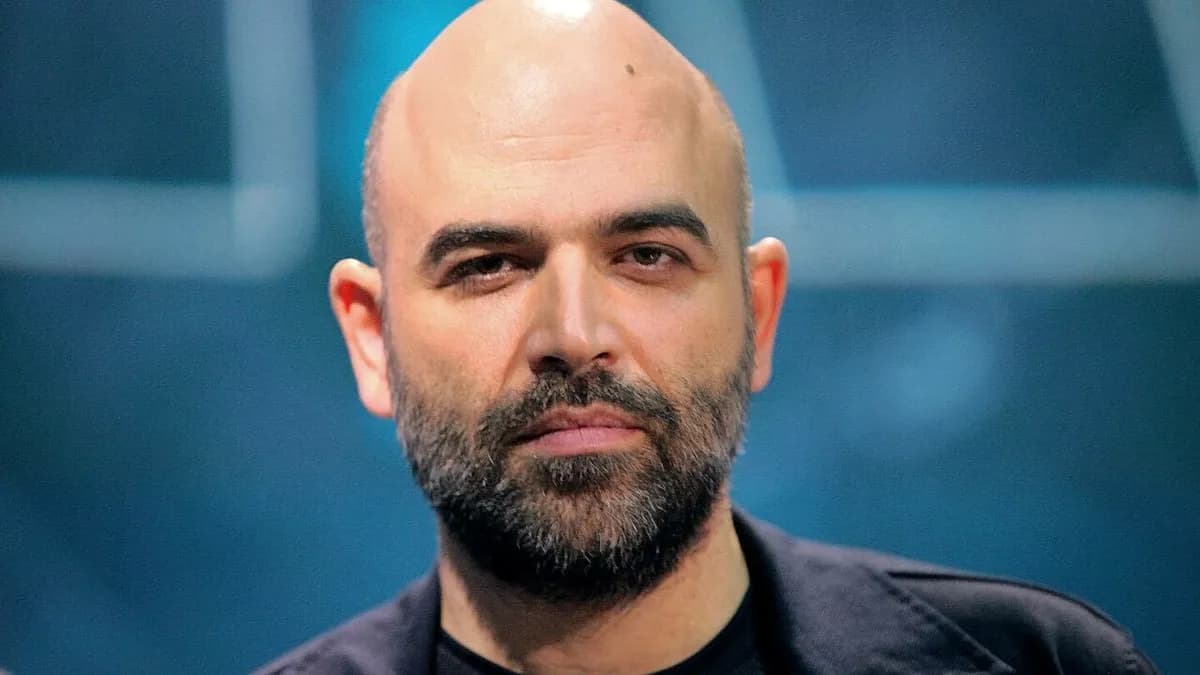
- •Ahead of Italy's judicial reform referendum, writer Saviano's comparison of 'yes' votes to mafia collusion has sparked extreme political confrontation.
- •The reform's core is prosecutor-judge separation for judicial neutrality, but opposition raises concerns about undermining judicial independence.
- •The March vote results are expected to reshape Italy's political landscape and influence European judicial systems broadly.
Judicial Reform Referendum Intensifies Amid Mafia Controversy
Italy's political establishment is locked in extreme confrontation over a judicial reform referendum scheduled for March 22-23. The controversy escalated when writer Roberto Saviano compared votes in favor of separating the judiciary to 'suspicions of external mafia collusion.'
Giorgio Mulè, Vice President of the Chamber of Deputies from Forza Italia, strongly criticized Saviano, stating: "Saviano has notified voters casting 'yes' votes of suspicions of external mafia collusion." He systematically refuted opposition claims that "this vote will bring a transition to an authoritarian regime, signify continuity with Bologna terrorists, and result in receiving honorary membership in the secret P2 lodge."
Core Issues of Judicial Reform
The heart of this referendum is the separation of prosecutors and judges. Currently, Italy's system allows prosecutors and judges to build careers and transfer within the same judicial framework. The reform proposal aims to completely separate these two roles to establish a neutral and impartial judiciary.
Vice President Mulè argued: "All this confusion ultimately stems from fear of truly having neutral and impartial judges in Italy and ending the dominance of factions within the judiciary."
Conversely, opposition parties and some civil society groups worry that this reform could undermine judicial independence and strengthen political influence. Left-leaning intellectuals emphasize the historical role of Italy's judiciary in checking political corruption and organized crime, warning that the reform could actually weaken these oversight functions.
Historical Context of Italian Judicial Reform
Italy successfully undertook massive political corruption purges in the 1990s through the 'Clean Hands (Mani Pulite)' operation. Prosecutors' strong investigative powers at that time shook the entire political establishment, building public trust in judicial independence and authority.
However, problems of factionalism and politicization within the judiciary have also been continuously raised. Right-wing parties have criticized how prosecutors and judges moving within the same organization form networks with specific political leanings.
Since the 2010s, right-wing politicians including former Prime Minister Berlusconi have continuously pushed for judicial reform, but these efforts were repeatedly thwarted by strong resistance from opposition parties and the judiciary. This referendum represents a critical political test that the current right-wing coalition led by Prime Minister Meloni views as its last opportunity to achieve judicial reform.
Political Tensions Amid Economic Indicators
Meanwhile, Italy's National Institute of Statistics (ISTAT) announced that GDP for Q4 2025 increased 0.3% quarter-over-quarter and 0.8% year-over-year. Annual growth for 2025 recorded 0.7%, with 2026 growth projections at 0.3%.
While agriculture, forestry, fisheries, and manufacturing sectors drove growth, the net export sector recorded negative figures. As Italy's economy faces uncertainty amid Europe's overall economic slowdown, this economic backdrop is intensifying political tensions in conjunction with the judicial reform controversy.
Culture Minister Alessandro Giuli emphasized at a soft power conference: "We see Italy as a cultural powerhouse, but it remains underdeveloped," adding that "the higher the cultural coefficient, the lower the likelihood of resorting to weapons." He stressed the importance of cultural integration even amid political conflict, conveying the message that defending culture means safeguarding peace.
Future Outlook [AI Analysis]
The March referendum results are likely to fundamentally reshape Italy's political landscape. If the 'yes' vote prevails, the debate over judicial political neutrality will enter a new phase, while a strong 'no' vote would significantly weaken the Meloni government's reform momentum.
Other European countries are also closely watching Italy's judicial reform experiment. Particularly as similar judicial structure reform discussions are underway in Latin countries like France and Spain, Italy's choice could impact European judicial systems broadly.
However, critics point out that both camps, like writer Saviano's extreme rhetoric, are employing excessive language that obstructs voters' rational judgment. With approximately two months until the vote, if emotional confrontation continues rather than substantive policy debate, Italy's democratic maturity will be put to the test.
댓글 (3)
이 사안은 신중하게 접근해야 한다고 봅니다.
Referendum 문제는 양쪽 입장을 모두 들어봐야 할 것 같습니다.
차분한 논의가 필요하다는 말에 공감합니다.
More in Special

How to avoid ICE agents checking your phone at the airport
주일 중국대사관 침입한 괴한, 자위대 현직 장교로 확인

New York City public hospital breaks up with Palantir... Ending controversy over commercialization of citizen health data

U.S. expands military operations in Latin America... ‘Operation total annihilation’ formalized
The Corsican Mafia Exposed: Breaking a Century of Silence

AI-Generated Fake Person Used to Sell Dubai Flight Seats
Latest News
"간부 잘 아는데 교통비 좀" 휴가 군인들 돈 뜯은 50대 구속
50대 A씨가 휴가 중인 군인들에게 부대 간부를 아는 척 접근해 돈을 사취

英 옥토퍼스, 이란 전쟁 이후 태양광 판매 50% 증가
이란 전쟁 이후 영국 옥토퍼스의 태양광 판매량 50% 증가
당정 "추경, 지방·취약계층에 더 지원되는 방식으로"
당정이 지방자치단체와 취약계층 중심의 추경 편성 방침 재확인
당정, 석유 최고가격제 손실 보전을 추경에 반영키로
당정이 석유 최고가격제 손실을 추경에 반영하기로 결정
어머니 폭행하고 금팔찌 빼앗은 30대 아들 경찰에 붙잡혀
어머니 폭행 후 금팔찌 빼앗은 30대 남성 체포
아이티 갱단 폭력사태로 10개월간 5천명 이상 사망
아이티에서 지난 10개월간 갱단 폭력으로 5천명 이상 사망
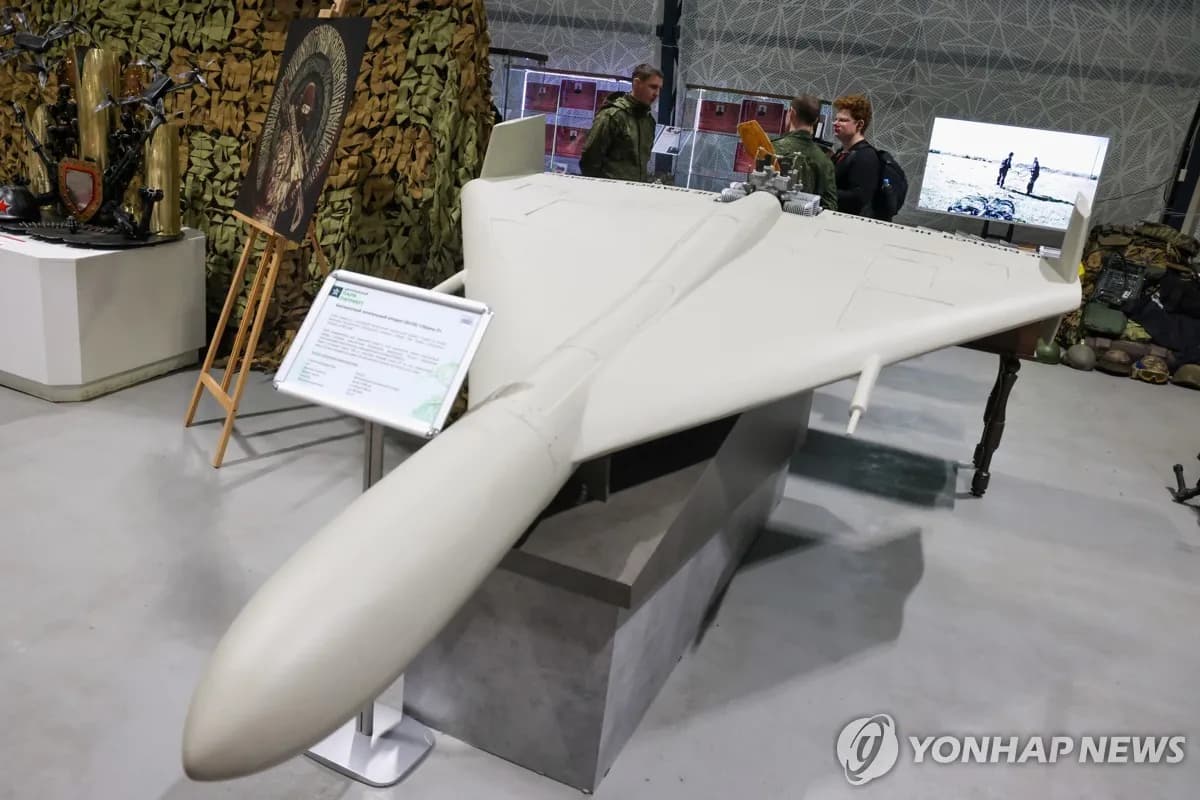
서방 정보당국 "러시아, 우크라이나 전쟁 후 이란에 드론·식량 공급"
서방 정보당국, 러시아의 이란 드론·식량 공급 작업 거의 완료 파악

6년 전 세 살 딸 살해한 30대 친모 구속송치
경찰, 6년 전 세 살 딸 살해 혐의 30대 친모를 구속송치