Japanese Private Spacecraft to Inspect Two Dead Satellites in Different Orbits by 2027
Astroscale unveils ISSA-J1, billed as the world's first multi-orbit defunct satellite inspection mission
- •Astroscale unveiled ISSA-J1, a 2027 mission to inspect two defunct satellites.
- •It will be the world's first single mission to inspect satellites in different orbits.
- •The mission is backed by Japan's MEXT to advance in-orbit servicing technology.
A Spacecraft That Goes to Find Retired Satellites
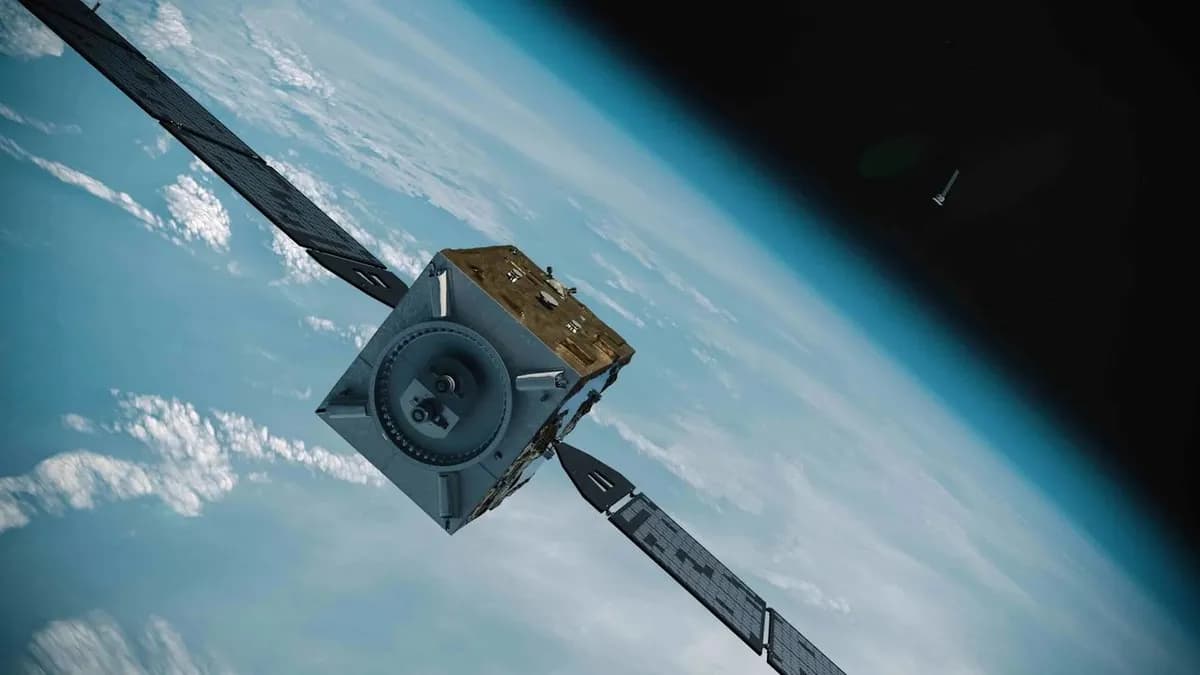
Japanese space-sustainability company Astroscale has unveiled plans for a 2027 mission that would be the world's first to inspect multiple defunct satellites in different orbits within a single flight. Named In-situ Space Situational Awareness-Japan 1 (ISSA-J1), the mission will conduct close-up inspections of two retired Japanese satellites using a single spacecraft.
Weighing approximately 650 kg, ISSA-J1 will be equipped with multiple thrusters and precision imaging systems to perform rendezvous and proximity operations, gather detailed visual data on target satellites, and help determine the causes of their failures.
Why This Mission Matters
Assessing the condition of defunct satellites from the ground has significant limitations. "On-orbit inspection provides critical insight into the condition of satellites that cannot be obtained from the ground," said Nobu Okada, managing director of Astroscale Japan. "By inspecting multiple objects in different orbits in a single mission, ISSA-J1 will help demonstrate new capabilities that support satellite operators in understanding spacecraft condition and preparing for future servicing."
Beyond inspection, this technology lays the groundwork for a broader in-orbit servicing industry—including repairs, refueling, and controlled deorbiting. With thousands of inactive satellites and debris fragments currently orbiting Earth, the ability to systematically assess and manage them has become a critical challenge for space traffic safety.
The Two Target Satellites
ISSA-J1's first target is the Advanced Land Observing Satellite (ALOS), launched in 2006. Bus-sized and weighing approximately 4,000 kg, it lost power in 2011 but remains in a near-polar orbit at an average altitude of 691 km.
The second target is the Advanced Earth Observing Satellite-II (ADEOS-II), launched in 2002. Slightly lighter at around 3,700 kg, it orbits at a higher altitude of approximately 806 km. Its mission ended in less than a year due to a solar panel failure.
ISSA-J1 will begin observations of ALOS from a distance before gradually closing in, then transition to a new orbit to repeat the process with ADEOS-II—demonstrating a repeatable cycle of approach, inspection, departure, and orbital transition.
Building on ADRAS-J's Success
ISSA-J1 builds on the success of Astroscale's earlier Active Debris Removal by Astroscale-Japan (ADRAS-J) mission, which captured detailed close-up footage of a spent rocket stage in orbit. The new mission was selected by Japan's Ministry of Education, Culture, Sports, Science and Technology under its Small and Business Innovation Research program, as part of efforts to advance Japan's space situational awareness and in-orbit servicing capabilities.
댓글 (14)
Japanese 관련 해외 동향도 궁금합니다.
기사 퀄리티가 좋습니다.
Spacecraft이 일상에 어떤 영향을 줄지 생각해보게 됩니다.
아스트로스케일에 대해 더 알고 싶어졌습니다.
우주파편 관련 통계가 의외였습니다.
기사 잘 읽었습니다.
참고가 됩니다. Private이 앞으로 어떻게 전개될지 주목해야겠습니다.
잘 읽었습니다. Spacecraft의 전문가 코멘트가 설득력 있었습니다.
정리가 깔끔하네요.
몰랐던 사실을 알게 됐습니다. 우주파편이 앞으로 어떻게 전개될지 주목해야겠습니다. 나중에 다시 읽어볼 만합니다.
읽기 좋은 기사입니다. Japanese의 전문가 코멘트가 설득력 있었습니다. 계속 지켜봐야겠습니다.
좋은 정보 감사합니다.
북마크해두겠습니다. Spacecraft 관련 배경 설명이 이해하기 쉬웠습니다. 다른 시각의 분석도 읽어보고 싶습니다.
아스트로스케일 주제로 시리즈 기사가 나오면 좋겠습니다. 전문가 의견도 더 듣고 싶습니다.
More in Global


Latest News
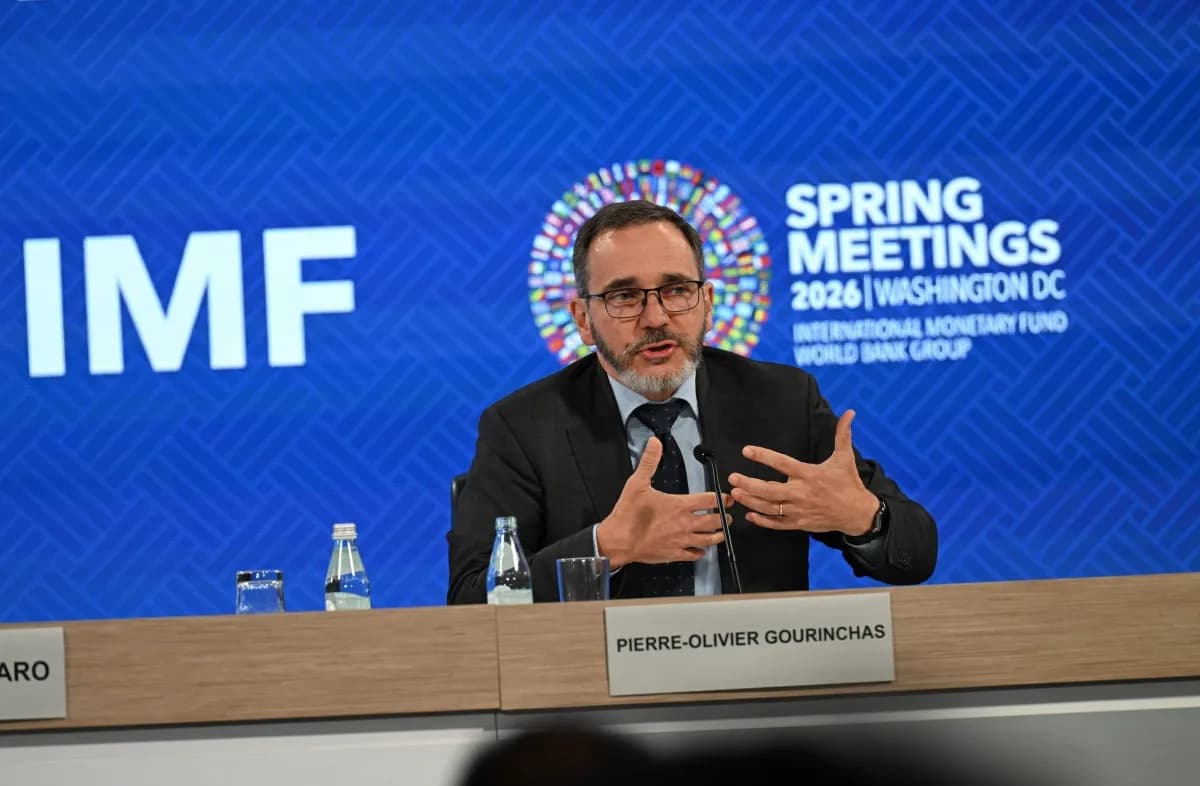
IMF, 7년 만에 베네수엘라와 관계 재개…49억 달러 동결 해제 가능성
IMF가 7년 만에 베네수엘라와 공식 협력을 재개하기로 결정했다.
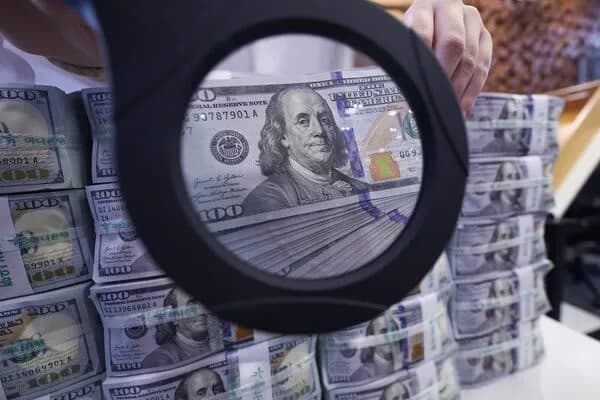
경상흑자 역대 최대인데 원화는 왜 약해지나
한국은행, 경상흑자에도 원화 약세 이어지는 구조적 원인 공식 분석.
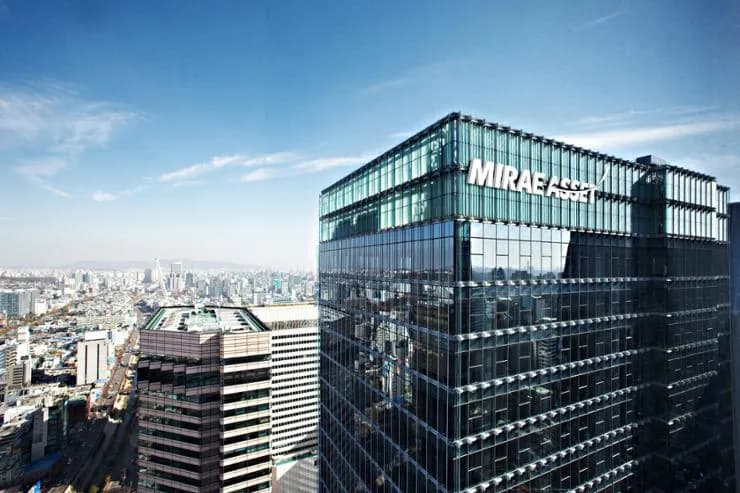
금융당국, 미래에셋에 SpaceX IPO 조기 마케팅 경고
금융당국이 미래에셋증권의 SpaceX IPO 조기 마케팅에 구두 경고를 내렸다.

96년 전통 깬다…월드컵 결승전, 사상 첫 하프타임 쇼
FIFA가 96년 만에 처음으로 월드컵 결승전 하프타임 쇼를 도입한다.

이란 전쟁 속 걸프 3국, 사모채권으로 100억 달러 조달
걸프 3국이 이란 전쟁 이후 처음으로 사모채권 발행에 나서 약 100억 달러를 조달했다.
OpenAI, 생명과학 전용 추론 AI 'GPT-Rosalind' 출시… 신약 개발 패러다임 흔든다
OpenAI가 유전체학·신약 개발 특화 추론 AI 'GPT-Rosalind'를 출시하며 생명과학 분야에 첫 발을 내딛었다.

EU, Anthropic의 Claude Mythos AI 사이버 위협 놓고 직접 협의 개시
EU 집행위원회가 Claude Mythos Preview의 사이버 위협을 이유로 Anthropic과 직접 협의를 시작했다.