NASA selects 24 people for 2026 Astrophysics Postdoctoral Fellowships
More than 650 people applied, recording a competition rate of 27 to 1, becoming the next generation of scientists who will research fundamental questions about the universe.

- •NASA Hubble Fellowship Program selects 24 fellows for 2026, beating 27 to 1 competition
- •Fellows study fundamental questions about the universe, including black holes, dark matter, and galaxy evolution
- •Independent research will be conducted at a major U.S. research institute for up to three years.
America's most prestigious astrophysics fellowship, 2026 recipients announced
The Hubble Fellowship Program (NHFP), operated by the National Aeronautics and Space Administration (NASA), has selected 24 new fellows for 2026. In this selection, which recorded a competition rate of 27 to 1 with more than 650 applicants, the selected researchers will conduct independent astrophysics research for up to three years at research institutions in the United States.
Fellows are divided into three subcategories based on their research topics. They are the Einstein Fellow, who explores 'how the universe works', the Hubble Fellow, who studies 'how did we get here', and the Sagan Fellow, who answers the question 'are we unique in the universe?'
From black holes to dark matter, exploring the fundamentals of the universe
The 10 Einstein Fellows in 2026 will conduct research to uncover the operating principles of the universe, including the growth process of supermassive black holes, dark matter physics, and black hole spectroscopy through gravitational waves. Princeton University's Hollis Akins will track the growth of the first supermassive black holes through an object called the 'little red dot', and MIT's Benjamin Lehmann will develop new tools in dark matter physics.
Eight Hubble Fellows study galaxy formation and stellar evolution. James Beatty of the Institute for Advanced Study identifies turbulence and magnetic fields between stars, and Vasily Kokolev of the University of Texas at Austin explores the faint galaxies that fueled the early universe.
Hayley Beltz of the University of Kansas has been selected as the Sagan Fellow and will conduct research related to the search for extraterrestrial life.
Expect to strengthen U.S. space science leadership
“These fellows will advance NASA’s exploration of fundamental questions about how the universe works, how it has evolved over time, and whether we are unique in the universe,” said Sean Domagal-Goldman, director of the Astrophysics Division at NASA Headquarters. “These scientists will increase the influence of American academic institutions and further strengthen America’s leadership in space-based astrophysics research,” he added.
Selected fellows will work at major research institutions across the United States, including Princeton, MIT, Harvard, Stanford, and Caltech.
댓글 (3)
NASA 관련 기사 잘 읽었습니다. 유익한 정보네요.
흥미로운 주제입니다. 주변에도 공유해야겠어요.
공감합니다. 참고하겠습니다.
More in AI & Tech

영국 정치지도자들, 아동 성착취 혐의에 대한 긴급 조사 촉구

A humanoid robot performing in China has a child's face on it.

U.S. jury finds Meta and Google responsible for ‘social media addiction’… 3.7 billion won compensation ruling

Japanese X-ray Observatory makes first direct measurement of ultrafast 'cosmic wind' in galaxy M82

Ethereum is at a crossroads to ‘redefine its identity’ ahead of the quantum computing and AI era
Ethereum Foundation launches a hub dedicated to responding to quantum computer threats... 10 or more teams involved
Latest News

"간부 잘 아는데 교통비 좀" 휴가 군인들 돈 뜯은 50대 구속
50대 A씨가 휴가 중인 군인들에게 부대 간부를 아는 척 접근해 돈을 사취
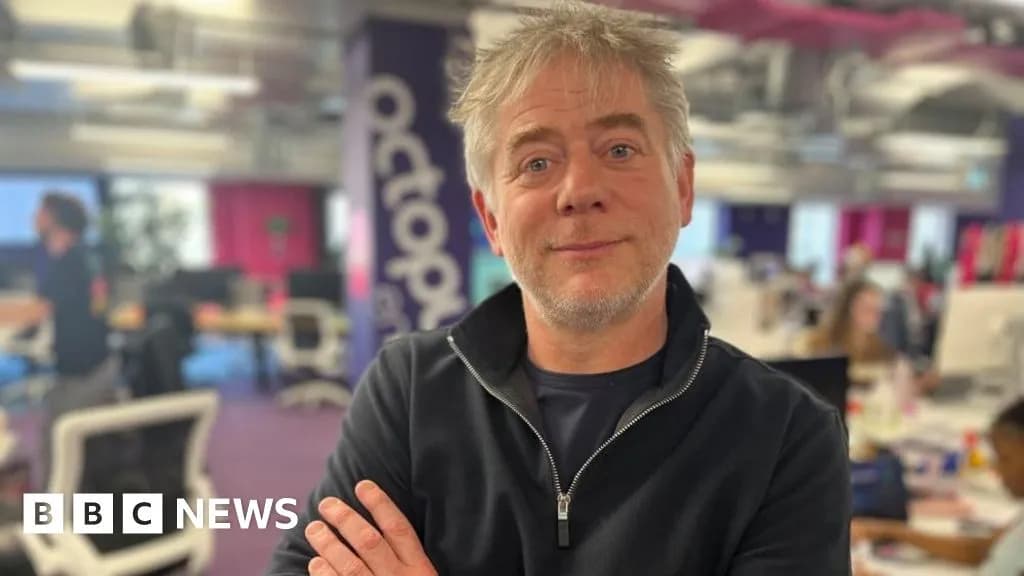
英 옥토퍼스, 이란 전쟁 이후 태양광 판매 50% 증가
이란 전쟁 이후 영국 옥토퍼스의 태양광 판매량 50% 증가

당정 "추경, 지방·취약계층에 더 지원되는 방식으로"
당정이 지방자치단체와 취약계층 중심의 추경 편성 방침 재확인

당정, 석유 최고가격제 손실 보전을 추경에 반영키로
당정이 석유 최고가격제 손실을 추경에 반영하기로 결정
어머니 폭행하고 금팔찌 빼앗은 30대 아들 경찰에 붙잡혀
어머니 폭행 후 금팔찌 빼앗은 30대 남성 체포

아이티 갱단 폭력사태로 10개월간 5천명 이상 사망
아이티에서 지난 10개월간 갱단 폭력으로 5천명 이상 사망
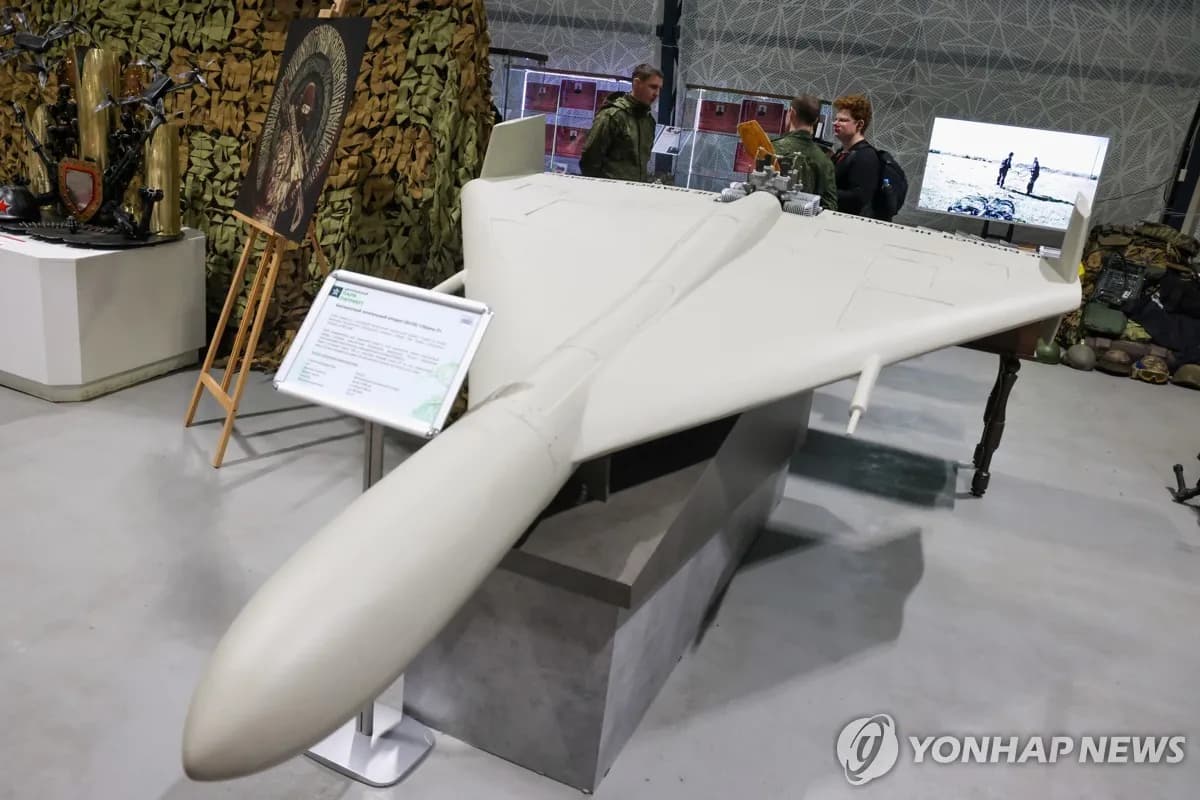
서방 정보당국 "러시아, 우크라이나 전쟁 후 이란에 드론·식량 공급"
서방 정보당국, 러시아의 이란 드론·식량 공급 작업 거의 완료 파악

6년 전 세 살 딸 살해한 30대 친모 구속송치
경찰, 6년 전 세 살 딸 살해 혐의 30대 친모를 구속송치