NASA X-59 Supersonic Experimental Aircraft Completes Second Test Flight Successfully
Key Milestone Achieved in Developing Next-Generation Supersonic Passenger Aircraft Without Sonic Boom
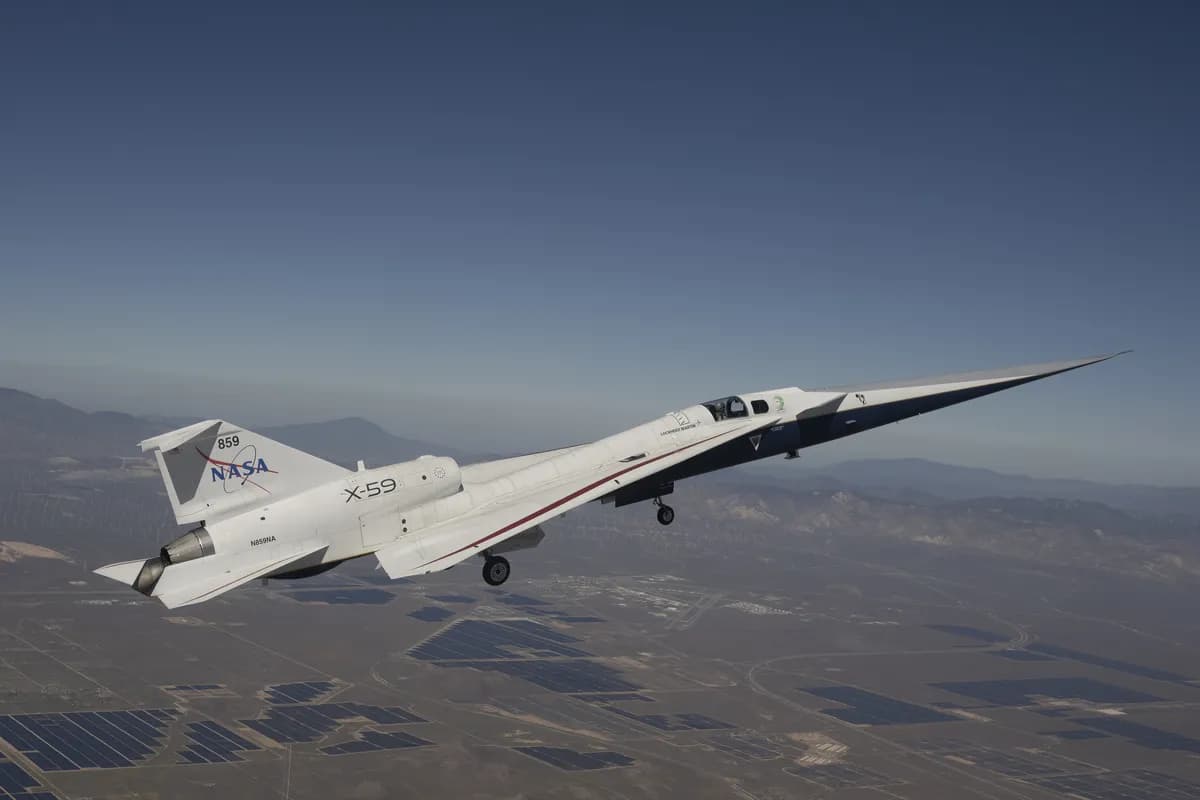
- •NASA's supersonic experimental aircraft X-59 successfully completed its second test flight, advancing the development of sonic boom-free supersonic flight technology
- •Solving the noise problem that led to the Concorde's failure in the 1970s through special design, with community response testing planned
- •If successful, long-haul international flight times could be cut in half, with expectations for a paradigm shift in the aviation industry
Opening the Era of Quiet Supersonic Flight
NASA's experimental supersonic aircraft X-59 has successfully completed its second test flight. This flight is considered an important milestone in the development of next-generation aviation technology that enables supersonic flight without sonic boom.
The core of the X-59 project is to transform the explosive sonic boom produced by conventional supersonic passenger aircraft into a gentle sound. Sonic boom is a shockwave that occurs when an aircraft breaks the speed of sound (approximately 1,235 km/h), and it sounds like thunder on the ground, which is why flight over civilian areas is prohibited.
Solving the Challenge of Supersonic Flight
The Concorde, which operated in the 1960s-70s, was technically successful but lost economic viability and was retired because sonic boom issues restricted flight over land. Despite being able to reach New York-London in 3 hours and 30 minutes, supersonic flight was only possible over the Atlantic Ocean.
NASA developed a specially designed airframe shape to solve this problem. The X-59 aims to reduce sonic boom to a low noise level of "sonic thump" by dispersing shockwaves through its long, pointed nose and unique wing configuration.
Significance of the Test Flight
This second flight is a preparatory stage ahead of full-scale supersonic flight testing, verifying the basic performance confirmed in the maiden flight. NASA plans to confirm the following through multiple future test flights:
- Actual measurement of designed noise reduction effects
- Stability at various altitudes and speeds
- Ground noise impact assessment
Once successful testing is completed, NASA plans to conduct community response testing to survey actual residents' noise reactions over several U.S. cities. This data will be used as a basis for the Federal Aviation Administration (FAA) to review regulations on supersonic civilian aircraft flight over land.
A New Turning Point for the Aviation Industry
If the X-59 project succeeds, long-haul flights like Seoul-New York, which take 6-7 hours, could be shortened to 3-4 hours. This has the potential to change not only time savings but also international business and tourism patterns.
Currently, several private aircraft manufacturers are participating in developing next-generation supersonic passenger aircraft, and NASA's research achievements are expected to become the technical foundation for these commercialization projects. However, challenges such as fuel efficiency, manufacturing costs, and environmental regulations still need to be overcome before commercialization.
댓글 (4)
관계자분들의 노력에 박수를 보냅니다.
이런 긍정적인 뉴스가 더 많았으면 좋겠습니다.
Supersonic 소식 반갑습니다. 앞으로가 더 기대됩니다.
저도 정말 기쁜 소식이라고 생각합니다!
More in Life

브라질 볼소나로 전 대통령, 건강 악화로 임시 가택연금 조치

The decline of university bars, the end of the ‘pour and drink’ era

NASA appoints Jennifer Lyons as new director of Launch Services Program

NASA Shared Services Center Releases Fiscal Year 2026 Service Catalog and Performance Report

James Webb Telescope captures Saturn's icy rings in infrared light

Japanese elementary school students' #1 future wish is to be a 'streamer'... surpassing doctors and teachers
Latest News
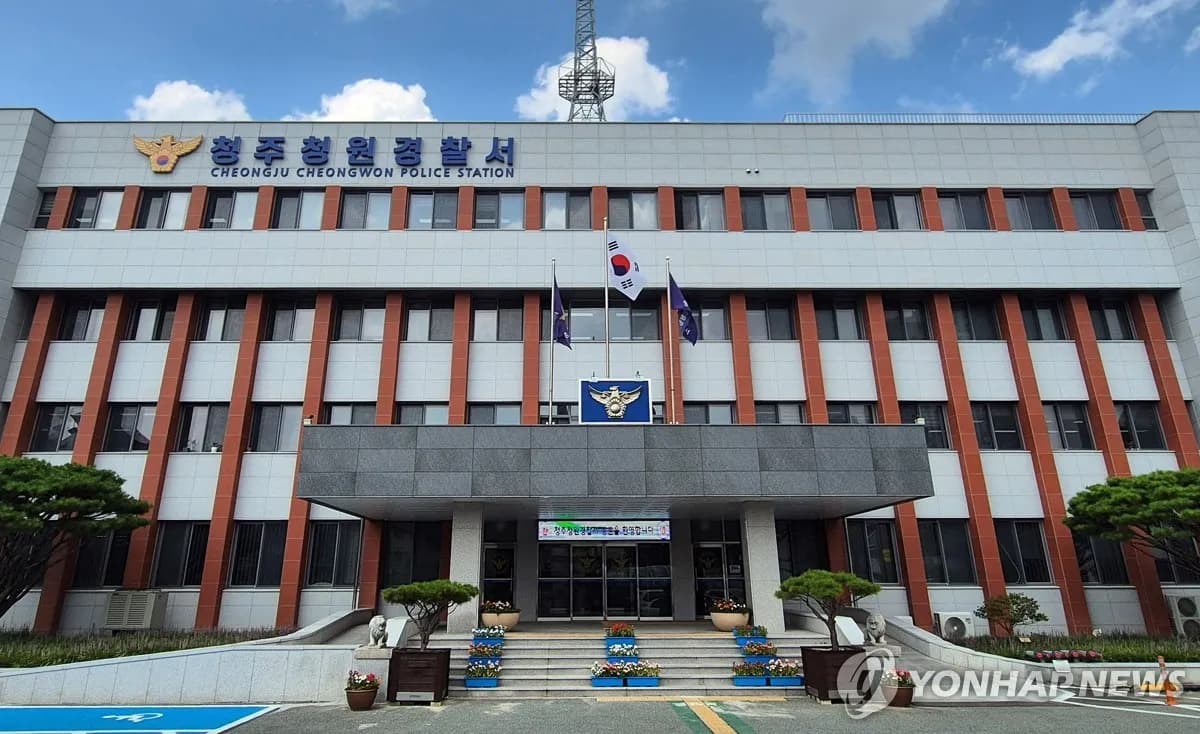
"간부 잘 아는데 교통비 좀" 휴가 군인들 돈 뜯은 50대 구속
50대 A씨가 휴가 중인 군인들에게 부대 간부를 아는 척 접근해 돈을 사취

英 옥토퍼스, 이란 전쟁 이후 태양광 판매 50% 증가
이란 전쟁 이후 영국 옥토퍼스의 태양광 판매량 50% 증가
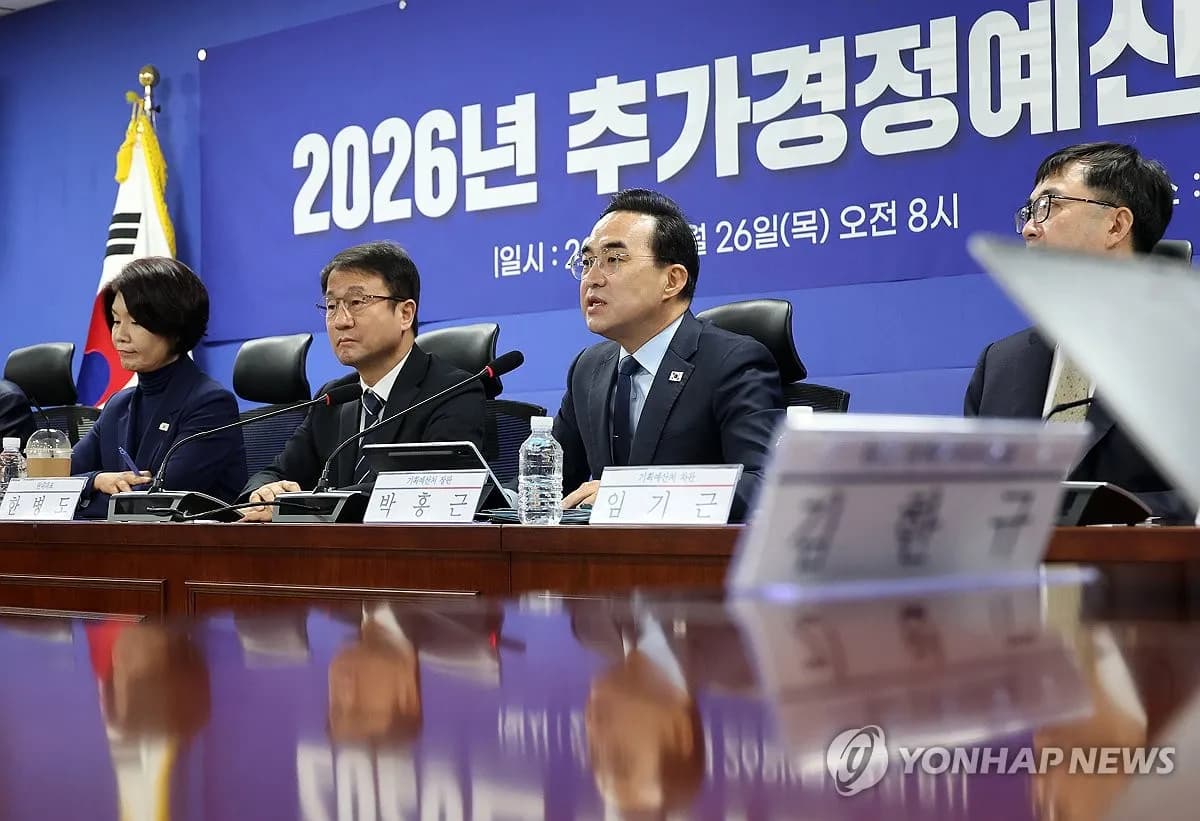
당정 "추경, 지방·취약계층에 더 지원되는 방식으로"
당정이 지방자치단체와 취약계층 중심의 추경 편성 방침 재확인

당정, 석유 최고가격제 손실 보전을 추경에 반영키로
당정이 석유 최고가격제 손실을 추경에 반영하기로 결정
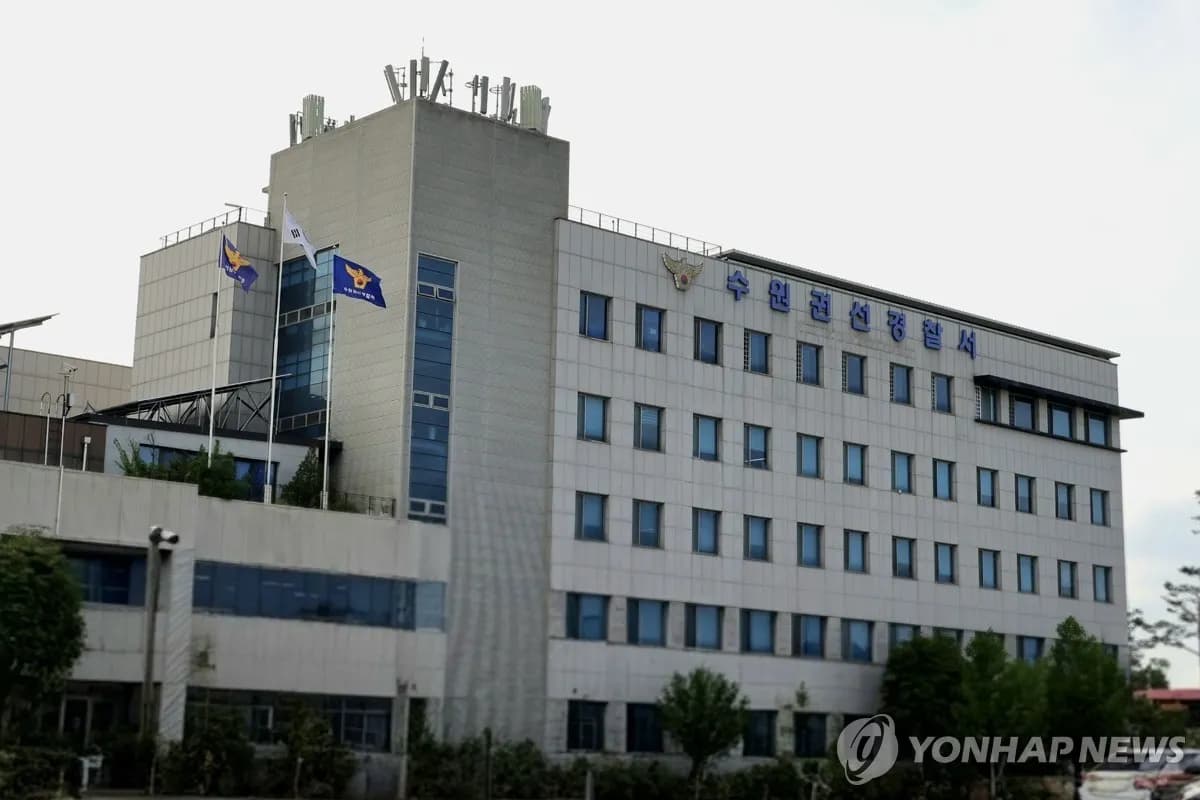
어머니 폭행하고 금팔찌 빼앗은 30대 아들 경찰에 붙잡혀
어머니 폭행 후 금팔찌 빼앗은 30대 남성 체포

아이티 갱단 폭력사태로 10개월간 5천명 이상 사망
아이티에서 지난 10개월간 갱단 폭력으로 5천명 이상 사망
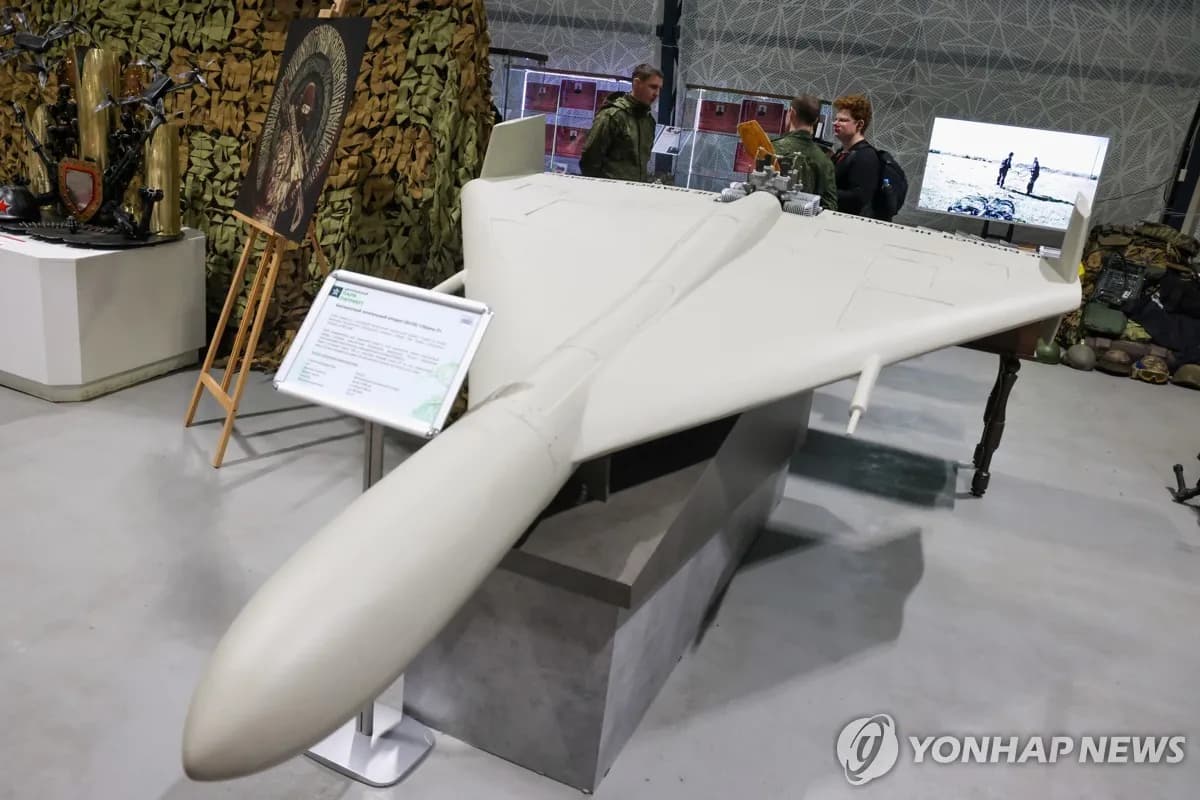
서방 정보당국 "러시아, 우크라이나 전쟁 후 이란에 드론·식량 공급"
서방 정보당국, 러시아의 이란 드론·식량 공급 작업 거의 완료 파악

6년 전 세 살 딸 살해한 30대 친모 구속송치
경찰, 6년 전 세 살 딸 살해 혐의 30대 친모를 구속송치