One month after Iran airstrikes, signs of rift within the Republican Party
Lawmakers from swing states support Trump's war but are troubled by the economic fallout
- •A month after the U.S. airstrikes on Iran, signs of rift are emerging among Republican lawmakers in swing states.
- •Although support for the war remains, concerns about the economic fallout are growing.
- •If prolonged, it is likely to have an impact on the midterm elections and the U.S. political landscape.
Gap between support for war and reality
A month after the United States launched its military operation against Iran, subtle signs of rift are being detected within the Republican Party. According to multiple foreign media, Republican lawmakers in battleground states generally publicly support President Donald Trump's Iran policy, but it is becoming increasingly difficult to ignore the economic and political fallout brought about by the war.
Why this is important
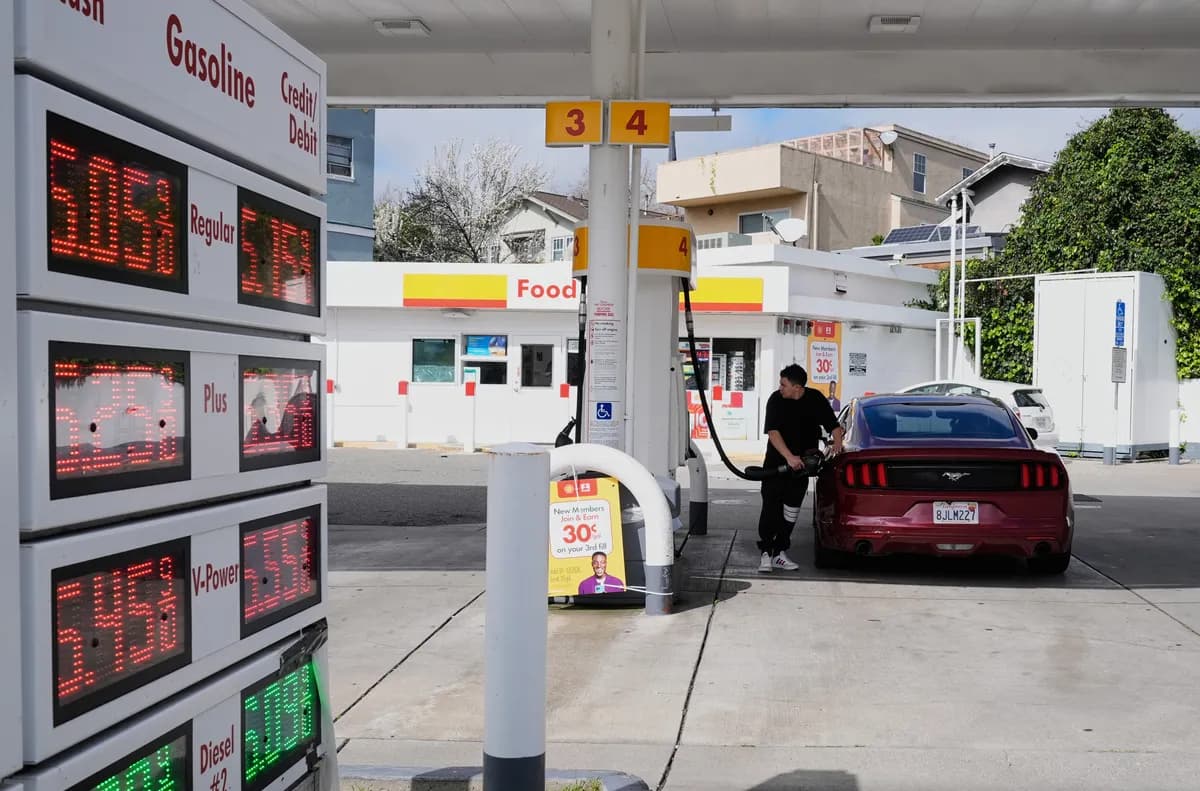
Competition states are key regions that will determine the direction of the 2026 midterm elections and future presidential elections. Changes in the attitudes of lawmakers in this region are not simply personal opinions, but serve as a barometer that reflects changes in the public opinion of voters. In particular, as concerns about the rise in oil prices, supply chain instability, and inflation caused by the war grow, there is an analysis that voters' dissatisfaction is accumulating between the justification of "war for security" and the reality of "pocket tightness."
Historical context of the Iranian conflict
The conflict between the United States and Iran dates back to the 1979 Iranian Revolution and the hostage crisis at the U.S. Embassy in Iran. Over the next several decades, the two countries avoided direct conflict but continued proxy wars, sanctions, and diplomatic confrontation. The Iran nuclear deal (JCPOA) signed during the Obama administration in 2015 was seen as a clue to normalizing relations, but tensions reignited when the first Trump administration unilaterally withdrew in 2018. Relations between the two countries have deteriorated following the assassination of Soleimani, commander of the Iranian Revolutionary Guard's Quds Force, in 2020 and subsequent mutual retaliatory attacks.
Impact on Korea
Political instability in the Middle East has a direct impact on the Korean economy. Korea relies on the Middle East for a significant portion of its crude oil imports, and the safety of energy transport routes through the Strait of Hormuz is classified as a national security issue. In addition, Korean companies' business in Iran has been restricted due to the U.S. policy toward Iran, and if this military conflict prolongs, the Korean government's diplomatic tightrope walk is expected to become more complicated.
Future outlook [AI analysis]
This turmoil within the Republican Party is not enough to immediately overturn President Trump's Iran policy, but it is highly likely that it will turn into political pressure if the war is prolonged and economic pain becomes visible. In particular, lawmakers from swing states may find themselves in a situation where they are forced to choose between their party line and public sentiment in their constituencies. As war fatigue begins to be reflected in public opinion ahead of the midterm elections, there are observations that it may be time for Republican leaders to begin discussing an exit strategy in earnest.
댓글 (3)
기사 잘 봤습니다. 다른 시각의 분석도 읽어보고 싶네요.
month 관련 기사 잘 읽었습니다. 유익한 정보네요.
공감합니다. 참고하겠습니다.
More in Global
Oh Se-hoon: "I Would Choose 5th Term as Seoul Mayor Over Presidency"
Three Arrested in Paris After Attempted Bomb Attack Near Bank of America
Three Journalists Killed in Israeli Strike on Southern Lebanon, Hundreds Mourn in Beirut
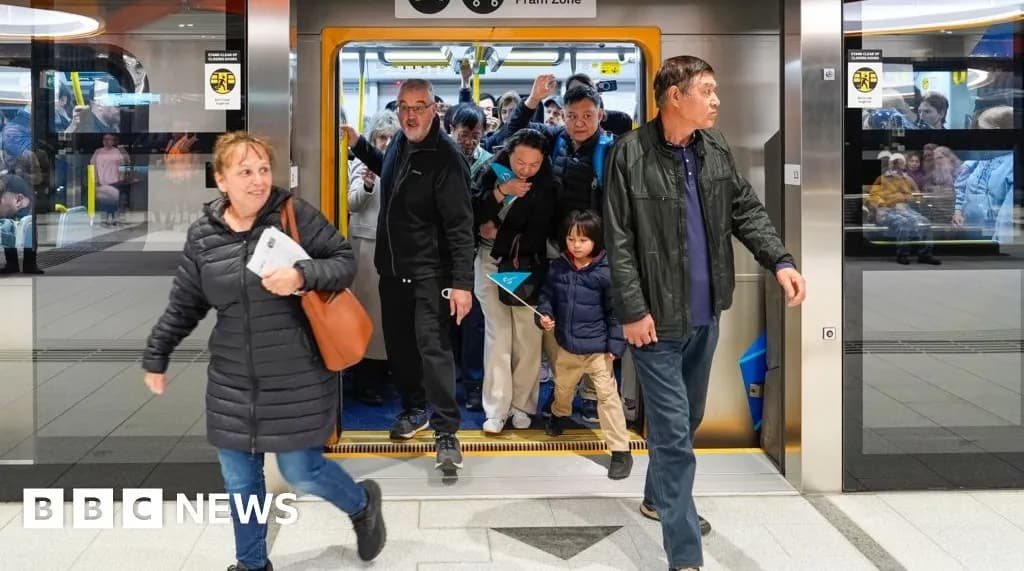
Two Australian States Offer Free Public Transport as Iran War Drives Up Fuel Prices
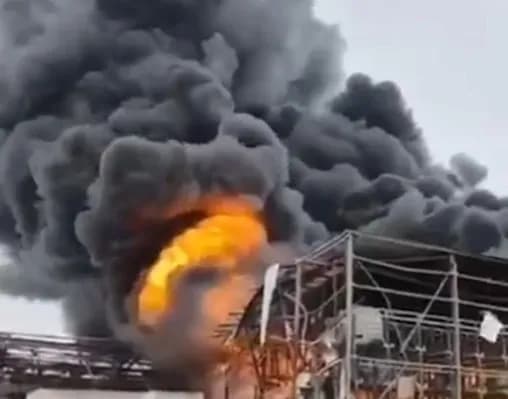
Iranian Missile Strikes Israeli Industrial Zone—Major Fire and Hazardous Material Leak
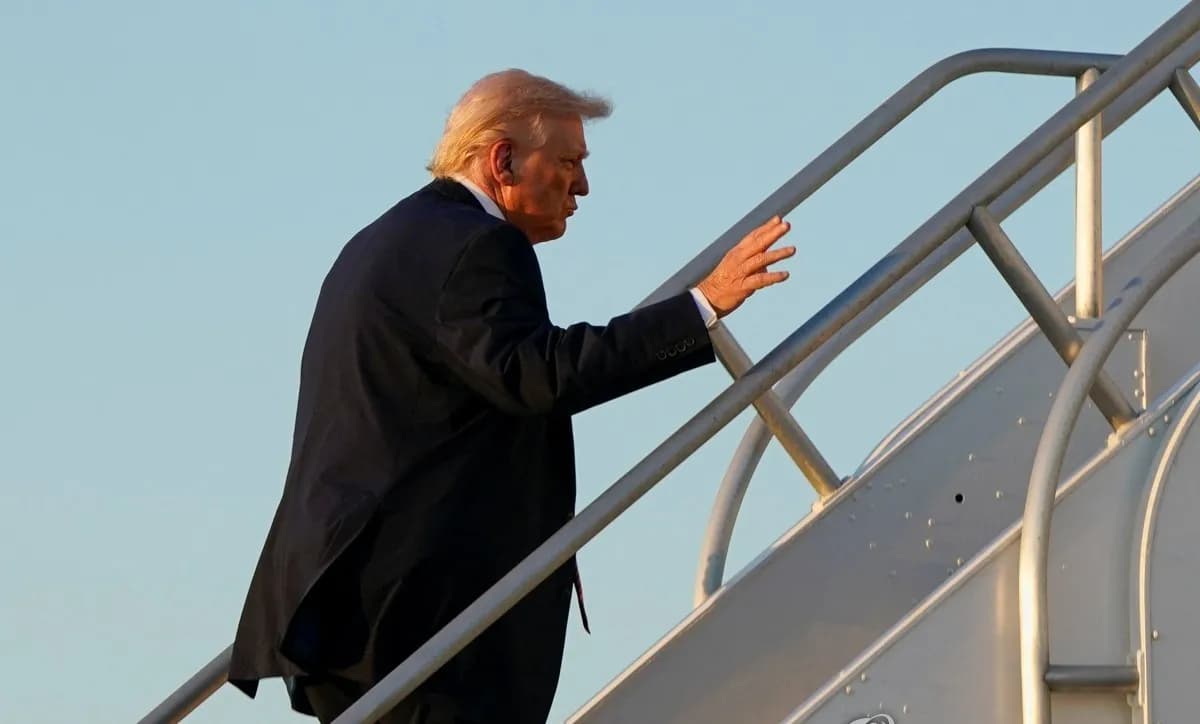
Trump Shares Pastor's Letter Amid Month-Long Iran War: "Blessed Are the Peacemakers"
Latest News

BTS' 'Arirang' Tops Billboard 200 Chart—Seventh No. 1 Album
BTS's new song 'Arirang' achieves No. 1 on U.S. Billboard 200 chart
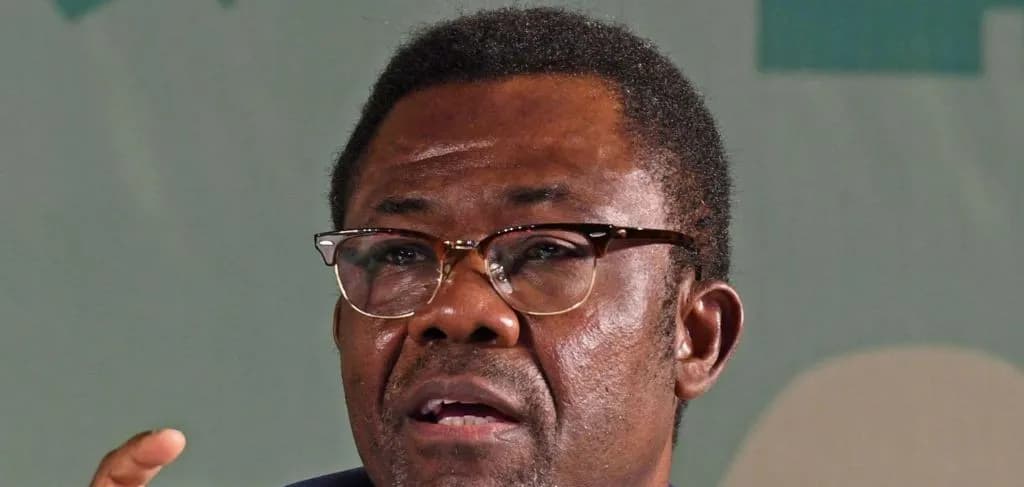
African Football Chief Resigns Amid Morocco-Senegal Final Controversy
CAF Secretary General Veron Mosengo-Omba resigns amid Morocco-Senegal final controversy
Passenger in 90s Dies After Falling onto Train Tracks at Namwon Station
Passenger in 90s fell onto tracks while following departing train at Namwon Station, North Jeolla Province
26-Year-Old Man Shot Dead in Car Near London Euston Station
26-year-old man shot dead in car near London Euston station
Pope: "Prayers of Those Waging War Will Be Rejected"
Pope Leo XIV states on 29th that "prayers of those waging war will be rejected"
VP Vance Says U.S. Will "Soon Exit" War with Iran
U.S. VP JD Vance says U.S. will "soon exit" war with Iran