Pharmaceutical Industry Expands U.S. Investment Amid Tariffs, But R&D Concerns Grow
Half of Large Pharma Companies Accelerate U.S. Investment; Mid-Size Firms Least Affected by Tariffs

- •U.S. tariff policy has prompted half of major pharmaceutical companies to accelerate U.S. investment, while 73% of startups maintain unchanged investment plans
- •In North America, cGMP manufacturing facility investment takes priority, with global R&D growth expected to center on Asia
- •FDA workforce reductions and NIH budget cuts raise concerns about new drug approval delays, requiring pharmaceutical companies to build internal expertise
Tariffs Reshape Global Investment Landscape
The U.S. government's tariff policy on imported pharmaceuticals is reshaping the pharmaceutical industry's investment landscape. According to CRB's "Horizons: Life Sciences 2025" report, 5 out of 10 major pharmaceutical companies are accelerating investments in U.S. facilities.
While 29% of all pharmaceutical companies are accelerating U.S. investments, this ratio rises to 50% when focused on large companies. In contrast, 73% of pharmaceutical startups reported no changes to their investment plans. The most interesting finding involves mid-size pharmaceutical companies. These firms have been relatively less impacted despite U.S. policy changes and R&D capacity reductions.
Peter Walters of CRB explained at the 2025 ISPE Annual Meeting that "large companies are repackaging already-planned growth strategies as U.S. onshoring," adding that "these are not purely new projects responding to tariffs."
cGMP Manufacturing Facilities Take Priority Over R&D
The direction of investment is clear. In North America, expanding cGMP manufacturing facilities has emerged as the top priority. Research and development (R&D) has been pushed to a relatively lower priority.
Globally, the highest growth rates are expected in Asia, particularly China, with Europe following. While only 14% of companies increased investments outside the U.S. due to tariff impacts, manufacturers are reassessing "where to produce what."
58% of companies reported no tariff-related investment changes, but this ratio rose to 73% among startups. Small companies face the burden of investing in the world's most expensive R&D facilities while "having no room to wait."
Shadow of U.S. R&D Budget Cuts
Budget cuts to the National Institutes of Health (NIH) and workforce reductions at the FDA are raising additional industry concerns. The approval process for new drug applications (NDAs) and investigational new drug applications (INDs) is likely to be delayed.
As FDA expertise diminishes, pharmaceutical companies and consulting firms must now provide internally the expertise previously offered by the FDA. Walters noted that "considering already-disbursed research funds, a slowdown in R&D funding flow is inevitable."
Five Drug Categories Drive Growth
Despite tariffs and budget cuts, the pharmaceutical industry's growth drivers remain strong. The CRB report identifies antibody-drug conjugates (ADCs), gene and cell therapies, small molecule compounds, and therapeutic proteins among five areas driving growth.
Notably, completely new therapies are not the only developments. Existing platforms like small molecule compounds and therapeutic proteins are being reinterpreted to expand their markets.
Industry Worker Satisfaction Remains High
The report examined not only industry outlook but also worker satisfaction. Despite changes and uncertainty, pharmaceutical industry workers' happiness levels remain positive. The relatively strong morale of the workforce supporting innovation and growth is encouraging.
Future Outlook [AI Analysis]
U.S. tariff policy has driven short-term investment in U.S. manufacturing facilities, but leaves the more complex long-term challenge of global supply chain reorganization. Large companies are adapting to policy changes by repackaging planned investments as "onshoring," but startups and small pharmaceutical companies are likely to face difficulties due to high investment cost burdens.
FDA workforce reductions and NIH budget cuts could delay the drug approval process, raising concerns about slowing innovation. However, increased R&D investment in Asia and Europe may partially offset this.
Ultimately, over the next 2-3 years, regional role differentiation is expected to become clearer. The U.S. is likely to position itself as a manufacturing hub, while Asia establishes itself as an integrated base combining both R&D and manufacturing.
댓글 (3)
Industry 관련 기사 잘 읽었습니다. 유익한 정보네요.
간결하면서도 핵심을 잘 정리한 기사네요.
공감합니다. 참고하겠습니다.
More in Life

브라질 볼소나로 전 대통령, 건강 악화로 임시 가택연금 조치

The decline of university bars, the end of the ‘pour and drink’ era

NASA appoints Jennifer Lyons as new director of Launch Services Program

NASA Shared Services Center Releases Fiscal Year 2026 Service Catalog and Performance Report

James Webb Telescope captures Saturn's icy rings in infrared light

Japanese elementary school students' #1 future wish is to be a 'streamer'... surpassing doctors and teachers
Latest News
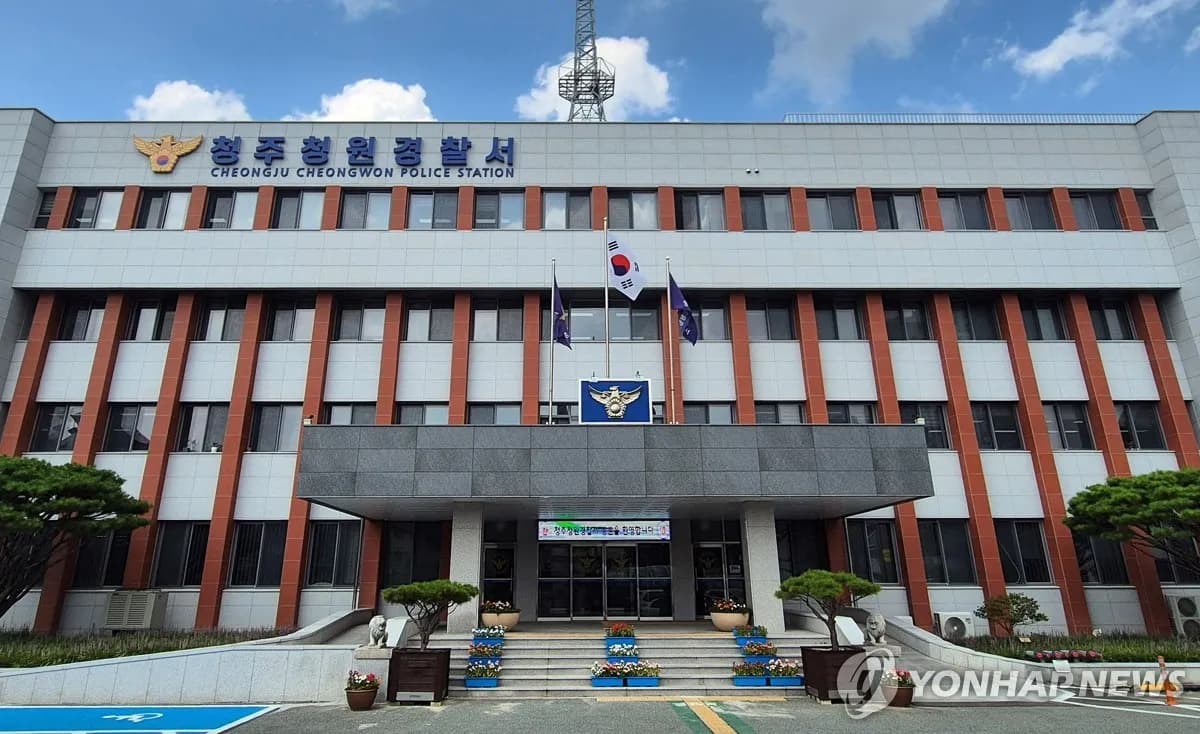
"간부 잘 아는데 교통비 좀" 휴가 군인들 돈 뜯은 50대 구속
50대 A씨가 휴가 중인 군인들에게 부대 간부를 아는 척 접근해 돈을 사취

英 옥토퍼스, 이란 전쟁 이후 태양광 판매 50% 증가
이란 전쟁 이후 영국 옥토퍼스의 태양광 판매량 50% 증가
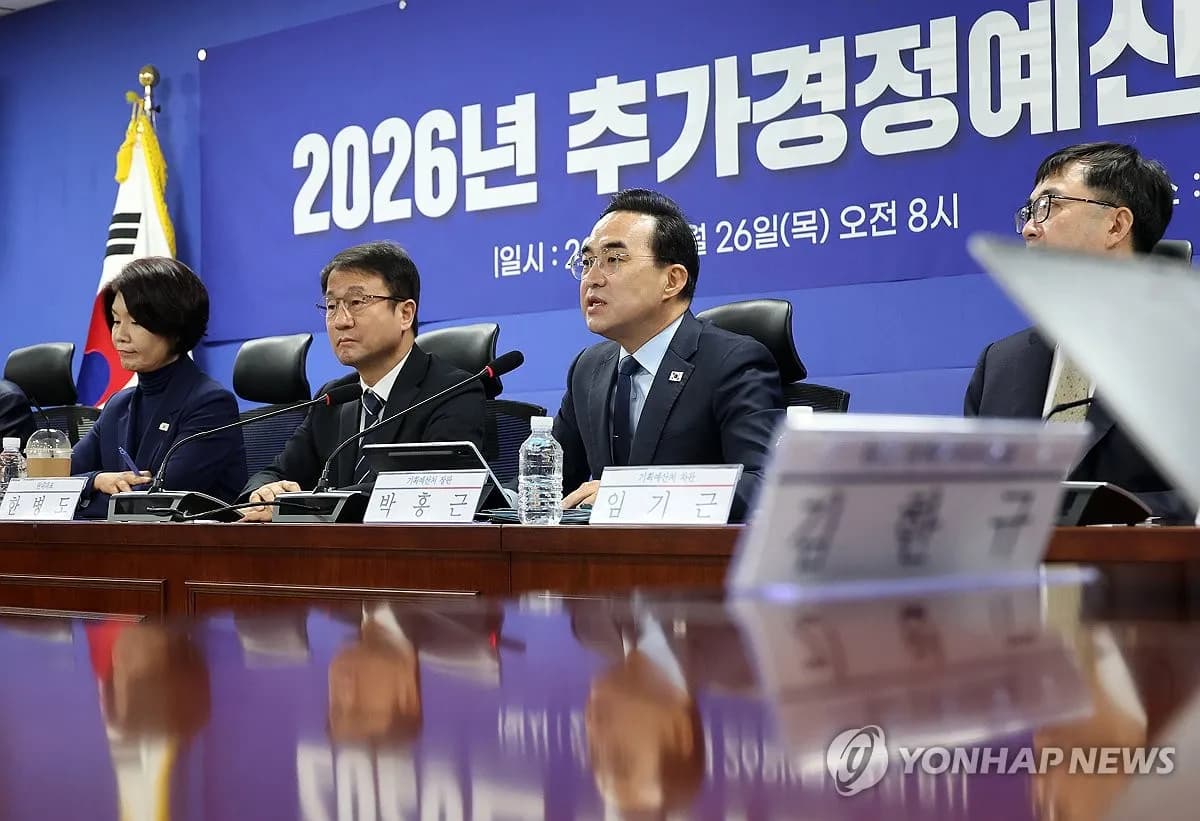
당정 "추경, 지방·취약계층에 더 지원되는 방식으로"
당정이 지방자치단체와 취약계층 중심의 추경 편성 방침 재확인

당정, 석유 최고가격제 손실 보전을 추경에 반영키로
당정이 석유 최고가격제 손실을 추경에 반영하기로 결정
어머니 폭행하고 금팔찌 빼앗은 30대 아들 경찰에 붙잡혀
어머니 폭행 후 금팔찌 빼앗은 30대 남성 체포
아이티 갱단 폭력사태로 10개월간 5천명 이상 사망
아이티에서 지난 10개월간 갱단 폭력으로 5천명 이상 사망

서방 정보당국 "러시아, 우크라이나 전쟁 후 이란에 드론·식량 공급"
서방 정보당국, 러시아의 이란 드론·식량 공급 작업 거의 완료 파악

6년 전 세 살 딸 살해한 30대 친모 구속송치
경찰, 6년 전 세 살 딸 살해 혐의 30대 친모를 구속송치