White House Officially Denies Ceasefire Extension Request...U.S.-Iran Brinkmanship Diplomacy
As Ceasefire Expires on April 21st, Sanctions, Naval Blockade, and Negotiations Operate Simultaneously...Oil Prices Rebound to $100 per Barrel Amid Strait of Hormuz Blockade
- •The White House denied reports of requesting a ceasefire extension from Iran while implementing simultaneous sanctions and naval blockades.
- •The blockade of the Strait of Hormuz has pushed Brent crude oil prices up to $100 per barrel, threatening global energy supply chains.
- •The April 21st ceasefire expiration date is expected to become the critical turning point in U.S.-Iran negotiations, with Korea's energy security directly at risk.
Ceasefire Deadline: Less Than a Week Remains
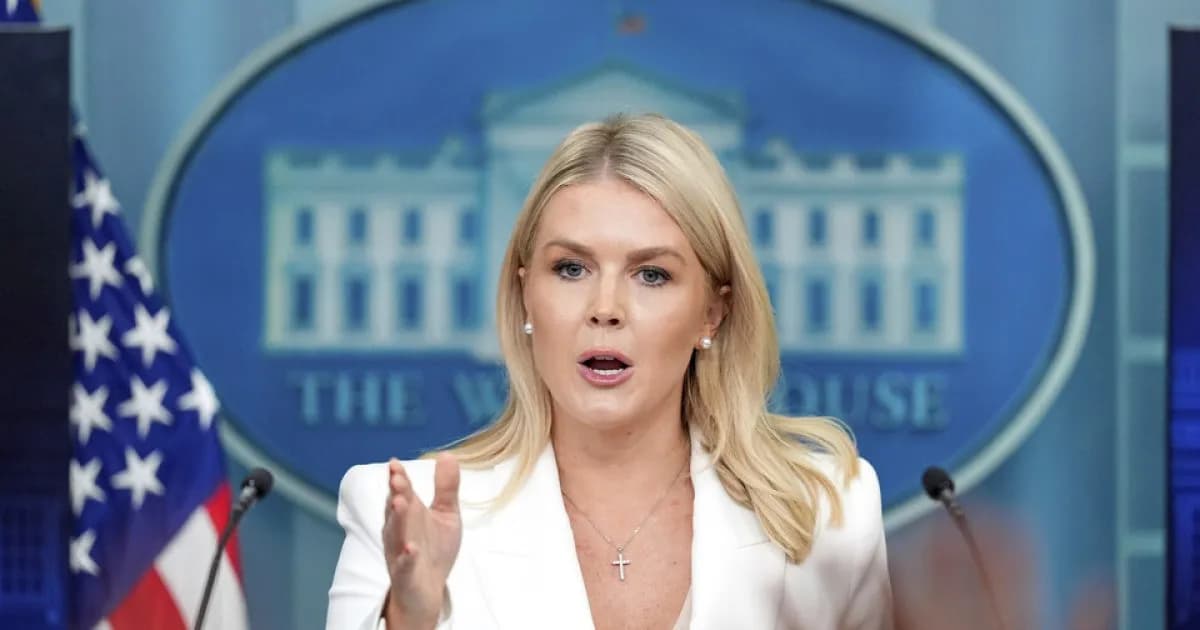
The White House officially denied on the 15th media reports that the United States had requested Iran to extend the ceasefire. White House spokesperson Caroline Levitt stated that "talks are proceeding productively" while clearly rejecting the fact of a request for extension. On the same day, the U.S. Treasury Department announced new sanctions against approximately 20 individuals, companies, and vessels involved in Iran's illegal oil smuggling networks, and decided not to renew existing crude oil sanctions exemptions. This represents a dual strategy of simultaneous diplomatic optimism and hard-line pressure.
Since the 14th, the U.S. has been fully implementing a naval blockade against vessels traveling to and from Iranian ports. The U.S. Navy has reportedly blocked at least 10 Iranian vessels from passing through the Strait of Hormuz. As the ceasefire expiration date scheduled for the 21st approaches, diplomatic and military tensions are escalating further.
Why Is This Situation Critical Now?
The Strait of Hormuz is a strategically vital chokepoint through which approximately 20% of global crude oil exports pass. As the U.S. naval blockade took effect, Brent crude oil, the international oil price benchmark, rebounded to around $100 per barrel. Concerns are growing that if the blockade becomes prolonged, the entire global energy supply chain could be destabilized.
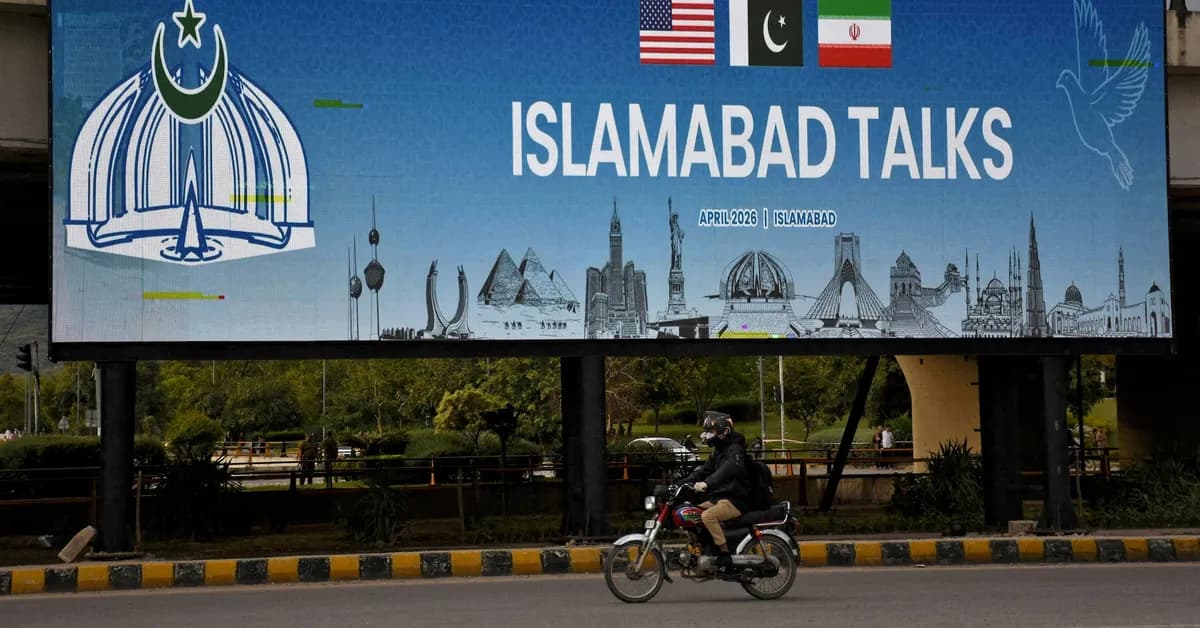
Europe is particularly vulnerable, importing approximately 75% of its aviation fuel from the Middle East. China, meanwhile, has reportedly continued to increase its crude oil reserves to world-record levels even in March, taking advantage of the situation. While mediators such as Pakistan have visited Tehran, raising hopes for a negotiated settlement, no concrete progress has been confirmed.
The impact on South Korea is direct. South Korea depends on the Middle East for over 70% of its crude oil imports, and the Strait of Hormuz is essentially its sole shipping route. If oil prices exceed $100 per barrel, this could trigger a chain reaction of rising import prices and deteriorating trade balances. This moment underscores the critical necessity of energy diversification strategy.
Where Did This Conflict Begin?
The U.S.-Iran conflict did not end even after the 2015 nuclear deal (JCPOA). When the Trump administration withdrew from the JCPOA in 2018 and restored the "maximum pressure" sanctions, bilateral relations rapidly deteriorated. The Biden administration's attempt to revive the nuclear deal also failed due to Iran raising the concentration level of highly enriched uranium.
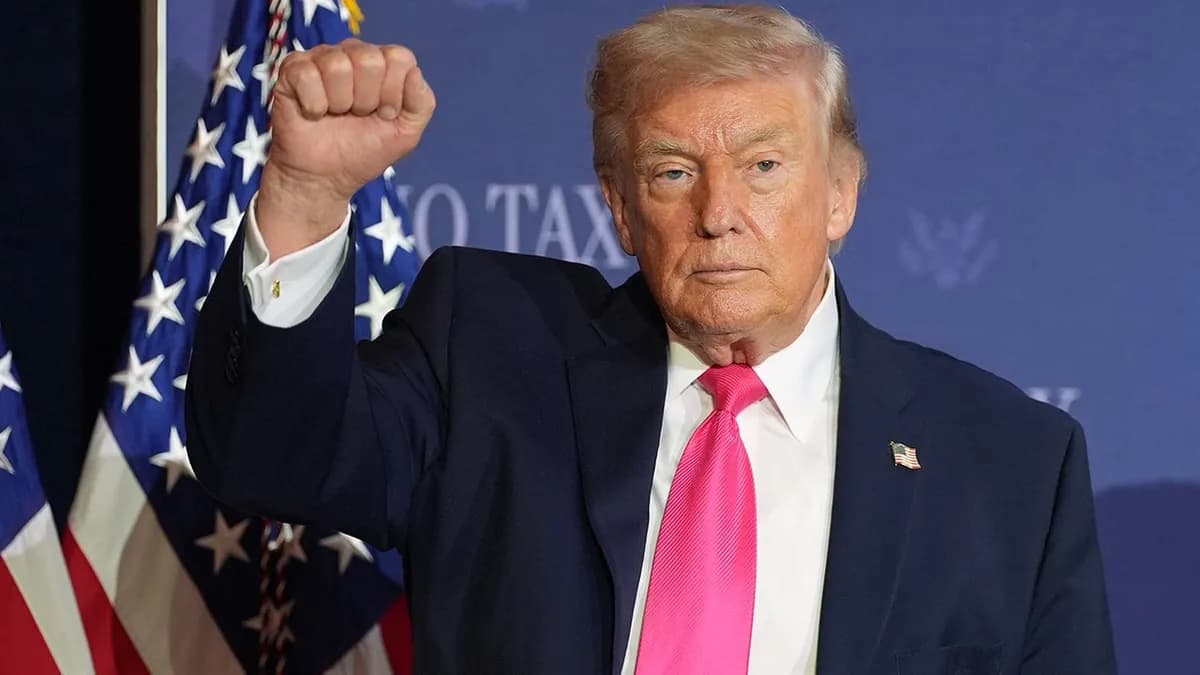
Since the start of the Trump 2.0 administration, the U.S. has returned to its maximum pressure line. This round of sanctions and naval blockades are a continuation of that approach. President Trump has maintained the position that if Iran does not abandon its nuclear ambitions, all options including the use of military force will be considered. U.S. demands include:
- Halting uranium enrichment
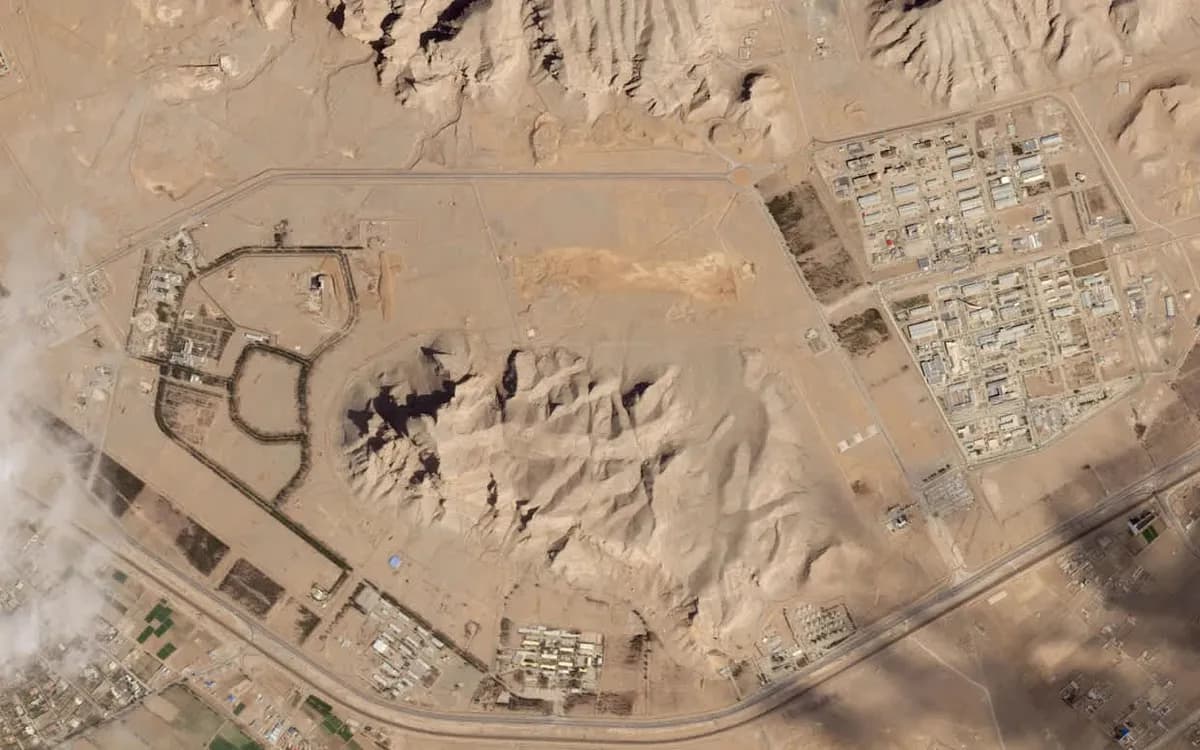
- Dismantling nuclear facilities
- Handing over highly enriched uranium stockpiles
- Ceasing support for proxy forces (such as Hezbollah)
- Unconditional opening of the Strait of Hormuz
It is also noteworthy that the Republican-controlled Senate recently rejected an attempt to limit Trump's authority to wage war against Iran. This means the administration's military options remain realistically available.
Outlook Ahead [Expert Analysis]
The April 21st ceasefire expiration date is likely to become a major turning point. If negotiations fail, the U.S. could strengthen the blockade or undertake limited military action against Iranian nuclear facilities. Conversely, if mediating countries such as Pakistan create a breakthrough, a provisional agreement conditional on opening the Strait of Hormuz cannot be ruled out.
Energy markets are likely to maintain high volatility in the short term. If oil prices continue their high-flying performance in the $100 per barrel range, concerns about inflation re-ignition and global economic slowdown could emerge simultaneously. China's move to increase its stockpile reserves is being interpreted as a strategic calculation accounting for the possibility of prolonged blockade.
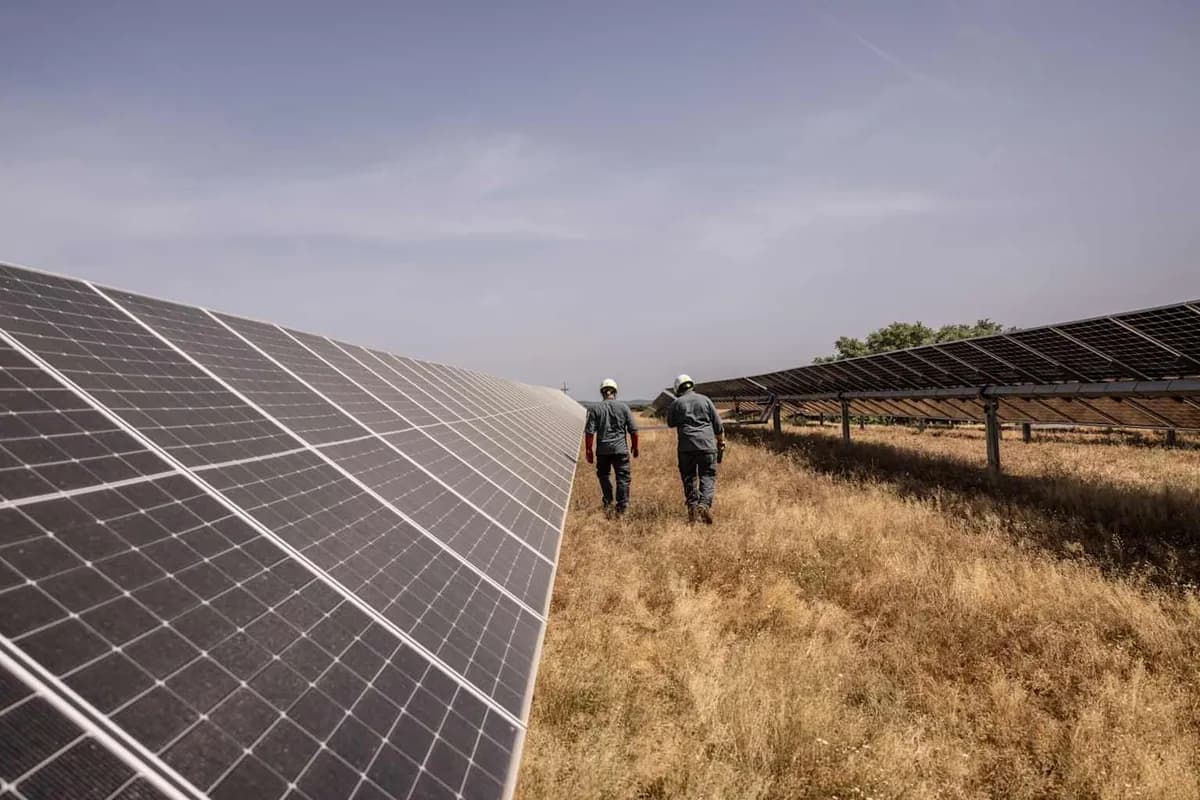
For the South Korean government, the situation demands simultaneous energy security responses and diplomatic channel management. With Iranian crude oil imports blocked by sanctions, securing alternative supply sources and reviewing stockpile levels are emerging as urgent tasks.
댓글 (12)
White 주제로 시리즈 기사가 나오면 좋겠습니다. 다른 시각의 분석도 읽어보고 싶습니다.
House의 향후 전망이 궁금합니다. 나중에 다시 읽어볼 만합니다.
유익한 기사네요. Officially 관련 용어 설명이 친절해서 좋았습니다. 잘 정리된 기사네요.
미국에 대해 주변 사람들과 이야기 나눠볼 만합니다. 주변에도 공유해야겠어요.
이란 관련 통계가 의외였습니다.
White에 대해 주변 사람들과 이야기 나눠볼 만합니다.
흥미로운 주제입니다. House에 대해 주변 사람들과 이야기 나눠볼 만합니다.
잘 읽었습니다. Officially의 향후 전망이 궁금합니다. 해외 동향도 함께 다뤄주시면 좋겠습니다.
미국 관련 용어 설명이 친절해서 좋았습니다. 후속 기사 부탁드립니다.
이란 관련 해외 동향도 궁금합니다. 다른 시각의 분석도 읽어보고 싶습니다.
좋은 정보 감사합니다.
House 기사에서 언급된 사례가 흥미로웠습니다. 전문가 의견도 더 듣고 싶습니다.
More in Global

Latest News
이란 분쟁이 당긴 에너지 대전환의 방아쇠
이란의 호르무즈 해협 봉쇄로 전 세계 석유 공급 20%가 차단됐다.

현대차그룹, 방산·레거시 부품 팔고 로보틱스·AI 기업으로 변신
현대차그룹이 방산·레거시 부품 사업을 매각하고 로보틱스 기업으로 전환 중이다.
파키스탄, 이란 협상단 귀환길에 전투기 24대 호위 전격 배치
파키스탄 공군이 전투기 24대로 이란 협상단 귀환을 호위, 이스라엘 공격 위협에 대응했다.
Mortgage Rates Show Signs of Falling After Iran War Peak
Markets find relief as Iran war truce talks emerge

코스피, 2주 만에 815포인트 급등 후 숨 고르기
코스피는 주간 5.68% 올라 2주 연속 상승, 2주 누적 상승률은 2008년 이후 최대.
사우디 '유전 복구 수개월 걸린다'...유가 급락과 현실의 괴리
사우디 재무장관, 걸프 에너지 생산 회복에 수개월 소요 가능성 경고.