R&D Investment Firms to Get 30% Discount on Drug Price Cuts
Expansion of Reimbursement Contracts to Boost Export Competitiveness of Domestic New Drugs

- •The National Health Insurance Service implements a 30% discount on drug price reductions for R&D-focused pharmaceutical firms
- •Expansion of the reimbursement contract system aims to strengthen the export competitiveness of domestically developed new drugs
- •Price reduction burden is eased for firms when usage increases result from policy changes rather than company actions
Key Measures Introduced
The National Health Insurance Service (NHIS) has announced revisions to the 'Detailed Operating Guidelines for Volume-Price Linked Negotiations' to promote growth in the pharmaceutical industry and strengthen readiness for unexpected infectious disease outbreaks. The update includes a provision to exempt pharmaceutical companies focused on research and development (R&D) from 30% of the drug price reduction rate, targeting products from firms that have successfully implemented price reduction agreements at least twice in the past five years. Specifically, drugs from companies recognized by the government as innovative pharmaceutical firms, or those that reinvest 10% or more of total revenue exclusively into R&D, qualify for this measure. The goal is to secure funding necessary for new drug development.
Strategic Support for Industry Structure
This measure goes beyond simple tax benefits and represents a strategic decision to enhance the structural stability of the pharmaceutical industry. Under previous conditions, pharmaceutical companies faced severe disruptions to their revenue models when drug usage surged due to national crises or changes in welfare policies, regardless of their own intentions. To prevent this, the NHIS has introduced a new mechanism to maintain the nominal price cap for newly developed drugs, including cell therapies, which are considered world-first innovations. Instead of reducing prices, companies will now make direct cash payments to the NHIS through a 'reimbursement contract' to cover the difference. This mechanism is critical for protecting export competitiveness, preventing domestic price reductions from triggering downward price demands from overseas buyers.
Comparison with Previous System
Under the prior volume-price linked system, drug prices were uniformly reduced in response to increased usage. However, this structure imposed identical reduction burdens regardless of whether usage increases stemmed from company actions or external factors. The revised framework addresses this by introducing special protections for cases where usage increases result from policy changes, such as the expansion of health insurance coverage for infertility treatments or unexpected infectious disease outbreaks. For example, drugs classified as 'Type A' that sold 30% more or 'Type B' drugs whose sales increased by over 60% in the year following a price reduction remain subject to price negotiations. However, companies with strong R&D investment can still receive a 30% reduction rate exemption. Conversely, drugs with total sales under 300 million won, those priced more than 10% below the market average, or those at risk of production suspension due to low pricing are excluded from these relief measures.
Implementation and Future Outlook
The revised guidelines took immediate effect on June 25, 2026, and are being applied immediately to drugs currently undergoing price adjustments with the NHIS. The reimbursement contract will be maintained for a base period of three years, extendable by another three years if needed. The one-time reimbursement contract system applies only when usage increases occur independently of company intent, directly impacting pharmaceutical companies' financial stability and commitment to new drug development. This policy is widely regarded as a structural support initiative by the government to ensure sustainable growth in the pharmaceutical sector.
More in Life
![[게시판] 국토지리정보원, 어린이 지도 그리기 대회…10월 6일까지 접수](/_next/image?url=https%3A%2F%2Fstorage.googleapis.com%2Farayonews-images%2Farticles%2Fnational-childrens-map-drawing-contest-10-6-2608171056-4885cc2b.webp&w=3840&q=75)
National Children’s Map Drawing Contest Accepting Entries Until October 6

Netmarble Culture Foundation Concludes “2026 Game Communication School”
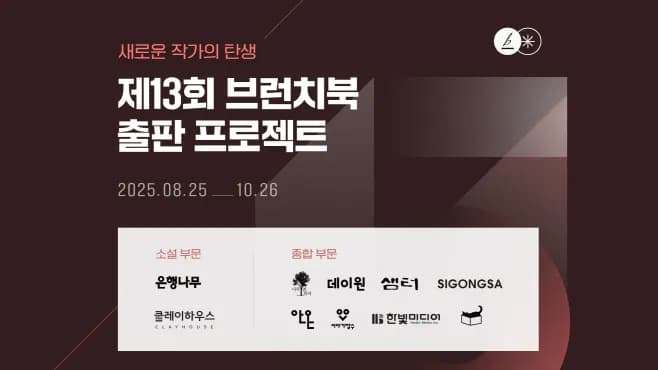
Kakao Publishes 10 Winning Works from 13th Brunchbook Competition as Print Books
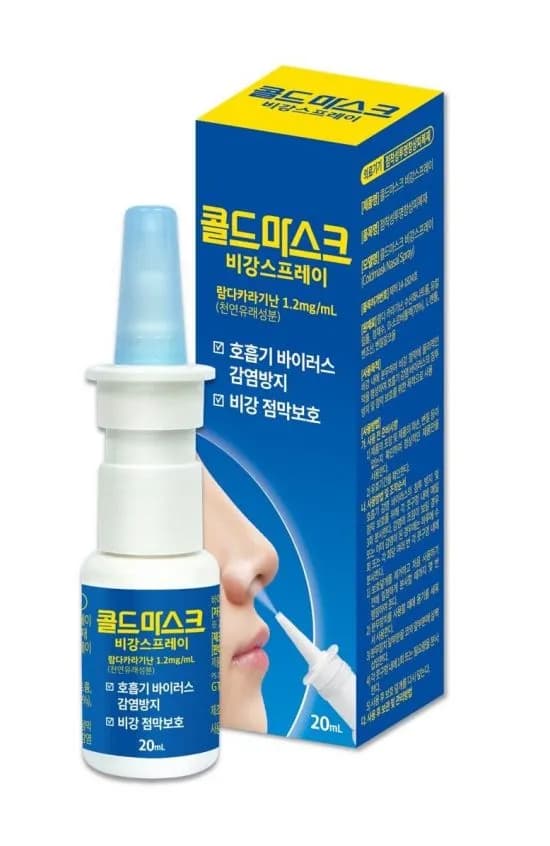
ColdMask Blocks Respiratory Viruses with Lambda-Carrageenan

2-Day-Old Infant Reaches Hospital in Just 18 Minutes

Seoul Facilities Corporation Launches Diverse Summer Cultural Programs
Latest News
Cinemark Endorses Merger Between Paramount and Warner Bros. Discovery
Cinemark backed the $111 billion merger between Paramount and Warner Bros. Discovery. This stance contrasts with that of Cinema United, which previously opposed it, showing a shift in attitudes across the industry. If the merger goes through, theaters are expected to show more films and will have guaranteed marketing and screening periods.

Game Pass Unveils Second Wave for August 2026
Microsoft는 2026년 8월 19일부터 게임 패스 August 2026 Wave 2를 공개하며, 총 10종의 게임이 추가된다. 주요 작품으로는 'Vapor World: Over the Mind'와 'Blood Dungeon'이 있으며, 이들은 각각 8월 19일과 25일에 게임 패스 Ultimate 및 PC 게임 패스에서 출시된다. 8월 31일까지 'Another Crab’s Treasure', 'The Witcher 3: The Wild Hunt - Remastered Edition' 등이 게임 패스에서 제거되며, NBA 2K26는 9월 6일에 서비스 종료된다.

Patrick Vieira Appointed Manager of Senegal National Team
Patrick Vieira has been appointed as the new head coach of the Senegal national team His term will begin on September 21, 2026, aligning with the international football schedule for the 2027 Africa Cup of Nations qualifiers Vieira’s appointment is part of a strategic move made after coach Pape Thiaw’s team was eliminated from the World Cup and lost its title.

Apple to Revise App Store Fee Structure in the EU
Apple will implement a 5% core technology fee on its European app store starting October 1, 2026 This new structure replaces the previous 30% fee system by applying rates ranging from 15% to 26% depending on how apps are distributed The change is intended to meet the requirements of the Digital Markets Act and serves as a strategic adjustment to resolve disputes with the European Commission.

Industry Legend Warren Spector Announces Retirement
Warren Spector, a 44-year-old game developer, officially announced his retirement on August 18, 2026. He created 17 full games and 9 expansion packs, including the Deus Ex, Thief, and Ultima series. He cited changes in the gaming industry and a decline in personal satisfaction as reasons for retiring, emphasizing his contributions to nurturing the next generation of developers.

Phantom Blade Zero Unveiled Amid Controversy Over Digital Transition
On August 17, Sony revealed the game through a live stream of the State of Play for Phantom Blade Zero, but the content was obscured by intense backlash over the digital transition Eighty-two percent of all game software is sold as digital downloads on PlayStation Store 5, and only seven games in the United States have achieved physical sales in the hundreds of thousands Phantom Blade Zero will release on October 29 exclusively through PlayStation Store; it is an action game set in a wuxia universe featuring Donnie Yen.

Imran Khan Ordered to Be Transferred to a Hospital
The court ruled that 73-year-old former prime minister Imran Khan must be transported to a medical facility This decision was made following a petition from Khan’s legal team regarding his health issues Khan has been detained in Adiala Jail in Islamabad since he was arrested in 2023 on corruption charges.

Six Consortia Join Government’s Free AI Service Initiative “AI for All”
The government stated that six consortia, including SK Telecom, KT, and Kakao, are participating in the ‘Everyone’s AI’ project Participating firms must use domestic AI models accounting for at least 50% of their systems, and they will receive 512 NVIDIA B200 GPUs The final vendor will be selected by the end of this month, with plans to sign contracts in September, launch a beta service, and release the official service within the year.