Seoul's Average Monthly Rent Surpasses 1.51 Million Won as Soaring Official Property Prices Trigger 'Housing Cost Bomb'
18.67% surge in official prices increases property tax burden, shifting costs to tenants and deepening housing crisis
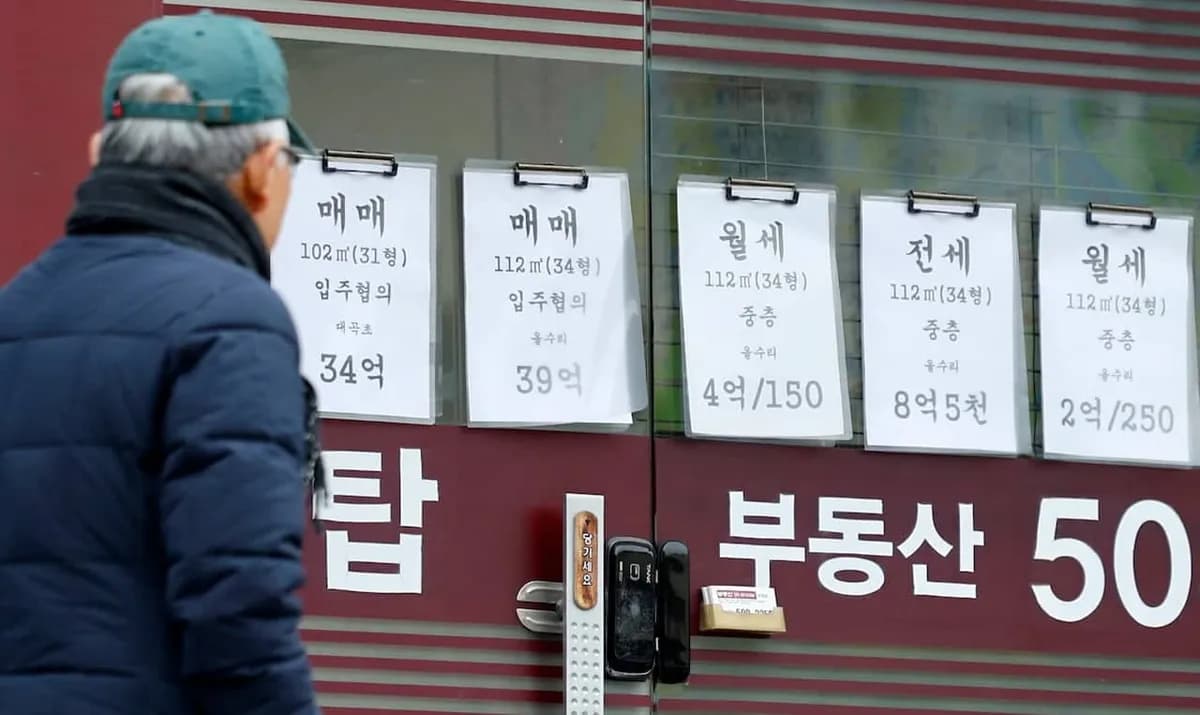
- •Seoul's average apartment monthly rent reached 1.515 million won, an all-time high representing a 12.5% year-over-year increase.
- •With official prices surging 18.67%, increased property tax burden is expected to pass 40-50% of the increase onto monthly rents.
- •Combined with a 48% reduction in move-in volume this year and implementation of capital gains tax surcharges on multiple homeowners, monthly rent increases are expected to continue.
Seoul Monthly Rent Hits All-Time High
According to the Korea Real Estate Board, Seoul's average apartment monthly rent reached 1.515 million won in February, setting an all-time high. This represents a 12.5% increase year-over-year. During the same period, the Ministry of Land, Infrastructure and Transport announced that Seoul's official housing prices rose 18.67%, more than double the national average of 9.16%. Property taxes for high-value homes centered in the Gangnam Three Districts are expected to surge up to 56%.
Property Tax Increases Passed on to Tenants
Experts warn that rising property taxes are likely to translate into higher monthly rents. Professor Song Heon-jae of the Department of Economics at the University of Seoul analyzed that "when property taxes increase by 1%, approximately 40-50% of that increase is estimated to be passed on to monthly rent and deposits."
Changes are already being detected in the field. A real estate broker in Seoul reported, "There are already landlords saying they'll raise monthly rent to cover the tax increases." The fact that higher-priced homes experienced steeper increases in official prices also adds to the upward pressure on monthly rents. Homes valued over 3 billion won saw official price increases of 28.59%, while those valued between 1.5 and 3 billion won recorded increases of 26.63%.
Pressure Even on Single High-Value Home Owners
The property tax surge is placing significant burden even on owners of a single high-value home. According to the Ministry of Land's simulation, a landlord owning one 111㎡ unit in Apgujeong's "Shin Hyundai 9th" complex in Gangnam will need to pay 29.19 million won in property taxes this year. This is a 57.1% increase from last year's 18.58 million won.
In Seoul, the number of households subject to comprehensive real estate tax for single-home ownership increased 47.9% from 280,365 last year to 414,896. The comprehensive real estate tax has no upper limit on the tax base for properties exceeding 1.2 billion won, meaning increases in official prices are directly reflected in taxes. The progressive tax rate structure means property taxes rise even more steeply than official price increases.
Lee Jang-won, CEO of Rich Tax Corporation, noted that "once comprehensive real estate tax exceeds a certain threshold, the tax burden increases sharply," adding that "looking at the government's tax reform direction so far, property taxes on high-value homes are likely to continue surging."
Park Won-gap, Chief Real Estate Expert at KB Kookmin Bank, observed that "in a super-aged society with many elderly people whose cash flow has stopped, sensitivity to property taxes cannot help but be strong," predicting that "those unable to bear this burden will downsize their housing."
Supply Reduction Compounds the Problem
The fact that Seoul's apartment move-in volume will decrease 48% year-over-year this year is another factor fueling monthly rent increases. As the shortage of jeonse (lump-sum deposit) properties continues, pressure to convert to monthly rent is expected to intensify.
The scheduled implementation of capital gains tax surcharges on multiple homeowners on May 9 is another variable. If sales increase to minimize both property and capital gains taxes, jeonse availability will decrease further, potentially intensifying the shift toward the monthly rent market.
Warning from Past Cases
A similar phenomenon occurred during the Moon Jae-in administration. At that time, property taxes were raised by increasing the realization rate of official prices, and monthly rents subsequently surged 19%. The tax transfer effect actually materialized.
Real estate experts point out that "unlike capital gains tax, property tax must be paid just for owning property," noting that "retired elderly people without income and rental business operators have no choice but to pass the tax burden on to tenants."
Future Outlook [AI Analysis]
With the dual challenges of surging property taxes and supply shortages, upward pressure on Seoul's monthly rent market is likely to continue for the time being. Monthly rent increases are expected to be particularly pronounced in areas with concentrated high-value homes, such as the Gangnam Three Districts, Seongdong-gu, and Songpa-gu.
The government's tax policy direction is also an important variable. If the trend of property tax increases continues, instability in the rental market could intensify. Conversely, without separate policy mechanisms to protect tenants, there are concerns that the polarization phenomenon of housing cost burdens concentrating on the working class could accelerate.
Experts warn that "while monthly rent increases will continue in the short term, without both supply expansion and tax adjustments in the medium to long term, housing stability itself could be shaken."
댓글 (3)
기사 잘 봤습니다. 다른 시각의 분석도 읽어보고 싶네요.
Average 관련 기사 잘 읽었습니다. 유익한 정보네요.
Monthly에 대해 더 알고 싶어졌습니다. 후속 기사 부탁드립니다.
More in Special

How to avoid ICE agents checking your phone at the airport
주일 중국대사관 침입한 괴한, 자위대 현직 장교로 확인

New York City public hospital breaks up with Palantir... Ending controversy over commercialization of citizen health data

U.S. expands military operations in Latin America... ‘Operation total annihilation’ formalized

The Corsican Mafia Exposed: Breaking a Century of Silence

AI-Generated Fake Person Used to Sell Dubai Flight Seats
Latest News
"간부 잘 아는데 교통비 좀" 휴가 군인들 돈 뜯은 50대 구속
50대 A씨가 휴가 중인 군인들에게 부대 간부를 아는 척 접근해 돈을 사취

英 옥토퍼스, 이란 전쟁 이후 태양광 판매 50% 증가
이란 전쟁 이후 영국 옥토퍼스의 태양광 판매량 50% 증가
당정 "추경, 지방·취약계층에 더 지원되는 방식으로"
당정이 지방자치단체와 취약계층 중심의 추경 편성 방침 재확인
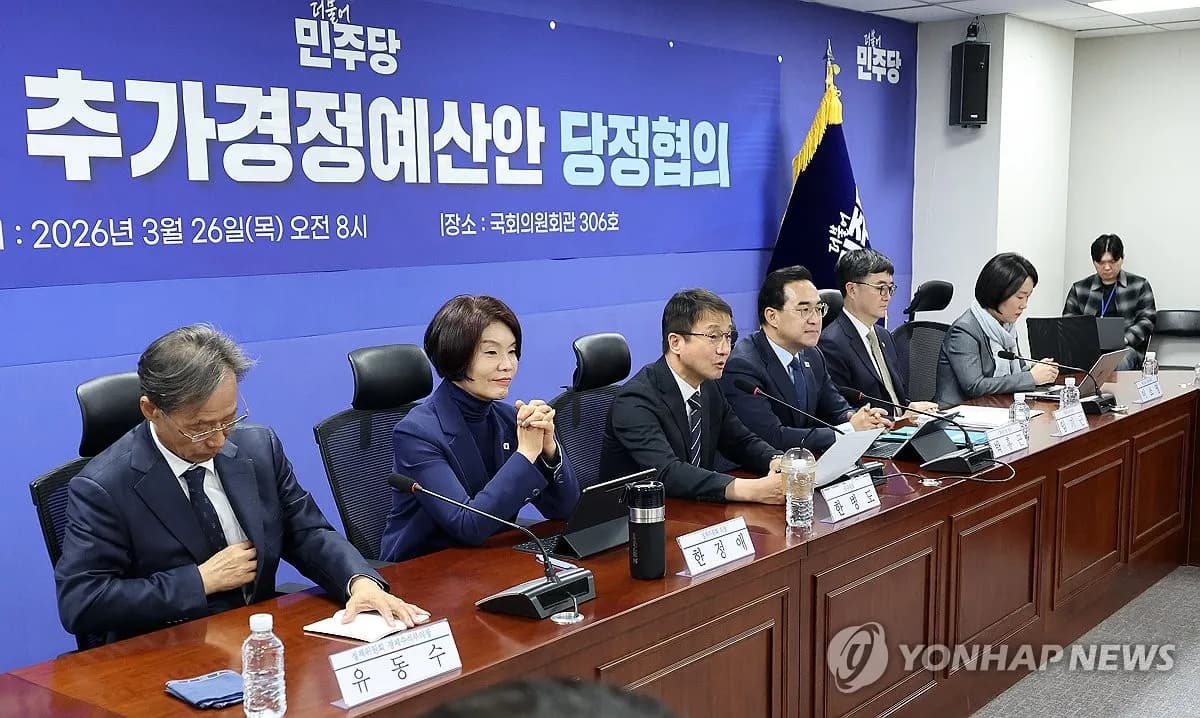
당정, 석유 최고가격제 손실 보전을 추경에 반영키로
당정이 석유 최고가격제 손실을 추경에 반영하기로 결정
어머니 폭행하고 금팔찌 빼앗은 30대 아들 경찰에 붙잡혀
어머니 폭행 후 금팔찌 빼앗은 30대 남성 체포
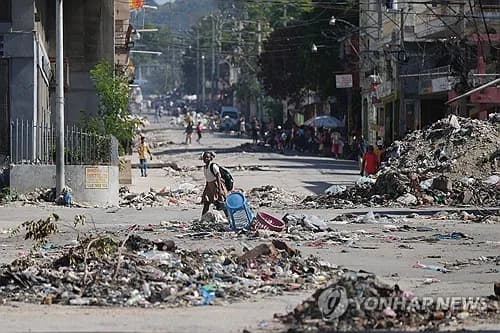
아이티 갱단 폭력사태로 10개월간 5천명 이상 사망
아이티에서 지난 10개월간 갱단 폭력으로 5천명 이상 사망

서방 정보당국 "러시아, 우크라이나 전쟁 후 이란에 드론·식량 공급"
서방 정보당국, 러시아의 이란 드론·식량 공급 작업 거의 완료 파악

6년 전 세 살 딸 살해한 30대 친모 구속송치
경찰, 6년 전 세 살 딸 살해 혐의 30대 친모를 구속송치