Small-scale influencer wins 3.5 billion won copyright lawsuit against Impossible Foods
Juror unanimously finds Impossible Foods 'intentional trademark infringement'

- •Influencer Joel Runyon wins $3.25 million in trademark lawsuit against Impossible Foods
- •The jury unanimously found Impossible Foods willful infringement and malicious conduct
- •A large company tried to take away a small business owner's trademark and was instead awarded a large amount of compensation.
5 years of legal battle ends in victory for small business owner
Influencer and endurance sports athlete Joel Runyon won a trademark infringement lawsuit filed against global food company Impossible Foods. On March 24, 2026 (local time), a U.S. court jury ruled in favor of Runyon and his company, Impossible LLC, and ordered Impossible Foods to pay a total of $3.25 million (about 4.2 billion won) in damages.
The compensation consisted of $1.5 million in compensatory damages and $1.75 million in punitive damages. The eight-person jury unanimously determined that Impossible Foods had "intentionally infringed" Runyon's trademark rights and had acted with "malice, fraud and oppression."
The trademark registered first was tried to be taken away by a large company.
The core of this dispute is the prior user rights to the trademark ‘IMPOSSIBLE’. According to the court investigation, Runyon had registered and used the trademark in endurance sports, clothing and nutrition-related businesses for several years before Impossible Foods adopted its current name.
The problem was Impossible Foods' response. Despite confirming Runyon's prior use through internal trademark searches and web research, the company continued to pursue its mission and branding of 'Impossible Foods'. When Runyon attempted to resolve the issue, Impossible Foods instead filed a federal lawsuit, attempting to revoke Runyon's trademark and take control of the brand.
The counterattack of large corporations actually made me angry.
The aggressive legal response of large corporations against small-scale startups ultimately led to even bigger losses. After more than five years of litigation, the jury found that Impossible Foods' actions were intentional infringements, not simple mistakes. The fact that punitive damages were set higher than compensatory damages reflects this judgment.
In addition to damages, Runyon is seeking additional recovery of legal fees and litigation costs.
“The jury’s verdict sends a clear message that a trademark is more than just a piece of paper and a brand is more than a company name,” Runyon said after the ruling. “Trademarks stand for something, they are important, and they cannot be trampled on purpose. Now, I look forward to getting back to growing the company and inspiring people to do the ‘impossible.’”
댓글 (4)
팩트에 기반한 냉정한 판단이 필요한 시점입니다.
차분한 논의가 필요하다는 말에 공감합니다.
influencer 문제는 양쪽 입장을 모두 들어봐야 할 것 같습니다.
중요한 포인트를 짚으셨네요.
More in Economy
Morgan Stanley enters Bitcoin ETF market with industry's lowest fees

Cryptocurrency market plummets, Bitcoin collapses at $66,000... 17 trillion dollars evaporated

Bitcoin and tech stocks plummet due to Anthropic's new AI model leak

Ruling Party and Government to Include Petroleum Price Cap Loss Compensation in Supplementary Budget

One Month of U.S.-Iran Tensions Shake Financial Markets... Concerns Over Prolonged Conflict
New York Stock Market's Big Three Indices Rise Together...Expectations for Iran Ceasefire
Latest News
Tiger Woods Arrested for DUI Just 3 Days After Comeback—Fourth Vehicle-Related Incident
Tiger Woods arrested for DUI just 3 days after comeback
UK University Meningitis Outbreak: Worst Over but Concerns Remain About Recurrence
UK university meningococcal outbreak worst appears over, but cause remains unclear
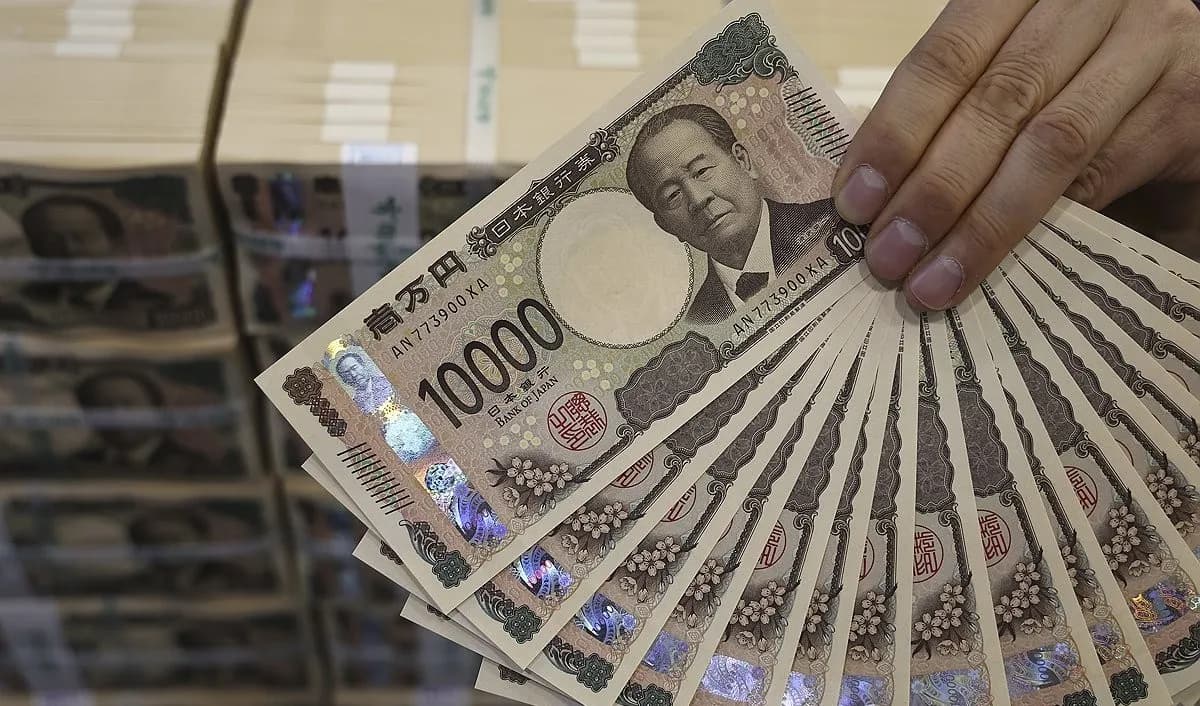
Yen/Dollar Rate Breaks Through 160 Yen for First Time in 1 Year 8 Months Amid US-Iran War
Yen/dollar rate breaks through 160 yen for first time in 1 year 8 months amid US-Iran war
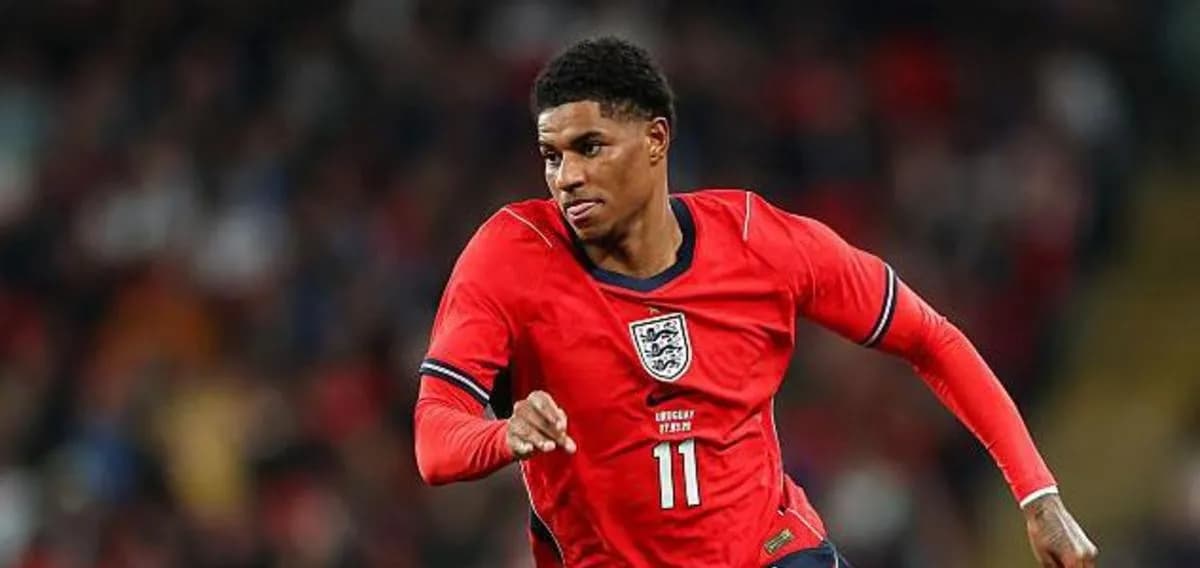
England Players Rated in Friendly Against Uruguay
England conducted player evaluations in Friday's friendly against Uruguay
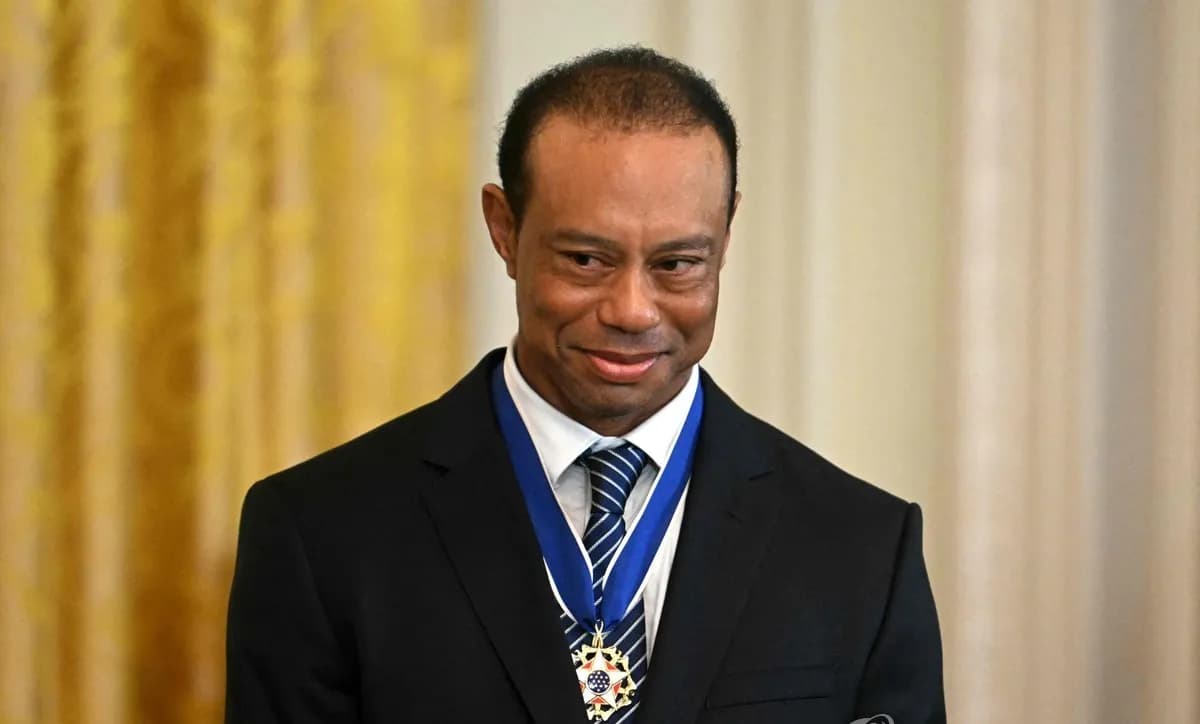
Tiger Woods Arrested on Suspicion of DUI
Tiger Woods arrested in Florida on suspicion of DUI
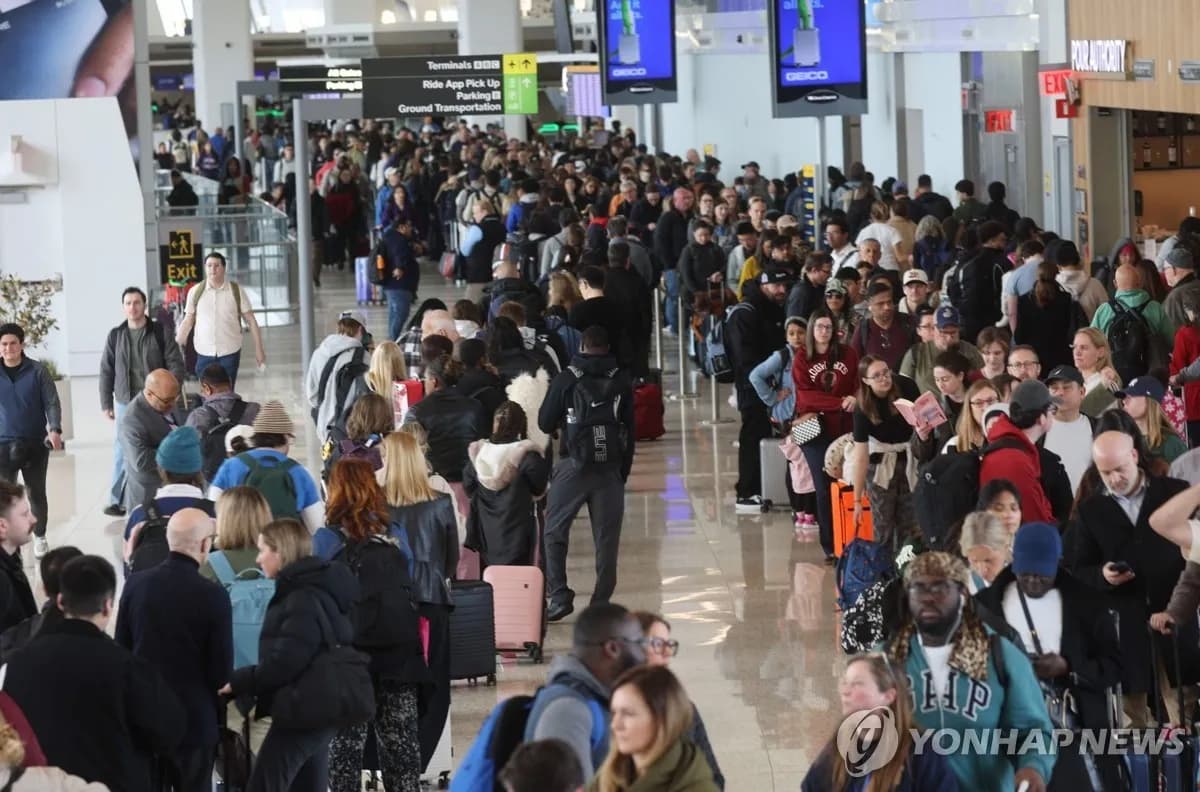
Trump Orders Pay for US Airport Security Staff Amid Shutdown Chaos
President Trump orders emergency pay for airport security staff
NY Stock Market Plunges on Prolonged Iran War Concerns…Dow Enters Correction Territory
NY stock market's three major indices close lower on Iran war prolongation concerns
Tiger Woods Involved in Car Crash in Florida
Tiger Woods involved in car crash in Florida, confirmed by police