Sony Abandons PC Multi-Platform Strategy, Returns to PS5 Exclusivity
Six-year experiment ends… Single-player games to remain console-exclusive, except live service titles
- •Sony is abandoning its six-year PC multi-platform strategy and returning major single-player games to PS5 exclusivity.
- •Declining Steam sales and poor profitability drove the decision, while live service games will continue PC releases.
- •This move directly opposes Microsoft's platform-opening strategy, focusing instead on strengthening the console ecosystem.
Background of the Strategic Shift
Sony Group has decided to discontinue PC releases of major PlayStation 5 single-player games. According to Bloomberg, citing multiple sources, this effectively abandons the multi-platform strategy that began in 2019, as Sony has determined that the returns no longer justify the investment.
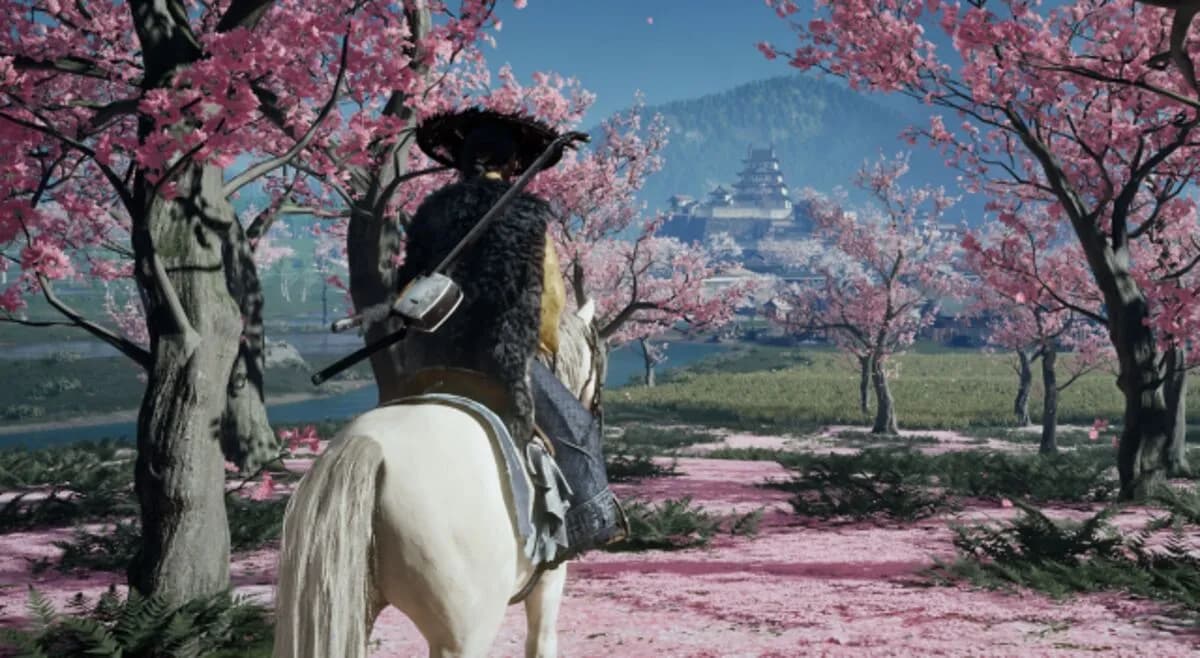
The samurai action game 'Ghost of Yotei' released last year, 'Saros' scheduled for April 30, and Insomniac Games' 'Marvel's Wolverine' set for September 15 will remain PS5 exclusives. However, live service-based online games like 'Marathon' and 'Marvel Tokon' will still launch simultaneously on PC and PS5.
What the Sales Data Reveals
The core reason behind this decision lies in the poor sales performance of PC ports. Sales trends on Steam for Sony's flagship franchises showed a pattern of sharp decline with each sequel. PC versions of the 'God of War' and 'Spider-Man' series in particular fell far short of expectations, with internal assessments reportedly concluding that profitability was insufficient relative to development and porting costs.
Since 2019, Sony has been porting major PS exclusives to PC, starting with 'Horizon Zero Dawn' and 'Days Gone'. Initially, PC versions were released 2-3 years after console launch, but this gap had been gradually narrowing. However, the company has concluded that this strategy failed to generate the new revenue streams it had anticipated.
Changing Competitive Dynamics
Sony's decision stands in stark contrast to Microsoft's opposite approach. MS is strengthening its 'platform-neutral' strategy, releasing Xbox games on all platforms including PS5. Focused on expanding its subscription service ecosystem centered on Xbox Game Pass, Microsoft prioritizes reaching more users over platform exclusivity.
Sony, conversely, appears to be returning to the traditional console business model of hardware sales and platform ecosystem reinforcement. This is interpreted as renewed emphasis on using exclusive titles to drive PS5 console sales and increase PlayStation Network subscriptions.
Historical Industry Context
The tug-of-war between platform exclusivity and multi-platform strategies has long been a central debate in the gaming industry. Since the console wars between Nintendo and Sega in the 1990s, exclusive titles have been a key driver of hardware sales. While rising development costs and digital distribution expansion made multi-platform releases the norm from the mid-2000s onward, Sony and Nintendo have maintained platform differentiation through strong first-party IPs.
Sony's 2019 entry into PC was considered quite radical at the time. However, after six years of experimentation, Sony appears to have concluded that its competitive advantage lies in an integrated hardware-software ecosystem. The unique hardware features of PS5 (DualSense controller, SSD-based ultra-fast loading, etc.) and the gaming experiences they enable are reportedly difficult to fully replicate on PC, which also factored into the decision.
Future Outlook [AI Analysis]
Sony's decision could mark an important turning point in platform strategies across the gaming industry. In the short term, PS5 hardware sales are expected to strengthen, as gamers seeking exclusive titles will have no choice but to purchase the console.
However, long-term risks exist. By abandoning the PC gamer market, Sony is cutting off a potential revenue stream, and given that PC gaming dominates in Asian markets, this could limit market expansion opportunities. Additionally, if Microsoft's open strategy builds a larger ecosystem over time, Sony's closed model could lose competitiveness.
The continued multi-platform release of live service games is also noteworthy. This suggests Sony still recognizes the importance of the PC market for sustained revenue models. Ultimately, Sony's strategy appears to be crystallizing into a dual approach: 'premium single-player experiences remain exclusive, while long-term operation games stay open.'
댓글 (4)
Sony에 대해 더 알고 싶어졌습니다. 후속 기사 부탁드립니다.
공감합니다. 참고하겠습니다.
기사 잘 봤습니다. 다른 시각의 분석도 읽어보고 싶네요.
흥미로운 주제입니다. 주변에도 공유해야겠어요.
More in Gaming

Call of Duty Black Ops 7 'Endgame' mode will be available for free starting April 2

Call of Duty Black Ops 7 Season 3 revives the ‘Free Run’ mode loved by fans

Warzone Season 3 introduces battle royale map rotation for the first time ever

Screamer, a meeting of 90's arcade racing and animation

Pokémon Champions significantly lowers the barrier to entry into competitive play

Pokemon Champions, not all Pokemon will appear at launch
Latest News
"간부 잘 아는데 교통비 좀" 휴가 군인들 돈 뜯은 50대 구속
50대 A씨가 휴가 중인 군인들에게 부대 간부를 아는 척 접근해 돈을 사취

英 옥토퍼스, 이란 전쟁 이후 태양광 판매 50% 증가
이란 전쟁 이후 영국 옥토퍼스의 태양광 판매량 50% 증가
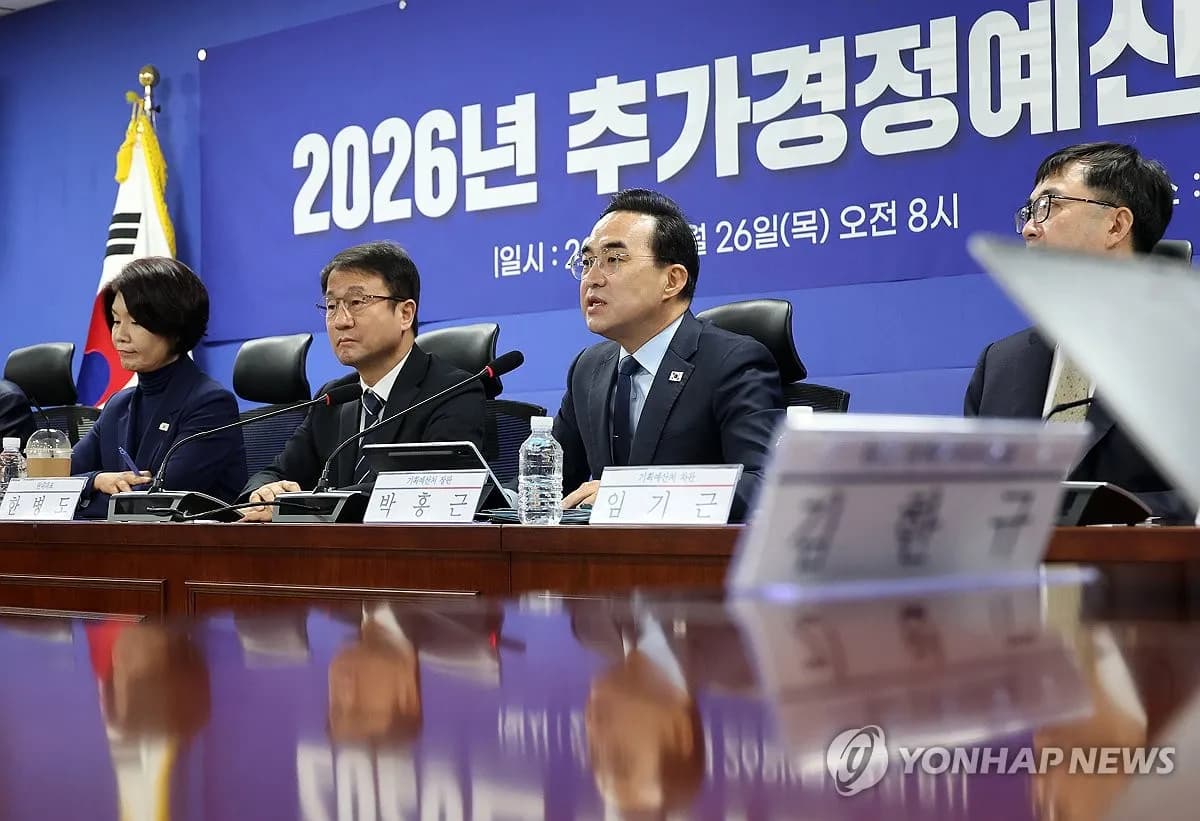
당정 "추경, 지방·취약계층에 더 지원되는 방식으로"
당정이 지방자치단체와 취약계층 중심의 추경 편성 방침 재확인
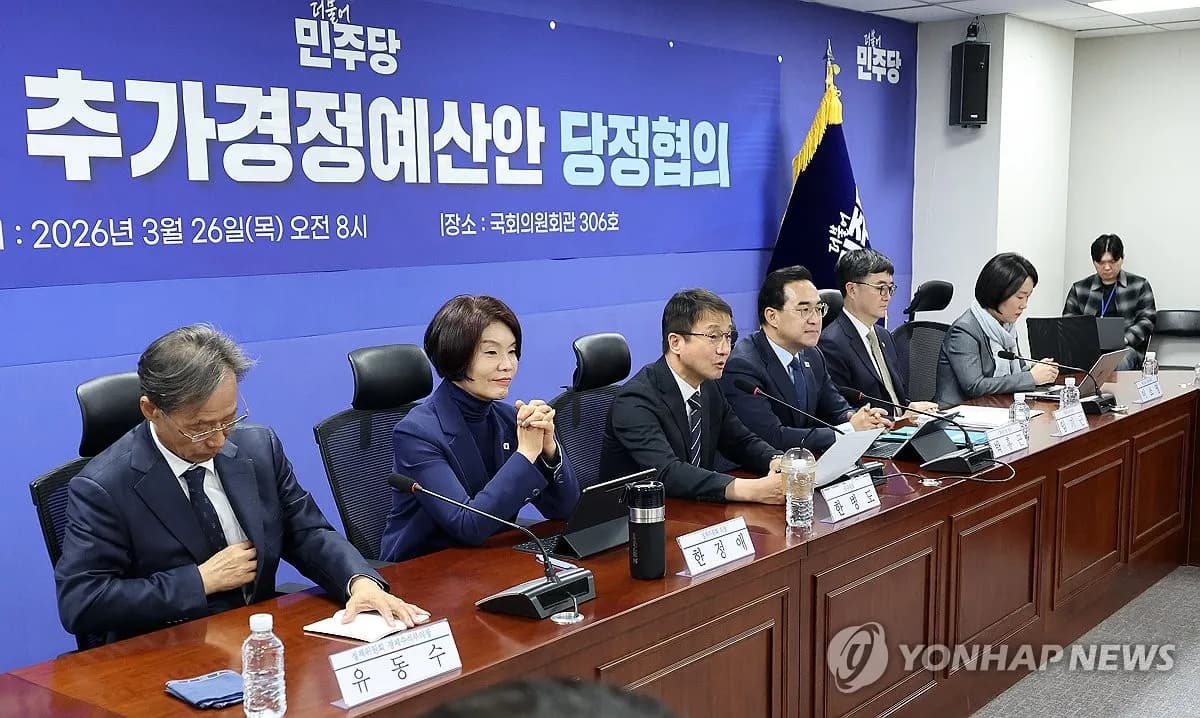
당정, 석유 최고가격제 손실 보전을 추경에 반영키로
당정이 석유 최고가격제 손실을 추경에 반영하기로 결정

어머니 폭행하고 금팔찌 빼앗은 30대 아들 경찰에 붙잡혀
어머니 폭행 후 금팔찌 빼앗은 30대 남성 체포

아이티 갱단 폭력사태로 10개월간 5천명 이상 사망
아이티에서 지난 10개월간 갱단 폭력으로 5천명 이상 사망

서방 정보당국 "러시아, 우크라이나 전쟁 후 이란에 드론·식량 공급"
서방 정보당국, 러시아의 이란 드론·식량 공급 작업 거의 완료 파악

6년 전 세 살 딸 살해한 30대 친모 구속송치
경찰, 6년 전 세 살 딸 살해 혐의 30대 친모를 구속송치