St. Louis Schools Revolutionizing Classrooms with AI Education Tools
From elementary to university, AI chatbots and tutors are being integrated—focus on teaching ethical usage

- •Schools in the St. Louis area are introducing AI chatbots into classrooms to teach students ethical usage practices.
- •Districts are creating teacher-led AI environments using platforms like SchoolAI and Brisk, gradually integrating them into educational settings.
- •Moving away from initial blocking, schools have shifted toward using AI as an assistive tool through structured experimentation and teacher training.
AI Chatbots Appear in Math Class
Schools in the St. Louis area of Missouri are beginning to integrate artificial intelligence (AI) into everyday classrooms. Last September, a 7th-grade math class at Sperreng Middle School in the Lindbergh School District looked different from before. Instead of textbooks, students pulled out iPads, scanned a QR code displayed on the whiteboard, and within seconds began conversing with an AI chatbot that explained rational number concepts.
Teacher Matt Carmody used the SchoolAI platform to create a teacher-controlled AI environment. Following his guidance to "ask the AI if you had any difficulties with yesterday's homework," students naturally began posing questions to their AI tutor.
Why Schools Are Adopting AI
St. Louis area education authorities have determined that teaching students how to use AI ethically and responsibly is an educator's duty. Colleen Davitt, AI and Blended Learning Director for Lindbergh Schools, emphasized that "it's our responsibility to prepare students for a world where this technology becomes everyday life."
Since ChatGPT's launch in November 2022, AI chatbots have spread so rapidly that they've become the fourth most-visited website globally. While schools initially blocked ChatGPT to prevent cheating, they have now shifted toward incorporating AI into classrooms in a structured manner.
Kirkwood School District formed a committee of librarians, counselors, and administrators who spent 18 months vetting various AI tools and developing ethical guidelines. After conducting "micro-pilot" experiments in select classrooms, they began AI training for teachers in January of this year.
Rockwood School District has authorized staff and students to use multiple AI tools, teaching AI usage and citation rules in online courses for high school students. However, ChatGPT remains inaccessible at home on school devices.
Hancock Place School District has set a goal for at least 75% of high school teachers to use AI tools by year's end. Technology Director Michelle Duxson explained, "We're supporting teachers across all grades to use AI for enhancing creativity and improving work efficiency."
Cautious Approach, but Moving Quickly
Most districts are still in early stages. They're proceeding step-by-step by establishing guidelines, testing tools, and conducting teacher training. Some schools have approved education-specific platforms like Snorkl, Brisk, and SchoolAI, enabling teachers to use them for lesson preparation, student assessment, and personalized learning support.
Educators view AI not as a replacement for teachers but as an assistive tool. This includes creating environments where students can ask questions to virtual tutors after school, or analyzing data to help teachers provide customized support for individual students.
Future Outlook [AI Analysis]
The St. Louis case demonstrates a typical pattern that schools nationwide are experiencing in AI adoption. Moving beyond initial blanket blocking toward gradual acceptance through structured experimentation and teacher-led control.
Over the coming years, AI will likely expand beyond simple chatbots to learning analytics, personalized curriculum design, and real-time feedback systems. However, as the education community emphasizes, without accompanying ethical usage education and redefinition of human teachers' roles, technology adoption alone will struggle to show results.
Challenges remain, including student data protection, algorithmic bias, and concerns about declining critical thinking skills. Whether the current approach of careful yet proactive AI integration by school districts will become the standard for future education innovation bears watching.
댓글 (4)
관계자분들의 노력에 박수를 보냅니다.
이런 긍정적인 뉴스가 더 많았으면 좋겠습니다.
저도 정말 기쁜 소식이라고 생각합니다!
Schools 정말 대단하네요! 좋은 소식입니다.
More in Life

브라질 볼소나로 전 대통령, 건강 악화로 임시 가택연금 조치
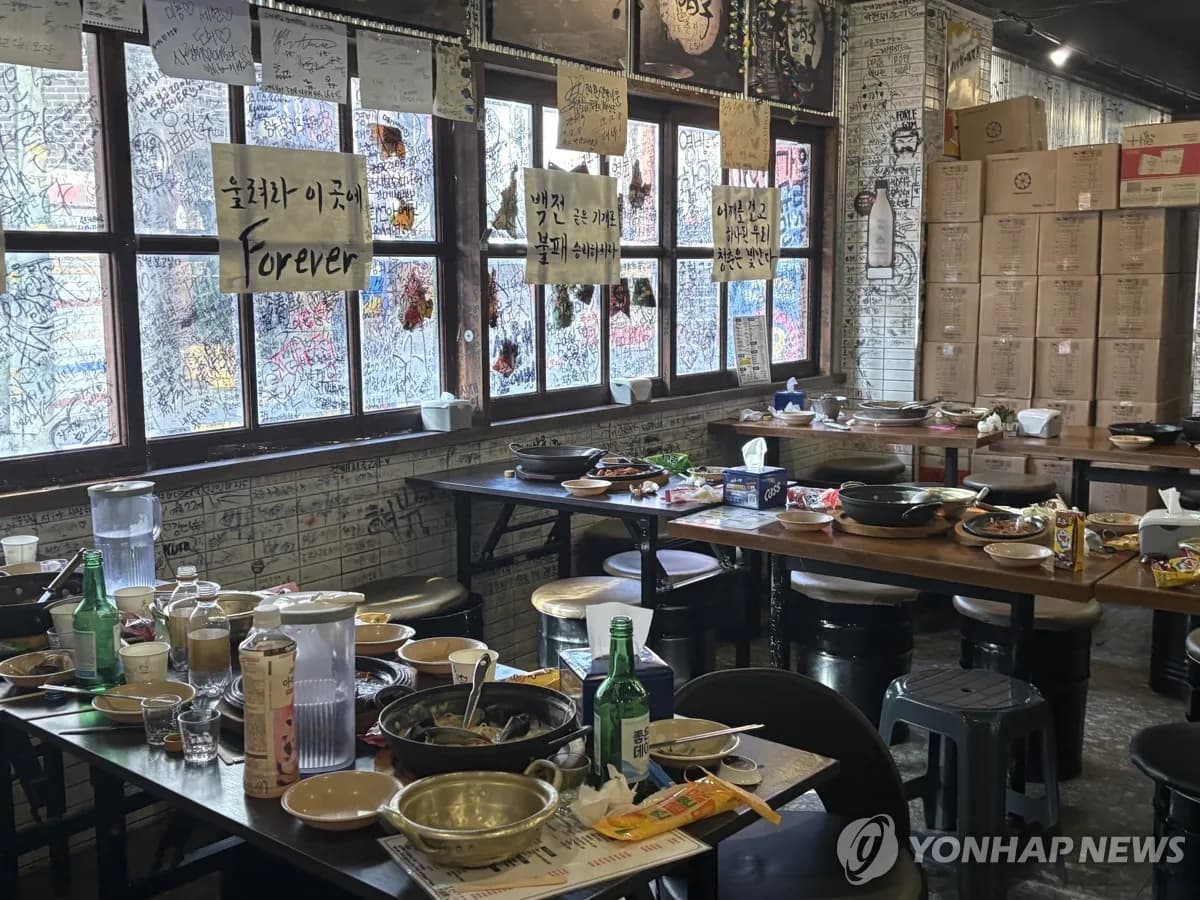
The decline of university bars, the end of the ‘pour and drink’ era

NASA appoints Jennifer Lyons as new director of Launch Services Program

NASA Shared Services Center Releases Fiscal Year 2026 Service Catalog and Performance Report

James Webb Telescope captures Saturn's icy rings in infrared light

Japanese elementary school students' #1 future wish is to be a 'streamer'... surpassing doctors and teachers
Latest News
"간부 잘 아는데 교통비 좀" 휴가 군인들 돈 뜯은 50대 구속
50대 A씨가 휴가 중인 군인들에게 부대 간부를 아는 척 접근해 돈을 사취
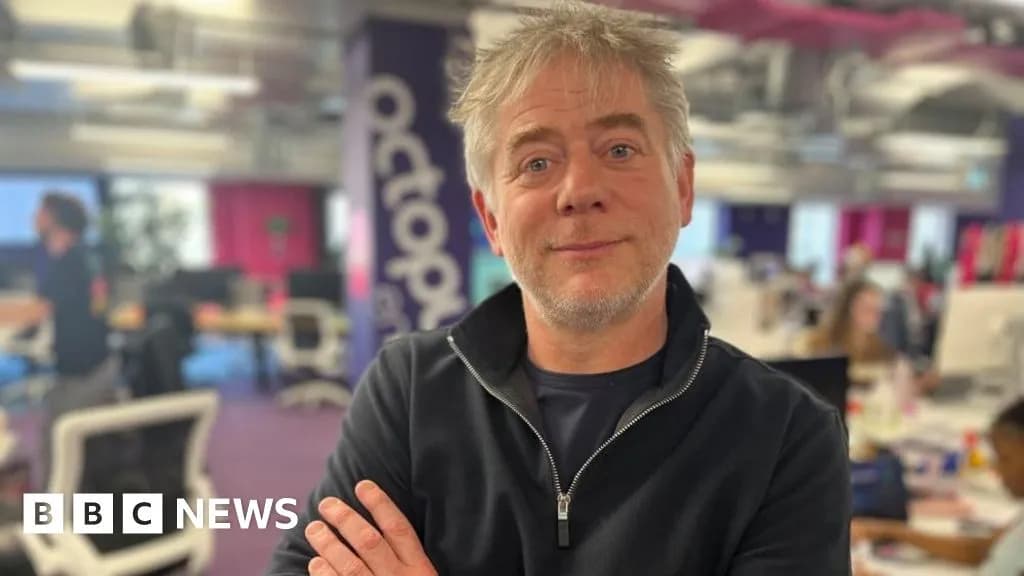
英 옥토퍼스, 이란 전쟁 이후 태양광 판매 50% 증가
이란 전쟁 이후 영국 옥토퍼스의 태양광 판매량 50% 증가
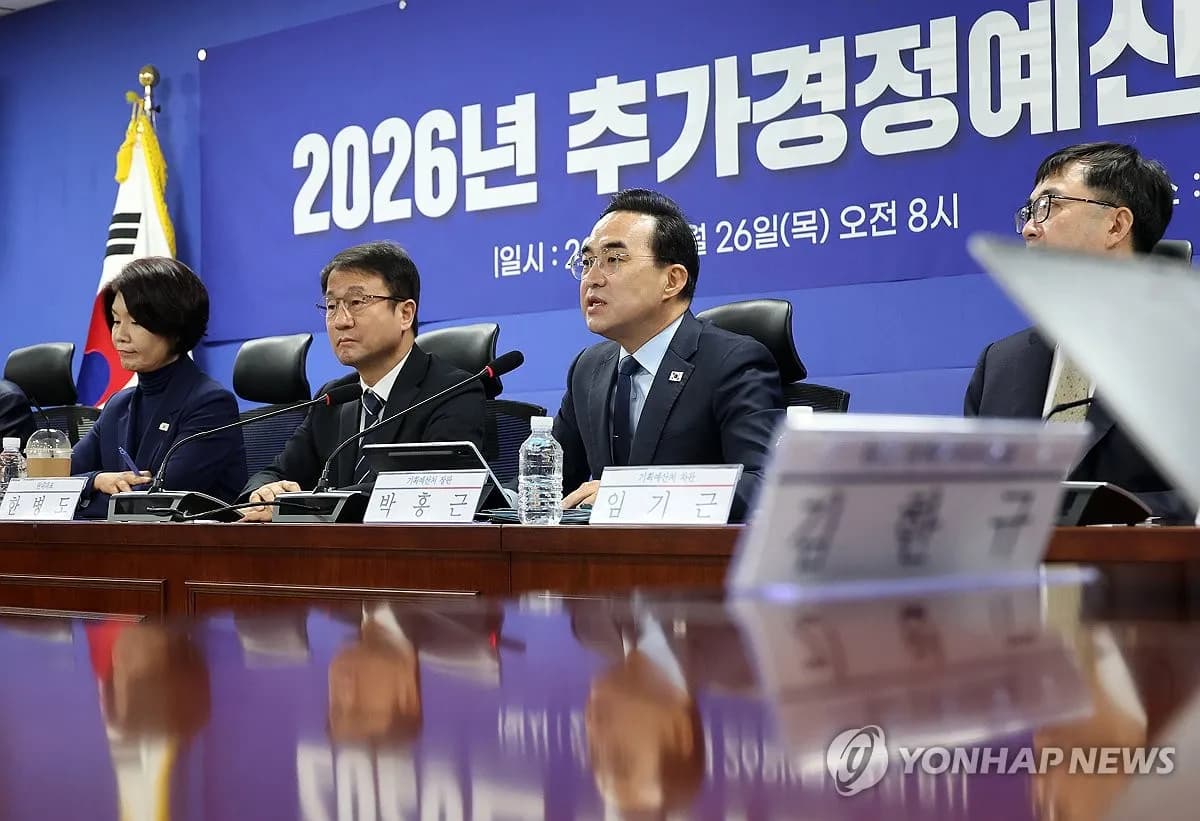
당정 "추경, 지방·취약계층에 더 지원되는 방식으로"
당정이 지방자치단체와 취약계층 중심의 추경 편성 방침 재확인

당정, 석유 최고가격제 손실 보전을 추경에 반영키로
당정이 석유 최고가격제 손실을 추경에 반영하기로 결정
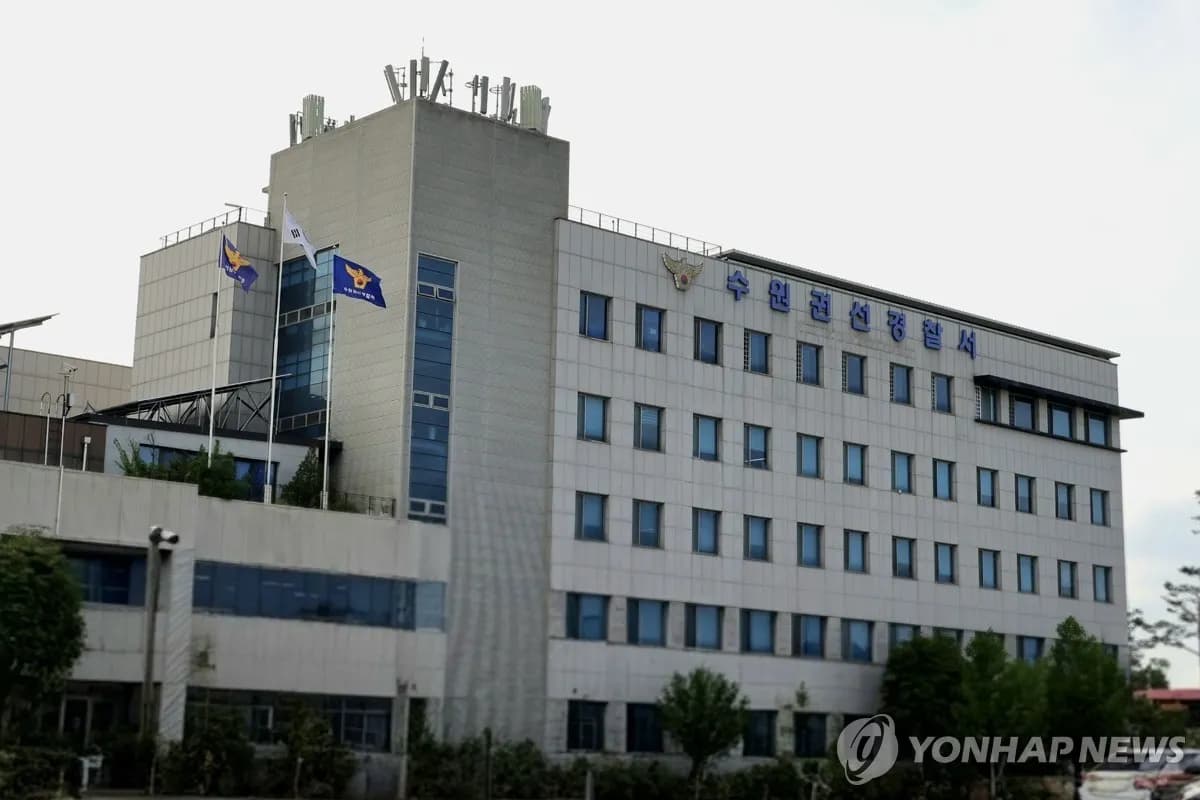
어머니 폭행하고 금팔찌 빼앗은 30대 아들 경찰에 붙잡혀
어머니 폭행 후 금팔찌 빼앗은 30대 남성 체포

아이티 갱단 폭력사태로 10개월간 5천명 이상 사망
아이티에서 지난 10개월간 갱단 폭력으로 5천명 이상 사망

서방 정보당국 "러시아, 우크라이나 전쟁 후 이란에 드론·식량 공급"
서방 정보당국, 러시아의 이란 드론·식량 공급 작업 거의 완료 파악

6년 전 세 살 딸 살해한 30대 친모 구속송치
경찰, 6년 전 세 살 딸 살해 혐의 30대 친모를 구속송치