Sudan War, Year Four: Three in Four Women Report Feeling Unsafe Every Day
UNFPA survey of 1,000 women across 16 states finds displacement camps offer no refuge from violence
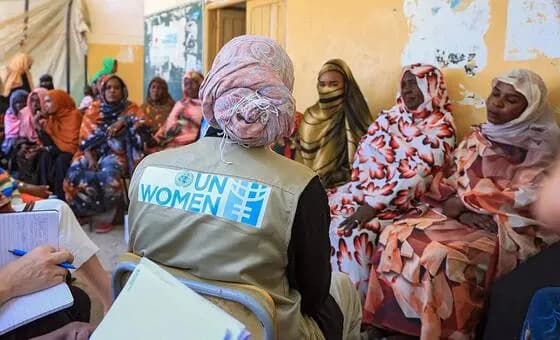
- •76% of displaced women in Sudan report feeling unsafe both inside and outside displacement camps.
- •UNFPA's survey found that women's top priority is economic empowerment, not food aid.
- •Funding for protection and health sectors stands at just 14% and 11% of identified needs.
No Safe Place, Not Even the Camps
Women and girls across war-torn Sudan face relentless danger—whether fleeing active combat or sheltering in displacement camps. A large-scale assessment by the UN Population Fund (UNFPA), drawing on 95 focus group discussions across 16 of Sudan's 18 states, found that 76 percent of women aged 25 to 49 feel unsafe both inside and outside displacement sites.
Fabrizia Falcione, UNFPA Country Representative in Sudan, briefed journalists in New York on April 17, stating: "No matter where they are, they feel unsafe—and this is not about a few incidents or a few locations." Markets, water points, firewood collection areas, roads, and streets have all become danger zones in daily life.
Darkness as a Weapon
Falcione singled out the lack of lighting in camps as a critical risk factor. Women—including pregnant women—are forced to walk through completely unlit camps in the middle of the night to reach latrines, making them acutely vulnerable to assault. During field visits across northern states, Khartoum, and the White and Blue Nile regions, she found that most women had "lived under shelling and active conflict for many months" and had been displaced multiple times.
Reporting gender-based violence (GBV) remains exceedingly difficult due to stigma, fear of retaliation, financial barriers, and distance from service providers. "The road to safety is actually not safe at all," she said.
What Women Want: Opportunity, Not Handouts
Three quarters of respondents identified economic empowerment and livelihoods as their top priority. Field missions confirmed that women want to return home. "They ask for three things," Falcione said: "access to basic health services, access to schools for their children, and livelihood opportunities." She was emphatic: "They don't want to be fed. They want opportunities to feed their own families."
Yet funding remains catastrophically short. The protection sector is funded at just 14 percent of identified needs; health at 11 percent. UNFPA currently operates 88 safe spaces for women and girls across Sudan, but chronic underfunding threatens their sustainability.
A Crisis Built Over Decades
Sudan's current catastrophe is the product of decades of structural fragility. After long-time dictator Omar al-Bashir was ousted in 2019, the country attempted a civilian-military transitional arrangement. That ended with a coup in October 2021 by SAF commander General Abdel Fattah al-Burhan.
The full-scale war erupted in April 2023, when the SAF and the paramilitary Rapid Support Forces (RSF)—descended from the Janjaweed militias notorious for mass atrocities in Darfur—turned on each other in a struggle for power. Three years on, the front lines remain largely frozen, with the RSF controlling much of Khartoum and western Sudan.
The UN classifies this as one of the world's worst humanitarian crises: roughly 12 million people have been displaced, many fleeing to Egypt, Chad, and Ethiopia. South Korea evacuated its diplomatic staff and nationals from Khartoum in 2023 and continues to contribute to multilateral humanitarian response funds.
Outlook [Expert Analysis]
Analysts assess that near-term conflict resolution is unlikely, as neither the SAF nor the RSF has sufficient incentive to negotiate seriously. Regional mediation efforts—including the African Union process and the Saudi-led Jeddah talks—have yet to yield meaningful results.
Humanitarian funding is likely to remain constrained as donor attention and resources continue to be divided across simultaneous crises in Ukraine, Gaza, and elsewhere. The severe underfunding UNFPA has identified in the protection and health sectors could further erode the capacity to respond to GBV.
Long-term conflict studies from the DRC and Syria suggest that as wars drag on, sexual violence tends to become more systematic and organized—a pattern that may intensify in Sudan. South Korea, drawing on its own history of post-conflict reconstruction, faces growing calls to play a more active role in multilateral conflict mediation and development assistance for Sudan.
댓글 (22)
잘 보고 있습니다.
친구한테도 추천했습니다.
예상보다 심각합니다. Year 위기가 오히려 구조 전환의 계기가 되길 바랍니다. 함께 극복해야 할 문제입니다.
우려가 큽니다. 수단이 이 지경까지 올 줄은 몰랐습니다. 심층 기사도 기대합니다.
걱정이 많이 됩니다. 젠더기반폭력 관련 데이터를 잘 정리해주셨습니다.
Sudan이 이 지경까지 올 줄은 몰랐습니다.
War 추이를 계속 지켜봐야 할 것 같습니다.
Year의 근본 원인을 분석하는 기사도 기대합니다. 전문가 의견이 더 필요합니다.
수단 추이를 계속 지켜봐야 할 것 같습니다.
젠더기반폭력에 취약한 계층을 위한 안전망이 필요합니다.
Sudan 관련 전문가 분석이 더 필요합니다. 전문가 의견이 더 필요합니다.
유익한 기사네요.
현실이 녹록지 않네요. Year이 이 지경까지 올 줄은 몰랐습니다.
수단이 소상공인에게 미치는 영향이 클 것 같습니다. 유익한 기사입니다.
젠더기반폭력 관련 수치가 이렇게 심각한 줄 처음 알았습니다.
서민들 피해가 걱정됩니다. Sudan이 소상공인에게 미치는 영향이 클 것 같습니다.
상황이 심각하네요. War에 취약한 계층을 위한 안전망이 필요합니다.
대비가 부족했던 것 같습니다. Year에 취약한 계층을 위한 안전망이 필요합니다. 심층 기사도 기대합니다.
수단의 근본 원인을 분석하는 기사도 기대합니다.
걱정이 많이 됩니다. 젠더기반폭력 관련 수치가 이렇게 심각한 줄 처음 알았습니다. 유익한 기사입니다.
Sudan의 근본 원인을 분석하는 기사도 기대합니다. 계속 관심을 가져야겠습니다.
우려가 큽니다. War 위기가 오히려 구조 전환의 계기가 되길 바랍니다. 유익한 기사입니다.
More in Global

Latest News
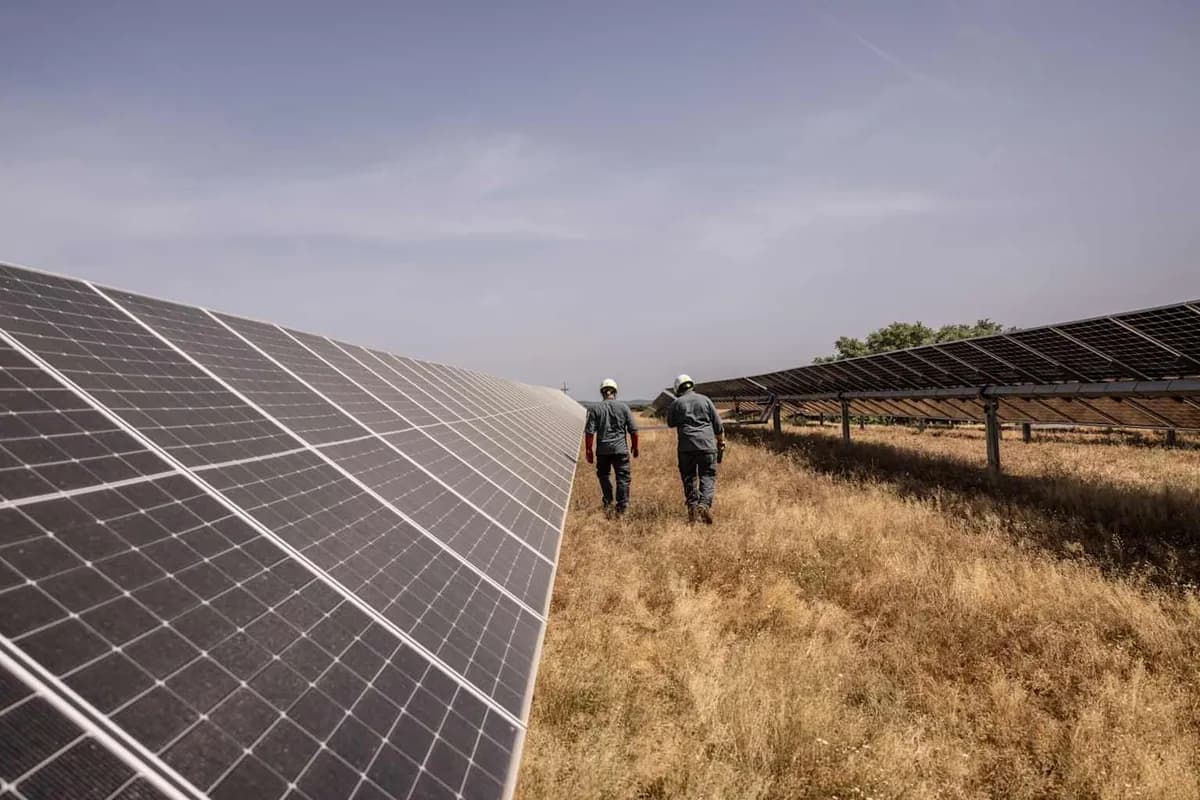
이란 분쟁이 당긴 에너지 대전환의 방아쇠
이란의 호르무즈 해협 봉쇄로 전 세계 석유 공급 20%가 차단됐다.
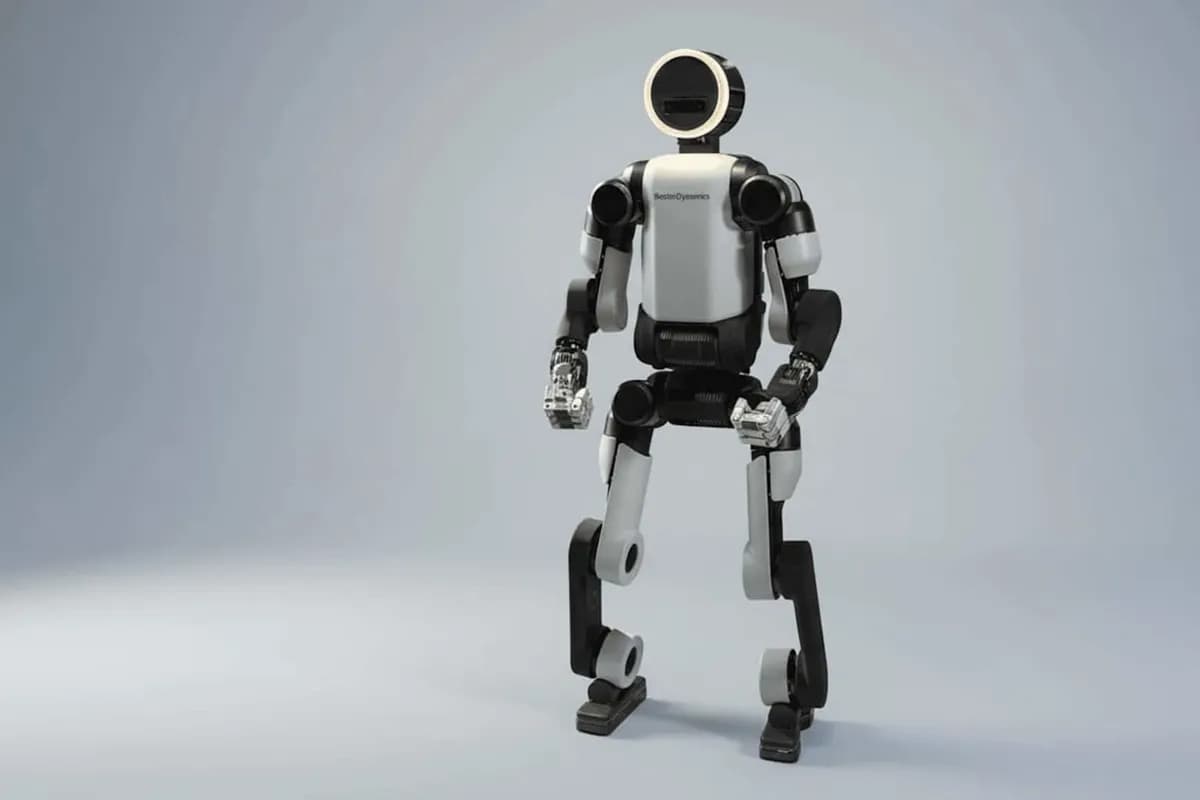
현대차그룹, 방산·레거시 부품 팔고 로보틱스·AI 기업으로 변신
현대차그룹이 방산·레거시 부품 사업을 매각하고 로보틱스 기업으로 전환 중이다.
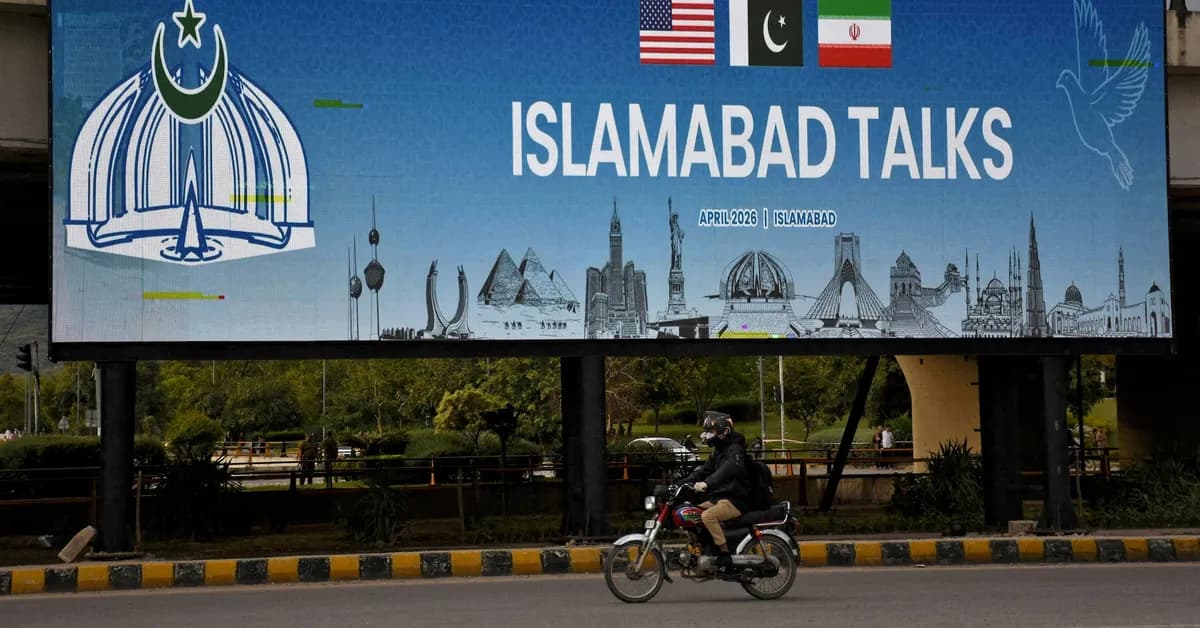
파키스탄, 이란 협상단 귀환길에 전투기 24대 호위 전격 배치
파키스탄 공군이 전투기 24대로 이란 협상단 귀환을 호위, 이스라엘 공격 위협에 대응했다.
Mortgage Rates Show Signs of Falling After Iran War Peak
Markets find relief as Iran war truce talks emerge
코스피, 2주 만에 815포인트 급등 후 숨 고르기
코스피는 주간 5.68% 올라 2주 연속 상승, 2주 누적 상승률은 2008년 이후 최대.
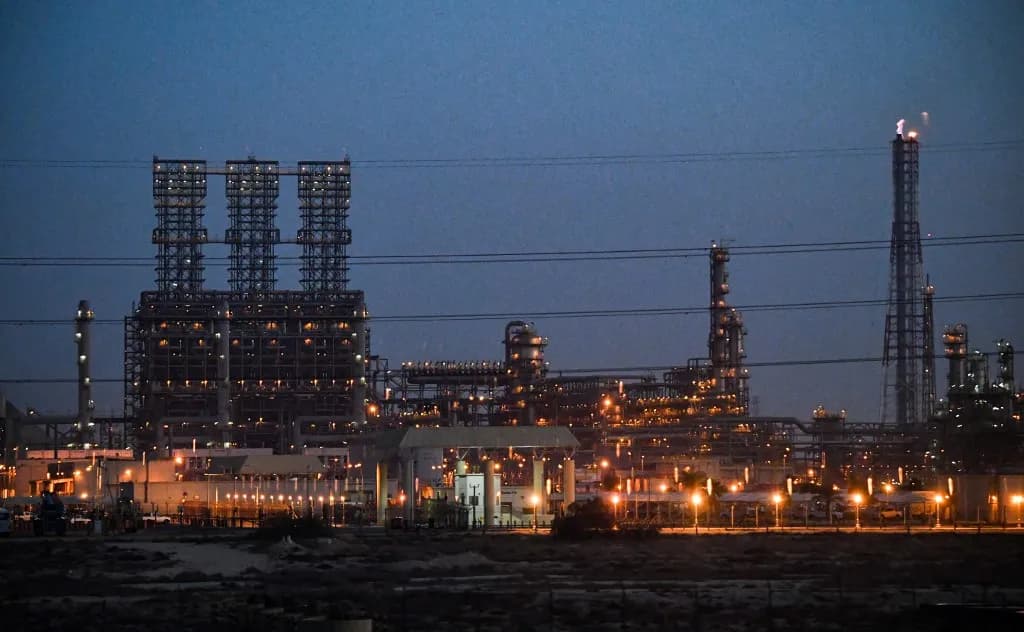
사우디 '유전 복구 수개월 걸린다'...유가 급락과 현실의 괴리
사우디 재무장관, 걸프 에너지 생산 회복에 수개월 소요 가능성 경고.