New War in the Age of AI: Iran’s Information Operations and U.S. Response
Iran's digital influence system, built since 2010, evolves into generative AI
- •Trump administration publicly criticized Iran's disinformation operation using AI
- •Experts analyze that Iran's influence operation is a more complex propaganda system than simple disinformation
- •Iran's digital infrastructure, built since 2010, is emerging as a new threat by combining with AI.
Key facts: US-Iran battle over AI disinformation
The US Trump administration warned that the Iranian regime is using generative artificial intelligence (AI) to spread false information. President Donald Trump said at an event on March 16, "Iran has been a country based on disinformation for years, and now they are combining it with AI."
Secretary of Defense Pete Hegseth also pointed out in a briefing on March 19 that a fake video of the USS Abraham Lincoln aircraft carrier burning was being distributed. “AI-generated images make it look like something happened that didn’t actually happen,” he explained. “Iran creates fake reports and images to lie to its citizens.”
Why It Matters: The Nature and Complexity of Information Warfare
However, experts analyze that Iran's influence operations are much more complex than the simple definition of a 'disinformation state'. “Iran covertly distributes state propaganda through fake news websites, spoofed social media accounts, and proxy media networks,” said Emerson Brooking, director of strategy at the Atlantic Council’s Digital Forensics Institute. “While the content is biased and covertly deployed, it is rarely outright fabricated.”
“Iran is a country that has made secret propaganda a core tool of its national security policy,” Brooking said. “This is a serious problem, but it is a problem of a different nature from ‘disinformation’ as most people understand it.”
Martha Alimardani, deputy director of technology threats and opportunities at the international human rights group Witness, added that Iran's information control mechanism includes not only disinformation but also censorship and internet blocking.
Historical context: Building digital influence starting in 2010
According to the Atlantic Council, Iran is a pioneer in building digital influence capabilities. Iran has been operating fake accounts on Facebook and Twitter (now X) since 2010.
The turning point was the green movement called the ‘Twitter Revolution’ in 2009. After the democratization protests, the Iranian regime began building an influence operation infrastructure in earnest. By 2011, thousands of people were recruited and trained in blogging, content creation, and multimedia design, and a large number of bots and social media accounts were created to spread messages while hiding the fact that the government was operating.
“These campaigns manually create social media accounts, infiltrate specific online communities, and then use the influence they gain over time to push Iran’s agenda and divide citizens of geopolitical rivals,” said researcher Darren Lee.
America's response and limitations
The U.S. State Department's Center for Global Affairs launched the 'Iran Disinformation Project' in 2018 during the first Trump administration. The program was intended to detect intentionally false messages in Iran's "official rhetoric, state propaganda outlets, and social media manipulation."
However, the program was scrapped in 2019 after its official Twitter account came under criticism for targeting journalists, activists and academics. It is known that the current Trump second administration is dismantling other agencies that were established to respond to foreign influence operations.
Future outlook [AI analysis]
It is difficult to attribute all the misinformation flooding social media to Iranian influence operations. Experts point out that many accounts spreading misinformation are not connected to the Iranian regime.
However, as the development of generative AI makes it easier to create false images and videos, the threat of state-led influence operations is likely to increase. Especially in wartime situations, AI-generated content can be used as a tool for immediate public opinion manipulation.
The combination of Iran's 15 years of digital influence infrastructure and AI technology heralds a new form of information warfare. However, as the number of U.S. agencies responsible for responding to this is shrinking, it is difficult to rule out the possibility that a vacuum will arise in this field in the future.
In a situation where the line between information operations and disinformation is becoming blurred, strengthening citizens' media literacy and platform companies' responsible response will likely become more important than ever.
댓글 (5)
New 문제는 양쪽 입장을 모두 들어봐야 할 것 같습니다.
댓글란이 과열되지 않았으면 합니다. 차분한 논의가 필요해요.
차분한 논의가 필요하다는 말에 공감합니다.
이 문제의 본질이 무엇인지 깊이 생각해볼 필요가 있습니다.
균형 잡힌 시각이 필요하다는 데 동의합니다.
More in Global

Oh Se-hoon: "I Would Choose 5th Term as Seoul Mayor Over Presidency"

Three Arrested in Paris After Attempted Bomb Attack Near Bank of America

Three Journalists Killed in Israeli Strike on Southern Lebanon, Hundreds Mourn in Beirut
Two Australian States Offer Free Public Transport as Iran War Drives Up Fuel Prices
Iranian Missile Strikes Israeli Industrial Zone—Major Fire and Hazardous Material Leak
Trump Shares Pastor's Letter Amid Month-Long Iran War: "Blessed Are the Peacemakers"
Latest News

BTS' 'Arirang' Tops Billboard 200 Chart—Seventh No. 1 Album
BTS's new song 'Arirang' achieves No. 1 on U.S. Billboard 200 chart
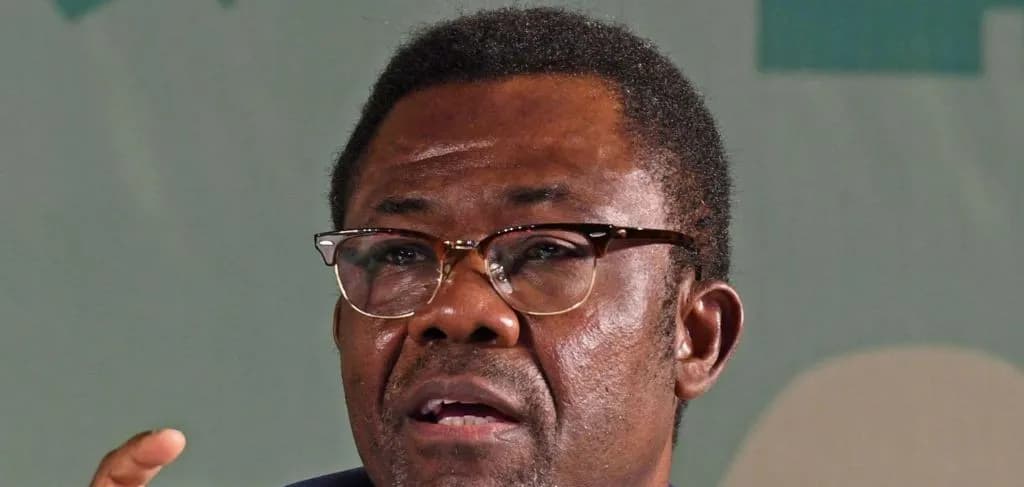
African Football Chief Resigns Amid Morocco-Senegal Final Controversy
CAF Secretary General Veron Mosengo-Omba resigns amid Morocco-Senegal final controversy

Passenger in 90s Dies After Falling onto Train Tracks at Namwon Station
Passenger in 90s fell onto tracks while following departing train at Namwon Station, North Jeolla Province

26-Year-Old Man Shot Dead in Car Near London Euston Station
26-year-old man shot dead in car near London Euston station
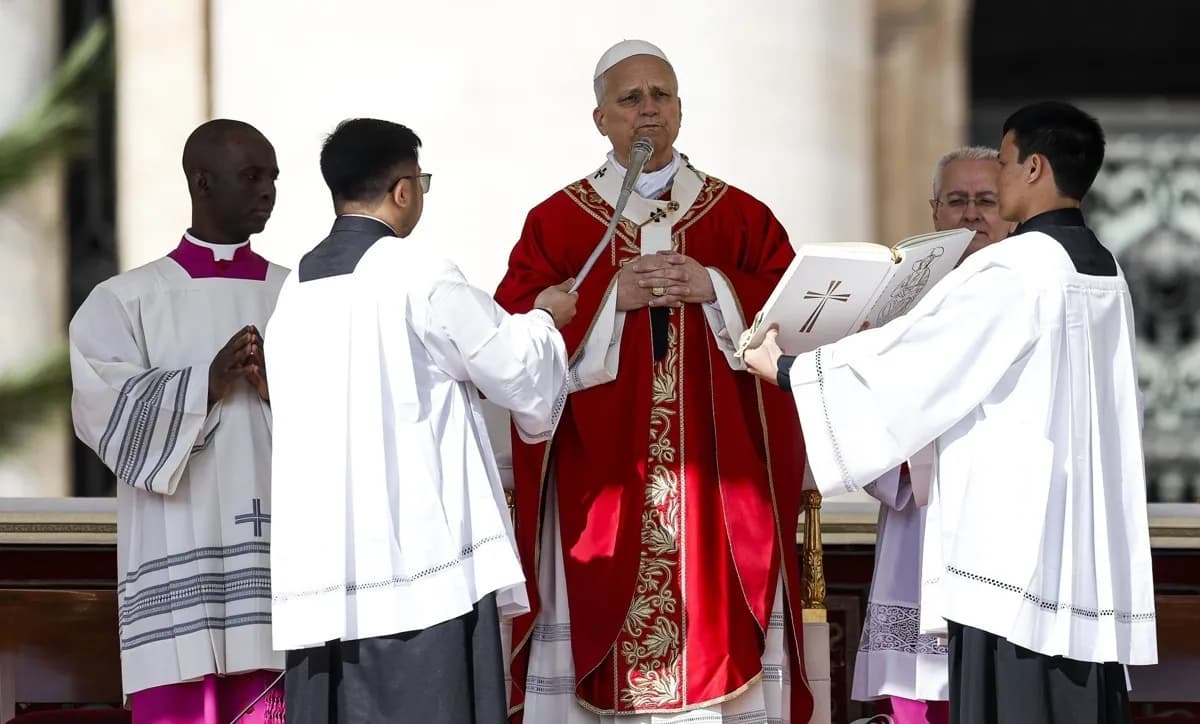
Pope: "Prayers of Those Waging War Will Be Rejected"
Pope Leo XIV states on 29th that "prayers of those waging war will be rejected"
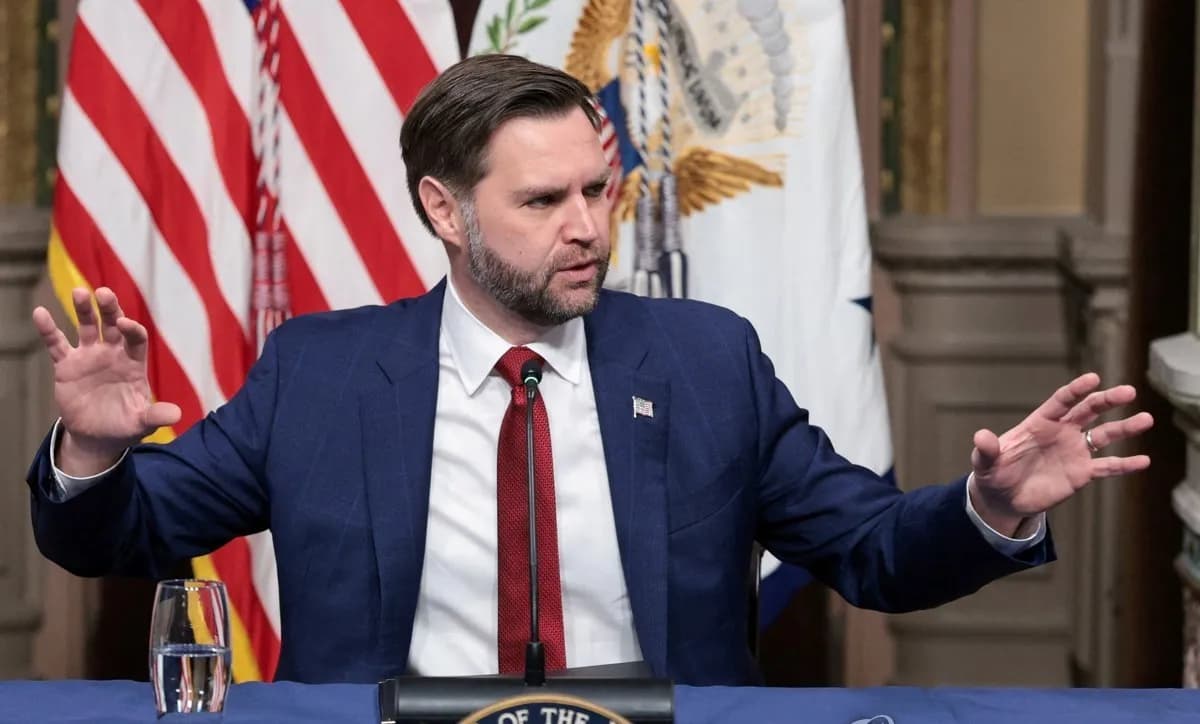
VP Vance Says U.S. Will "Soon Exit" War with Iran
U.S. VP JD Vance says U.S. will "soon exit" war with Iran