U.S. Detains Venezuelan President Maduro... China Demands 'Immediate Release'
Scheduled to Appear in New York Court on Drug Trafficking Charges... International Backlash Spreads

- •The United States has forcibly detained Venezuelan President Maduro and his wife, charging them with drug trafficking, with a court appearance scheduled in New York on January 5.
- •China's Ministry of Foreign Affairs has characterized this as a violation of international law and demanded immediate release and cessation of attempts to overthrow the government.
- •The unilateral arrest of a sitting head of state raises international legal controversy and is expected to impact Latin American regional security.
First Court Appearance in New York Imminent
Venezuelan President Nicolás Maduro and his wife Cilia Flores, who have been forcibly detained by the United States, are scheduled to make their first appearance at the U.S. District Court for the Southern District of New York at noon local time on January 5. According to CBS News, the two are currently being held at the Metropolitan Detention Center in Brooklyn, New York.
In a superseding indictment released on January 3, the U.S. District Court for the Southern District of New York charged President Maduro, his family members, and several cabinet officials with drug trafficking and other offenses. This case has sparked international legal controversy as it represents a unilateral military operation by the United States against a sitting head of state.
China Urges Immediate Release
China's Ministry of Foreign Affairs issued an official statement on January 4 in response to a reporter's question. A ministry spokesperson stated, "We express serious concern over the United States' forcible detention and transfer of President Maduro and his wife," and criticized that "the U.S. actions clearly violate international law, basic norms of international relations, and the purposes and principles of the UN Charter."
China demanded that the United States ensure the personal safety of President Maduro and his wife, release them immediately, cease attempts to overthrow the Venezuelan government, and resolve issues through dialogue. Multiple national governments have also reportedly expressed opposition to the U.S. actions.
History of U.S.-Venezuela Conflict
The conflict between the United States and Venezuela intensified after Hugo Chávez came to power in 1999. As the left-leaning Chávez government pursued oil resource nationalization and an anti-American diplomatic line, bilateral relations rapidly deteriorated.
After Chávez's death in 2013, the Maduro government, which inherited power, continued the existing policies, and in 2019, the United States recognized opposition leader Juan Guaidó as "interim president," pressuring the Maduro regime. The U.S. government has continuously raised suspicions that the Maduro regime is linked to drug trafficking organizations, and issued an arrest warrant for Maduro in 2020.
Venezuela holds the world's largest oil reserves, but has experienced a prolonged economic crisis due to foreign currency shortages from U.S. economic sanctions and political turmoil. Millions of Venezuelan citizens have become refugees fleeing to neighboring countries.
International Law Violation Controversy
This case raises several issues under international law. Sitting heads of state generally enjoy diplomatic immunity, and unilateral arrest and exercise of jurisdiction by a third country can be considered a violation of national sovereignty. Article 2 of the UN Charter stipulates the principles of sovereign equality of member states and non-interference in internal affairs.
The fact that this is a unilateral action based on U.S. domestic law, rather than an arrest under International Criminal Court (ICC) jurisdiction or UN Security Council resolution, is also controversial. While there have been precedents such as Panama's General Manuel Noriega (1989) and Libya's head of state Muammar Gaddafi (2011), direct arrests of sitting presidents are extremely rare.
Future Outlook and Regional Security [AI Analysis]
This incident is likely to have significant repercussions on the political landscape of Latin America. In the power vacuum created by President Maduro's absence, internal power struggles in Venezuela could intensify, further threatening already fragile regional stability.
With strong opposition from Venezuela's allies such as China, Russia, and Cuba, diplomatic tensions in the international community are expected to escalate. In particular, China has significant economic interests in Venezuela, which could create additional friction in its relationship with the United States.
The trial proceedings in New York courts, international reactions, and changes in Venezuela's internal political situation are expected to be key variables in how the situation unfolds. If the legal process becomes prolonged, this could set an important precedent for U.S. foreign policy and the international legal order.
댓글 (4)
기사 잘 봤습니다. 다른 시각의 분석도 읽어보고 싶네요.
Venezuelan 관련 기사 잘 읽었습니다. 유익한 정보네요.
좋은 의견이십니다.
흥미로운 주제입니다. 주변에도 공유해야겠어요.
More in Life
브라질 볼소나로 전 대통령, 건강 악화로 임시 가택연금 조치
The decline of university bars, the end of the ‘pour and drink’ era

NASA appoints Jennifer Lyons as new director of Launch Services Program

NASA Shared Services Center Releases Fiscal Year 2026 Service Catalog and Performance Report

James Webb Telescope captures Saturn's icy rings in infrared light

Japanese elementary school students' #1 future wish is to be a 'streamer'... surpassing doctors and teachers
Latest News
"간부 잘 아는데 교통비 좀" 휴가 군인들 돈 뜯은 50대 구속
50대 A씨가 휴가 중인 군인들에게 부대 간부를 아는 척 접근해 돈을 사취

英 옥토퍼스, 이란 전쟁 이후 태양광 판매 50% 증가
이란 전쟁 이후 영국 옥토퍼스의 태양광 판매량 50% 증가
당정 "추경, 지방·취약계층에 더 지원되는 방식으로"
당정이 지방자치단체와 취약계층 중심의 추경 편성 방침 재확인
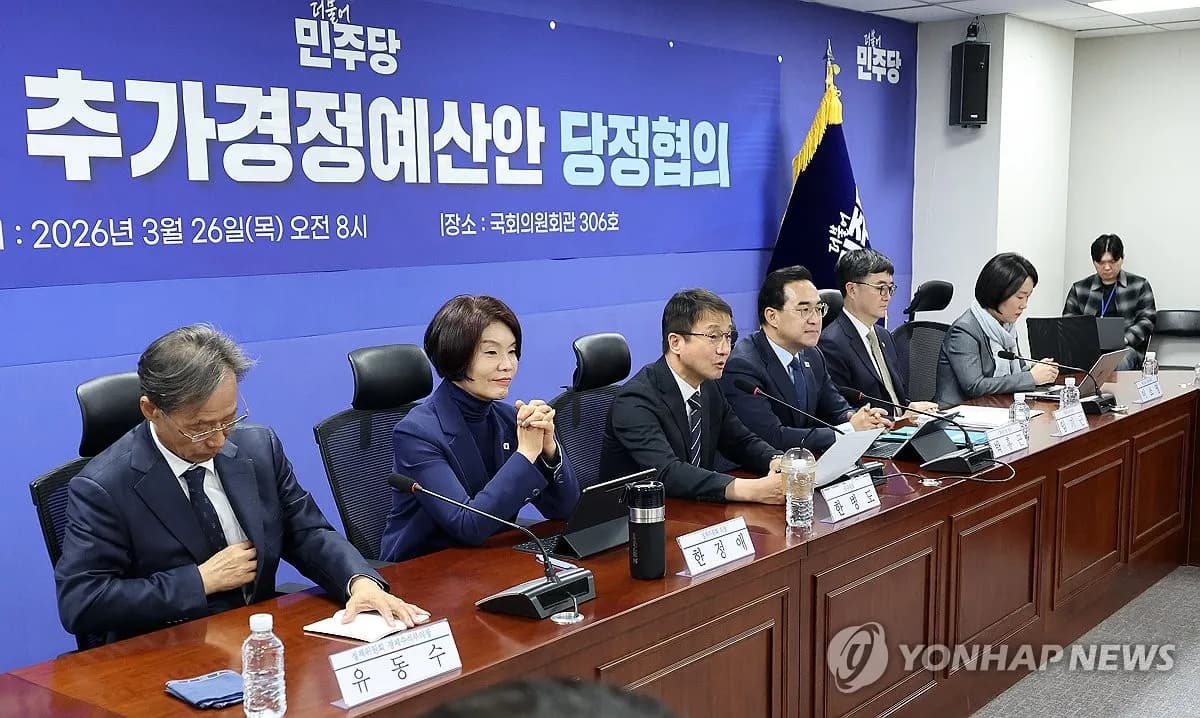
당정, 석유 최고가격제 손실 보전을 추경에 반영키로
당정이 석유 최고가격제 손실을 추경에 반영하기로 결정
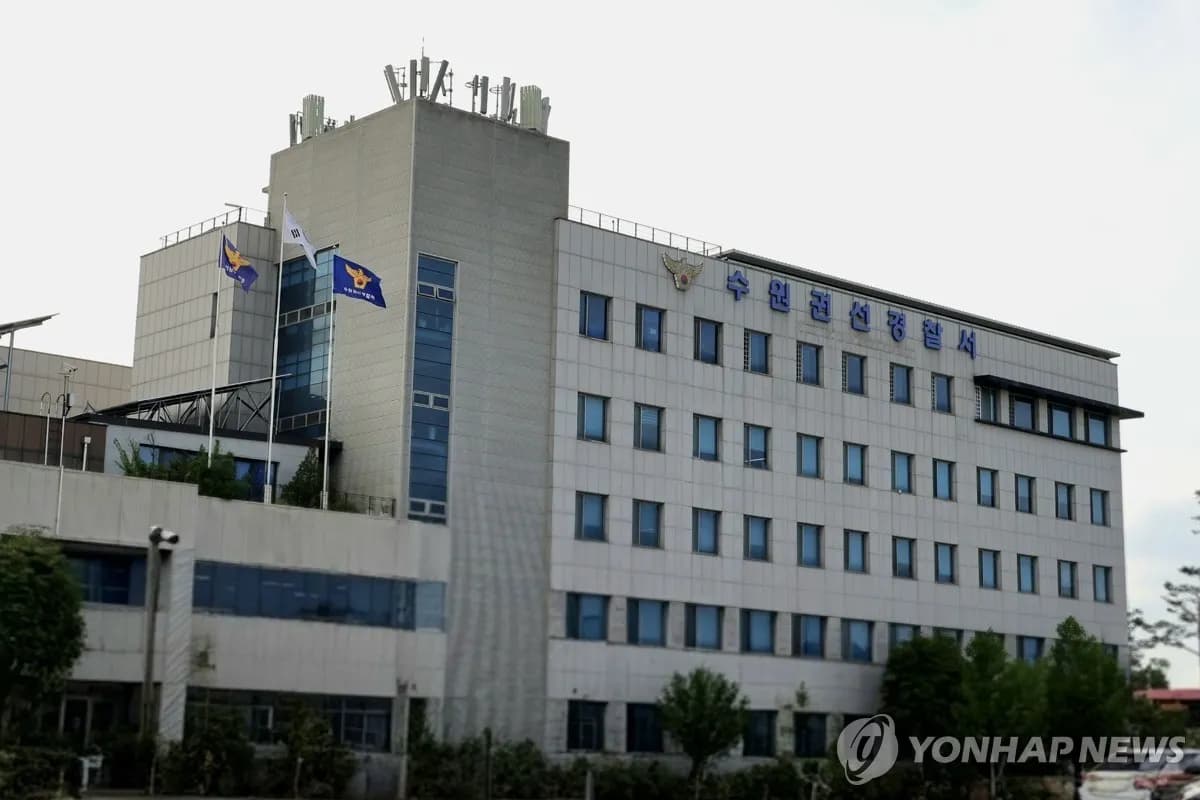
어머니 폭행하고 금팔찌 빼앗은 30대 아들 경찰에 붙잡혀
어머니 폭행 후 금팔찌 빼앗은 30대 남성 체포
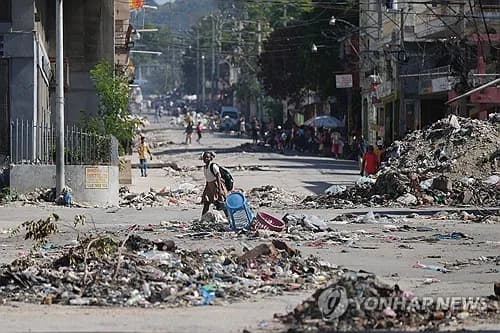
아이티 갱단 폭력사태로 10개월간 5천명 이상 사망
아이티에서 지난 10개월간 갱단 폭력으로 5천명 이상 사망
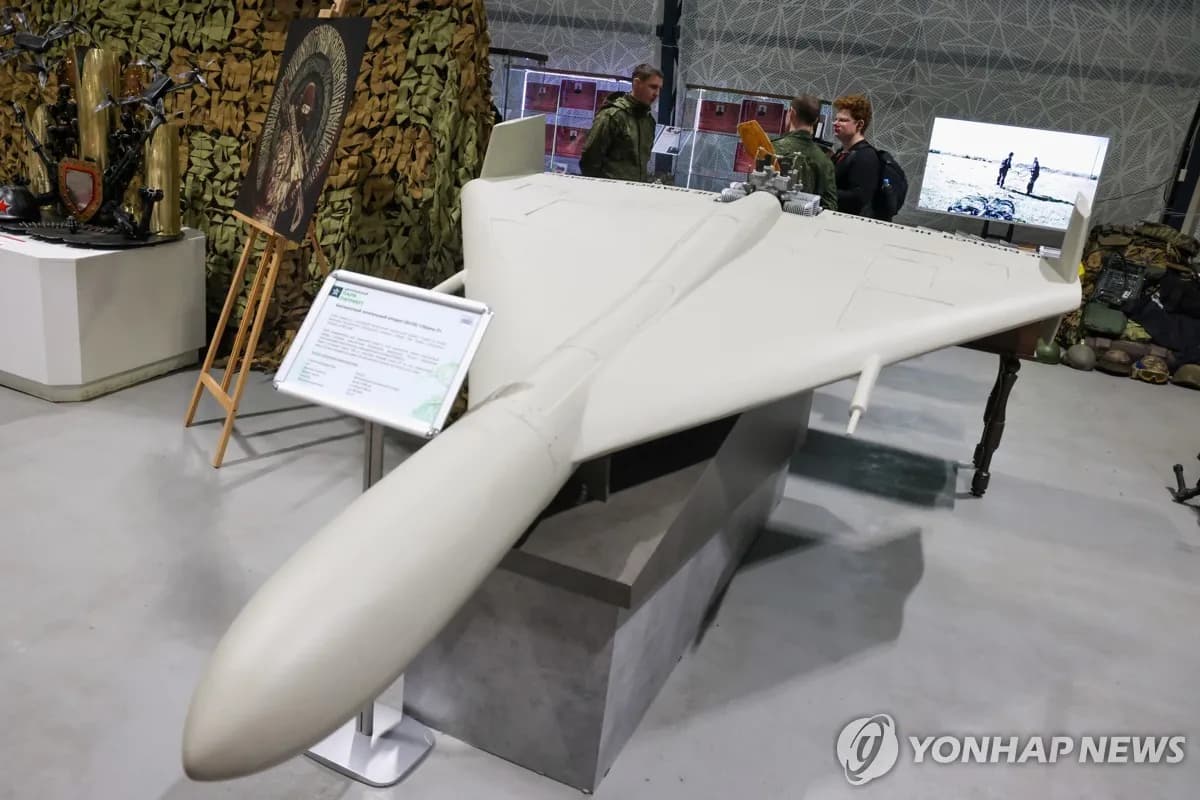
서방 정보당국 "러시아, 우크라이나 전쟁 후 이란에 드론·식량 공급"
서방 정보당국, 러시아의 이란 드론·식량 공급 작업 거의 완료 파악

6년 전 세 살 딸 살해한 30대 친모 구속송치
경찰, 6년 전 세 살 딸 살해 혐의 30대 친모를 구속송치