UAE Economic Indicators Reveal Status as Middle East Financial Hub
94% Foreign Population, High GDP Per Capita and Low Debt Ratio Maintain Investment Appeal
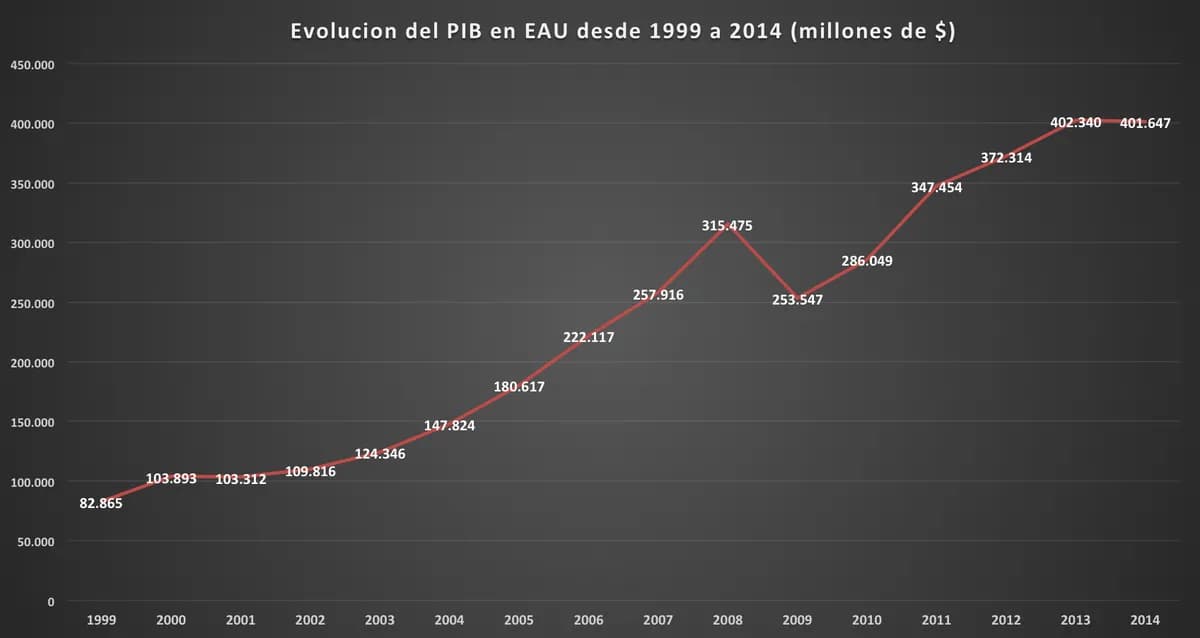
- •The UAE is the world's highest immigrant-ratio country with 94% of its 10.7 million population being foreigners.
- •Moving away from oil dependency, it maintains a world top-30 economy centered on finance, logistics, and tourism.
- •Low corruption levels, stable institutional foundation, and dollar-pegged currency policy create high investment appeal.
From Oil Dependency to Financial Center
The United Arab Emirates (UAE) has transformed from an oil-dependent economy into the Middle East's financial, logistics, and tourism hub in just a few decades. Despite being a small nation with an area of approximately 98,000 km², it boasts a world top-30 economy and has established itself as a key base for international investment and business.
The UAE has a population of approximately 10.7 million, but what's unique is that 93.8% are foreigners. Foreign workers from Asia, Europe, and various Middle Eastern countries form the backbone of economic activity, while nationals comprise only about 6% of the total population. This represents the world's highest immigrant ratio, clearly demonstrating the UAE's economic openness and labor market structure.
High GDP Per Capita and Stable Fiscal Structure
GDP per capita is a key indicator showing the UAE economy's strength. As a Middle Eastern oil-producing nation, national income levels are high, supported by high-value-added service industries centered in Dubai and Abu Dhabi.
The public debt ratio is also maintained at appropriate levels. Thanks to oil export revenues and a finance service-centered economic structure, fiscal soundness remains favorable, which serves as a trust-building factor for investors.
Human Capital and Business Environment
The UAE receives high ratings in indicators such as the Human Development Index (HDI), Human Capital Index, and Ease of Doing Business Index. Educational and healthcare infrastructure are well-established, providing a favorable environment for foreign investors and companies to start and operate businesses.
Particularly, the low Corruption Perceptions Index and stable institutional foundation make the UAE one of the most trusted investment destinations in the Middle East region. The government's pro-business policies and operation of free trade zones are reasons why global companies choose the UAE as their bridgehead for Middle East expansion.
UAE Currency and Exchange Rate Stability
The UAE's official currency is the Dirham (AED), which is pegged to the US dollar. This minimizes exchange rate volatility and increases predictability in international transactions. In an economic structure centered on oil trading and financial services, dollar linkage plays an important role in securing stability.
Flow from Past to Present
The UAE economy went through an oil export boom in the 1970s and began full-scale economic diversification policies from the 1990s. Entering the 2000s, Dubai emerged as a center for finance and tourism, and in the 2010s, Abu Dhabi strengthened its status as a cultural and educational hub.
The COVID-19 pandemic in 2020 also dealt a blow to the UAE economy, but it showed recovery through rapid vaccination and accelerated digital transformation. After 2022, global energy price increases combined with geopolitical stability in the Middle East region created a foundation for resurgence.
Future Outlook [AI Analysis]
The UAE is likely to continue promoting its post-oil economic transition. Investments in new industries such as renewable energy, artificial intelligence, and fintech are expanding, with clear movements to further diversify the economic structure by 2030.
However, dependence on foreign labor remains a social challenge. Expanding employment for nationals and training technical personnel will likely become important policy directions in the medium to long term. Additionally, competition for investment attraction with regional competitors (Saudi Arabia, Qatar) is expected to intensify.
Overall, the UAE is expected to strengthen its position as the Middle East's financial and business hub based on stable finances, excellent infrastructure, and strategic location.
댓글 (4)
UAE 관련 기사 잘 읽었습니다. 유익한 정보네요.
공감합니다. 참고하겠습니다.
Economic에 대해 더 알고 싶어졌습니다. 후속 기사 부탁드립니다.
공감합니다. 참고하겠습니다.
More in Economy

Russia Anticipates Economic Gains from US-Iran Conflict

President Lee Visits Daejeon Factory Fire Site, Says 'Everything Melted'

U.S. Economic Expert Warns of Financial Shock Within 4-5 Years
NYSE Falls for Fourth Consecutive Week Amid Middle East Escalation Fears
U.S. Federal Reserve Unveils Bank Capital Regulation Modernization Plan
Federal Reserve Announces Enforcement Actions Against Two Former Bank Employees
Latest News

Santo Domingo's Malecón Sports Park Construction Progressing Smoothly
Construction of a soccer field and skate park is progressing smoothly in the Malecón area of Santo Domingo, Dominican Republic.

Beyond Vaccines: Refusal of Newborn Vitamin K Shots Spreads
Half of newborns at an Idaho hospital did not receive vitamin K injections due to parental refusal.
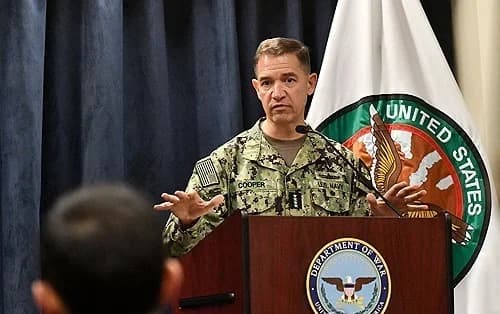
US Military Strikes Iranian Facilities Threatening Strait of Hormuz
US military strikes Iranian underground missile facilities near the Strait of Hormuz

The Corsican Mafia Exposed: Breaking a Century of Silence
Citizens in Corsica, France have begun publicly denouncing the mafia problem that has been taboo for decades.

UFC 313: Jones vs. Aspinall Heavyweight Title Fight Confirmed
UFC 313 confirmed for March 8: Jon Jones vs. Tom Aspinall heavyweight title fight

Black Combat: A New Leap for Korean MMA Promotion
Black Combat is rapidly growing as one of the top three domestic MMA promotions, securing a young fan base through digital marketing
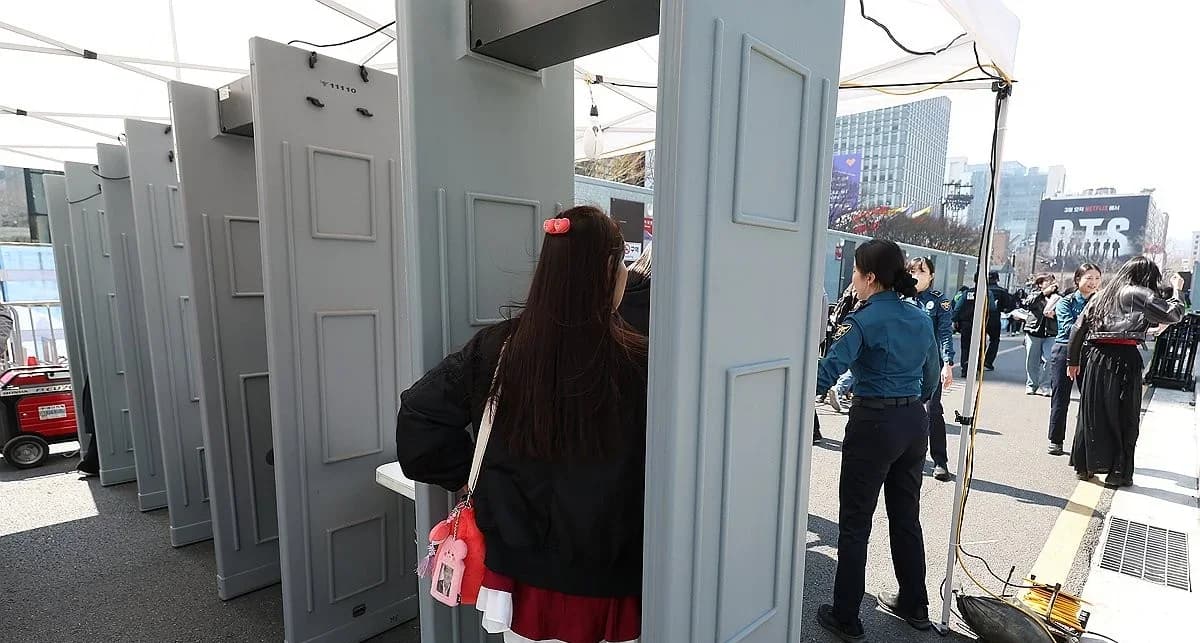
Gas Sprayer Detected at BTS Comeback Concert Venue Metal Detector
Woman in her 50s caught carrying gas sprayer at BTS comeback concert venue

PM Starmer Faces Overseas War and Domestic Political Crisis Simultaneously
PM Starmer simultaneously faces overseas military crisis and domestic political division