UN Confronts the 'Client Challenge' in International Development Aid
Calls grow for beneficiary-centered approaches as aid effectiveness debate reignites

- •The UN is pushing to redefine 'client' in international development aid to center local beneficiaries.
- •The structural principal-agent problem in aid—recurring since the 1960s—has resurfaced sharply after the pandemic.
- •Digital direct transfers and the rise of South-South cooperation are challenging the traditional aid paradigm.
The Paradox of Aid: Who Is the Real 'Client'?
United Nations agencies have begun confronting head-on the long-debated 'Client Challenge' in international development assistance. The core question is as simple as it is fundamental: in aid programs, who is the real 'client'—the recipient government, local communities, or the donor countries providing funding?
According to reports from international organizations, this is not merely a philosophical debate. How 'client' is defined determines program design, budget allocation, and performance metrics entirely.
Why Now?
The renewed spotlight on the 'client challenge' in international development stems from multiple converging factors.
First, deepening global aid fatigue has led donor countries to demand visible results, spawning programs optimized for donor political needs rather than recipient populations.
Second, overlapping health and food crises since the COVID-19 pandemic exposed the vulnerabilities of existing aid structures, making the gap between field needs and program design impossible to ignore.
Third, growing voices from recipient-country civil society and local NGOs have intensified demands for the 'Nothing about us without us' principle.
Experts describe the challenge as a structural 'Principal-Agent Problem': when the payer (donor) and service recipient (local population) are different, whose interests should implementing agencies prioritize?
The Evolution of Aid Paradigms: From the 1960s to Today
The history of international development aid is essentially the history of conflict over defining the client.
1960s–70s — State-centric era: As newly independent nations emerged, the UN and World Bank adopted government-to-government aid as the default model. Recipient governments were the unambiguous clients; local populations were indirect beneficiaries at best.
1980s–90s — Conditionality era: The rise of Structural Adjustment Programs (SAPs) strengthened policy conditions imposed by donors, the IMF, and World Bank—creating the paradox of donor countries becoming the de facto clients.
2000s — Paris Declaration and Ownership: The 2005 Paris Declaration on Aid Effectiveness placed recipient-country 'ownership' at its core. Formally, recipient governments reclaimed client status, but the gap with local communities persisted.
Post-2010 — Localization movement: The 2016 World Humanitarian Summit adopted the 'as local as possible' principle, pledging to treat local organizations and communities as direct clients. Yet implementation remained slow, with large international NGOs and UN agencies continuing to dominate delivery.
Outlook [AI Analysis]
The client challenge is unlikely to be resolved quickly, but several signals of change are emerging.
Digital direct transfers: The spread of mobile finance and digital identity systems is accelerating direct cash transfers to beneficiaries, structurally reducing the principal-agent problem inherent in intermediary-based delivery.
Donor domestic politics: Rising populism and nationalism in major donor countries could lead to aid budget cuts and stronger conditionality tied to donor interests—potentially worsening the client problem.
Rise of South-South cooperation: Expanding development cooperation led by China, India, and Brazil is fracturing the traditional Western-dominated aid architecture. How these new actors define 'client' is likely to be a decisive variable shaping the future aid ecosystem.
UN reform on trial: The UN has designated 2025 as a year of accountability for its development system reforms. Whether the client challenge debate translates into real structural change—or becomes yet another declaration—remains the key question.
Ultimately, the solution to the client problem is less about technology or funding than about redistribution of power: who holds decision-making authority.
댓글 (75)
객관적인 시각이 돋보이는 기사입니다.
이런 시각도 있었군요. Confronts 주제로 시리즈 기사가 나오면 좋겠습니다.
읽기 좋은 기사입니다. the이 앞으로 어떻게 전개될지 주목해야겠습니다.
참고가 됩니다. 국제개발원조에 대해 주변 사람들과 이야기 나눠볼 만합니다.
UN에 대해 더 알고 싶어졌습니다.
Confronts에 대해 처음 접하는 정보가 있었습니다. 계속 지켜봐야겠습니다.
the 관련 배경 설명이 이해하기 쉬웠습니다. 주변에도 공유해야겠어요.
기사 잘 읽었습니다.
북마크해두겠습니다. UN 관련 용어 설명이 친절해서 좋았습니다.
구독 중인데 만족합니다.
the 관련 통계가 의외였습니다.
몰랐던 사실을 알게 됐습니다. 국제개발원조의 향후 전망이 궁금합니다.
북마크해두겠습니다. UN에 대해 처음 접하는 정보가 있었습니다.
Confronts 관련 데이터가 인상적이었습니다. 생각이 바뀌었습니다.
the 관련 해외 동향도 궁금합니다.
북마크해두겠습니다. 국제개발원조에 대해 처음 접하는 정보가 있었습니다.
UN 관련 용어 설명이 친절해서 좋았습니다.
유익한 기사네요. Confronts 관련 배경 설명이 이해하기 쉬웠습니다.
다른 기사도 기대하겠습니다.
국제개발원조 관련 통계가 의외였습니다.
UN이 앞으로 어떻게 전개될지 주목해야겠습니다.
깔끔한 기사입니다. Confronts 관련 데이터가 인상적이었습니다. 다른 시각의 분석도 읽어보고 싶습니다.
이런 시각도 있었군요. the 관련 데이터가 인상적이었습니다. 주변에도 공유해야겠어요.
국제개발원조 관련 데이터가 인상적이었습니다.
깔끔한 기사입니다. UN 관련 용어 설명이 친절해서 좋았습니다. 주변에도 공유해야겠어요.
Confronts 주제로 시리즈 기사가 나오면 좋겠습니다.
the 기사에서 언급된 사례가 흥미로웠습니다.
국제개발원조 관련 통계가 의외였습니다. 계속 지켜봐야겠습니다.
유익한 기사네요. UN이 일상에 어떤 영향을 줄지 생각해보게 됩니다. 계속 지켜봐야겠습니다.
유익한 기사네요. Confronts에 대해 주변 사람들과 이야기 나눠볼 만합니다. 전문가 의견도 더 듣고 싶습니다.
the 관련 배경 설명이 이해하기 쉬웠습니다.
국제개발원조 관련 해외 동향도 궁금합니다.
기자님 수고하셨습니다.
북마크해두겠습니다. Confronts 관련 배경 설명이 이해하기 쉬웠습니다.
the에 대한 다른 매체 보도와 비교해봐도 잘 정리되어 있습니다.
좋은 정리입니다. 국제개발원조에 대해 주변 사람들과 이야기 나눠볼 만합니다.
UN이 앞으로 어떻게 전개될지 주목해야겠습니다. 잘 정리된 기사네요.
유익한 기사네요.
깔끔한 기사입니다. the에 대한 다른 매체 보도와 비교해봐도 잘 정리되어 있습니다.
국제개발원조 관련 통계가 의외였습니다. 전문가 의견도 더 듣고 싶습니다.
이런 시각도 있었군요. UN 관련 해외 동향도 궁금합니다.
참고가 됩니다. Confronts에 대해 처음 접하는 정보가 있었습니다. 주변에도 공유해야겠어요.
몰랐던 사실을 알게 됐습니다. the 관련 용어 설명이 친절해서 좋았습니다.
다양한 주제를 다뤄주셔서 좋습니다.
UN의 전문가 코멘트가 설득력 있었습니다.
Confronts에 대해 더 알고 싶어졌습니다. 해외 동향도 함께 다뤄주시면 좋겠습니다.
the의 향후 전망이 궁금합니다. 후속 기사 부탁드립니다.
읽기 좋은 기사입니다. 국제개발원조에 대해 더 알고 싶어졌습니다.
참고가 됩니다. UN 관련 배경 설명이 이해하기 쉬웠습니다.
깔끔한 기사입니다. Confronts 관련 해외 동향도 궁금합니다.
몰랐던 사실을 알게 됐습니다. the에 대한 다른 매체 보도와 비교해봐도 잘 정리되어 있습니다.
잘 보고 있습니다.
좋은 정보 감사합니다.
흥미로운 주제입니다. Confronts이 앞으로 어떻게 전개될지 주목해야겠습니다. 주변에도 공유해야겠어요.
the에 대한 다른 매체 보도와 비교해봐도 잘 정리되어 있습니다. 다른 시각의 분석도 읽어보고 싶습니다.
국제개발원조 관련 배경 설명이 이해하기 쉬웠습니다.
북마크해두겠습니다. UN에 대해 처음 접하는 정보가 있었습니다. 나중에 다시 읽어볼 만합니다.
Confronts 기사에서 언급된 사례가 흥미로웠습니다. 생각이 바뀌었습니다.
매일 여기서 뉴스 보고 있어요.
깔끔한 기사입니다. 국제개발원조의 향후 전망이 궁금합니다.
좋은 정리입니다. UN 관련 배경 설명이 이해하기 쉬웠습니다. 나중에 다시 읽어볼 만합니다.
Confronts 관련 통계가 의외였습니다.
the에 대해 더 알고 싶어졌습니다. 전문가 의견도 더 듣고 싶습니다.
출퇴근길에 항상 읽고 있습니다.
흥미로운 주제입니다. UN에 대해 처음 접하는 정보가 있었습니다. 계속 지켜봐야겠습니다.
Confronts 관련 데이터가 인상적이었습니다. 전문가 의견도 더 듣고 싶습니다.
the이 일상에 어떤 영향을 줄지 생각해보게 됩니다. 주변에도 공유해야겠어요.
국제개발원조이 일상에 어떤 영향을 줄지 생각해보게 됩니다. 잘 정리된 기사네요.
UN 주제로 시리즈 기사가 나오면 좋겠습니다. 계속 지켜봐야겠습니다.
이런 시각도 있었군요. Confronts에 대해 처음 접하는 정보가 있었습니다.
the에 대해 주변 사람들과 이야기 나눠볼 만합니다. 나중에 다시 읽어볼 만합니다.
핵심만 잘 정리해주시네요.
UN에 대해 주변 사람들과 이야기 나눠볼 만합니다.
몰랐던 사실을 알게 됐습니다. Confronts 관련 통계가 의외였습니다.
유익한 기사네요. the 관련 배경 설명이 이해하기 쉬웠습니다. 전문가 의견도 더 듣고 싶습니다.
More in Global

Latest News
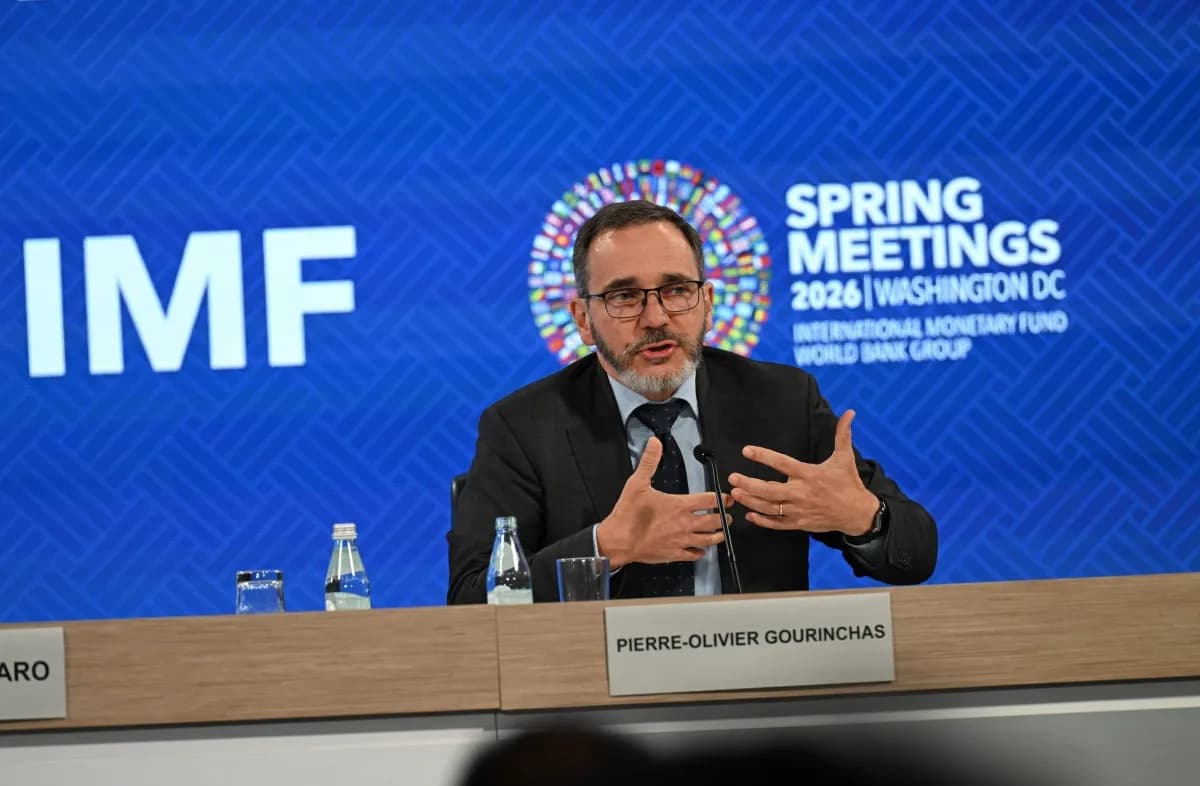
IMF, 7년 만에 베네수엘라와 관계 재개…49억 달러 동결 해제 가능성
IMF가 7년 만에 베네수엘라와 공식 협력을 재개하기로 결정했다.

경상흑자 역대 최대인데 원화는 왜 약해지나
한국은행, 경상흑자에도 원화 약세 이어지는 구조적 원인 공식 분석.

금융당국, 미래에셋에 SpaceX IPO 조기 마케팅 경고
금융당국이 미래에셋증권의 SpaceX IPO 조기 마케팅에 구두 경고를 내렸다.
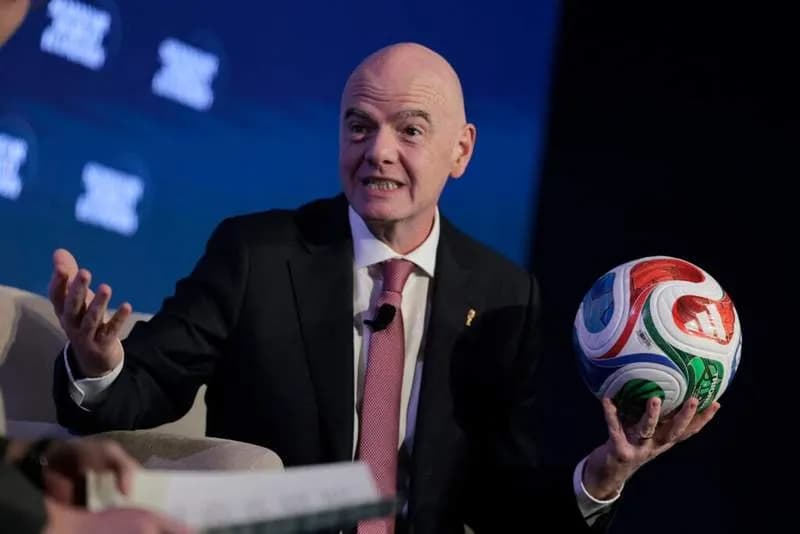
96년 전통 깬다…월드컵 결승전, 사상 첫 하프타임 쇼
FIFA가 96년 만에 처음으로 월드컵 결승전 하프타임 쇼를 도입한다.

이란 전쟁 속 걸프 3국, 사모채권으로 100억 달러 조달
걸프 3국이 이란 전쟁 이후 처음으로 사모채권 발행에 나서 약 100억 달러를 조달했다.
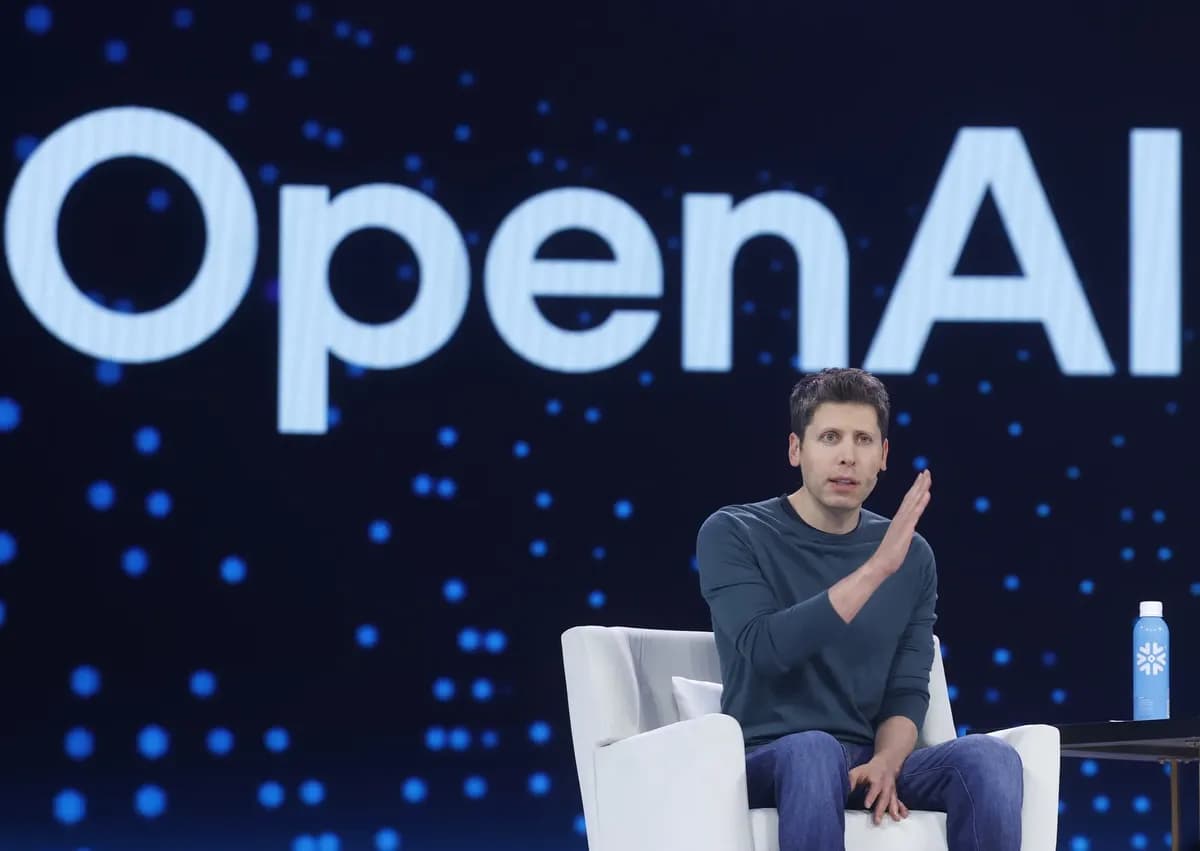
OpenAI, 생명과학 전용 추론 AI 'GPT-Rosalind' 출시… 신약 개발 패러다임 흔든다
OpenAI가 유전체학·신약 개발 특화 추론 AI 'GPT-Rosalind'를 출시하며 생명과학 분야에 첫 발을 내딛었다.

EU, Anthropic의 Claude Mythos AI 사이버 위협 놓고 직접 협의 개시
EU 집행위원회가 Claude Mythos Preview의 사이버 위협을 이유로 Anthropic과 직접 협의를 시작했다.