Valve Bans Skin Betting Sponsorships from CS2 Tournaments
Breaking ties with a decade-old gray market... Traditional casinos still permitted
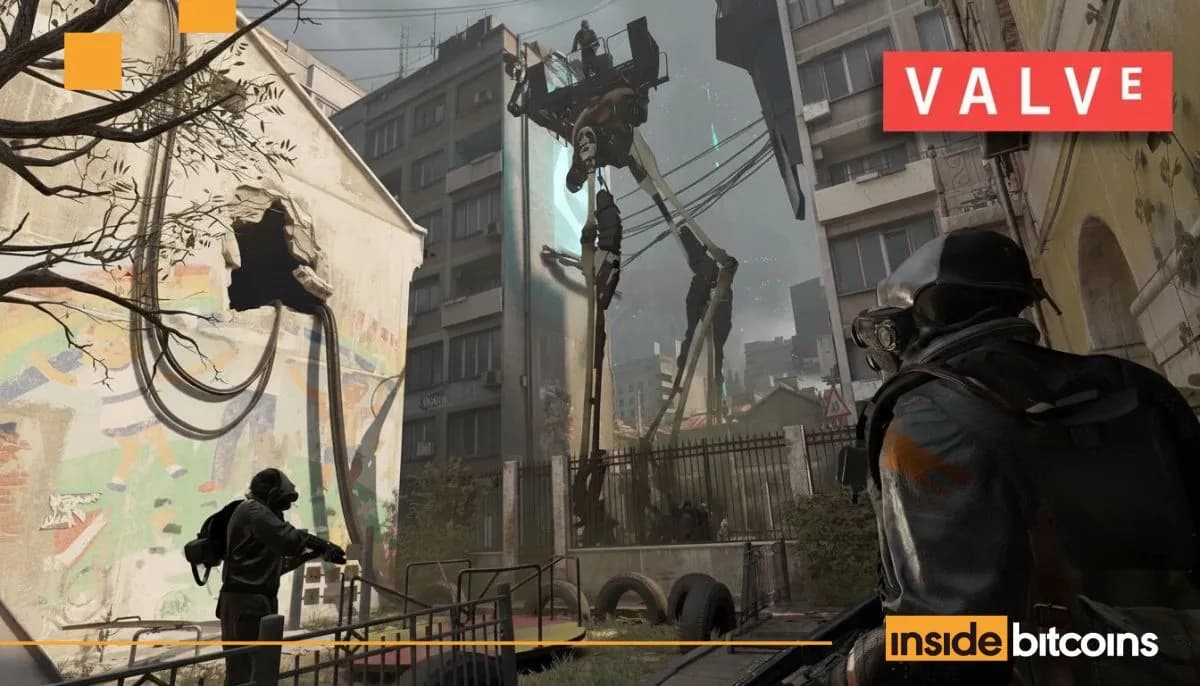
- •Valve has banned skin betting site sponsorships from CS2 tournaments, ending ties with a decade-old gray market.
- •Skin gambling is an unregulated industry that unauthorized uses Valve's Steam API, creating underage access and addiction issues.
- •While the esports industry faces short-term financial challenges, long-term prospects include building a more sustainable sponsorship ecosystem.
The End of Steam Ecosystem-Based Gambling
Valve Corporation has banned all skin betting-related sponsorships from Counter-Strike 2 (CS2) esports tournaments. According to new tournament operating regulations (TOR) announced on December 9, 2025, professional teams and tournament organizers cannot display logos or advertisements from skin betting sites or case opening companies.
The key aspect of this regulation is that it targets 'companies utilizing Valve's Steam inventory system.' Skin gambling platforms like Skin.Club, SkinRave, and Hellcase, as well as key resellers like Kinguin, are primary targets. However, traditional cash casinos and sportsbooks that comply with local regulations remain eligible for sponsorships.
What is Skin Betting?
Skin betting (or skin gambling) refers to using in-game virtual items called 'skins' as currency to bet on professional match outcomes or play casino games like roulette and coin flip.
The process is straightforward. When players deposit their skins on third-party sites, these sites authenticate Steam accounts using Valve's OpenID API and access their inventory. Once skins are transferred to the site's bot accounts, virtual balances are created, enabling betting and gaming.
The problem is that this entire process occurs outside Valve's direct control. While skins are merely cosmetic in-game items, they function as effectively cashable assets because they can be traded for real money on the Steam Community Market.
A Decade-Long Gray Market History
Skin gambling emerged in earnest in 2013 when weapon skins were introduced to Counter-Strike: Global Offensive (CS:GO). The Steam Community Market, initially created by Valve for legitimate user-to-user trading, soon became the foundation for numerous third-party sites building betting platforms.
In 2016, Valve first sent warnings to skin gambling sites, threatening to block API access. However, enforcement was sporadic, and the industry quickly recovered. Hundreds of new sites emerged, expanding the market while perpetuating problems with underage gambling and fraud.
The situation didn't change significantly after CS2's release. Professional teams and streamers accepted sponsorships from skin betting sites, essentially serving as billboards and creating a massive parallel economy beyond Valve's control.
Why Take Action Now?
Valve's hardline stance stems from legal risks and brand image management. While skin gambling exists in a legal gray zone unregulated in most countries, it faces growing social criticism due to underage accessibility and addiction issues.
Valve has particularly faced criticism for indirectly profiting through the Steam Marketplace. As skin trading increases, so do Valve's commissions (15% per transaction). This measure appears aimed at dispelling the perception that "Valve condones skin gambling."
Notably, allowing traditional casino sponsorships while banning only skin betting suggests Valve's concern is unauthorized use of its systems, not gambling itself. Regulated gambling industries have age verification and legal accountability, unlike skin sites.
Esports Industry Response and Challenges
The CS2 esports industry faces disruption. Many professional teams and tournaments have received substantial funding from skin betting companies. Some smaller teams may face financial difficulties if unable to find alternative sponsors.
However, long-term prospects suggest this could enhance esports credibility. Traditional sports organizations and global brands have hesitated to enter the CS scene due to associations with skin gambling. A cleaner image could enable a more sustainable sponsorship ecosystem.
Valve has warned of strong sanctions for TOR violations, including revocation of official tournament certification and disqualification from major events. How rigorously these are enforced will become clear in the coming months.
Future Outlook [AI Analysis]
This regulation is unlikely to completely eliminate the skin gambling market. Betting sites will likely pivot from esports sponsorships to streamer partnerships and social media advertising. Attempts to circumvent regulations through rebranding or indirect advertising are also anticipated.
However, removing skin gambling brands from official tournament stages carries significant symbolic weight. It reduces minors' exposure to gambling site logos on professional players' jerseys and helps CS2 shed its "gambling game" stigma.
Valve may take further steps to more strictly limit Steam API access or impose additional restrictions on skin trading itself. Industry stakeholders are closely monitoring Valve's next moves, and whether other game companies will follow suit remains to be seen.
댓글 (6)
Valve 관련 기사 잘 읽었습니다. 유익한 정보네요.
그 부분은 저도 궁금했습니다.
Bans에 대해 더 알고 싶어졌습니다. 후속 기사 부탁드립니다.
그 부분은 저도 궁금했습니다.
간결하면서도 핵심을 잘 정리한 기사네요.
좋은 의견이십니다.
More in Gaming

Call of Duty Black Ops 7 'Endgame' mode will be available for free starting April 2

Call of Duty Black Ops 7 Season 3 revives the ‘Free Run’ mode loved by fans

Warzone Season 3 introduces battle royale map rotation for the first time ever

Screamer, a meeting of 90's arcade racing and animation

Pokémon Champions significantly lowers the barrier to entry into competitive play

Pokemon Champions, not all Pokemon will appear at launch
Latest News
"간부 잘 아는데 교통비 좀" 휴가 군인들 돈 뜯은 50대 구속
50대 A씨가 휴가 중인 군인들에게 부대 간부를 아는 척 접근해 돈을 사취

英 옥토퍼스, 이란 전쟁 이후 태양광 판매 50% 증가
이란 전쟁 이후 영국 옥토퍼스의 태양광 판매량 50% 증가
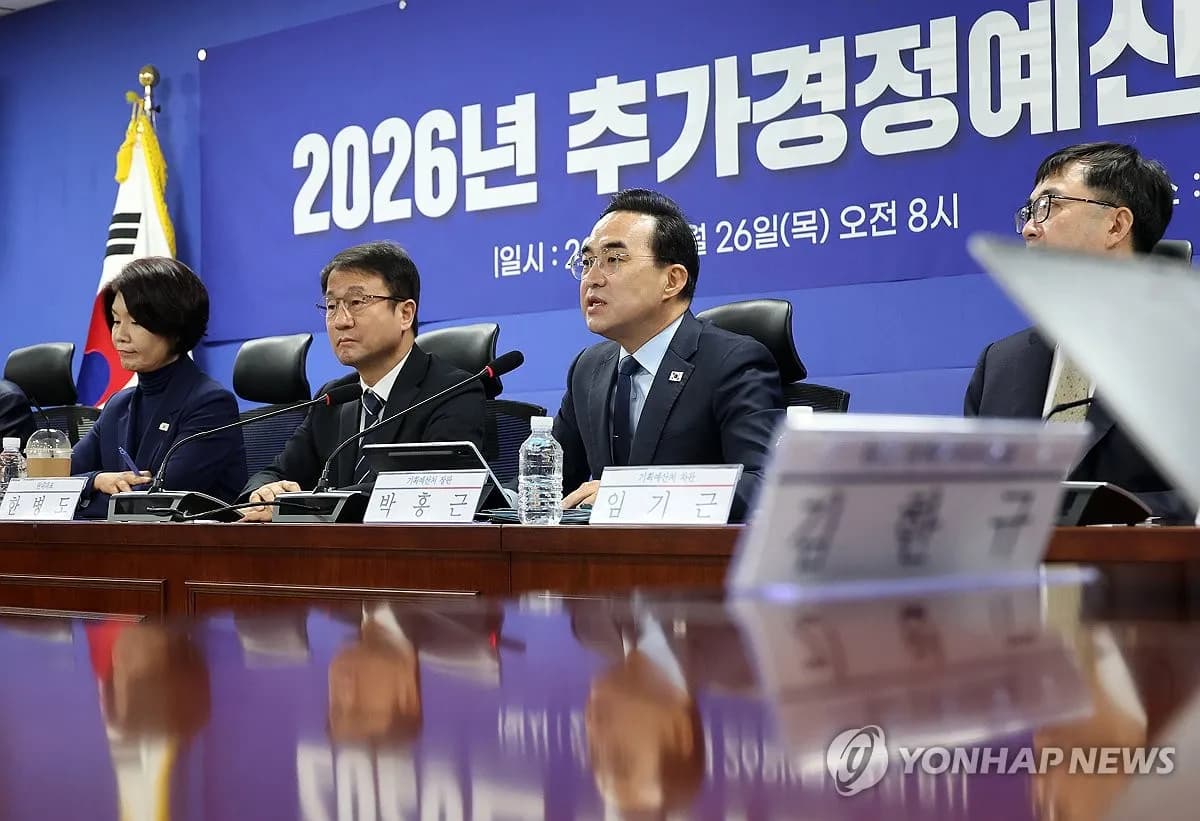
당정 "추경, 지방·취약계층에 더 지원되는 방식으로"
당정이 지방자치단체와 취약계층 중심의 추경 편성 방침 재확인
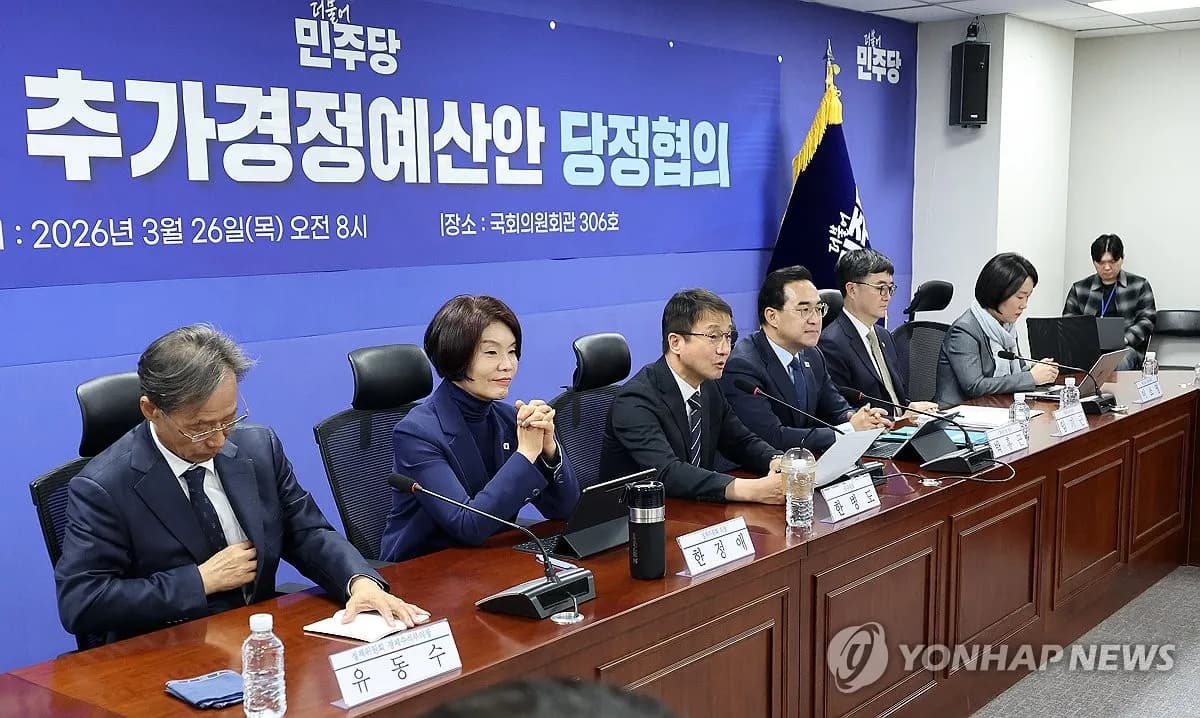
당정, 석유 최고가격제 손실 보전을 추경에 반영키로
당정이 석유 최고가격제 손실을 추경에 반영하기로 결정
어머니 폭행하고 금팔찌 빼앗은 30대 아들 경찰에 붙잡혀
어머니 폭행 후 금팔찌 빼앗은 30대 남성 체포
아이티 갱단 폭력사태로 10개월간 5천명 이상 사망
아이티에서 지난 10개월간 갱단 폭력으로 5천명 이상 사망

서방 정보당국 "러시아, 우크라이나 전쟁 후 이란에 드론·식량 공급"
서방 정보당국, 러시아의 이란 드론·식량 공급 작업 거의 완료 파악

6년 전 세 살 딸 살해한 30대 친모 구속송치
경찰, 6년 전 세 살 딸 살해 혐의 30대 친모를 구속송치