Venice Commission Issues Specific Recommendations on Ukraine's Three Judicial Reform Bills
Analysis of Judicial Discipline and Integrity Vetting Reform Proposals…Urges Implementation of European Court of Human Rights Rulings

- •The Venice Commission adopted opinions on three Ukrainian bills concerning judicial discipline and integrity vetting procedures.
- •The European Court of Human Rights has criticized Ukraine's vague disciplinary regulations and procedural deficiencies since 2013.
- •The Commission identified the lack of a comprehensive judicial reform approach and Supreme Court external oversight as key issues.
International Advisory Opinion on Judicial Reform Bills
The Venice Commission adopted opinions on three Ukrainian judicial reform bills during its plenary session on October 9-10. These opinions analyze draft laws No. 13137, 13137-1, and 13165-2, which address improvements to judicial discipline procedures and reforms to the integrity declaration verification system.
The Commission prepared these opinions jointly with the Council of Europe's Directorate General of Human Rights and Rule of Law (DGI). In July, online consultations were held with stakeholders including Ukraine's High Council of Justice, Parliament's Legal Policy Committee, government and opposition MPs, the Supreme Court, and the High Qualification Commission of Judges.
Background of the Judicial Trust Crisis [AI Analysis]
Ukraine has pursued judicial reform for years but has failed to resolve persistent problems of corruption, politicization, and low public trust. Despite the 'Judicial System Development Strategy 2021-2023,' adopted through Presidential Decree 231/2021, setting public trust restoration as a strategic goal, confidence levels remain low.
The European Court of Human Rights (ECHR) has identified violations of the right to a fair trial in Ukraine's judicial discipline procedures through multiple rulings since 2013. Notably, in the case of Oleksandr Volkov v. Ukraine, the Court found four violations of Article 6 and one violation of Article 8 of the European Convention on Human Rights, calling for urgent structural reforms.
Structural Deficiencies in the Discipline System
Key issues identified by the ECHR include:
1. Vague Definition of Disciplinary Grounds
- Excessively broad and unclear provisions such as 'breach of oath'
- Lack of specific interpretative guidance in legislation or case law
- Absence of statute of limitations undermining legal certainty
2. Lack of Procedural Fairness
- Absence of independent and impartial disciplinary bodies
- Inadequate effective judicial review mechanisms
- Defects in parliamentary voting procedures
- Flawed composition of adjudicating panels
3. Risk of Arbitrary Dismissal
- Instances of unpredictable and arbitrary judicial dismissals
- Potential violations of privacy rights (Convention Article 8)
Continuous International Monitoring
Ukraine's judicial reform has been examined from multiple angles. Reports by the Council of Europe's Group of States against Corruption (GRECO) and opinions by the Venice Commission and DGI have accumulated, forming international consensus on directions for improvement.
These bills represent attempts to incorporate such international recommendations into legislation. Key elements include adjustments to the High Council of Justice's powers, procedural improvements for the High Qualification Commission of Judges, and strengthening of integrity declaration verification systems.
Supreme Court Monitoring Controversy
In this opinion, the Venice Commission also addressed the issue of Supreme Court judicial monitoring with international expert participation. The Commission previously expressed concern that Ukraine's judicial reform lacks a comprehensive approach.
This points to the risk that piecemeal legislation could undermine the coherence and efficiency of the entire judicial system. A key issue is how external oversight of Supreme Court judges can be reconciled with the principle of judicial independence.
Future Reform Directions [AI Analysis]
If the Venice Commission's recommendations are incorporated into legislation, Ukraine's judicial system is likely to undergo the following changes:
Short-term Tasks
- Establish clear legal definitions of disciplinary grounds
- Create independent disciplinary bodies and increase procedural transparency
- Strengthen objectivity of integrity declaration verification systems
Medium to Long-term Tasks
- Develop systematic reform roadmap for the entire judiciary
- Establish judicial appointment and evaluation systems meeting international standards
- Ensure continued participation of civil society and international experts
However, pursuing structural reforms during wartime presents significant challenges for Ukraine. Given that judicial reform is a core condition in European Union accession negotiations, technical and financial support from the international community will be essential.
댓글 (5)
간결하면서도 핵심을 잘 정리한 기사네요.
그 부분은 저도 궁금했습니다.
기사 잘 봤습니다. 다른 시각의 분석도 읽어보고 싶네요.
좋은 의견이십니다.
흥미로운 주제입니다. 주변에도 공유해야겠어요.
More in Special

How to avoid ICE agents checking your phone at the airport
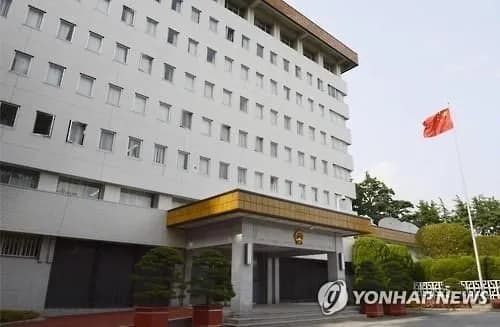
주일 중국대사관 침입한 괴한, 자위대 현직 장교로 확인

New York City public hospital breaks up with Palantir... Ending controversy over commercialization of citizen health data

U.S. expands military operations in Latin America... ‘Operation total annihilation’ formalized

The Corsican Mafia Exposed: Breaking a Century of Silence

AI-Generated Fake Person Used to Sell Dubai Flight Seats
Latest News
"간부 잘 아는데 교통비 좀" 휴가 군인들 돈 뜯은 50대 구속
50대 A씨가 휴가 중인 군인들에게 부대 간부를 아는 척 접근해 돈을 사취

英 옥토퍼스, 이란 전쟁 이후 태양광 판매 50% 증가
이란 전쟁 이후 영국 옥토퍼스의 태양광 판매량 50% 증가
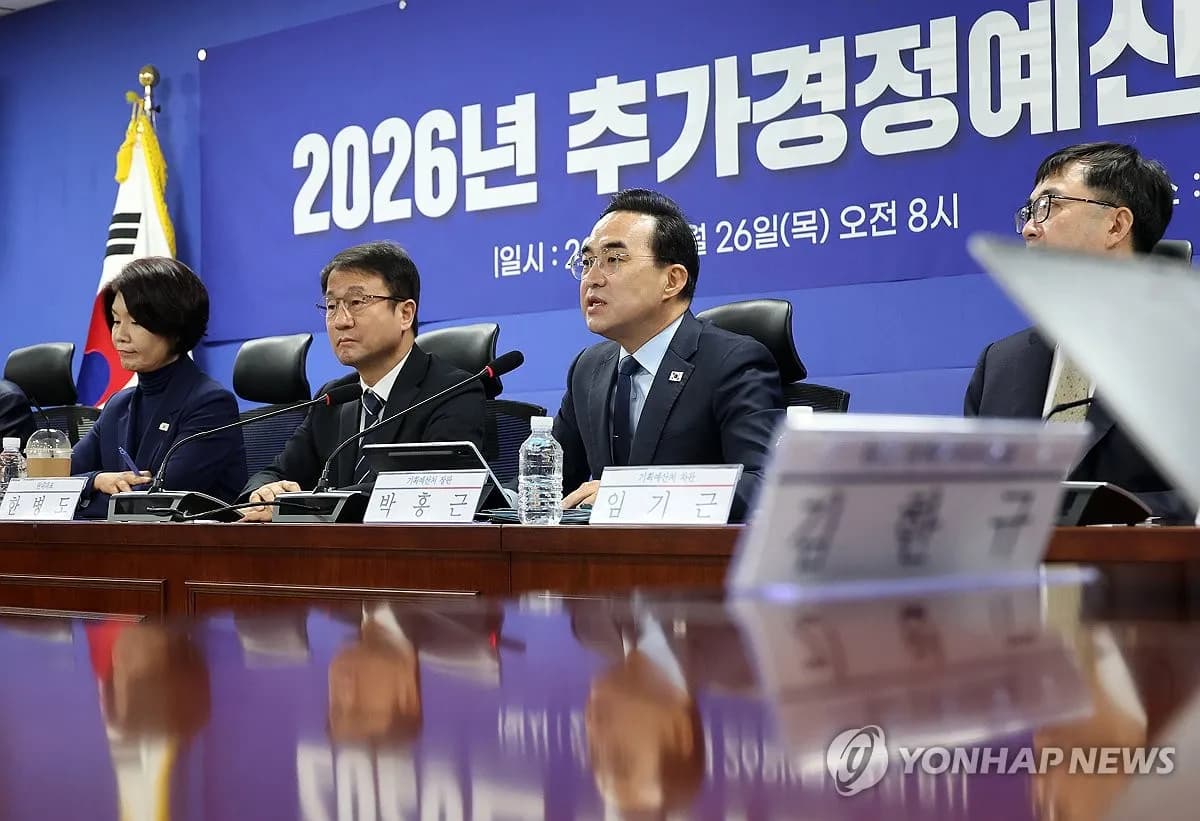
당정 "추경, 지방·취약계층에 더 지원되는 방식으로"
당정이 지방자치단체와 취약계층 중심의 추경 편성 방침 재확인
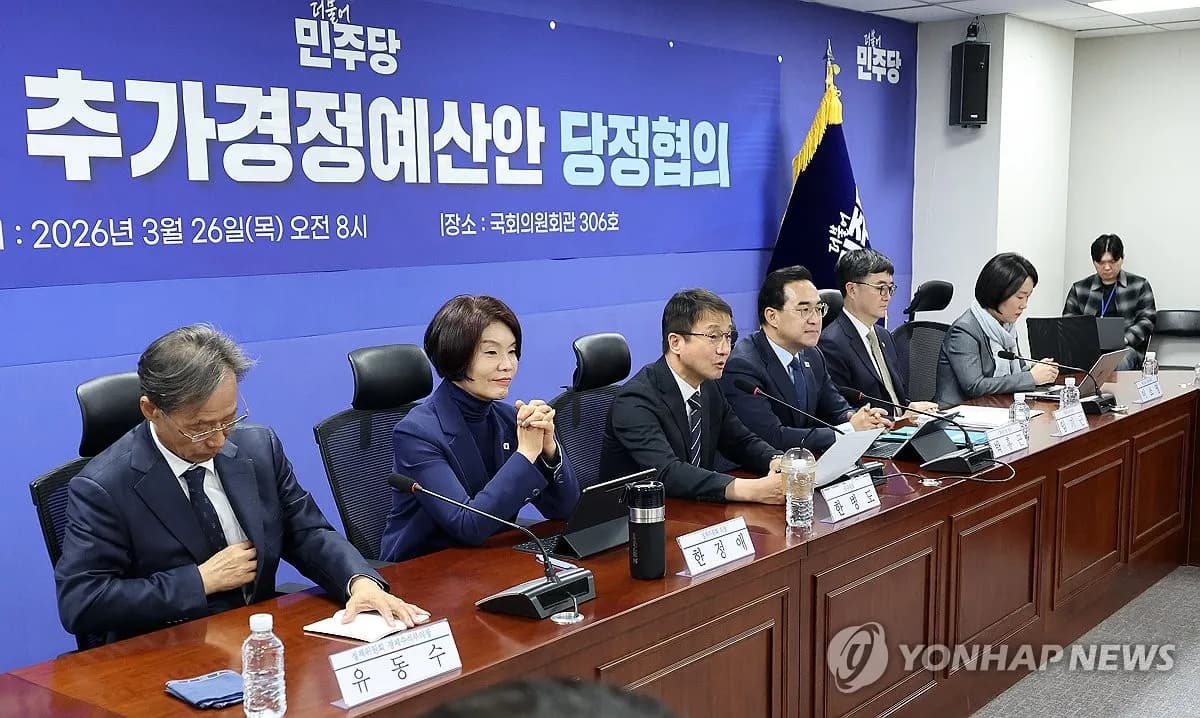
당정, 석유 최고가격제 손실 보전을 추경에 반영키로
당정이 석유 최고가격제 손실을 추경에 반영하기로 결정
어머니 폭행하고 금팔찌 빼앗은 30대 아들 경찰에 붙잡혀
어머니 폭행 후 금팔찌 빼앗은 30대 남성 체포

아이티 갱단 폭력사태로 10개월간 5천명 이상 사망
아이티에서 지난 10개월간 갱단 폭력으로 5천명 이상 사망

서방 정보당국 "러시아, 우크라이나 전쟁 후 이란에 드론·식량 공급"
서방 정보당국, 러시아의 이란 드론·식량 공급 작업 거의 완료 파악

6년 전 세 살 딸 살해한 30대 친모 구속송치
경찰, 6년 전 세 살 딸 살해 혐의 30대 친모를 구속송치