WHO member states agree to extend negotiations on 'pathogen sharing system', a core part of the pandemic agreement
Final adoption goal at the World Health Assembly in May after renegotiation at the end of April
- •WHO member states agreed to extend negotiations on the PABS Annex, the core of the pandemic agreement, until the end of April.
- •PABS is a system that ensures fair distribution of benefits such as sharing of pathogens and vaccines and treatments.
- •Intensive negotiations among member states are underway with the goal of final adoption at the World Health Assembly in May.
Pathogen Access and Benefit Sharing Annex Negotiations Extended
World Health Organization (WHO) member countries have agreed to extend negotiations on the 'Pathogen Access and Benefit Sharing (PABS)' Annex, a key provision of the WHO Pandemic Agreement. Negotiations will resume from April 27 to May 1, and informal inter-session discussions will also take place ahead of this.
This decision is the result of member countries showing a strong commitment to reaching a conclusion to the PABS Annex, with the goal of final adoption at the World Health Assembly (WHA) in May. The PABS system is designed to ensure rapid sharing of pathogens with pandemic potential and fair and equitable distribution of benefits such as vaccines, diagnostics, and treatments developed using them on an equal basis.
Key issues in the pandemic agreement
In the WHO Pandemic Agreement Intergovernmental Working Group (IGWG) negotiations held last week, member countries conducted intensive discussions. Key issues included the definition and distribution of the benefits arising from pathogen sharing, the nature of the contractual arrangements that would underpin the PABS system, and governance issues to ensure that the system operates effectively and transparently for the public good.
“The PABS system is at the heart of the WHO pandemic agreement,” said WHO Director-General Tedros Adhanom Ghebreyesus, urging all delegations to “trust us with trust in each other, trust in our institutions and trust in our shared ability to transcend differences for the common good, solidarity and equity.”
Lessons learned from COVID-19 and strengthening global health cooperation
The World Health Assembly adopted the pandemic agreement last year. This is to address the vulnerabilities of the international health system revealed by the COVID-19 pandemic and strengthen global cooperation and equity in preventing, preparing for, and responding to future pandemics.
“Negotiators from member countries are working intensively to develop an ambitious and equitable PABS annex, with the goal of adoption by the World Health Assembly in May,” said Ambassador Tovar da Silva Nunes of Brazil, co-chair of the IGWG. UK co-chair Matthew Harper also said, "With less than two months until the World Health Assembly, we welcome the willingness of member states to seek agreement on unresolved areas of the PABS system."
Impact on Korea
Korea plays an important role in the global vaccine and treatment supply chain based on its K-Bio capabilities. Once the PABS system is confirmed, it is expected to have a direct impact on the way Korean pharmaceutical and bio companies participate in responding to the global pandemic and their profit distribution structure. In particular, if pathogen access rights, technology transfer, and drug supply obligations become concrete, it will be necessary for domestic industry and the government to establish response strategies.
댓글 (4)
이 위기를 어떻게 극복할 수 있을지 전문가 의견이 더 필요합니다.
경제 상황이 좋지 않은데, 정부의 대응이 아쉽습니다.
맞습니다. 대비가 필요한 시점이에요.
states 문제가 장기화되면 어떻게 될지 우려됩니다.
More in Global

Oh Se-hoon: "I Would Choose 5th Term as Seoul Mayor Over Presidency"

Three Arrested in Paris After Attempted Bomb Attack Near Bank of America

Three Journalists Killed in Israeli Strike on Southern Lebanon, Hundreds Mourn in Beirut
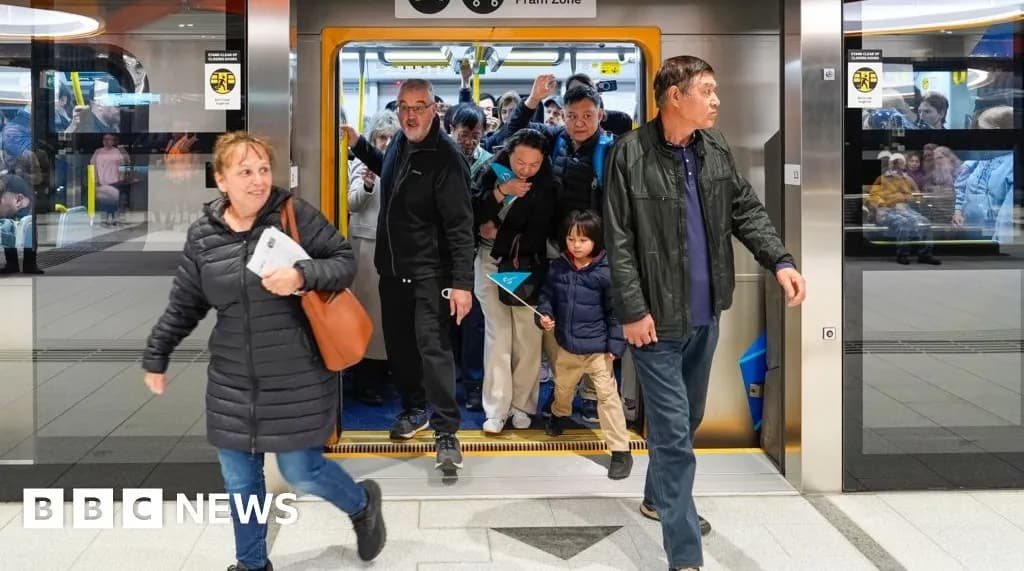
Two Australian States Offer Free Public Transport as Iran War Drives Up Fuel Prices

Iranian Missile Strikes Israeli Industrial Zone—Major Fire and Hazardous Material Leak
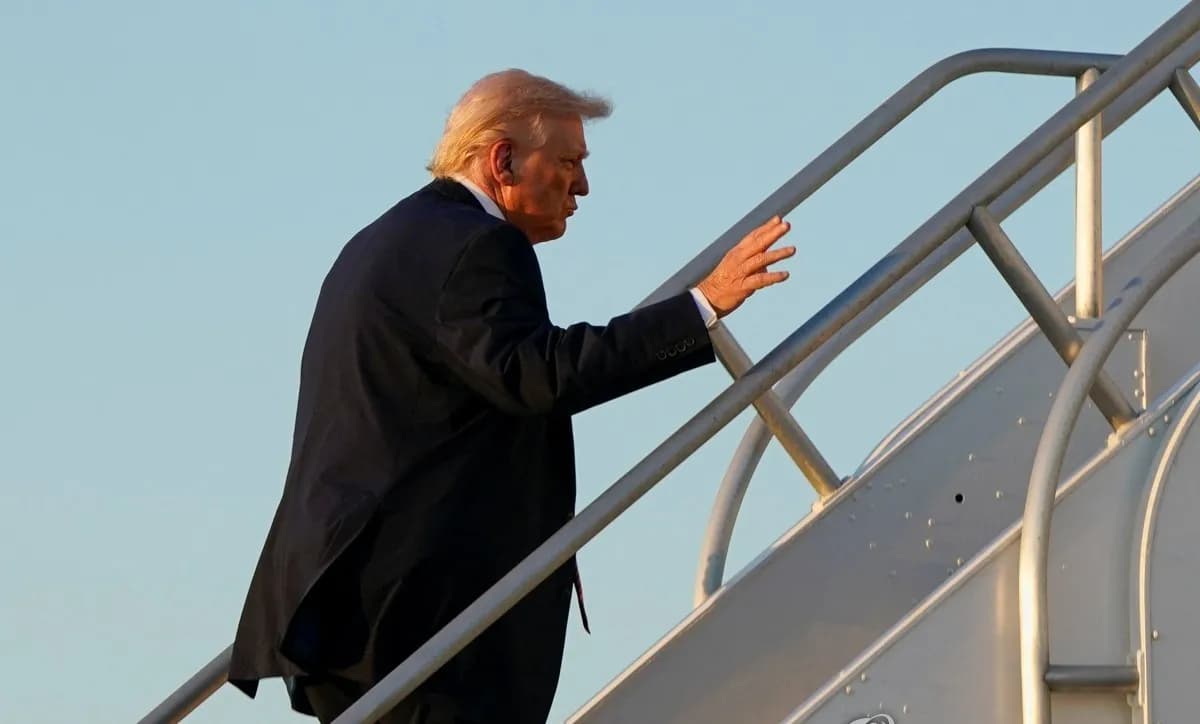
Trump Shares Pastor's Letter Amid Month-Long Iran War: "Blessed Are the Peacemakers"
Latest News

BTS' 'Arirang' Tops Billboard 200 Chart—Seventh No. 1 Album
BTS's new song 'Arirang' achieves No. 1 on U.S. Billboard 200 chart

African Football Chief Resigns Amid Morocco-Senegal Final Controversy
CAF Secretary General Veron Mosengo-Omba resigns amid Morocco-Senegal final controversy

Passenger in 90s Dies After Falling onto Train Tracks at Namwon Station
Passenger in 90s fell onto tracks while following departing train at Namwon Station, North Jeolla Province

26-Year-Old Man Shot Dead in Car Near London Euston Station
26-year-old man shot dead in car near London Euston station

Pope: "Prayers of Those Waging War Will Be Rejected"
Pope Leo XIV states on 29th that "prayers of those waging war will be rejected"

VP Vance Says U.S. Will "Soon Exit" War with Iran
U.S. VP JD Vance says U.S. will "soon exit" war with Iran