Global Financial Crisis Fears Return: Three Major Risks Experts Are Warning About
AI Bubble, Shadow Banking Vulnerabilities, and Trade Wars... Could 2007 Happen Again?
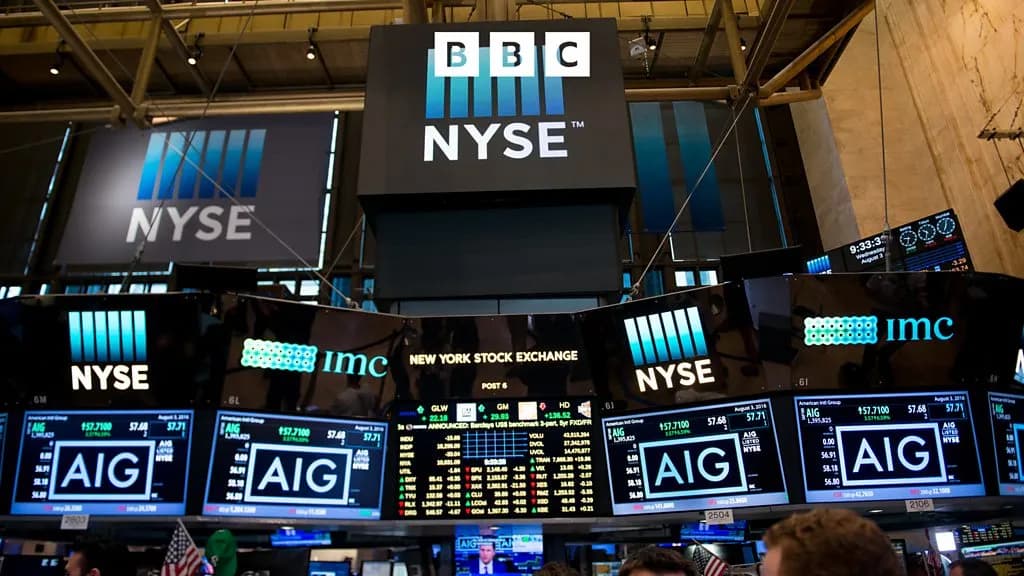
- •Financial industry leaders including JPMorgan's CEO and the Bank of England Governor have simultaneously warned of three major risks: AI bubbles, shadow banking vulnerabilities, and trade wars.
- •AI fever has overheated U.S. stock markets, while signs of distress are emerging in the private credit market, which operates in regulatory blind spots.
- •Experts note that while bank soundness has improved compared to the 2007 financial crisis, if multiple risks materialize simultaneously, synergistic effects could amplify the crisis.
From JPMorgan to Bank of England: A Chain of Warnings
Financial heavyweights including JPMorgan Chase CEO Jamie Dimon and the Bank of England Governor have recently issued successive warnings about potential global economic shocks. For the first time since the 2007 subprime mortgage crisis triggered the Great Financial Crisis, multiple risk factors are emerging simultaneously, heightening tensions among market experts.
Financial Times (FT) markets columnist Katie Martin identified "three major overlapping risks" - AI-related stock bubbles, private credit market vulnerabilities, and U.S. tariff policy uncertainty. Economist Duncan Weldon and Simon French, chief economist at Panmure Liberum, have expressed similar concerns.
AI Fever Creates Market Overheating
While expectations around artificial intelligence (AI) technology have driven the U.S. stock market to new heights, heated debate surrounds whether this represents sustainable growth or a fragile bubble. Particularly, big tech company valuations have far exceeded their actual profitability, drawing comparisons to the 2000 dot-com bubble.
Duncan Weldon notes, "While AI's transformative potential is clear, current stock prices already reflect excessive expectations. If a market correction comes, the impact will be significant." Indeed, AI chip demand has driven companies like Nvidia to 2-3x stock price increases within a year, though actual profit realization is expected to take years.
The Dangerous Expansion of Shadow Banking
Greater concern stems from the 'shadow banking' market that has rapidly grown outside traditional banking. Private equity firms and private credit companies have explosively expanded their corporate lending in recent years, yet unlike banks, they face minimal regulation.
Recent corporate bankruptcy cases in the U.S. have raised questions about this market's health. Simon French warns, "Like the 2007 subprime mortgage crisis, vulnerabilities accumulated in regulatory blind spots could threaten the entire system."
Particularly, as borrowing costs have surged during the rate-hiking cycle, companies operating with excessive leverage are seeing deteriorating repayment capacity. Katie Martin points out, "The lack of transparency in private credit markets makes it difficult to accurately assess the severity of problems. Hidden risks could explode at any moment."
The Possibility of Trump Tariffs Redux
The third threat factor is renewed trade war concerns emerging alongside the possibility of former President Donald Trump's return to power. During his presidency, Trump imposed high tariffs on major trading partners including China, disrupting global supply chains, and has vowed to intensify these measures if re-elected.
Duncan Weldon cautions, "Tariff policy isn't simply about trade balance - it simultaneously triggers inflationary pressures and supply chain disruptions. It could deliver additional shocks to an already vulnerable global economy." The 2018-2019 U.S.-China trade war indeed slowed global economic growth and severely impacted manufacturing sectors.
Differences from 2007, and Similarities
Experts note several important differences between the current situation and the period just before the 2007 financial crisis. Unlike then, major banks have significantly improved capital adequacy, and regulatory frameworks have been strengthened. Simon French assesses, "The traditional banking system is much safer than before."
However, the fundamental problem remains as risks have migrated to unregulated areas. Katie Martin observes, "Just as subprime mortgages did in 2007, private credit markets now play that role. Vulnerabilities in supervisory blind spots could spread into systemic crises at any time."
Additionally, if multiple risks materialize simultaneously, synergistic effects could amplify damage. An AI bubble collapse could crash stock markets, reducing private equity asset values, leading to loan defaults, with trade wars further exacerbating this vicious cycle.
Future Outlook [AI Analysis]
In the short term, central banks' monetary policy directions will likely be critical variables. Cutting rates too quickly could reignite inflation, while maintaining high rates too long could deepen recession and loan defaults.
Discussions on strengthening private credit market regulation are expected to intensify. Duncan Weldon emphasizes, "Enhanced transparency and capital requirements are essential. Prevention is far more effective than responding after a crisis erupts."
While AI-related investment fervor will likely continue, volatility is expected to remain high until actual profit generation cases increase. Simon French advises, "While the value of technological innovation is clear, we must prepare for the possibility that markets have overestimated its pace."
The most unpredictable variable is the U.S. election outcome and resulting trade policy direction. Katie Martin states, "Depending on what form tariff policy takes if Trump returns to power, the direction of the global economy will change dramatically. Companies and investors must prepare for multiple scenarios."
댓글 (3)
Global 문제가 장기화되면 어떻게 될지 우려됩니다.
이 부분은 저도 주시하고 있습니다.
이 위기를 어떻게 극복할 수 있을지 전문가 의견이 더 필요합니다.
More in Economy
Middle East Conflict Drives Manufacturing Outlook to 10-Month Low

Lee Jae-myung Administration Excludes Multi-Home Officials from Real Estate Policymaking
Volkswagen CEO Says Germany Should Learn from China's Industrial Strategy

Russia Anticipates Economic Gains from US-Iran Conflict
U.S. Federal Reserve Unveils Bank Capital Regulation Modernization Plan
Federal Reserve Announces Enforcement Actions Against Two Former Bank Employees
Latest News
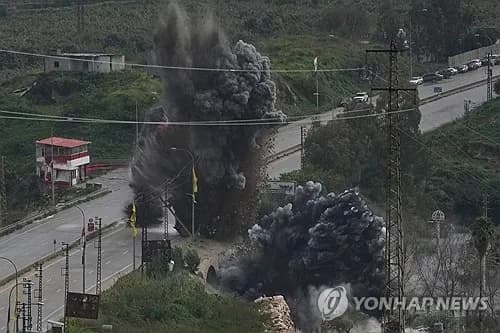
이스라엘, 헤즈볼라 무기 통로 레바논 다리 공습
이스라엘군, 헤즈볼라 무기 통로 레바논 다리 공습
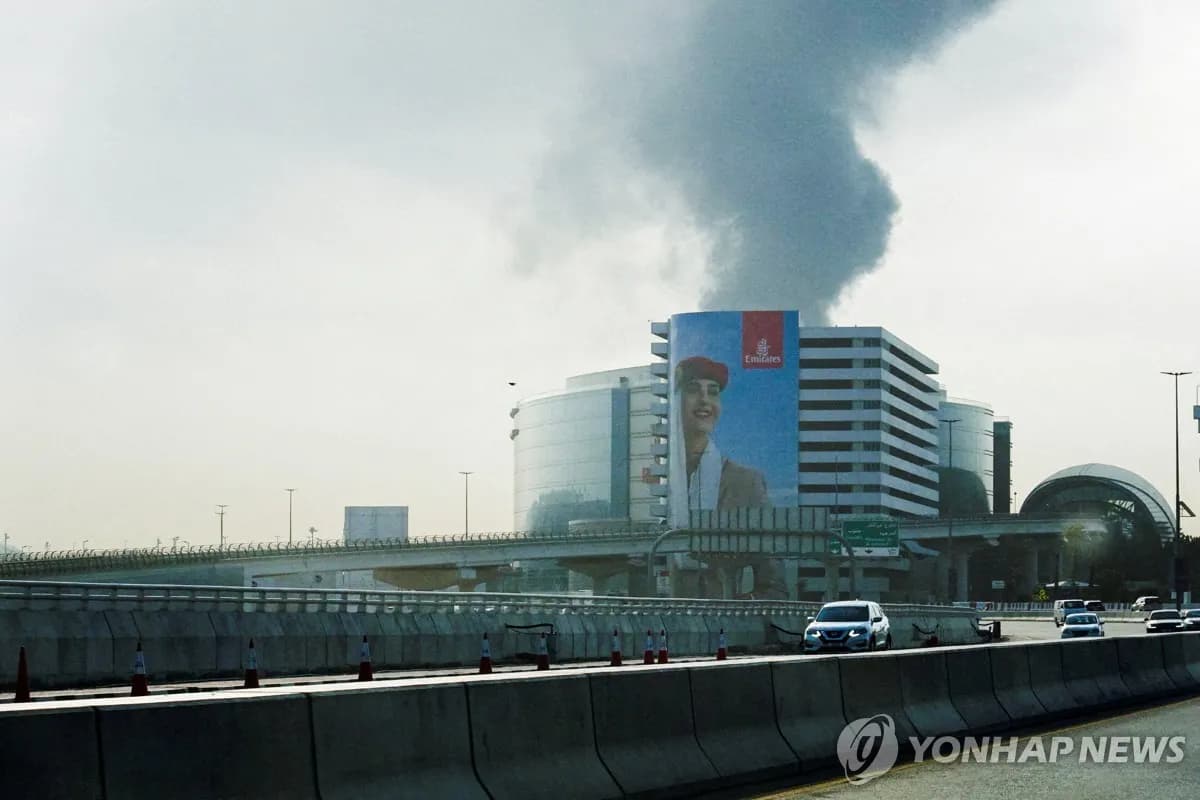
중동행 전세기 전쟁보험료 최고 7천500만원
중동행 전세기 전쟁보험료가 최고 5만달러(7천500만원)로 상승
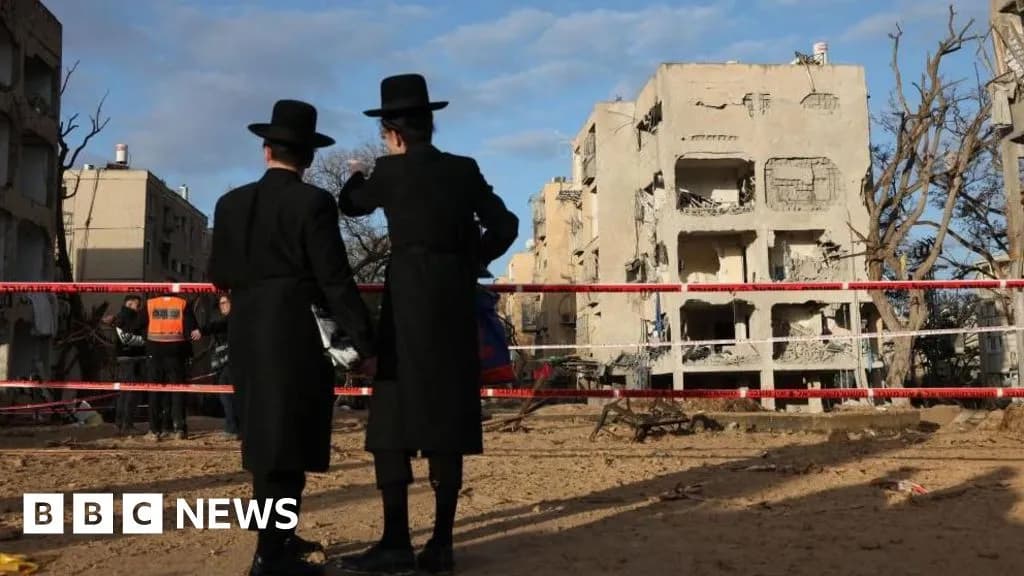
이란 탄도미사일, 이스라엘 방어망 뚫고 160명 부상
이란 탄도미사일이 이스라엘 방공망을 통과해 160명 부상

Southeast Asia Growth Forecasts Cut Amid Oil Price Surge, Threatening Korean Exports
Maybank Research has downgraded ASEAN-6's 2026 growth forecast from 4.8% to 4.5%.

Reddit Considers Face ID to Block Bots While Maintaining Anonymity
Reddit is considering implementing biometric authentication systems such as Face ID and Touch ID to block AI bots while maintaining anonymity.
BTS Tops March Artist Brand Reputation Rankings with First Full Group Comeback in 4 Years
BTS ranked first in the Korean Corporate Reputation Research Institute's March Artist Brand Reputation Rankings based on 99 million data points.

Santo Domingo's Malecón Sports Park Construction Progressing Smoothly
Construction of a soccer field and skate park is progressing smoothly in the Malecón area of Santo Domingo, Dominican Republic.

Pogačar Overcomes Crash to Win Milano-Sanremo, Achieves Four Monument Victories
Tadej Pogačar defeated Tom Pidcock to win Milano-Sanremo, achieving his fourth Monument victory.