South African Police Senior Official Suspended Over Political Murder Investigation Obstruction Allegations
Deputy National Commissioner Sibiya placed on special leave following Mkhwanazi's claims; President establishes truth commission
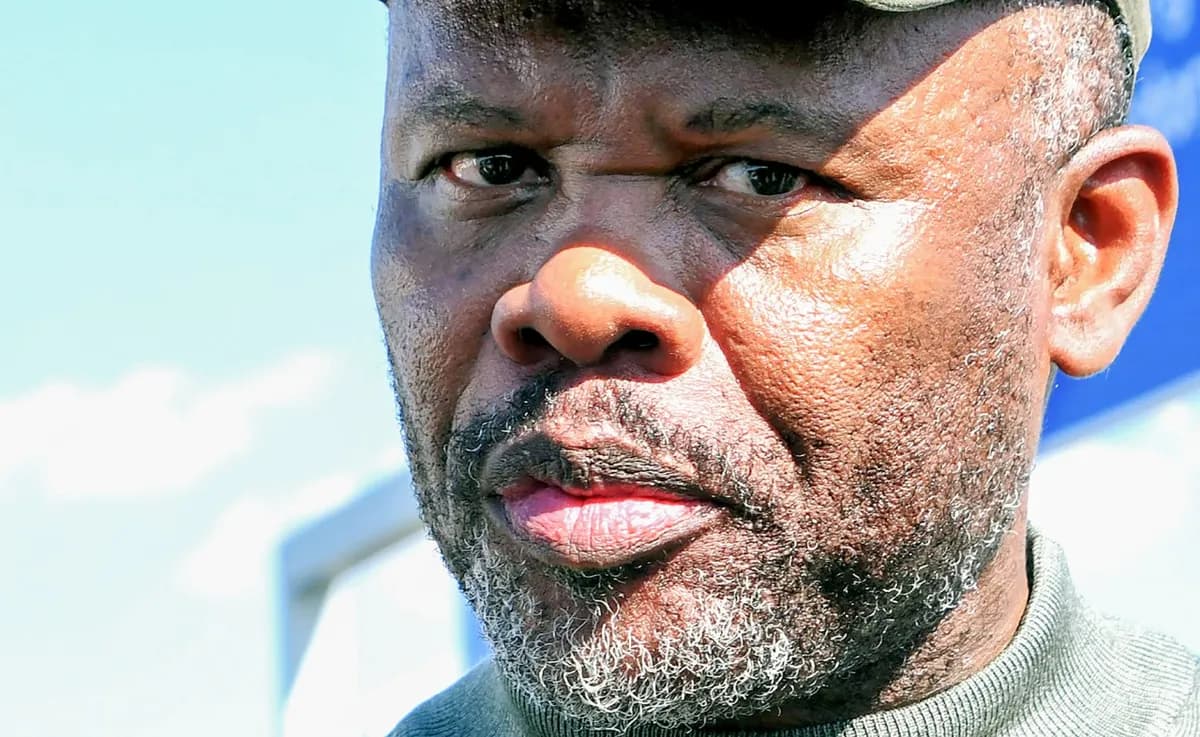
- •South African Police Deputy National Commissioner Sibiya has been placed on special leave over allegations of obstructing political murder investigations.
- •Provincial Police Commissioner Mkhwanazi alleged that 121 political murder case dockets were unauthorized withdrawn, halting investigations.
- •President Ramaphosa suspended the Police Minister and established a commission to investigate alleged drug cartel infiltration of law enforcement agencies.
Power Struggle Within South African Police Surfaces
A senior South African Police Service official has been placed on special leave amid allegations of deliberately obstructing political murder investigations. Deputy National Commissioner for Crime Detection Shadrack Sibiya received the suspension order from National Police Commissioner Fannie Masemola on July 15.
This action follows explosive revelations made nine days earlier by KwaZulu-Natal Provincial Police Commissioner Nhlanhla Mkhwanazi. At a press conference on July 6, Mkhwanazi alleged that Sibiya had unauthorized withdrawn 121 political murder case dockets, effectively halting ongoing investigations.
Commissioner Masemola stated that "a notice of suspension has been served to Deputy National Commissioner Sibiya while internal investigations are underway," adding that "he is currently the only person placed on suspension."
Controversy Over Disbanded Political Killings Task Team
At the heart of the controversy is the sudden dissolution of the Political Killings Task Team, established in 2018. According to Mkhwanazi's allegations, Police Minister Senzo Mchunu issued directives on December 31, 2024, to freeze Crime Intelligence vacancies and disband the specialized unit.
Subsequently, on March 26, 2025, Deputy Commissioner Sibiya allegedly withdrew all 121 case dockets the task team had been investigating, citing "instructions from the Police Minister." Mkhwanazi emphasized that this process occurred without any approval from either the National Police Commissioner or provincial police commissioners.
During his press conference, Mkhwanazi claimed that "the 121 case dockets have since been left abandoned at police headquarters, with no investigative work being conducted whatsoever."
Sibiya immediately denied these allegations. In media interviews, he countered that "Mkhwanazi is bringing the South African Police Service into disrepute" and "he doesn't know what he's talking about."
Allegations Reach the Highest Levels of Power
This situation has escalated beyond an internal police conflict. On July 13, President Cyril Ramaphosa placed Police Minister Mchunu on special leave and announced the formation of a major investigative commission.
Mkhwanazi's revelations exceeded expectations in scope. He alleged that a Gauteng-based drug cartel operates a criminal network that has infiltrated the entire law enforcement apparatus, including the police service, police ministry, parliament, correctional services, and judiciary.
While these claims have yet to be verified in court, they are expected to become central issues for the presidential investigative commission.
Structural Problems in South Africa's Law Enforcement System [AI Analysis]
This incident exposes deep fissures in South Africa's law enforcement system. Political killings have long plagued the country, with KwaZulu-Natal Province—where local power struggles are particularly intense—serving as a focal point for politically-motivated violence.
The 2018 creation of the specialized task team emerged from this context. However, the sudden disbandment of the team and withdrawal of case dockets seven years later raises suspicions that certain forces deliberately sought to block investigations.
The alleged connection between drug cartels and law enforcement agencies is even more serious. If Mkhwanazi's claims prove true, South Africa's law enforcement system would effectively be under the influence of criminal organizations—signifying not mere corruption but the paralysis of state functions.
Whether the investigative commission can uncover the truth remains uncertain. The South African government has faced numerous high-level corruption scandals in the past, but actual prosecutions have been limited. Political pressure, evidence destruction, and witness intimidation have frequently impeded investigations.
The outcome of this case will likely serve as a litmus test for the independence and credibility of South Africa's judicial system. Should the investigation fizzle out or remain superficial, public trust in law enforcement agencies will deteriorate further.
댓글 (2)
기사 잘 봤습니다. 다른 시각의 분석도 읽어보고 싶네요.
African에 대해 더 알고 싶어졌습니다. 후속 기사 부탁드립니다.
More in Special
The Corsican Mafia Exposed: Breaking a Century of Silence
AI-Generated Fake Person Used to Sell Dubai Flight Seats

Facebook Groups Traded Endangered Species Using Code Language — Indonesian Broker Network Exposed
G6 Alliance Declares Support for Hormuz Strait Security... Reverses Stance Under Trump Pressure
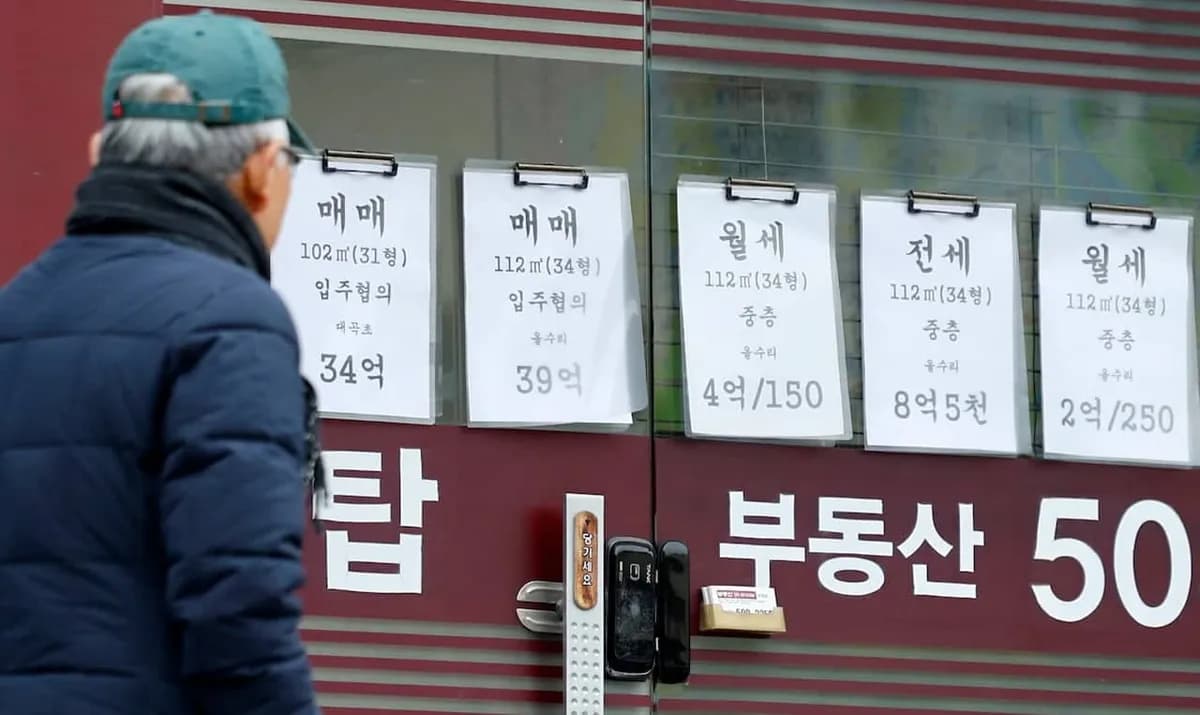
Seoul's Average Monthly Rent Surpasses 1.51 Million Won as Soaring Official Property Prices Trigger 'Housing Cost Bomb'
Rihanna Tops Spotify Without New Album for 10 Years, Proving Power of Catalog
Latest News
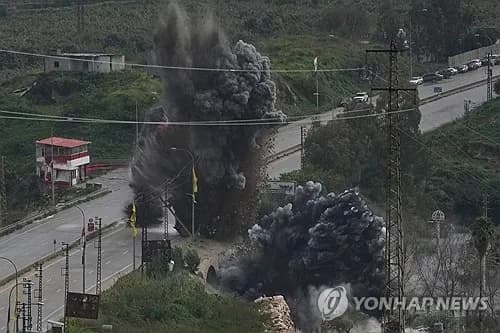
이스라엘, 헤즈볼라 무기 통로 레바논 다리 공습
이스라엘군, 헤즈볼라 무기 통로 레바논 다리 공습
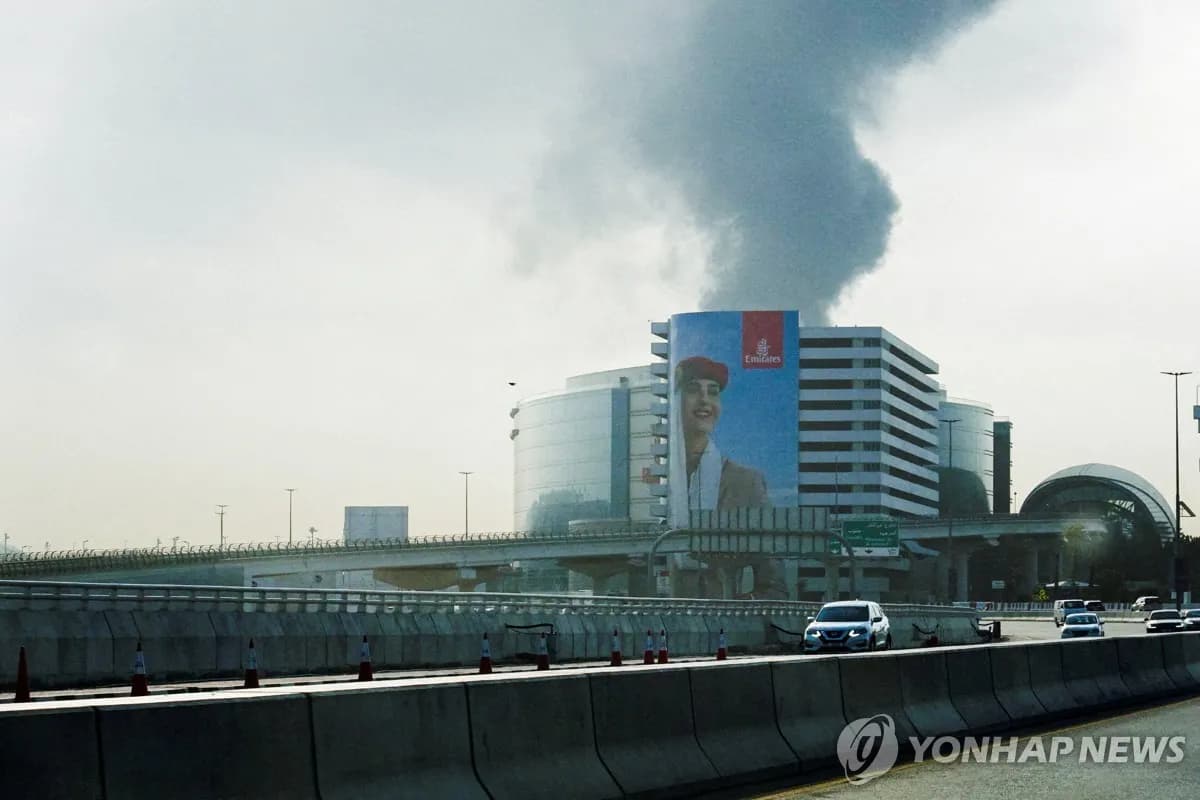
중동행 전세기 전쟁보험료 최고 7천500만원
중동행 전세기 전쟁보험료가 최고 5만달러(7천500만원)로 상승
이란 탄도미사일, 이스라엘 방어망 뚫고 160명 부상
이란 탄도미사일이 이스라엘 방공망을 통과해 160명 부상
Middle East Conflict Drives Manufacturing Outlook to 10-Month Low
The Korea Institute for Industrial Economics & Trade survey shows April manufacturing outlook PSI plummeted to 88, falling below baseline for the first time in 10 months.
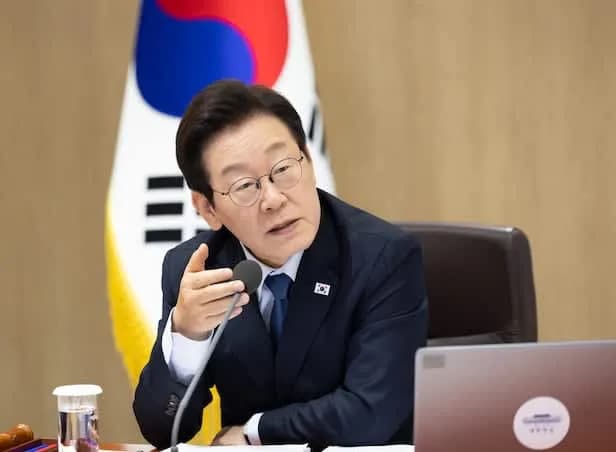
Lee Jae-myung Administration Excludes Multi-Home Officials from Real Estate Policymaking
President Lee Jae-myung has ordered the exclusion of multi-home owning public officials from all real estate policy processes.
Southeast Asia Growth Forecasts Cut Amid Oil Price Surge, Threatening Korean Exports
Maybank Research has downgraded ASEAN-6's 2026 growth forecast from 4.8% to 4.5%.
Volkswagen CEO Says Germany Should Learn from China's Industrial Strategy
Volkswagen CEO stated that Germany should learn from China's systematic industrial planning approach.

Reddit Considers Face ID to Block Bots While Maintaining Anonymity
Reddit is considering implementing biometric authentication systems such as Face ID and Touch ID to block AI bots while maintaining anonymity.