Indian Supreme Court Bans Excise Duty on Internal Petroleum Product Transfers
Tax Relief for Oil Marketing Companies... Expected to Impact Entire Energy Sector

- •India's Supreme Court ruled that excise duty cannot be imposed on internal transfers of petroleum products by Oil Marketing Companies.
- •This judgment relieves major oil companies including Bharat Petroleum from years of tax burden.
- •The ruling is expected to reduce operational costs in the petroleum industry and decrease tax disputes, with potential impact on other sectors as well.
Supreme Court Ruling Eases Tax Burden on Oil Companies
India's Supreme Court has ruled that excise duty cannot be imposed on internal transfers of petroleum products by Oil Marketing Companies (OMCs). The judgment was delivered on January 20 in Bharat Petroleum Corporation Ltd. vs. Commissioner of Central Excise, Nashik (Civil Appeal No. 5642/2009) and related cases.
The Supreme Court overturned tax authorities' decision to levy excise duty on petroleum product movements between oil companies' own facilities. This ruling is expected to bring significant changes to tax practices in India's energy industry.
Core Issues of the Judgment
The central question in this case was whether internal transfers of petroleum products constitute taxable supply. Tax authorities had treated movements of products from refineries to storage facilities or distribution centers as 'supply' and imposed excise duty accordingly.
The Supreme Court determined that such internal transfers are not actual sales or transactions, but merely logistics processes within the same legal entity. Therefore, they concluded that the requirements for excise duty imposition were not met.
This ruling frees Bharat Petroleum and other major OMCs from years of accumulated tax burdens. Industry experts estimate that this judgment could lead to tax refunds worth hundreds of billions of rupees.
Tax Environment in India's Energy Industry
India's petroleum industry has long struggled with a complex tax structure. Even after the introduction of Goods and Services Tax (GST) in 2017, petroleum products remain under a separate tax regime, requiring companies to manage various central and state government taxes simultaneously.
Particularly, OMCs operating a vertically integrated structure of refining, storage, and distribution have faced tax issues at each stage. Before this ruling, the applicability of excise duty on internal transfers was unclear, leading to frequent tax disputes.
Since the mid-2000s, tax authorities pursued aggressive taxation policies on internal transfers by oil companies, resulting in numerous lawsuits. This Supreme Court judgment appears to be a decisive turning point in resolving this long-standing legal uncertainty.
Future Outlook [AI Analysis]
This ruling is highly likely to bring significant changes to the tax environment of India's petroleum industry.
First, reduced petroleum distribution costs are anticipated. With the elimination of tax burden on internal transfers, oil companies can lower operational costs, which could contribute to consumer price stabilization in the long term.
Second, a decrease in tax disputes is expected. The Supreme Court's clear judgment is projected to reduce conflicts between tax authorities and companies in similar cases going forward. This will have a positive effect of increasing business predictability in the petroleum industry.
Third, there is potential for a precedent effect on other industrial sectors. Manufacturers operating vertically integrated structures now have grounds to review tax burdens on their internal transfers.
However, the government may be concerned about reduced tax revenue. Since petroleum products are one of India's major revenue sources, discussions on alternative taxation measures to fill the revenue gap from this ruling cannot be ruled out.
Ultimately, this judgment is expected to serve as a catalyst for enhancing tax transparency and efficiency in India's energy industry, and is likely to influence the direction of government tax policy going forward.
댓글 (3)
Indian에 대해 더 알고 싶어졌습니다. 후속 기사 부탁드립니다.
흥미로운 주제입니다. 주변에도 공유해야겠어요.
Court 관련 기사 잘 읽었습니다. 유익한 정보네요.
More in Special

The Corsican Mafia Exposed: Breaking a Century of Silence

AI-Generated Fake Person Used to Sell Dubai Flight Seats

Facebook Groups Traded Endangered Species Using Code Language — Indonesian Broker Network Exposed

G6 Alliance Declares Support for Hormuz Strait Security... Reverses Stance Under Trump Pressure
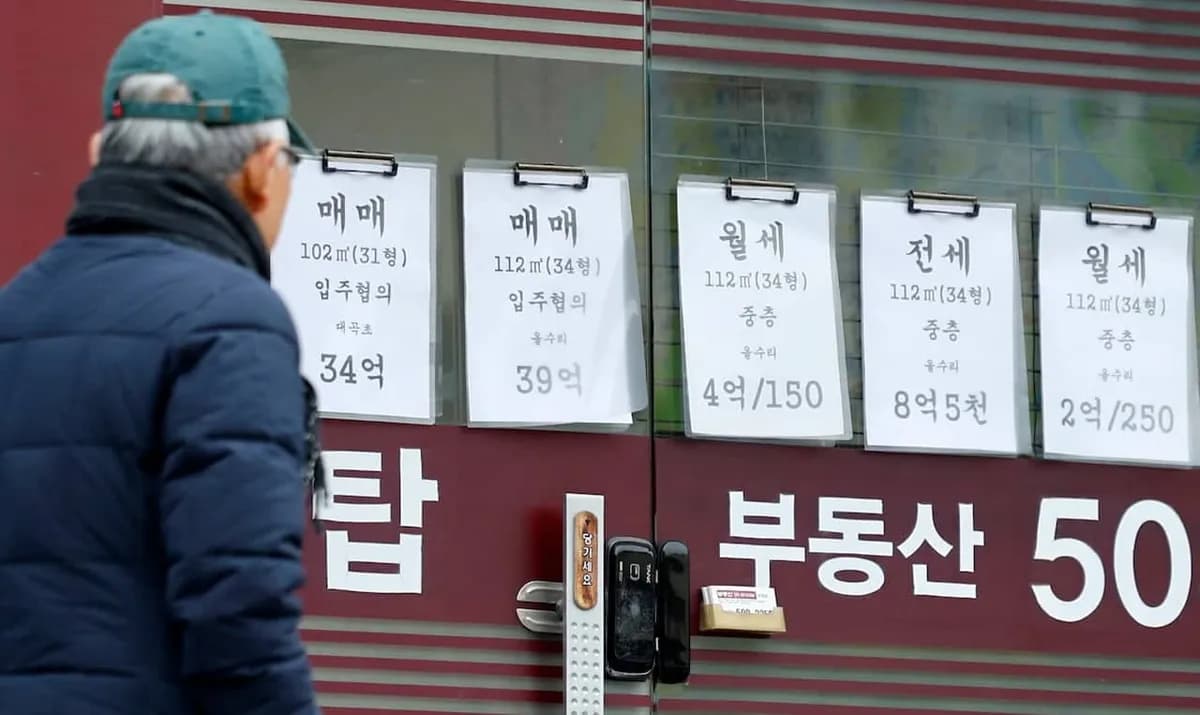
Seoul's Average Monthly Rent Surpasses 1.51 Million Won as Soaring Official Property Prices Trigger 'Housing Cost Bomb'

Rihanna Tops Spotify Without New Album for 10 Years, Proving Power of Catalog
Latest News

이스라엘, 헤즈볼라 무기 통로 레바논 다리 공습
이스라엘군, 헤즈볼라 무기 통로 레바논 다리 공습
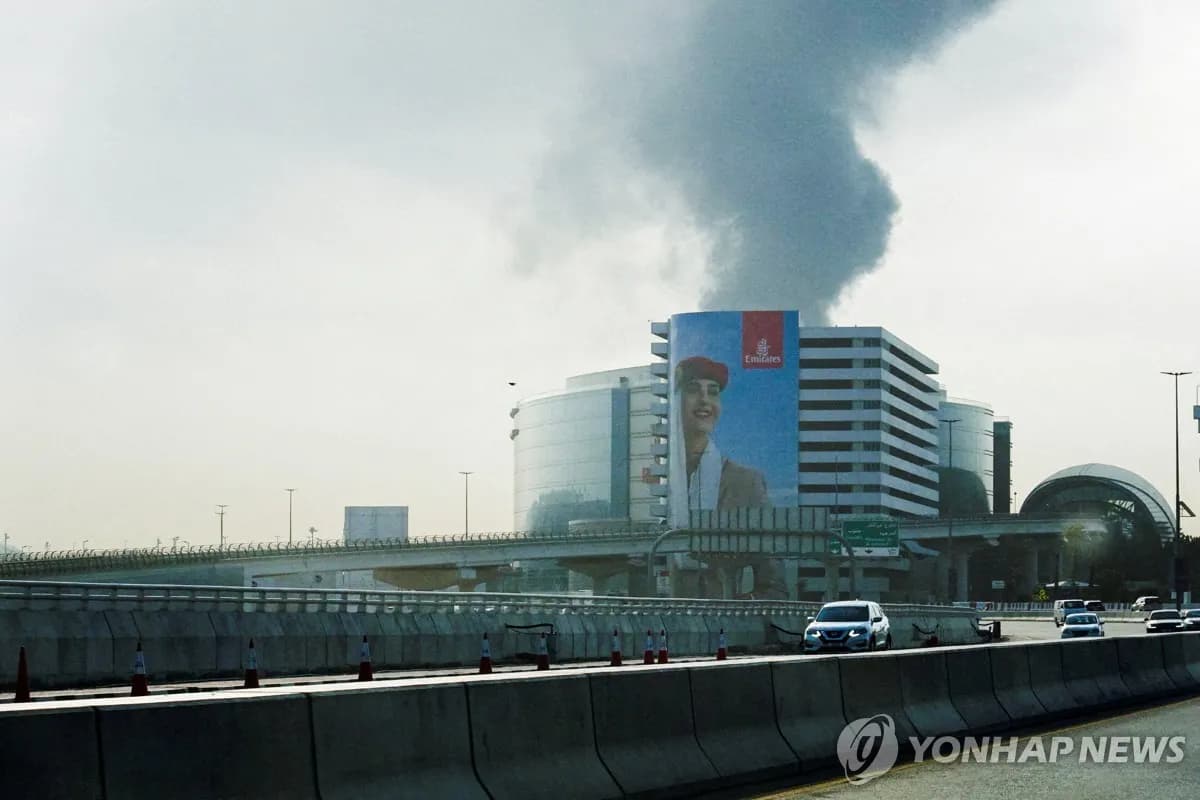
중동행 전세기 전쟁보험료 최고 7천500만원
중동행 전세기 전쟁보험료가 최고 5만달러(7천500만원)로 상승

이란 탄도미사일, 이스라엘 방어망 뚫고 160명 부상
이란 탄도미사일이 이스라엘 방공망을 통과해 160명 부상

Middle East Conflict Drives Manufacturing Outlook to 10-Month Low
The Korea Institute for Industrial Economics & Trade survey shows April manufacturing outlook PSI plummeted to 88, falling below baseline for the first time in 10 months.

Lee Jae-myung Administration Excludes Multi-Home Officials from Real Estate Policymaking
President Lee Jae-myung has ordered the exclusion of multi-home owning public officials from all real estate policy processes.

Southeast Asia Growth Forecasts Cut Amid Oil Price Surge, Threatening Korean Exports
Maybank Research has downgraded ASEAN-6's 2026 growth forecast from 4.8% to 4.5%.

Volkswagen CEO Says Germany Should Learn from China's Industrial Strategy
Volkswagen CEO stated that Germany should learn from China's systematic industrial planning approach.

Reddit Considers Face ID to Block Bots While Maintaining Anonymity
Reddit is considering implementing biometric authentication systems such as Face ID and Touch ID to block AI bots while maintaining anonymity.