New Currents in Mexican Contemporary Architecture at Puebla's Museo Amparo
Exhibition 'Atlas of Contemporary Architecture in Mexico' Analyzes 15 Years of Architectural Innovation
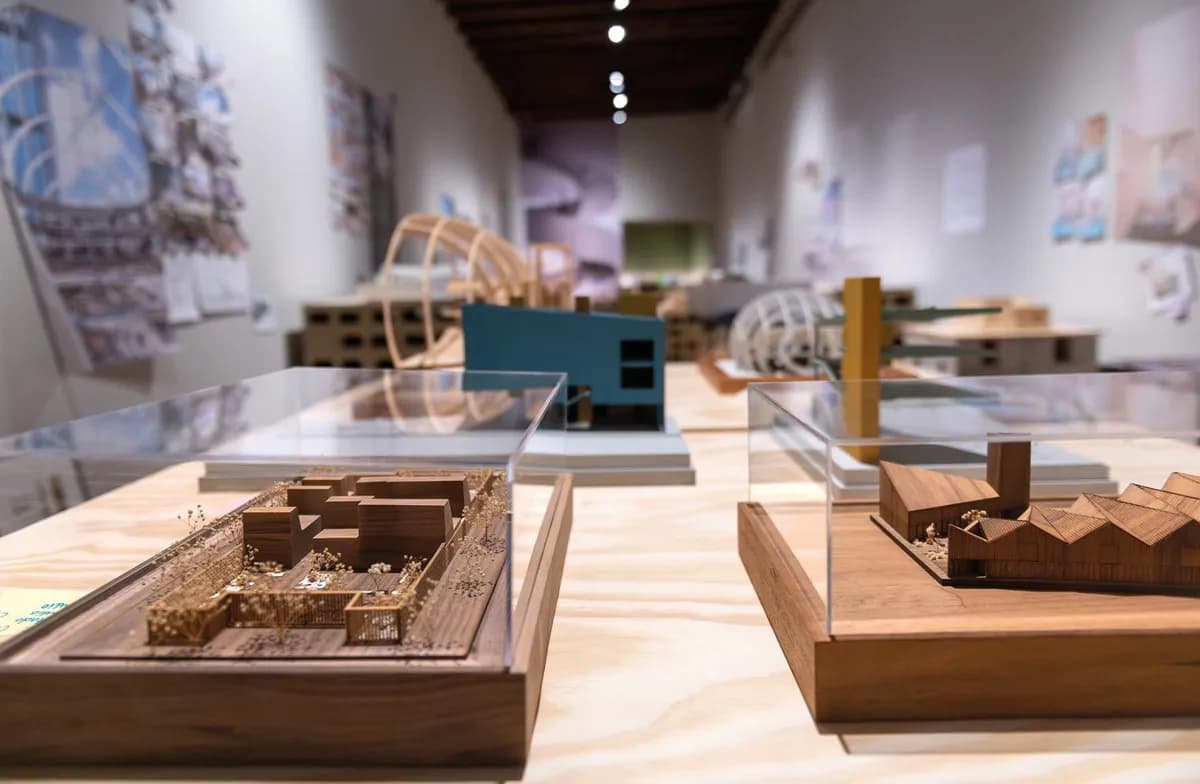
- •Museo Amparo in Puebla, Mexico, is hosting a major exhibition examining changes in Mexican architecture over the past 15 years.
- •The exhibition demonstrates that Mexican architecture has evolved beyond past debates over ethnic identity toward consistent quality and new methodologies.
- •Young architects are concentrating on regenerating historic city centers instead of suburban expansion, sharing a common architectural language.
An Era of Architecture Beyond National Identity
The Museo Amparo in Puebla, Mexico, is currently hosting an exhibition that illuminates recent trends in Mexican contemporary architecture: 'Atlas de Arquitectura Contemporánea en México' (Atlas of Contemporary Architecture in Mexico).
Curated by Pablo Landa, the exhibition features approximately 200 sketches, floor plans, videos, documents, models, and photographs demonstrating how Mexican architecture has moved beyond the 20th century's debates over 'national identity' and entered a new phase.
Why Mexican Architecture Now?
Throughout the 20th century, Mexican architects grappled with creating architecture that was simultaneously "Mexican and modern." State-led architectural projects primarily contributed to national integration and the expansion of public services.
However, curator Landa notes that "this is no longer a primary concern for today's architects." Instead, 'meaningful convergences' are being discovered among buildings constructed across Mexico over the past 15 years.
Landa, who also serves as the library and archive coordinator for the Faculty of Architecture at UNAM (National Autonomous University of Mexico), assesses that "never in Mexican history have so many buildings been constructed with such consistent quality."
Characteristics of the New Architecture
The exhibition poses the following questions:
- What is the social and political role of current architecture?
- What conditions is it responding to?
- What relationships and ways of life does it create?
To find answers, the exhibition comparatively analyzes dozens of buildings. By encompassing works by architects of various generations working across Mexican regions, it provides a systematic and comprehensive view of architectural activity with national character.
Young architects are receiving particular attention. They share common architectural languages and new methodologies, and in cities like Puebla, they view historic districts differently. Instead of expanding into suburbs, they are returning to city centers and focusing on regenerating existing spaces.
Exhibition Organization and Support
This exhibition is a national-level project produced with support from Mexico's Income Tax Law Article 190 arts support system (Efiartes) and sponsorship from steel company Ternium.
The exhibition does not merely showcase one aspect of architecture. Landa explains that it "explores what is happening at various scales and contexts," including not only design and construction but also architectural history research and future imagination.
It encompasses work from the most active firms and architects in Mexican architecture—mostly from the younger generation—allowing viewers to grasp at a glance the new formal and programmatic characteristics they present.
The Future Architecture Creates [AI Analysis]
The phenomenon of Mexican contemporary architecture moving away from 'nationality' discourse to focus on practical and sustainable urban regeneration is likely to spread throughout Latin America.
Particularly, the trend of returning to historic city centers is evaluated as an alternative approach to urban hollowing and environmental crisis. The common language shared by young architects is expected to strengthen further, aided by international exchange and the development of digital tools.
However, there is also a risk that this trend could dilute regional uniqueness, making the balance between universality and particularity a challenge for the future.
댓글 (3)
New 관련 기사 잘 읽었습니다. 유익한 정보네요.
공감합니다. 참고하겠습니다.
Currents에 대해 더 알고 싶어졌습니다. 후속 기사 부탁드립니다.
More in Culture & Art
Government Provides 1 Billion Won in Emergency Disaster Funds for Daejeon Factory Fire Recovery

Existence Blooming Through Vulnerability: Massimo Lagrotteria Solo Exhibition
Milan Design Week 2026: Hotels Transform into Laboratories of Dreams
The Future of Living on the Moon, Mars, and Deep Sea: Houses Designed by Architects

15,000-Year-Old Clay Beads Made by Children Rewrite Prehistoric Art History

Reuters Reports Banksy's Identity Revealed, Reigniting Anonymity Debate
Latest News

이스라엘, 헤즈볼라 무기 통로 레바논 다리 공습
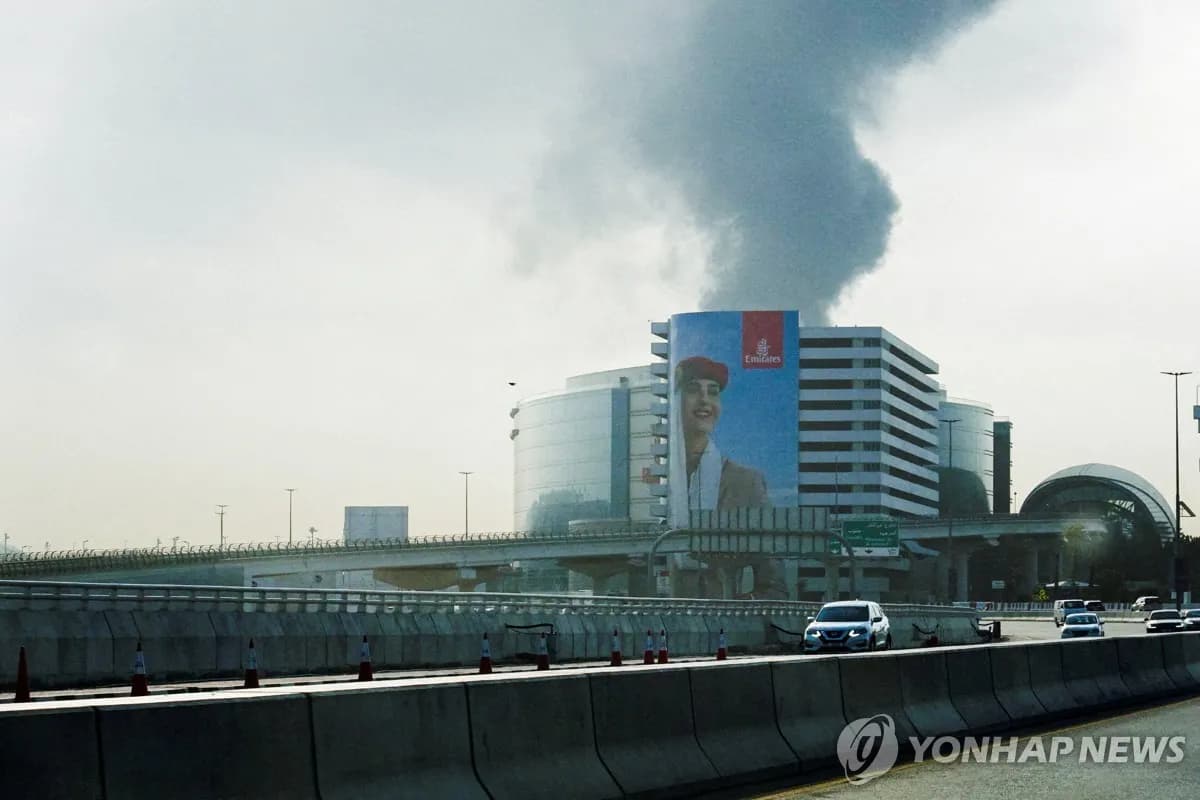
이스라엘군, 헤즈볼라 무기 통로 레바논 다리 공습
중동행 전세기 전쟁보험료 최고 7천500만원
중동행 전세기 전쟁보험료가 최고 5만달러(7천500만원)로 상승
이란 탄도미사일, 이스라엘 방어망 뚫고 160명 부상
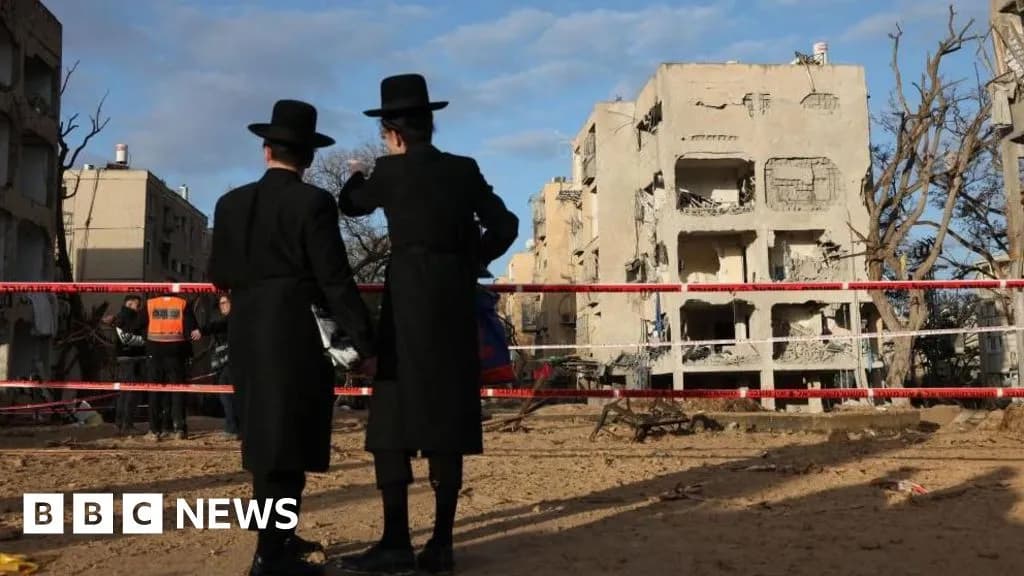
이란 탄도미사일이 이스라엘 방공망을 통과해 160명 부상
Middle East Conflict Drives Manufacturing Outlook to 10-Month Low
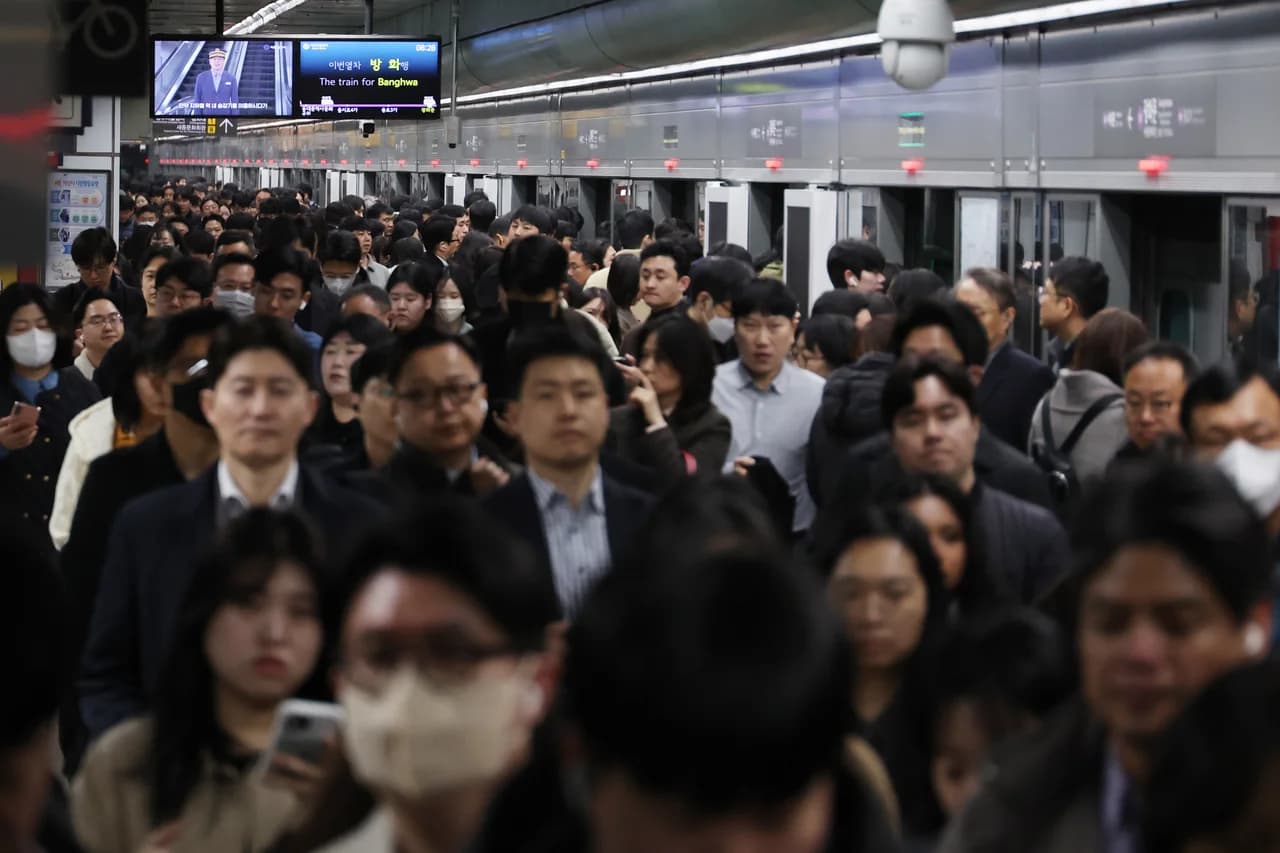
The Korea Institute for Industrial Economics & Trade survey shows April manufacturing outlook PSI plummeted to 88, falling below baseline for the first time in 10 months.

Lee Jae-myung Administration Excludes Multi-Home Officials from Real Estate Policymaking
President Lee Jae-myung has ordered the exclusion of multi-home owning public officials from all real estate policy processes.
Southeast Asia Growth Forecasts Cut Amid Oil Price Surge, Threatening Korean Exports
Maybank Research has downgraded ASEAN-6's 2026 growth forecast from 4.8% to 4.5%.

Volkswagen CEO Says Germany Should Learn from China's Industrial Strategy
Volkswagen CEO stated that Germany should learn from China's systematic industrial planning approach.

Reddit Considers Face ID to Block Bots While Maintaining Anonymity
Reddit is considering implementing biometric authentication systems such as Face ID and Touch ID to block AI bots while maintaining anonymity.