Which Universities Are the Hardest to Get Into in the U.S.?
State-by-State Rankings Reveal MIT, Columbia Have Sub-5% Acceptance Rates
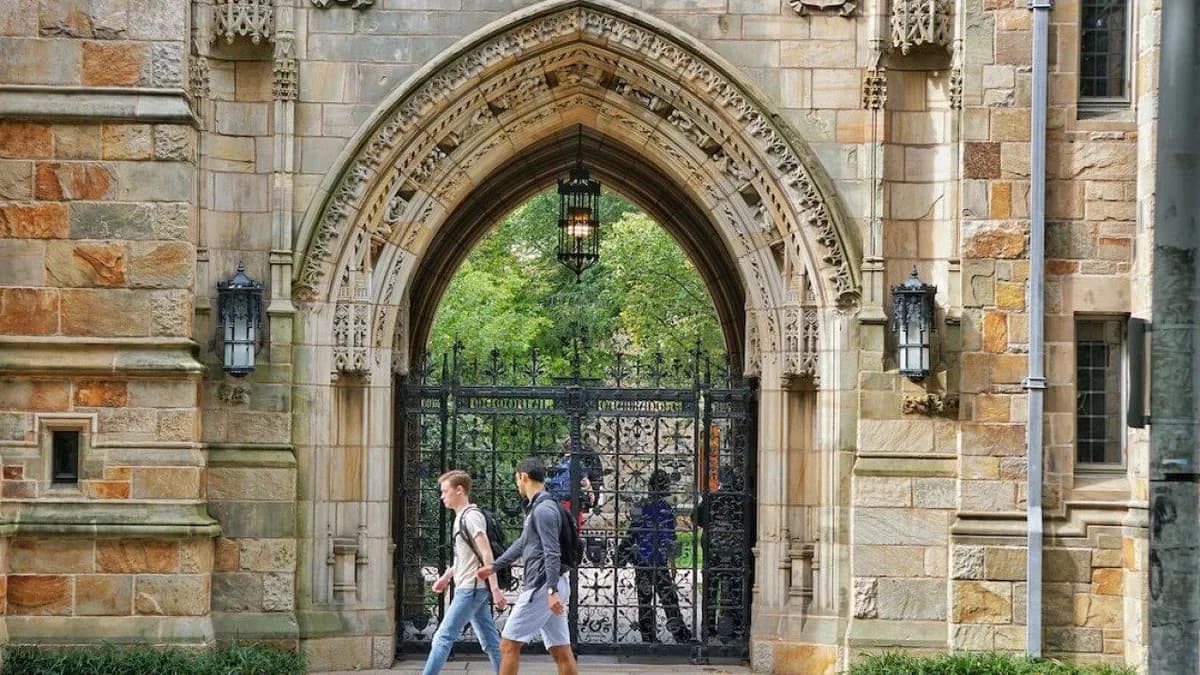
- •MIT and Columbia University have acceptance rates below 5% for the 2025-2026 academic year, making them among the hardest universities to get into in the United States.
- •Ivy League universities including Yale and Dartmouth are reinstating standardized testing requirements that were eliminated during COVID-19.
- •Following the 2023 Supreme Court ban on race-conscious admissions, Black student enrollment rates at Harvard and MIT have sharply declined.
How Difficult Is College Admission?
A college degree remains a crucial key to career advancement. According to statistics, college graduates are more likely to enjoy higher salaries, improved health and retirement benefits, and better career opportunities. Particularly, a degree from a prestigious university offers additional advantages such as increased lifetime earnings and a powerful professional network.
However, with tuition costs continuing to rise, admission to elite universities with high post-graduation employment rates also means significant student loan debt.
Admission Difficulty Varies by State
The competitiveness of college admissions in the United States shows stark differences by region. Several ultra-competitive universities are concentrated in East Coast states like Massachusetts and New York. According to 2025-2026 academic year admission data compiled by Forbes in March 2025:
- MIT (Massachusetts Institute of Technology): Acceptance rate below 5%
- Columbia University: Acceptance rate below 5%
In contrast, Utah and Arizona have relatively lower barriers to entry.
- Brigham Young University (Utah's most difficult): 69% acceptance rate
- Ottawa University Surprise Campus (Arizona's most difficult): Approximately 40% acceptance rate
The Return of Standardized Testing
While various factors influence college admissions, standardized test scores appear to have played a particularly important role this year. Many universities eliminated SAT and ACT score submission requirements during the COVID-19 pandemic, but recently there has been a movement to reinstate them, particularly among Ivy League schools.
Yale University and Dartmouth College are representative examples. This has reignited debate surrounding fairness in college admissions and student evaluation criteria.
Aftermath of Affirmative Action Ban
Since the Supreme Court ruled race-based affirmative action in admissions unconstitutional in June 2023, significant changes have appeared in diversity metrics at elite universities.
Harvard and MIT experienced sharp drops in Black student enrollment rates. Analysis published by the Urban Institute in July 2025 supports this trend:
- Between 2023 and 2024, the number of Black and Latino applicants increased, but
- The actual number of admitted students from these groups decreased
Experts forecast that the impact of the Supreme Court ruling will continue to ripple through college admissions processes for years to come.
State-by-State Admission Difficulty Rankings Released
Educational information platform Niche released its 2026 "Hardest Colleges to Get Into" rankings. These rankings were based on acceptance rates and SAT scores, utilizing Department of Education data and self-reported scores from Niche users.
Notably, six states—Alaska, Delaware, Nevada, Utah, West Virginia, and Wyoming—had no universities included in the Niche rankings. This may indicate either the absence of ultra-competitive universities in those regions or insufficient data.
Complete state-by-state rankings are available on the Niche website.
댓글 (2)
기사 잘 봤습니다. 다른 시각의 분석도 읽어보고 싶네요.
간결하면서도 핵심을 잘 정리한 기사네요.
More in Life

Beyond Vaccines: Refusal of Newborn Vitamin K Shots Spreads

NASA Restores Historic 80-Year-Old 'Hangar One' at Ames Research Center

NASA X-59 Supersonic Experimental Aircraft Completes Second Test Flight Successfully

Australian Researchers Develop World's First Quantum Battery Prototype

The Ocean Was the True Driver of 3 Million Years of Climate Change

Heat Waves to Cause 700,000 Premature Deaths by 2050… Climate Crisis Undermines Exercise Habits
Latest News

이스라엘, 헤즈볼라 무기 통로 레바논 다리 공습
이스라엘군, 헤즈볼라 무기 통로 레바논 다리 공습

중동행 전세기 전쟁보험료 최고 7천500만원
중동행 전세기 전쟁보험료가 최고 5만달러(7천500만원)로 상승

이란 탄도미사일, 이스라엘 방어망 뚫고 160명 부상
이란 탄도미사일이 이스라엘 방공망을 통과해 160명 부상
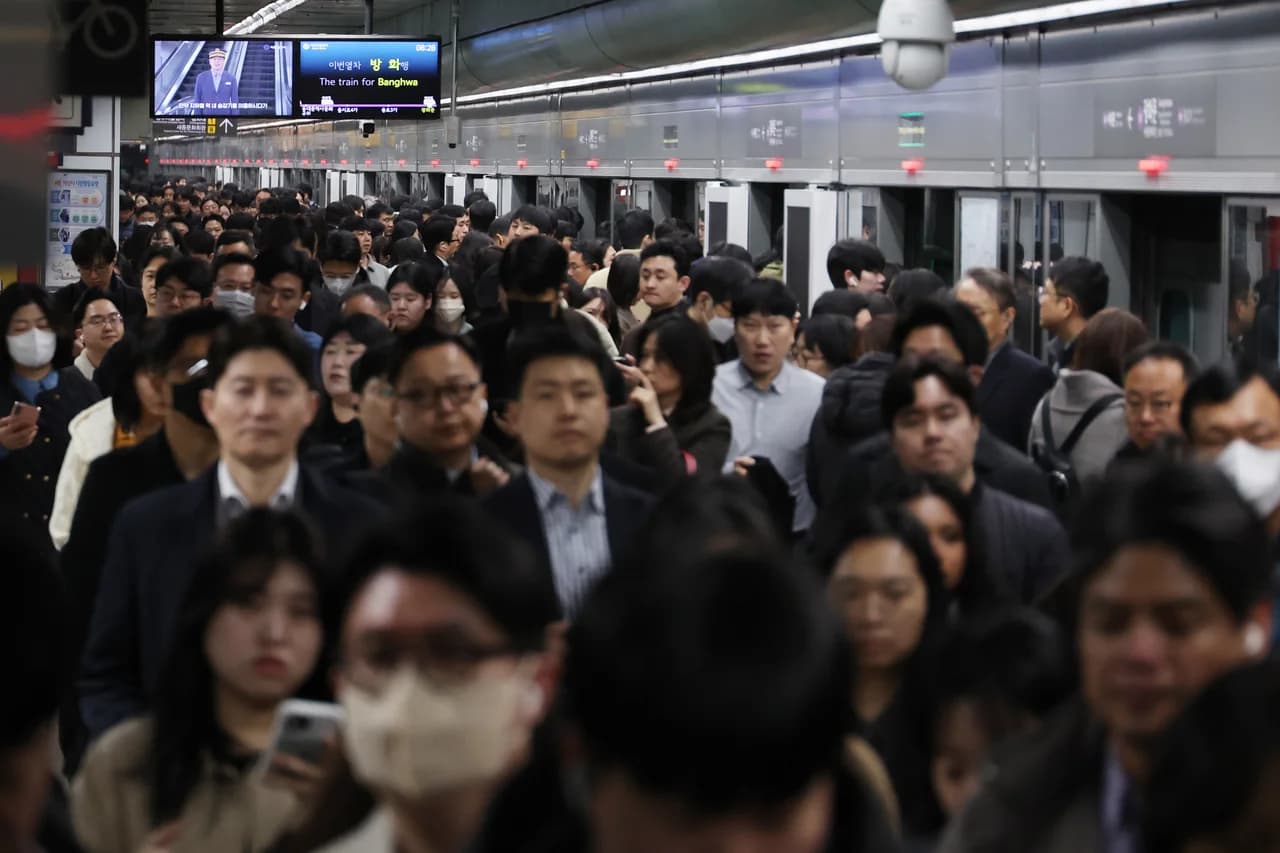
Middle East Conflict Drives Manufacturing Outlook to 10-Month Low
The Korea Institute for Industrial Economics & Trade survey shows April manufacturing outlook PSI plummeted to 88, falling below baseline for the first time in 10 months.

Lee Jae-myung Administration Excludes Multi-Home Officials from Real Estate Policymaking
President Lee Jae-myung has ordered the exclusion of multi-home owning public officials from all real estate policy processes.

Southeast Asia Growth Forecasts Cut Amid Oil Price Surge, Threatening Korean Exports
Maybank Research has downgraded ASEAN-6's 2026 growth forecast from 4.8% to 4.5%.

Volkswagen CEO Says Germany Should Learn from China's Industrial Strategy
Volkswagen CEO stated that Germany should learn from China's systematic industrial planning approach.

Reddit Considers Face ID to Block Bots While Maintaining Anonymity
Reddit is considering implementing biometric authentication systems such as Face ID and Touch ID to block AI bots while maintaining anonymity.