US Intervention in Venezuela: Defending the Petrodollar System
Behind the attempts to overthrow the Maduro regime lie strategic objectives of defending the dollar's reserve currency status and countering China
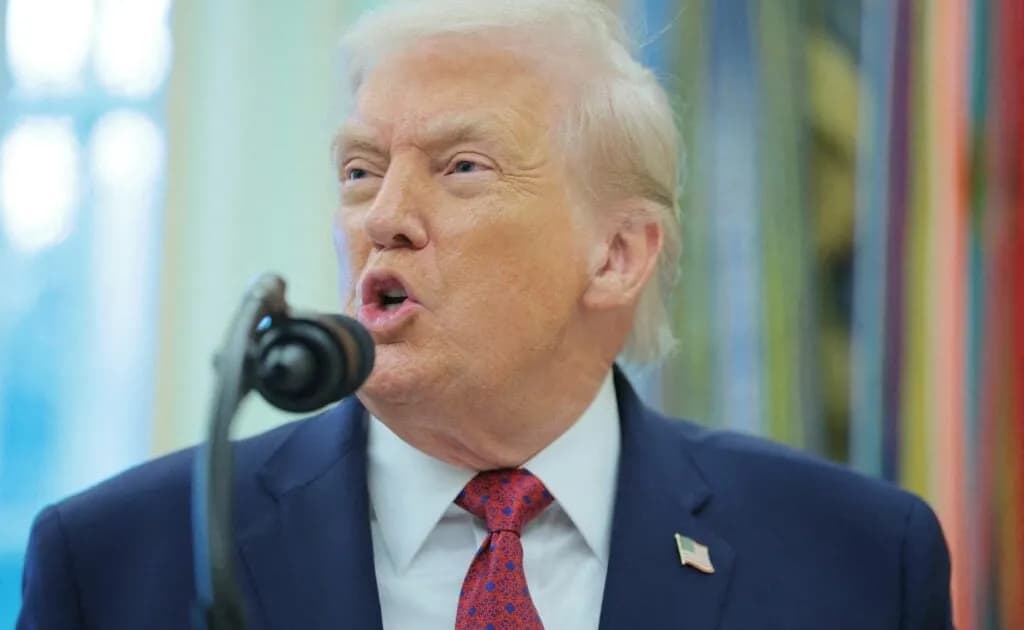
- •The Trump administration's intervention in Venezuela is fundamentally about defending the petrodollar system and countering China, not drug enforcement.
- •Venezuela directly challenged US economic hegemony by introducing yuan and euro settlements instead of dollars in oil transactions in 2018.
- •History repeatedly shows that challenges to the dollar-based oil system have been followed by military and political intervention, as seen in Iraq and Libya.
Geopolitical Conflict Triggered by Oil Trade Currency Shift
As the Trump administration announced its policy to support the sale of Venezuelan oil, the attempted arrest of President Nicolás Maduro and his wife Cilia Flores revealed strategic intentions beyond simple drug enforcement. While drug charges were the surface justification, the real core issues were energy control, influence in the global dollar system, and competition for hegemony with China.
Venezuela holds the world's largest oil reserves, exceeding 300 billion barrels. How this oil is produced, at what price, and in what currency it is traded determines not only America's immediate interests but also the long-term global balance of power.
Venezuela's Challenge to Dollar Hegemony
In recent years, Venezuela has moved in directions that concern Washington. In 2018, the Maduro government announced it would reduce dependence on the US dollar in oil transactions and accept payments in Chinese yuan and euros. This was part of extensive financial and energy cooperation with China and a clear expression of intent to operate outside the dollar-centered system.
Venezuela also pursued close relations with the BRICS group. BRICS member states have continuously explored ways to reduce dollar dependence in trade and finance. These moves represented a direct challenge to American economic power.
Since the 1970s, the global oil market has operated on a dollar basis. Starting from an agreement that linked oil sales to US currency with Washington providing security, this structure evolved into the 'petrodollar system,' ensuring stable global demand for dollars and serving as the foundation for the US to manage fiscal deficits, project military power, and maintain economic influence.
History Repeats: The Price of Currency Challenge
History repeatedly shows what happened to countries that challenged this system. Shortly after Iraq attempted to sell oil in euros, the 2003 US-led invasion occurred, and when Libya tried to introduce a pan-African gold-based currency for oil transactions in 2011, NATO intervention followed. Whatever the official justifications, these cases demonstrate how closely energy, currency, economic dominance, and geopolitical power have been intertwined for decades.
Venezuela represented a much larger and more sustained challenge because it was a country with enormous reserves, long-term oil supply capacity, strategic location, and meaningful international partnerships.
The China Factor: A Beachhead for Yuan-Based Oil Settlements
China has played a central role in this picture. As a major buyer of Venezuelan oil and a key creditor, Beijing's long-term strategy includes expanding yuan use in energy transactions. If a major oil-producing country persistently shifted away from the dollar, China's efforts could be significantly strengthened.
Statements by senior US officials provide additional insight into Washington's intentions. Under Hugo Chávez and subsequently the Maduro regime, US companies lost operational control over Venezuelan oil assets, and arbitration panels later ruled on compensation disputes. However, international law and Venezuela's constitution clearly state that the oil itself belongs to the Venezuelan state. The disputes were about compensation and control, not sovereignty.
The Flow of the Petrodollar System [Historical Context]
The petrodollar system was formalized after the 1973 oil crisis. At that time, Saudi Arabia and other oil-producing countries reached an informal agreement with the US to sell oil only in dollars, while the US provided military protection to these nations.
For decades since, this structure became the foundation of the US economy. Countries worldwide had to hold dollars to purchase oil, which led to sustained demand for US Treasury bonds. In the 2000s, emerging economies like China and Russia began challenging this system, and Venezuela became the most direct challenger in Latin America.
In the early 2010s, the Chávez regime had already concluded oil-for-loan exchange agreements with China, which the Maduro regime further expanded. When Venezuela issued its own cryptocurrency 'Petro' in 2018, formalizing dollar decoupling, US economic sanctions intensified further.
Future Outlook [AI Analysis]
The Venezuela situation is likely to become a testing ground showing the direction of the global energy-currency order, beyond a single country's problem.
First, if the US succeeds in regaining control over Venezuelan oil, this will lead to a short-term strengthening of the petrodollar system. However, this may prove to be a temporary effect. China, Russia, and Saudi Arabia are already operating pilot programs for yuan-based oil settlements, and this trend appears likely to continue long-term.
Second, the Trump administration's need to replenish the Strategic Petroleum Reserve (SPR) is directly linked to short-term oil price stability. Venezuelan crude is heavy oil with characteristics suitable for US refineries, making securing this supply source politically significant.
Third, this situation will likely serve as a warning signal to other oil-producing countries. It sends the message that attempts to defect from the dollar-centered system can trigger regime-change-level pressure. However, this could conversely strengthen cohesion within BRICS.
Finally, China's response is a key variable. If Beijing strengthens support for Venezuela or accelerates yuan settlement expansion with other oil-producing countries, America's petrodollar defense strategy will face greater challenges.
The essence of energy geopolitics is not control but management of flows. The Venezuela situation exemplifies a 21st-century power game centered on which direction those flows will take.
댓글 (3)
US 관련 기사 잘 읽었습니다. 유익한 정보네요.
그 부분은 저도 궁금했습니다.
흥미로운 주제입니다. 주변에도 공유해야겠어요.
More in Economy

Middle East Conflict Drives Manufacturing Outlook to 10-Month Low

Lee Jae-myung Administration Excludes Multi-Home Officials from Real Estate Policymaking

Volkswagen CEO Says Germany Should Learn from China's Industrial Strategy

Russia Anticipates Economic Gains from US-Iran Conflict
U.S. Federal Reserve Unveils Bank Capital Regulation Modernization Plan
Federal Reserve Announces Enforcement Actions Against Two Former Bank Employees
Latest News
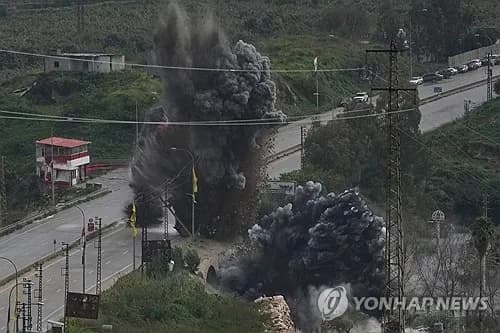
이스라엘, 헤즈볼라 무기 통로 레바논 다리 공습
이스라엘군, 헤즈볼라 무기 통로 레바논 다리 공습
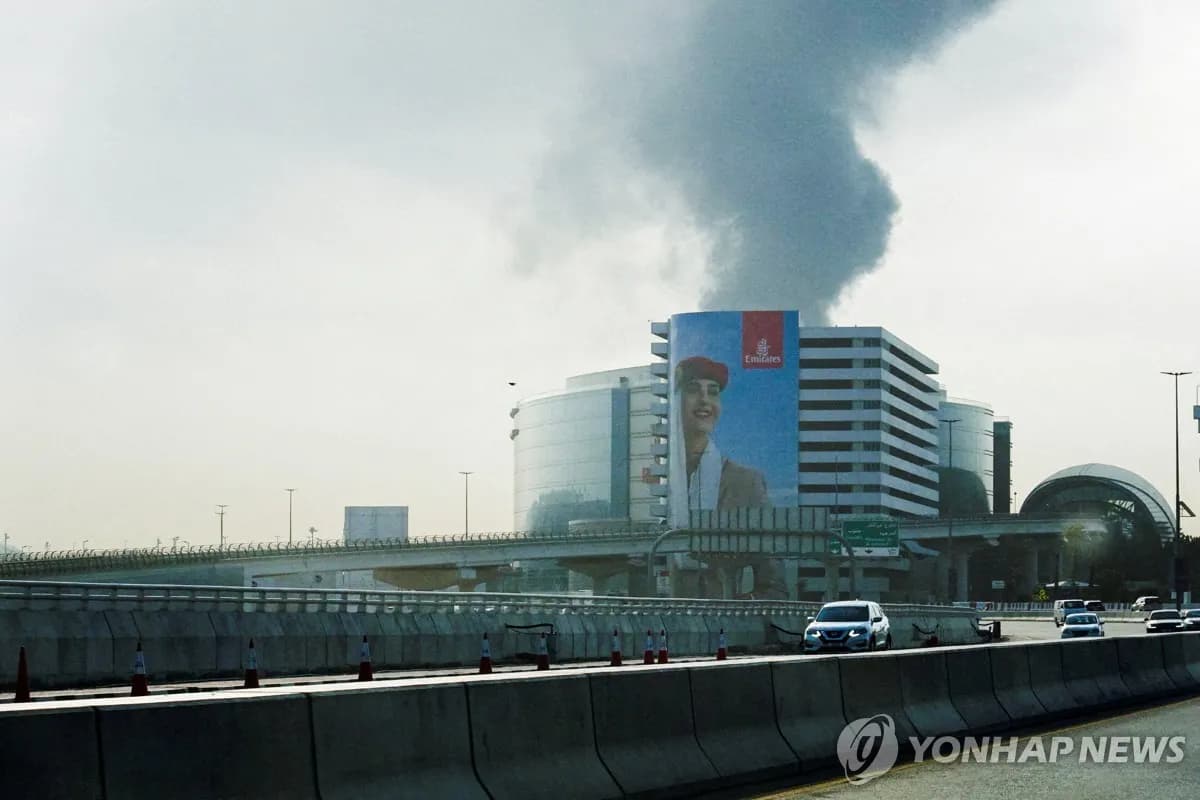
중동행 전세기 전쟁보험료 최고 7천500만원
중동행 전세기 전쟁보험료가 최고 5만달러(7천500만원)로 상승

이란 탄도미사일, 이스라엘 방어망 뚫고 160명 부상
이란 탄도미사일이 이스라엘 방공망을 통과해 160명 부상

Southeast Asia Growth Forecasts Cut Amid Oil Price Surge, Threatening Korean Exports
Maybank Research has downgraded ASEAN-6's 2026 growth forecast from 4.8% to 4.5%.

Reddit Considers Face ID to Block Bots While Maintaining Anonymity
Reddit is considering implementing biometric authentication systems such as Face ID and Touch ID to block AI bots while maintaining anonymity.
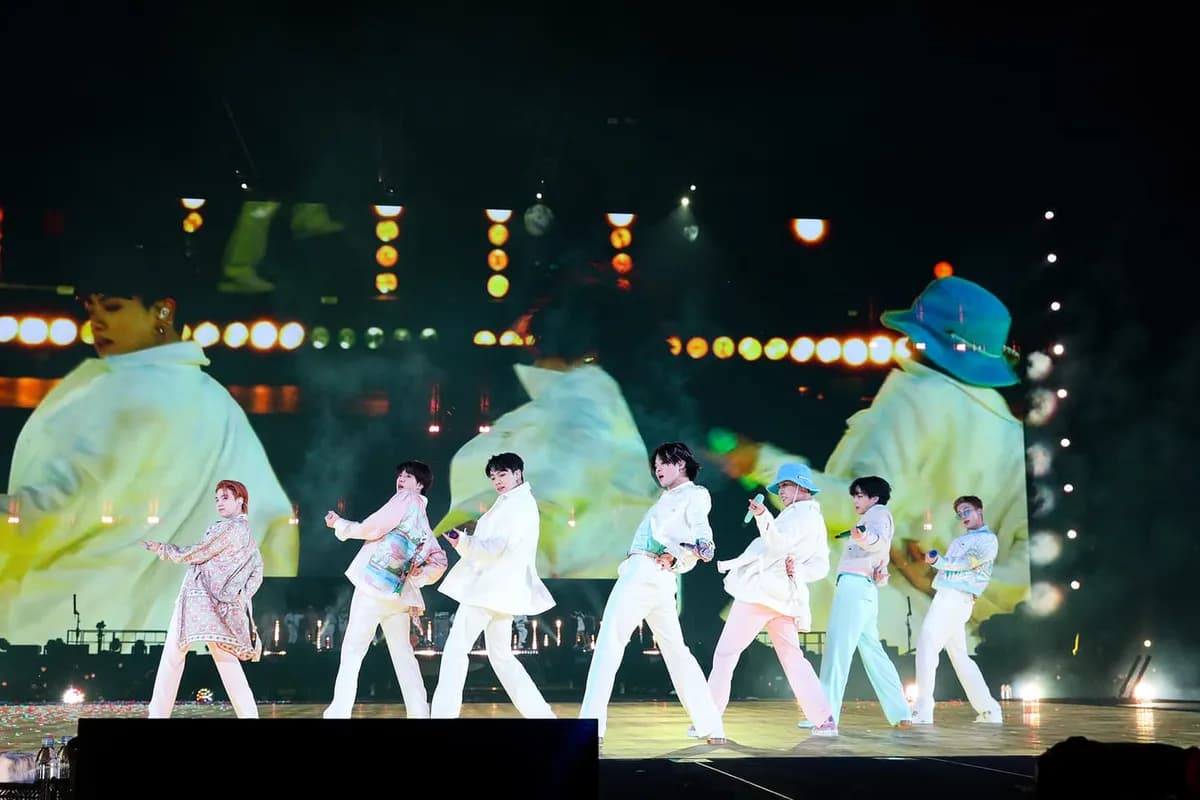
BTS Tops March Artist Brand Reputation Rankings with First Full Group Comeback in 4 Years
BTS ranked first in the Korean Corporate Reputation Research Institute's March Artist Brand Reputation Rankings based on 99 million data points.

Santo Domingo's Malecón Sports Park Construction Progressing Smoothly
Construction of a soccer field and skate park is progressing smoothly in the Malecón area of Santo Domingo, Dominican Republic.

Pogačar Overcomes Crash to Win Milano-Sanremo, Achieves Four Monument Victories
Tadej Pogačar defeated Tom Pidcock to win Milano-Sanremo, achieving his fourth Monument victory.