US Tariff Bombshell Threatens 30,000 South African Jobs
Trump Administration's 30% Tariffs Deal Inevitable Blow to Major Export Industries Including Automotive and Agriculture
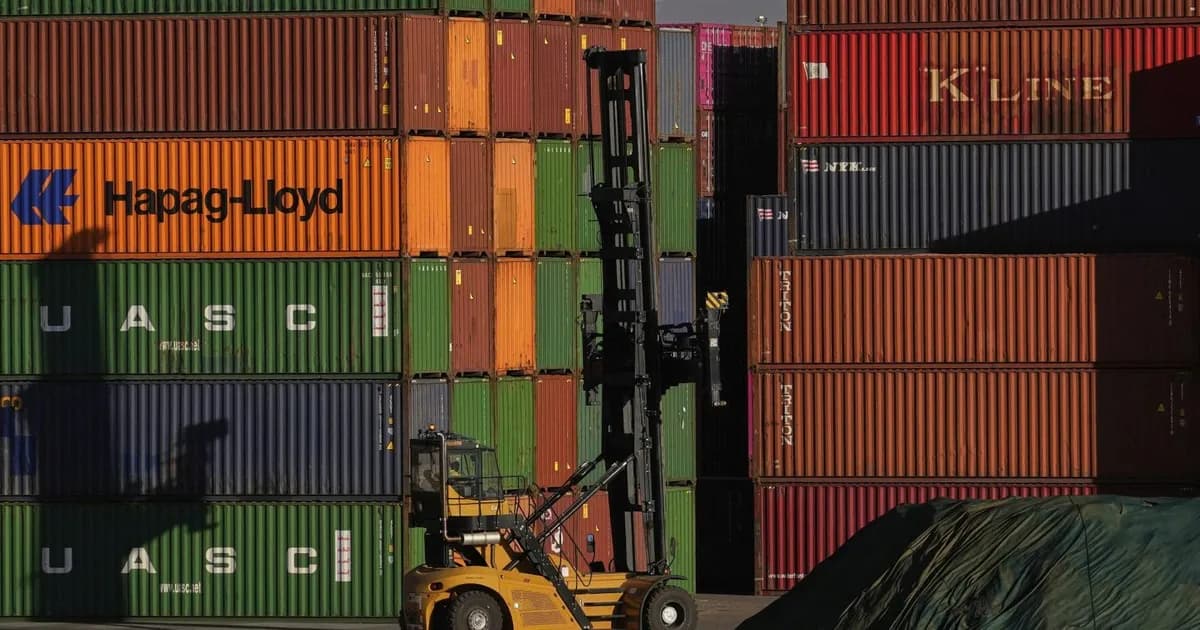
- •The United States' imposition of 30% tariffs on South African imports has put approximately 30,000 jobs at risk.
- •South Africa's unemployment rate stands at 32.9%, with youth unemployment at a severe 46.1%.
- •The government is pursuing export diversification through intra-African trade and development of Asian and Middle Eastern markets.
August 8 Implementation, Economic Emergency for South Africa
Approximately 30,000 jobs are at risk as the United States imposes a 30% tariff on most South African imports, the South African government announced on the 4th (local time). The tariffs will take effect on the 8th.
Simpiwee Hamilton, Director-General of South Africa's Department of Trade, Industry and Competition, warned that "based on consultations with all affected industries including automotive and agriculture, if we mismanage our response, 30,000 jobs will be at stake."
South Africa counts the United States as its third-largest trading partner after the European Union (EU) and China. While the US accounts for 7.5% of South Africa's total exports, these tariffs have cast uncertainty over the future of certain export industries.
Unemployment Rate 32.9%, Youth at 46.1%
South Africa is already grappling with high unemployment rates. According to Statistics South Africa (StatsSA), the official unemployment rate for Q1 2025 stood at 32.9%, while youth unemployment rose from 44.6% in Q4 2024 to 46.1% in Q1 2025.
President Cyril Ramaphosa emphasized in an online letter to the nation on the 4th that "tariffs could have a significant impact on the economy, export-dependent industries, and the workers employed there," adding that "we must adapt quickly."
He stressed that "protecting export industries is our top priority," noting that "we have been in discussions to strengthen mutually beneficial trade and investment relations with the United States, and all communication channels remain open."
Trump's Land Law Criticism and Ambassador Expulsion
President Donald Trump has strongly criticized new land legislation promoted by South Africa's Black-led government, claiming it discriminates against white people. In March, the Trump administration expelled South Africa's ambassador to the US, Ibrahim Rasool, labeling him "a race-baiting politician who hates Trump."
Foreign Minister Ronald Lamola refuted reports that "the absence of a US ambassador affected negotiation outcomes," stating that "countries with ambassadors and US allies also received high tariffs." He confirmed that the process to appoint Rasool's successor is in "an advanced stage."
South African ministers assessed these negotiations as "complex and unprecedented."
Exempted Items and Market Diversification Strategy
Fortunately, certain items representing 35% of US exports are exempt from tariffs. These include copper, pharmaceuticals, semiconductors, timber products, certain critical minerals, stainless steel scrap, and energy products.
The South African government is pursuing export market diversification, with particular focus on expanding intra-African trade. It is also reportedly strengthening trade with Asian and Middle Eastern countries.
Global Ripple Effects of US Tariff Policy
This measure is part of the Trump administration's "reciprocal tariffs" policy. South Africa received the highest tariff rate of 30%, a level that is elevated even compared to other countries.
Experts analyze that the strengthening of US protectionism is accelerating global supply chain restructuring. They note it is particularly serving as a catalyst for developing countries to turn their attention to alternative markets such as China.
Future Outlook [AI Analysis]
South Africa appears unlikely to avoid significant short-term economic damage. The automotive and agricultural sectors, with their high dependence on the US market, are likely to face immediate impacts.
In the medium to long term, the success of export market diversification strategies will be decisive. Utilizing the African Continental Free Trade Area (AfCFTA) and developing Asian and Middle Eastern markets will be key challenges.
Improving diplomatic relations with the United States is also an important variable. The possibility of tariff rate adjustments is expected to depend on whether negotiations resume after the appointment of a new US ambassador.
Experts predict that "as long as the Trump administration's protectionism continues, not only South Africa but other developing countries will face similar pressure."
댓글 (5)
댓글란이 과열되지 않았으면 합니다. 차분한 논의가 필요해요.
균형 잡힌 시각이 필요하다는 데 동의합니다.
팩트에 기반한 냉정한 판단이 필요한 시점입니다.
중요한 포인트를 짚으셨네요.
이 문제의 본질이 무엇인지 깊이 생각해볼 필요가 있습니다.
More in Economy
Middle East Conflict Drives Manufacturing Outlook to 10-Month Low

Lee Jae-myung Administration Excludes Multi-Home Officials from Real Estate Policymaking

Volkswagen CEO Says Germany Should Learn from China's Industrial Strategy

Russia Anticipates Economic Gains from US-Iran Conflict
U.S. Federal Reserve Unveils Bank Capital Regulation Modernization Plan
Federal Reserve Announces Enforcement Actions Against Two Former Bank Employees
Latest News
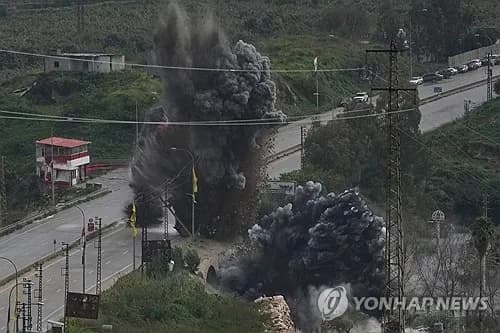
이스라엘, 헤즈볼라 무기 통로 레바논 다리 공습
이스라엘군, 헤즈볼라 무기 통로 레바논 다리 공습
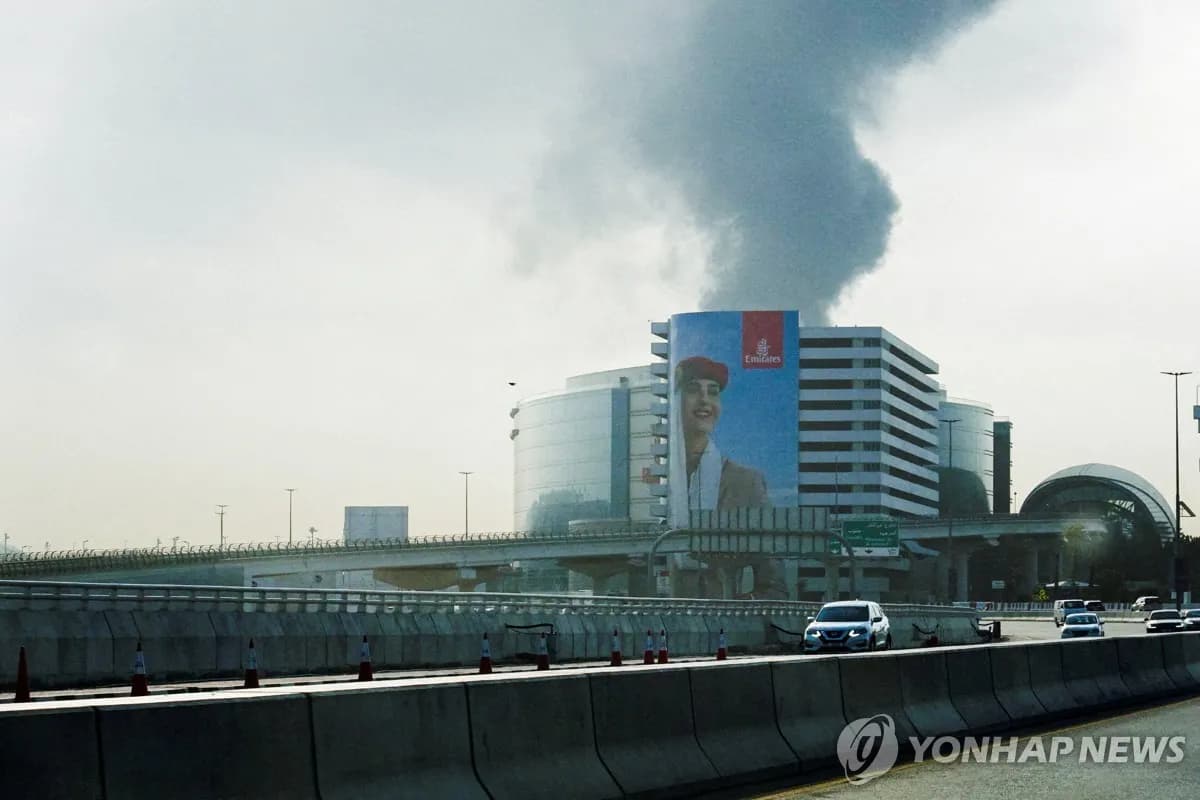
중동행 전세기 전쟁보험료 최고 7천500만원
중동행 전세기 전쟁보험료가 최고 5만달러(7천500만원)로 상승
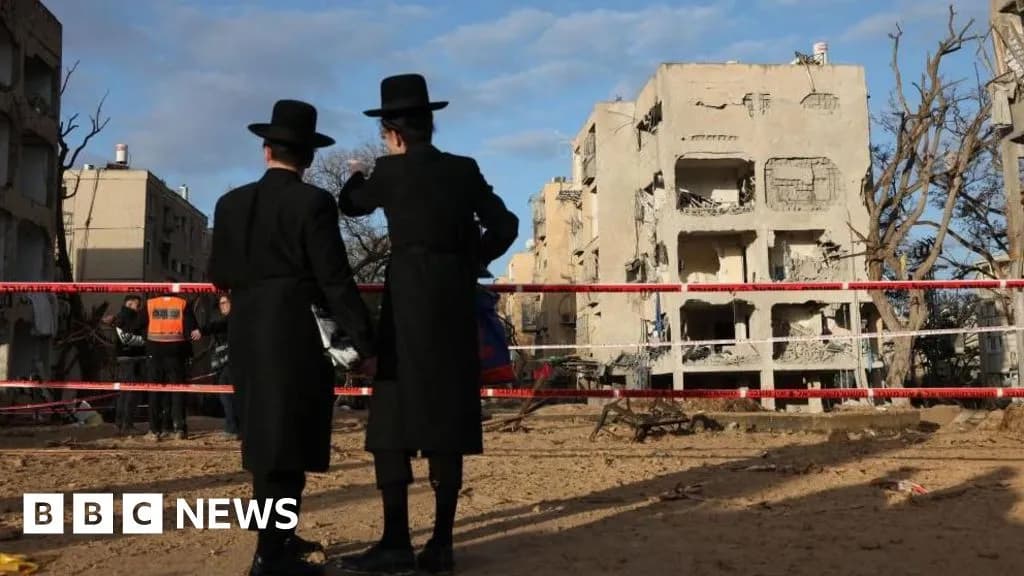
이란 탄도미사일, 이스라엘 방어망 뚫고 160명 부상
이란 탄도미사일이 이스라엘 방공망을 통과해 160명 부상

Southeast Asia Growth Forecasts Cut Amid Oil Price Surge, Threatening Korean Exports
Maybank Research has downgraded ASEAN-6's 2026 growth forecast from 4.8% to 4.5%.

Reddit Considers Face ID to Block Bots While Maintaining Anonymity
Reddit is considering implementing biometric authentication systems such as Face ID and Touch ID to block AI bots while maintaining anonymity.
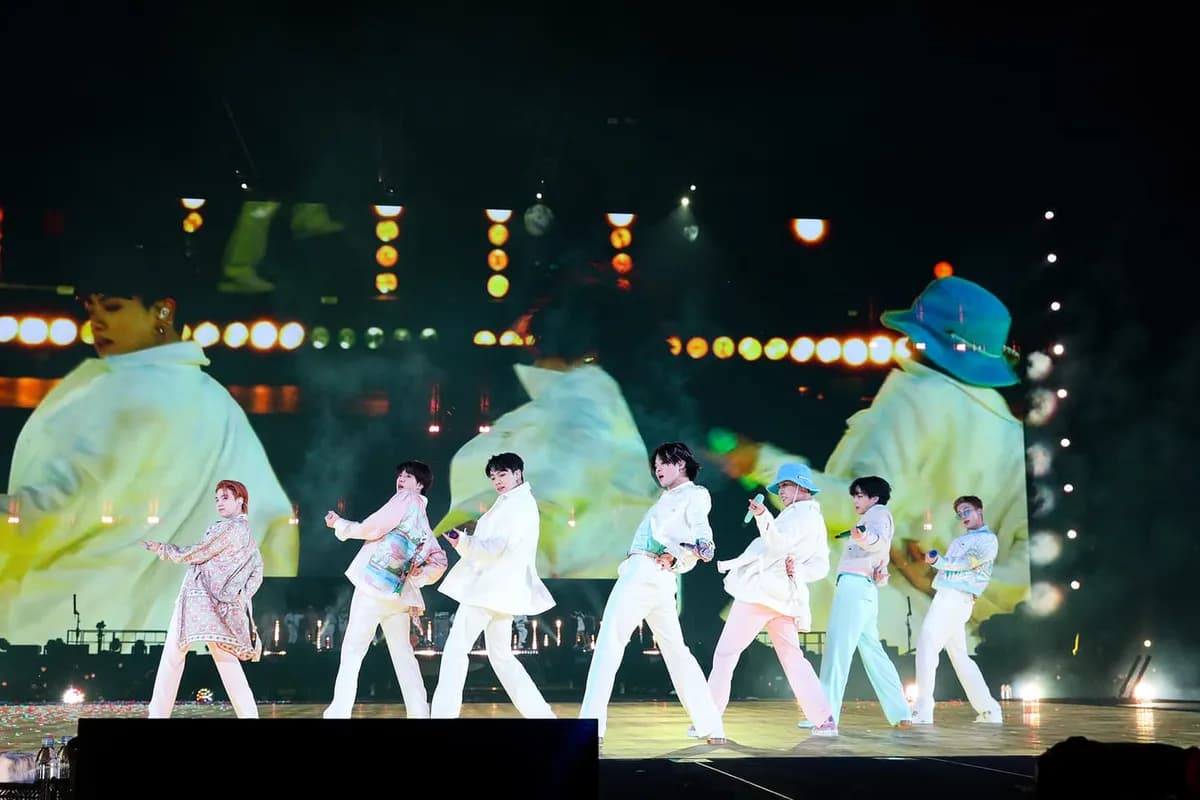
BTS Tops March Artist Brand Reputation Rankings with First Full Group Comeback in 4 Years
BTS ranked first in the Korean Corporate Reputation Research Institute's March Artist Brand Reputation Rankings based on 99 million data points.
Santo Domingo's Malecón Sports Park Construction Progressing Smoothly
Construction of a soccer field and skate park is progressing smoothly in the Malecón area of Santo Domingo, Dominican Republic.
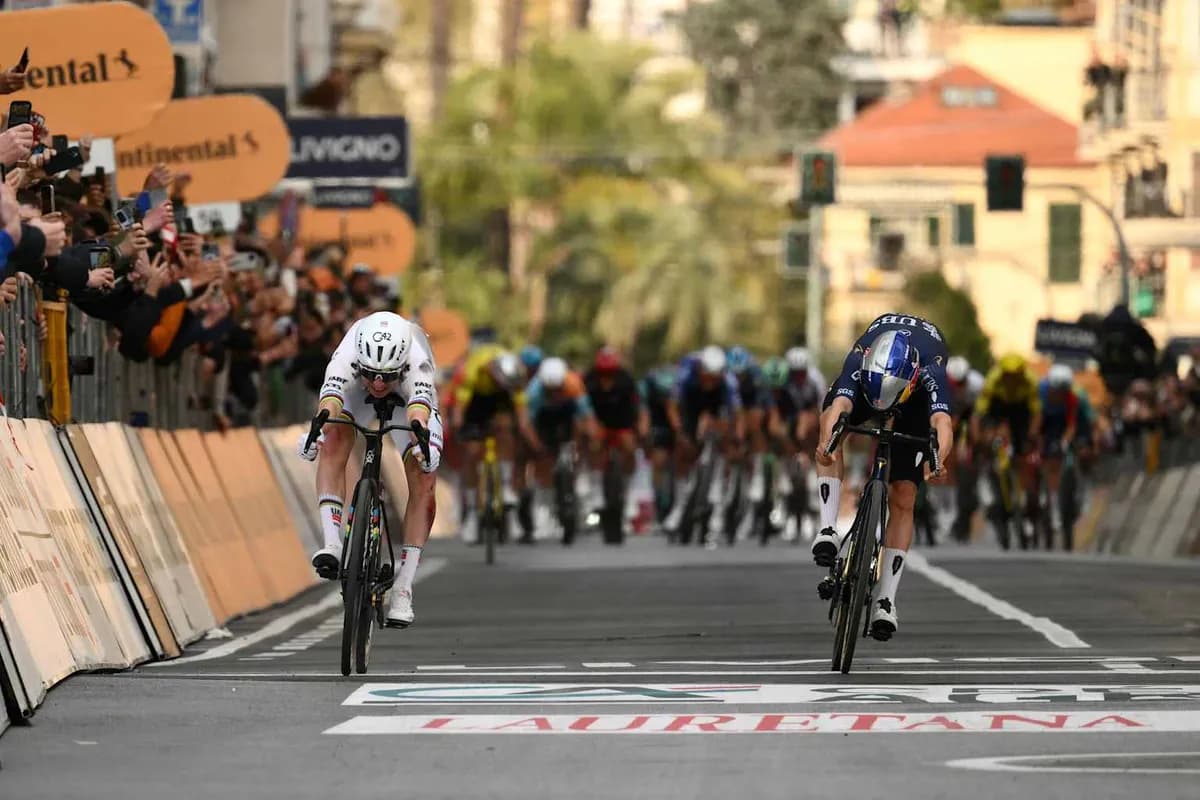
Pogačar Overcomes Crash to Win Milano-Sanremo, Achieves Four Monument Victories
Tadej Pogačar defeated Tom Pidcock to win Milano-Sanremo, achieving his fourth Monument victory.