Semiconductor Bill Adrift in National Assembly, Economic Legislative Vacuum Deepens Ahead of Local Elections
K-Chips Act and Service Industry Development Act stalled amid political standoff... Budget impasse could hit Q1 growth by 0.3%p
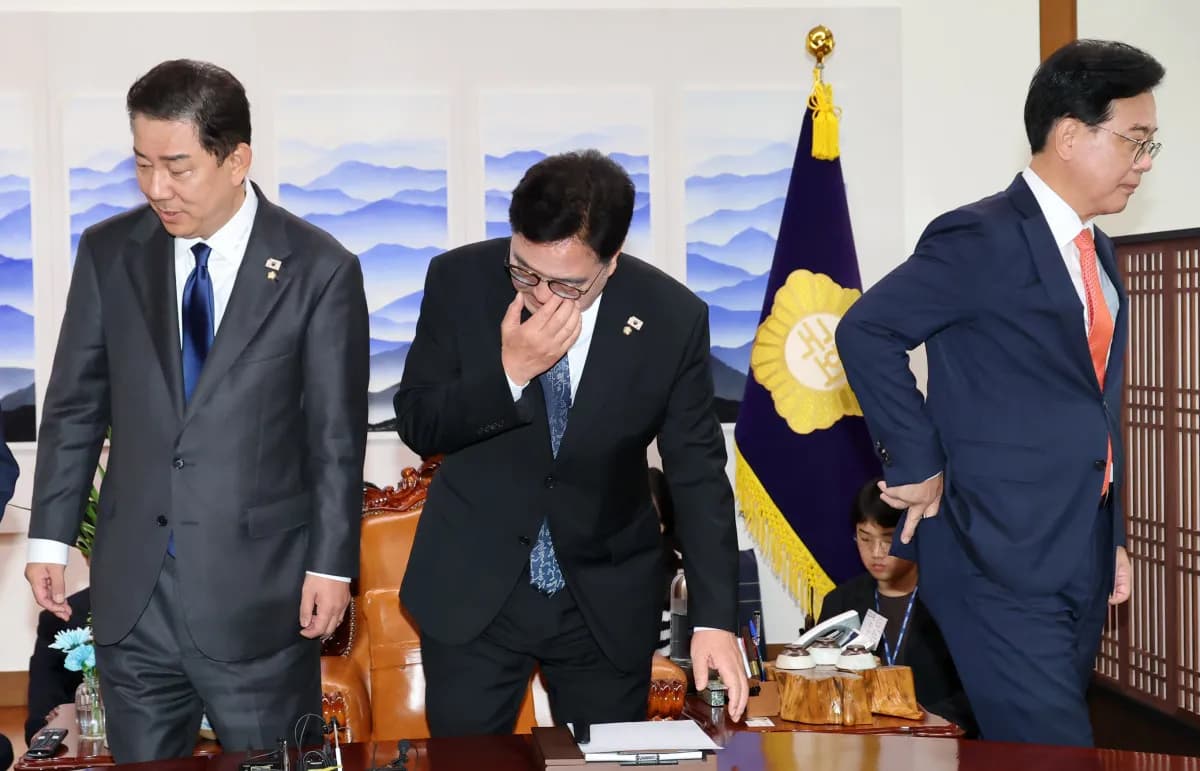
- •The K-Chips Act and Service Industry Development Act have been unable to pass the National Assembly for over a month amid ruling-opposition standoff.
- •A budget impasse could suspend new investment projects, potentially reducing Q1 2026 GDP growth by 0.2-0.3 percentage points.
- •With eight months until local elections, the Economic Policy Uncertainty Index is rising again, increasing the likelihood of volatile voter sentiment.
Economic Uncertainty Index Rising Again Amid Political Gridlock
With the 2026 local elections just eight months away, the economic legislative battle between the ruling and opposition parties is intensifying. The Consumer Sentiment Index (CCSI) for October 2025, announced by the Bank of Korea, stood at 109.8, exceeding the baseline (100) and recovering rapidly after the martial law and impeachment crisis. However, as the budget conflict between the ruling and opposition parties has prolonged since November, the perception of economic conditions is slowing down again.
The Economic Policy Uncertainty (EPU) Index also remains at elevated levels. While consumer sentiment, which had fallen to the high 80s during the political turmoil, temporarily recovered, the EPU index has rebounded recently as diplomatic and political conflicts have reignited. Market experts warn that "unless the ruling-opposition gridlock is resolved, economic uncertainty will not easily decrease."
K-Chips Act Unable to Pass National Assembly for Over a Month
The 'K-Chips Act (Special Act on Strengthening Semiconductor Industry Competitiveness)', considered the most significant economic legislation of this regular session, has been stalled for over a month since being submitted to the National Assembly's Committee on Trade, Industry and Energy. Despite being crucial legislation to protect Korea's semiconductor industry competitiveness amid high U.S. tariffs and China's semiconductor ambitions, the ruling and opposition parties remain sharply divided over the support method.
The government and the Democratic Party are pushing for measures that increase tax credit rates (large corporations from 15% to 25%, SMEs from 20% to 30%) and strengthen legal authority allowing the government to directly manage seven high-tech industries including semiconductors, batteries, and AI. The Ministry of Trade, Industry and Energy has proposed amendments through the 'Phase 2 Roadmap for National Advanced Strategic Industry Development,' including shortened industrial complex permit procedures, expanded workforce development funds, and supply chain linkages for materials and equipment SMEs.
In contrast, the People Power Party is taking a cautious stance, arguing that "government-led industrial policy can reduce market efficiency and lead to tax waste." The opposition party is demanding a private sector-led approach centered on expanding investment incentives and deregulation, calling for further increases in tax credit rates (large corporations from 25% to 30%, SMEs from 30% to 35%).
On the 13th, the ruling and opposition parties agreed to submit 54 non-contentious bills to the plenary session, but the Semiconductor Special Act was excluded once again. Industry stakeholders are concerned about disruptions to business schedules.
Service Industry Development Act Also Adrift for 10 Years
The 'Framework Act on Service Industry Development' also faces uncertain prospects for passage during the regular session. This bill, which aims to ease regulations on new service industries such as healthcare, education, and content and establish a competitive foundation, has failed to pass the standing committee for the past 10 years due to partisan conflicts.
The ruling party is re-proposing it as an economic revitalization package bill with amendments focused on expanding tourism and medical service exports and tax support for the content industry. However, the opposition party strongly opposes it, citing 'privatization concerns.' In particular, they argue that provisions for opening the medical service industry could lead to 'commercialization of healthcare.'
Experts emphasize that "the speed of industrial structural change is outpacing legislative speed" and that "politics should not become a bottleneck for discussions on industrial competitiveness."
Budget Impasse Could Hit Q1 Growth Rate by 0.3%p
Budget negotiations are also facing difficulties. The budget bill submitted by the ruling party, totaling 728.8 trillion won in expenditures, centers on defending the economy through expansionary fiscal policy. The deficit is expected to be around 3% of GDP, with national debt projected to exceed 1,260 trillion won.
If budget processing fails due to legislative gridlock, the system will transition to a provisional budget regime as stipulated by the Constitution. In this case, all new investment projects would be suspended, government bond issuance would be delayed, and public projects would halt. Experts warn that such a situation could reduce Q1 2026 GDP growth by 0.2-0.3 percentage points.
Economic Public Sentiment Likely to Fluctuate Ahead of Local Elections [AI Analysis]
With eight months remaining until the June 2026 local elections, delays in processing economic legislation and the budget are likely to be burdensome for both the ruling and opposition parties. As the Consumer Sentiment Index and Economic Policy Uncertainty Index respond sensitively to political developments, voters' economic perceptions are expected to directly impact election results.
While expansionary fiscal policy is advantageous for short-term stimulus, it increases debt burden; austerity measures improve fiscal soundness but can slow economic recovery. Although a bipartisan compromise is emerging as a realistic solution, concerns are growing that if political confrontation continues, both fiscal and industrial sectors will face an 'winter of uncertainty.'
With the global competitive environment rapidly changing for both the semiconductor and service industries, whether the political establishment can swiftly process legislation to strengthen industrial competitiveness is expected to be an important variable for Korea's economy going forward.
댓글 (3)
Bill에 대해 더 알고 싶어졌습니다. 후속 기사 부탁드립니다.
기사 잘 봤습니다. 다른 시각의 분석도 읽어보고 싶네요.
in 관련 기사 잘 읽었습니다. 유익한 정보네요.
More in Economy
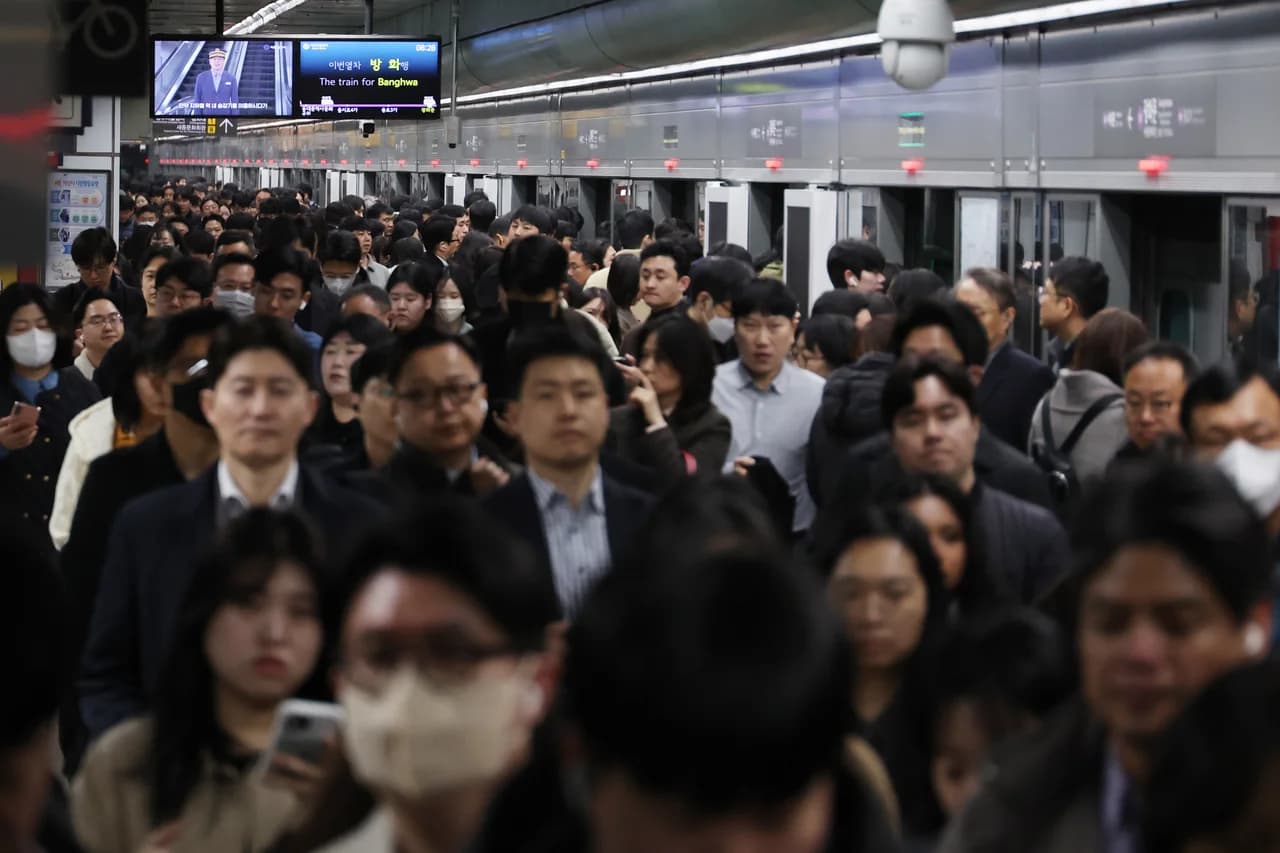
Middle East Conflict Drives Manufacturing Outlook to 10-Month Low

Lee Jae-myung Administration Excludes Multi-Home Officials from Real Estate Policymaking

Volkswagen CEO Says Germany Should Learn from China's Industrial Strategy

Russia Anticipates Economic Gains from US-Iran Conflict
U.S. Federal Reserve Unveils Bank Capital Regulation Modernization Plan
Federal Reserve Announces Enforcement Actions Against Two Former Bank Employees
Latest News

이스라엘, 헤즈볼라 무기 통로 레바논 다리 공습
이스라엘군, 헤즈볼라 무기 통로 레바논 다리 공습
중동행 전세기 전쟁보험료 최고 7천500만원
중동행 전세기 전쟁보험료가 최고 5만달러(7천500만원)로 상승

이란 탄도미사일, 이스라엘 방어망 뚫고 160명 부상
이란 탄도미사일이 이스라엘 방공망을 통과해 160명 부상

Southeast Asia Growth Forecasts Cut Amid Oil Price Surge, Threatening Korean Exports
Maybank Research has downgraded ASEAN-6's 2026 growth forecast from 4.8% to 4.5%.

Reddit Considers Face ID to Block Bots While Maintaining Anonymity
Reddit is considering implementing biometric authentication systems such as Face ID and Touch ID to block AI bots while maintaining anonymity.

BTS Tops March Artist Brand Reputation Rankings with First Full Group Comeback in 4 Years
BTS ranked first in the Korean Corporate Reputation Research Institute's March Artist Brand Reputation Rankings based on 99 million data points.

Santo Domingo's Malecón Sports Park Construction Progressing Smoothly
Construction of a soccer field and skate park is progressing smoothly in the Malecón area of Santo Domingo, Dominican Republic.

Pogačar Overcomes Crash to Win Milano-Sanremo, Achieves Four Monument Victories
Tadej Pogačar defeated Tom Pidcock to win Milano-Sanremo, achieving his fourth Monument victory.