Belarus Alexandria Festival Highlights Cultural Heritage Restoration Projects
Presidential Cultural Award Winners Showcase Diverse Accessibility Projects from Archaeology to Braille Books
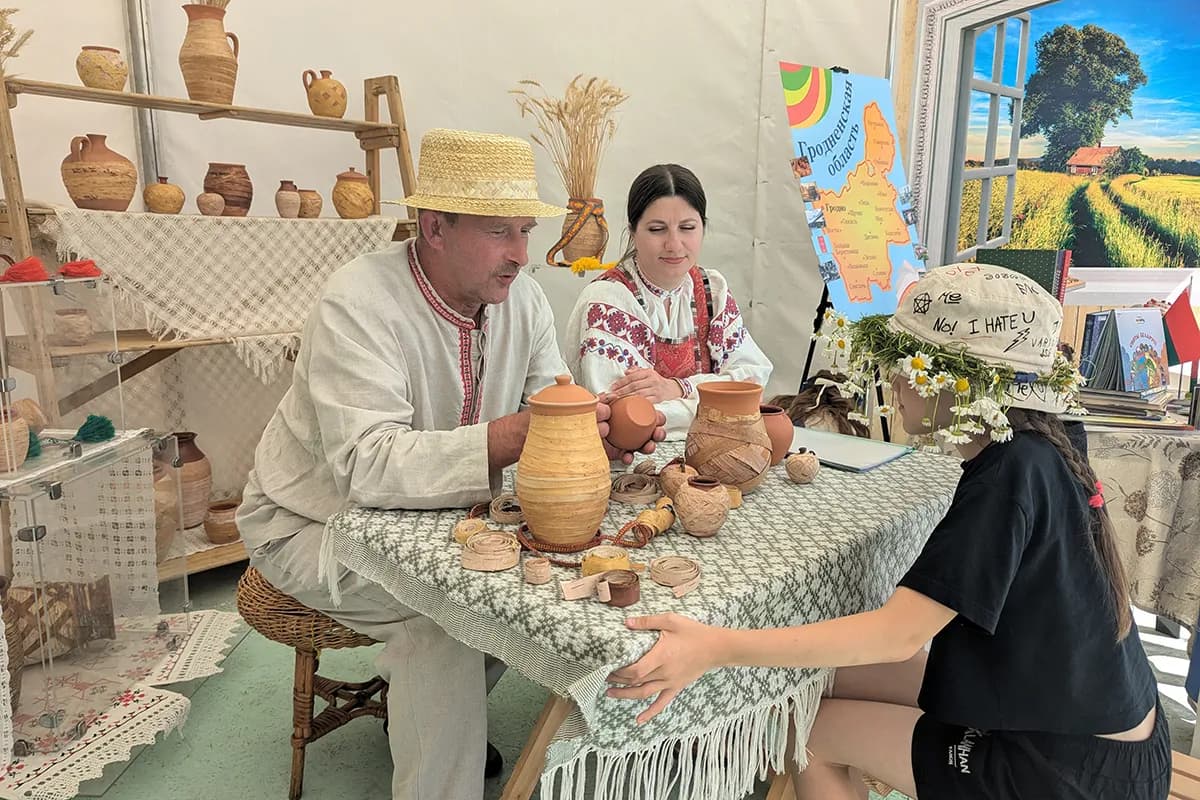
- •The Belarus Alexandria Festival showcased 2024 Presidential Cultural Award-winning projects, presenting new approaches to cultural heritage preservation.
- •Inclusive cultural initiatives were introduced, including tactile architectural models for people with disabilities, artistic reinterpretations of archaeological artifacts, and traditional culture programs for children with developmental disabilities.
- •Multiple institutions receiving presidential grants are focusing on making cultural heritage accessible to all generations and social classes.
New Approaches to Cultural Heritage Preservation
The 'Alexandria Brings Friends Together' festival in Alexandria, Belarus, attracted significant attention with its exhibition of 2024 Presidential Cultural Award-winning projects. The exhibition, themed 'For Spiritual Revival (За духовное возрождение)', showcased various projects aimed at preserving Belarusian cultural heritage and improving public accessibility.
Festival visitors experienced more than just exhibitions, participating in various hands-on cultural programs. The event offered opportunities to experience cultural heritage in diverse ways, from inclusive programs allowing people with disabilities to experience historic architecture through Braille and touch to archaeological artifact displays.
Featured Exhibition Projects
The National Historical Museum drew visitors with its exhibition commemorating the '85th Anniversary of Belarusian National Reunification and 80th Anniversary of Liberation from Nazi Occupation.' The exhibition illuminated two significant events in Belarus's modern history while providing reflection on national identity.
The 'Touching Hall (Трогательный зал)' project presented by the Mogilev Municipal Library System was particularly noteworthy. This project created scale models of architectural monuments of regional and national significance, enabling visually impaired individuals to experience cultural heritage through touch.
The Gomel Palace and Park Complex reinterpreted archaeological artifacts through artistic photography in its 'Heritage Territory' project. Curator Dmitry Lindenkov explained, "Archaeology is a complex discipline, but through high-quality photography and reconstruction work, we've made it accessible even to children." The exhibition centered on artifacts discovered in the Gomel Dnieper River basin.
Expansion of Inclusive Cultural Programs
The 'Library·Inclusion·Culture' project by Grodno State Scientific Library, funded by a presidential grant, operated programs introducing Belarusian traditional culture and arts to children with developmental disabilities and their families.
Librarian Irina Mazol emphasized, "Thanks to the presidential grant, we were able to create an inclusive space. Ensuring people with developmental characteristics have barrier-free access to culture is a very important direction, and the state is actively supporting this."
Folk craftsman Sergei Limdenok from the Vitebsk Regional Folk Art Center demonstrated the traditional technique of weaving ceramics with birch bark. This technique has been passed down in the Vitebsk Poozerie region, with artifacts discovered in the Miorsky, Sharkovshchinsky, Gluboksky, and Postavsky districts.
Limdenok, with 30 years of pottery experience, noted, "The technique is more difficult than it looks. I went through many trials and errors before creating a perfect piece. Festivals like this provide a unique opportunity to showcase cultural achievements." He offers hands-on workshops to visitors, passing on forgotten traditional techniques.
National-Level Cultural Heritage Preservation Efforts
Several institutions participating in the exhibition unanimously agreed that presidential grants played a decisive role in realizing their projects. Lindenkov from the Gomel Palace and Park Complex assessed, "It's very important that the state pays such great attention to preserving historical and cultural heritage."
Mazol from the Grodno Library emphasized the significance of project participation, stating, "Being invited to the 'Alexandria Brings Friends Together' festival is a great honor."
The Future of Cultural Accessibility [AI Analysis]
This exhibition demonstrates that cultural heritage preservation must extend beyond simple conservation to public accessibility and education. Particularly, inclusive programs for people with disabilities and experiential education for children reflect the modern perspective that cultural heritage should be open to all generations and social classes.
Belarus's government cultural support policy is evolving to encourage not only physical restoration but also diverse reinterpretations of cultural content. It's noteworthy that creative approaches—such as transforming archaeological artifacts into art photography or creating tactile models of architecture—are receiving state support.
Such inclusive cultural programs are likely to expand further, with new forms of cultural heritage experiences expected, including virtual experiences using digital technology and augmented reality (AR) content. Balancing traditional technique transmission with modern interpretation will be a key challenge moving forward.
댓글 (3)
간결하면서도 핵심을 잘 정리한 기사네요.
Alexandria 관련 기사 잘 읽었습니다. 유익한 정보네요.
그 부분은 저도 궁금했습니다.
More in Culture & Art
Government Provides 1 Billion Won in Emergency Disaster Funds for Daejeon Factory Fire Recovery

Existence Blooming Through Vulnerability: Massimo Lagrotteria Solo Exhibition
Milan Design Week 2026: Hotels Transform into Laboratories of Dreams
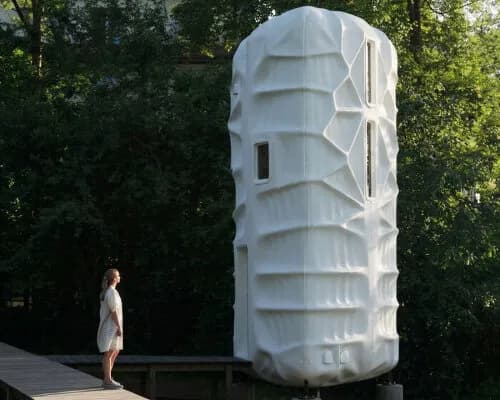
The Future of Living on the Moon, Mars, and Deep Sea: Houses Designed by Architects

15,000-Year-Old Clay Beads Made by Children Rewrite Prehistoric Art History

Reuters Reports Banksy's Identity Revealed, Reigniting Anonymity Debate
Latest News

이스라엘, 헤즈볼라 무기 통로 레바논 다리 공습
이스라엘군, 헤즈볼라 무기 통로 레바논 다리 공습
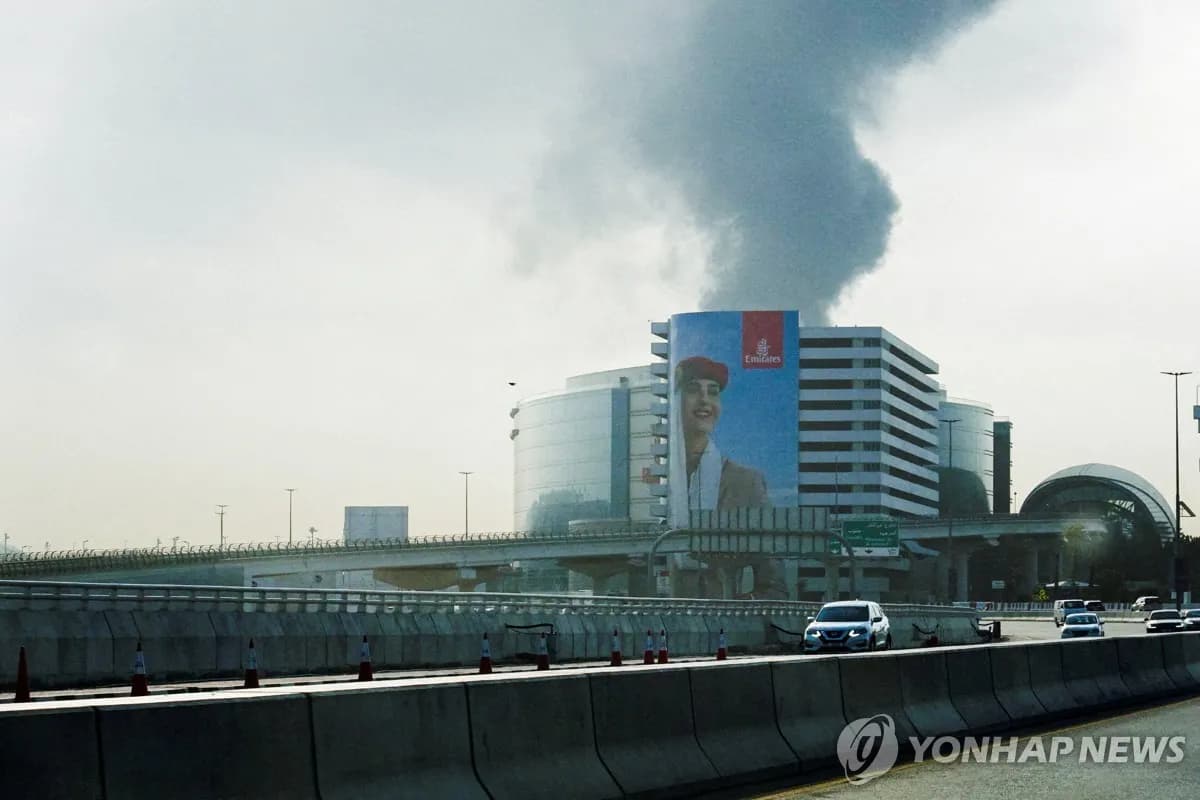
중동행 전세기 전쟁보험료 최고 7천500만원
중동행 전세기 전쟁보험료가 최고 5만달러(7천500만원)로 상승
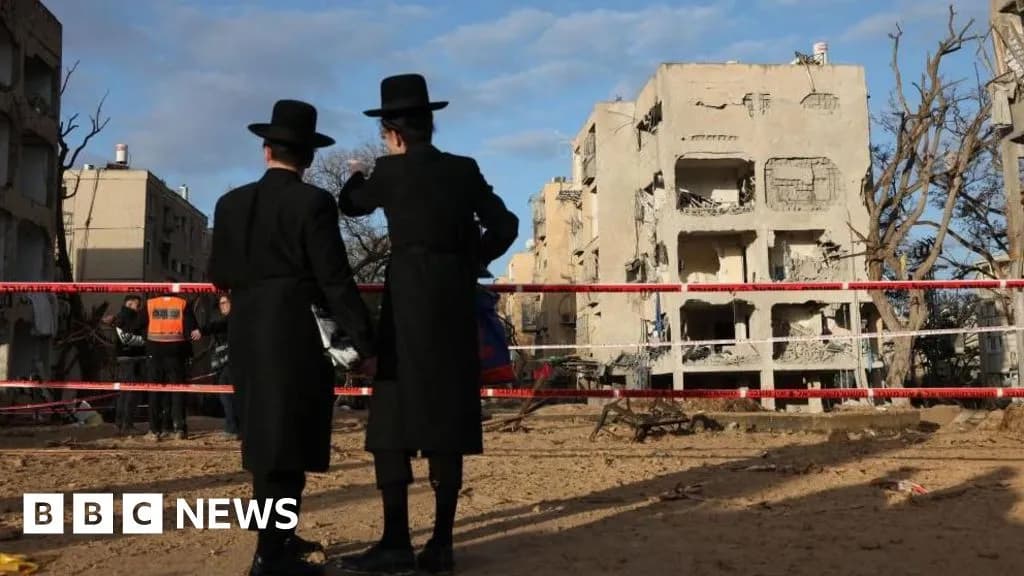
이란 탄도미사일, 이스라엘 방어망 뚫고 160명 부상
이란 탄도미사일이 이스라엘 방공망을 통과해 160명 부상
Middle East Conflict Drives Manufacturing Outlook to 10-Month Low
The Korea Institute for Industrial Economics & Trade survey shows April manufacturing outlook PSI plummeted to 88, falling below baseline for the first time in 10 months.

Lee Jae-myung Administration Excludes Multi-Home Officials from Real Estate Policymaking
President Lee Jae-myung has ordered the exclusion of multi-home owning public officials from all real estate policy processes.
Southeast Asia Growth Forecasts Cut Amid Oil Price Surge, Threatening Korean Exports
Maybank Research has downgraded ASEAN-6's 2026 growth forecast from 4.8% to 4.5%.

Volkswagen CEO Says Germany Should Learn from China's Industrial Strategy
Volkswagen CEO stated that Germany should learn from China's systematic industrial planning approach.

Reddit Considers Face ID to Block Bots While Maintaining Anonymity
Reddit is considering implementing biometric authentication systems such as Face ID and Touch ID to block AI bots while maintaining anonymity.