Busan Excluded from Second Home Tax Benefits Despite Population Decline
Government cites concerns over metropolitan housing price surge, deepening regional real estate slump
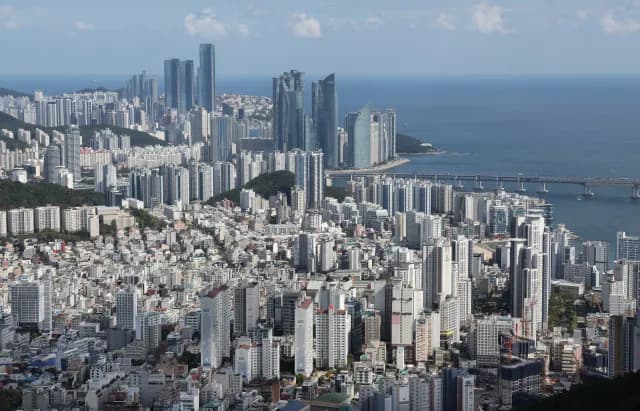
- •The government expanded second home tax benefits to population decline concern regions, but excluded metropolitan cities like Busan citing housing price surge concerns.
- •As of the end of June, 83% of the nation's approximately 26,000 unsold housing units after completion are concentrated in regional areas, with Busan recording about 2,600 units.
- •Current multi-homeowner regulations favor Seoul single-homeowners, intensifying regional real estate market stagnation.
Metropolitan Cities Excluded from Second Home Benefits
The government has expanded the regions eligible for 'second home' tax incentives to revitalize local real estate markets, but Busan was excluded solely because it is a metropolitan city. On March 14, the Ministry of Economy and Finance announced the 'Regional Construction Investment Enhancement Plan,' expanding second home eligibility from 'population decline regions' to include 'population decline concern regions.'
This measure newly grants second home benefits to nine areas including Gangneung, Donghae, Sokcho, and Inje in Gangwon Province; Iksan in North Jeolla Province; Gyeongju and Gimcheon in North Gyeongsang Province; and Sacheon and Tongyeong in South Gyeongsang Province. The second home system, introduced last year, provides property tax, comprehensive real estate tax, and capital gains tax exemptions equivalent to single-homeowner benefits when purchasing additional properties in regional areas.
However, despite Busan's Dong-gu, Seo-gu, and Yeongdo-gu being designated as population decline regions, and Geumjeong-gu and Jung-gu as population decline concern regions, the city was excluded from benefits due to its metropolitan status. The Ministry of Economy and Finance explained, "There are concerns that extending second home benefits to population decline concern regions in metropolitan cities could lead to housing price increases."
Crisis in Regional Real Estate Markets
The government expanded the official price cap for single-home tax benefits (capital gains tax, comprehensive real estate tax, property tax) in non-metropolitan population decline regions from 400 million won to 900 million won, and raised the acquisition price threshold for acquisition tax benefits from 300 million won to 1.2 billion won. However, regional metropolitan cities were also excluded from these measures.
The real estate polarization between the capital region and non-capital regions continues to intensify. As of the end of June, out of approximately 26,000 unsold housing units nationwide after completion, 83%, or about 22,000 units, are concentrated in regional areas. Busan alone has approximately 2,600 unsold housing units after completion.
The current tax system favors single-homeowners in Seoul over multi-homeowners in regional areas. Even assuming identical housing price appreciation rates, regional multi-homeowners must pay tens of millions of won more in capital gains tax. Multi-homeowner regulations introduced during past price surge periods have ultimately resulted in supporting only 'prime single properties' in Seoul while causing stagnation across all regional areas.
Structural Stagnation in Busan's Real Estate Market
Busan faces structural challenges of population outflow and weakening industrial foundation. As demand contraction becomes prolonged, real estate price declines and increases in unsold apartments continue.
While the capital region's presale market shows boom conditions, the construction industry slump in non-capital regions has reached severe levels. Progressive government measures are needed to reverse the accumulated years of regional real estate market stagnation.
Future Outlook [AI Analysis]
Extending second home benefits to Busan could likely bring an influx of living population and economic revitalization. Bold prescriptions are needed, such as reconsidering the metropolitan city exclusion clause, to ease the concentration of housing in Seoul and the capital region and revive regional real estate markets facing collapse.
However, if the government maintains its exclusion policy citing concerns over metropolitan housing price increases, the real estate stagnation in Busan and other regional metropolitan cities is expected to become even more prolonged. Urgent action is needed to resolve the contradiction between policy objectives of regional economic revitalization and population decline response, and the metropolitan city exclusion measure.
댓글 (4)
Busan에 대해 더 알고 싶어졌습니다. 후속 기사 부탁드립니다.
좋은 의견이십니다.
기사 잘 봤습니다. 다른 시각의 분석도 읽어보고 싶네요.
그 부분은 저도 궁금했습니다.
More in Economy
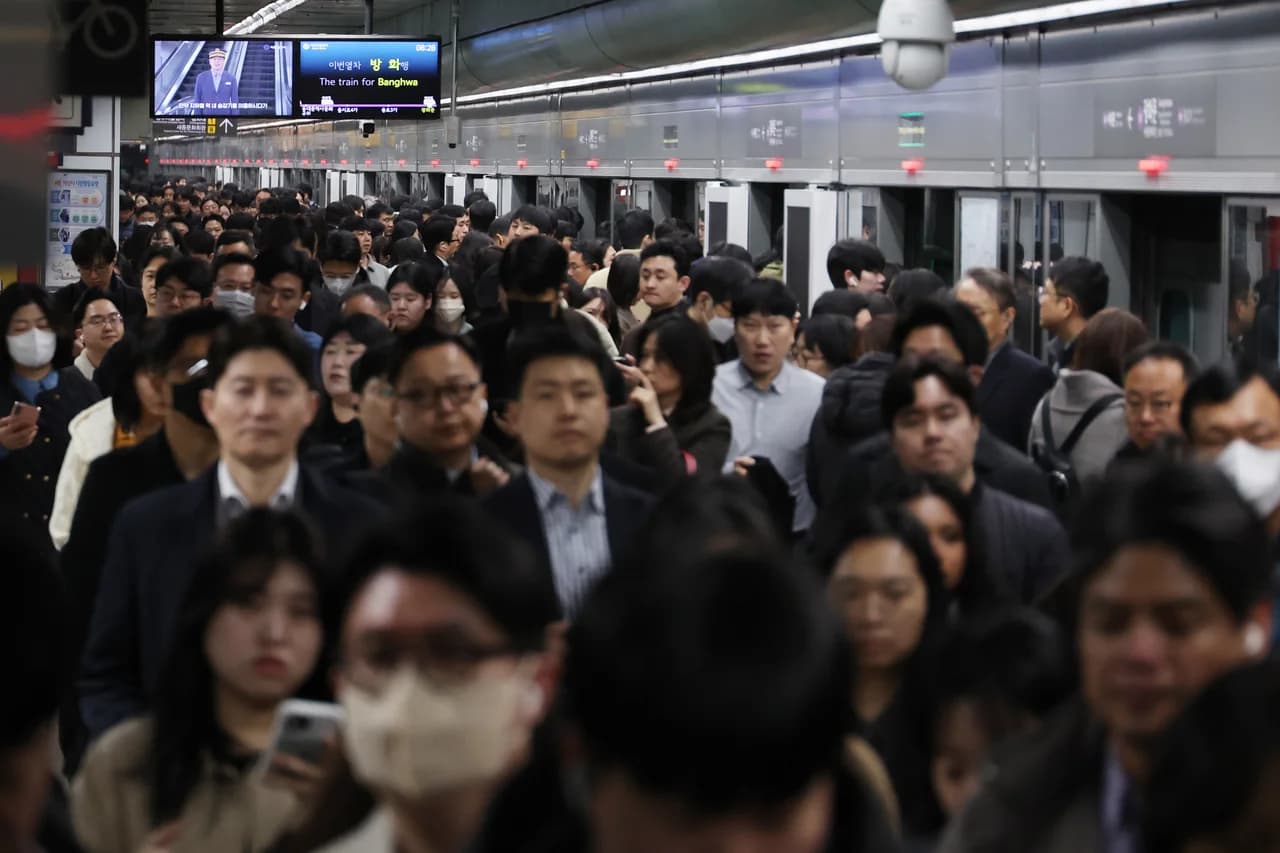
Middle East Conflict Drives Manufacturing Outlook to 10-Month Low

Lee Jae-myung Administration Excludes Multi-Home Officials from Real Estate Policymaking

Volkswagen CEO Says Germany Should Learn from China's Industrial Strategy

Russia Anticipates Economic Gains from US-Iran Conflict

U.S. Federal Reserve Unveils Bank Capital Regulation Modernization Plan

Federal Reserve Announces Enforcement Actions Against Two Former Bank Employees
Latest News

이스라엘, 헤즈볼라 무기 통로 레바논 다리 공습
이스라엘군, 헤즈볼라 무기 통로 레바논 다리 공습
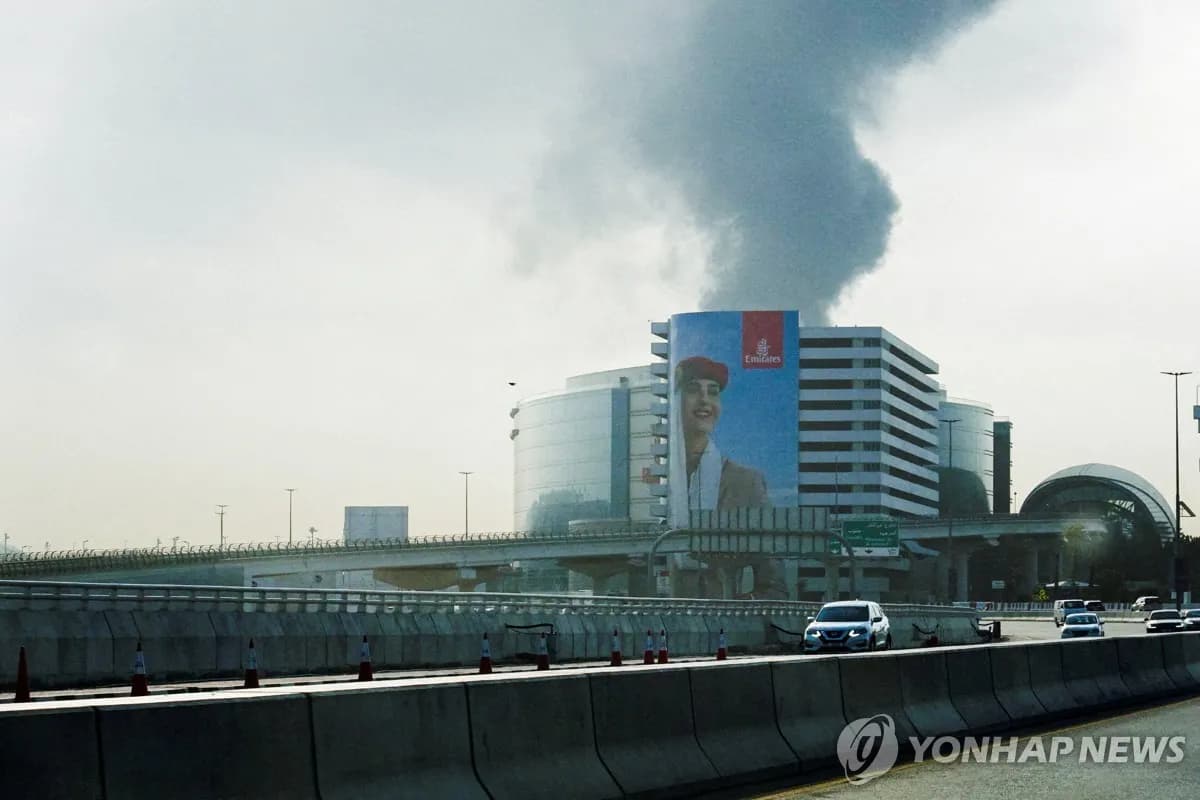
중동행 전세기 전쟁보험료 최고 7천500만원
중동행 전세기 전쟁보험료가 최고 5만달러(7천500만원)로 상승
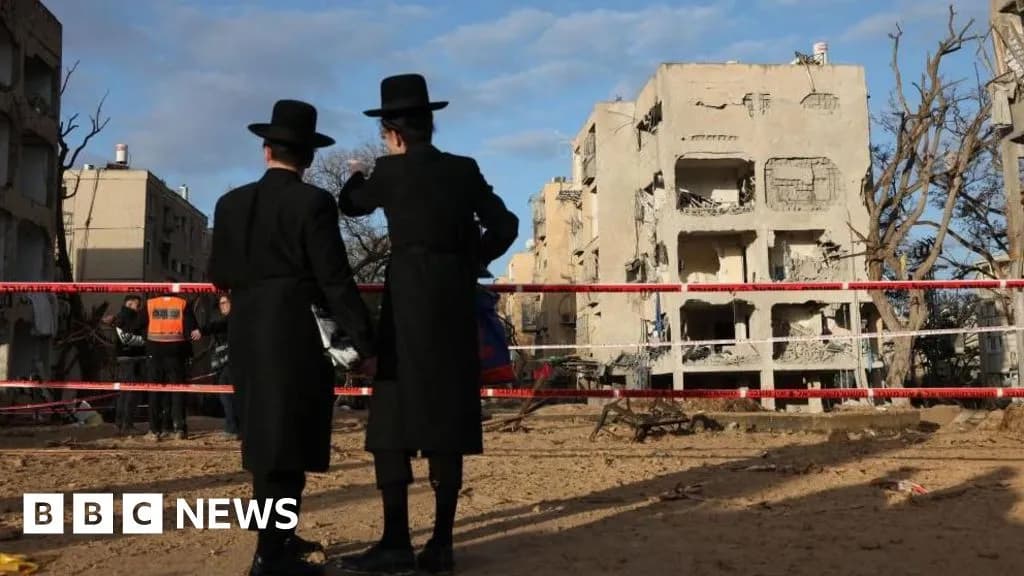
이란 탄도미사일, 이스라엘 방어망 뚫고 160명 부상
이란 탄도미사일이 이스라엘 방공망을 통과해 160명 부상

Southeast Asia Growth Forecasts Cut Amid Oil Price Surge, Threatening Korean Exports
Maybank Research has downgraded ASEAN-6's 2026 growth forecast from 4.8% to 4.5%.

Reddit Considers Face ID to Block Bots While Maintaining Anonymity
Reddit is considering implementing biometric authentication systems such as Face ID and Touch ID to block AI bots while maintaining anonymity.

BTS Tops March Artist Brand Reputation Rankings with First Full Group Comeback in 4 Years
BTS ranked first in the Korean Corporate Reputation Research Institute's March Artist Brand Reputation Rankings based on 99 million data points.

Santo Domingo's Malecón Sports Park Construction Progressing Smoothly
Construction of a soccer field and skate park is progressing smoothly in the Malecón area of Santo Domingo, Dominican Republic.

Pogačar Overcomes Crash to Win Milano-Sanremo, Achieves Four Monument Victories
Tadej Pogačar defeated Tom Pidcock to win Milano-Sanremo, achieving his fourth Monument victory.