Chicago's Summer of Change: 10 Exhibitions Reimagining Hope
From Huguette Caland's Body Abstractions to the History of Queer Art Movements: Chicago's Art Scene Delivers Messages of Hope

- •Chicago's summer exhibitions illuminate the city's roots and voices of marginalized communities, presenting possibilities for change.
- •Diverse themes from 1960s-70s resistance art to queer identity history and immigrant outsider art are on display.
- •Amid political tensions and economic pressures, art functions as a space for community reaffirmation and hope.
A Hot Summer, Finding Solace Through Art
As meteorologists warn that Chicago will face a hotter-than-average summer, the city finds itself under compound pressures—not just climatic heat, but political tensions, public transit budget cuts, and soaring costs of living. Yet even in this moment, Chicago residents are reflecting on what makes their city special and imagining a better future.
And at the center of it all is art. Exhibitions across Chicago are examining the city's roots, giving voice to marginalized communities, and proposing possibilities for change. From immigrant communities' outsider art to 1960s-70s resistance art and the historical journey of queer identity, Chicago's summer exhibitions offer more than viewing experiences—they provide encounters with belonging and solidarity.
Designing for Change: 1960s-70s Chicago Resistance Art
Location: Chicago History Museum Duration: Through November 2
"Study and Struggle for Black Liberation"—Above an Afro pick decorated in Pan-African flag colors, badges worn by activists 40 years ago still proclaim vivid slogans. Hand-made linocut posters and black-and-white photographs from protest scenes sit behind museum glass, yet the passion and anger they contain transcend time to reach viewers.
This exhibition doesn't merely document the past. Through original protest materials, it allows direct encounters with the lived reality and dreams of movement organizers. Art provides an immediate, visceral method of tracking social movement history. These handcrafted, actually-used artifacts narrow the distance between viewers and protesters, remaining charged with the same emotions even 40 years later.
Raqib Shaw: Paradise Lost
Location: The Art Institute of Chicago Duration: Through January 19, 2026
A 30-meter-wide epic unfolds. Raqib Shaw's masterwork "Paradise Lost" (2009-2025) resonates magically through its materiality alone. Completed through an impossibly meticulous technique of drawing with intricate acrylic lines then injecting enamel paint, the work reinterprets biblical material through the artist's autobiographical experience.
The work journeys from the artist's life in Kashmir through his London art world experience, concluding with a tragic yet liberating rebirth. Before the overwhelming 100-foot-wide composition, viewers may initially feel dwarfed, but through careful observation discover a space for contemplating shared histories and distant sanctuaries.
The First Homosexuals: 1869-1939, The Birth of New Identity
Location: Wrightwood 659 Duration: Through August 2
Simply obtaining tickets feels fortunate. This monumental exhibition serves as both history lecture and resonant affirmation of queerness. It traces 70 years of queer identity formation, from the first coining of the term "homosexual" in 1869 through 1939.
The exhibition goes beyond merely showing the past—it reaffirms the legitimacy of existence in the face of challenges currently confronting the queer community. Chicago has historically been a center of queer art and activism, and this exhibition reexamines that legacy in contemporary context.
Huguette Caland: Body Abstractions
Lebanese-born painter Huguette Caland's work represents bodies in bold, fluid forms. Her paintings including "Eux" from the 1970s liberate the female body from traditional representational frameworks, employing a sensual yet abstract formal language.
Caland's work goes beyond simply depicting bodies to address questions of identity, desire, and freedom. Her daring colors and curves offer viewers new perspectives on the body while revealing her unique position as a Middle Eastern woman artist.
Voices of Immigrants and Outsiders
Intuit Art Museum spotlights outsider art created by Chicago's vibrant immigrant communities. Works by artists operating outside the mainstream art world contain pure creative impulses and personal visions, often revealing the original worldviews of those without traditional art education.
Logan Center presents an exhibition preserving family memories from the South Side. This exhibition, where personal narratives intersect with local community history, reminds us that Chicago is not a single identity but an assemblage of countless stories.
Exploring the African Diaspora
Mariane Ibrahim Gallery explores African diaspora traditions through an exhibition illuminating the multilayered identity of African American culture deeply rooted in Chicago. The exhibition demonstrates how cultural traditions that crossed the Atlantic are reinterpreted into contemporary art language.
Museum of Contemporary Art's Queer Narratives
Museum of Contemporary Art Chicago also presents exhibitions themed on affirmation of queer existence. Unlike Wrightwood 659's historical approach, this venue addresses ongoing identity politics and cultural resistance through works by contemporary queer artists.
The Meaning of Summer Exhibitions [AI Analysis]
Chicago's summer exhibition season may seem coincidental, but it precisely provides what the city needs. Amid compound stresses of political division, economic pressure, and climate crisis, art creates space for reaffirming community and imagining change.
The reexamination of resistance art is not mere nostalgia. Protest materials from the 1960s-70s inspire today's activists and demonstrate that social change can begin with individuals' small actions. For younger generations especially, this likely confirms the historical legitimacy of direct action.
The historicization of queer identity functions as a cultural defense line against current movements rolling back rights. Over 150 years of proof of queer existence demonstrates this is not temporary fashion but an essential part of human experience.
Amplifying voices of immigrant and minority communities makes us recognize the city's diversity as an asset. Chicago's true strength lies not in singular identity, but in how numerous cultural traditions coexist and enrich each other.
In coming years, Chicago's art world will likely further strengthen these community-centered, historically-conscious approaches. Attempts by art institutions to function as catalysts for social dialogue and change, beyond mere exhibition spaces, will continue.
댓글 (3)
Chicago 관련 기사 잘 읽었습니다. 유익한 정보네요.
흥미로운 주제입니다. 주변에도 공유해야겠어요.
그 부분은 저도 궁금했습니다.
More in Culture & Art
Government Provides 1 Billion Won in Emergency Disaster Funds for Daejeon Factory Fire Recovery
Existence Blooming Through Vulnerability: Massimo Lagrotteria Solo Exhibition
Milan Design Week 2026: Hotels Transform into Laboratories of Dreams
The Future of Living on the Moon, Mars, and Deep Sea: Houses Designed by Architects

15,000-Year-Old Clay Beads Made by Children Rewrite Prehistoric Art History

Reuters Reports Banksy's Identity Revealed, Reigniting Anonymity Debate
Latest News

이스라엘, 헤즈볼라 무기 통로 레바논 다리 공습
이스라엘군, 헤즈볼라 무기 통로 레바논 다리 공습
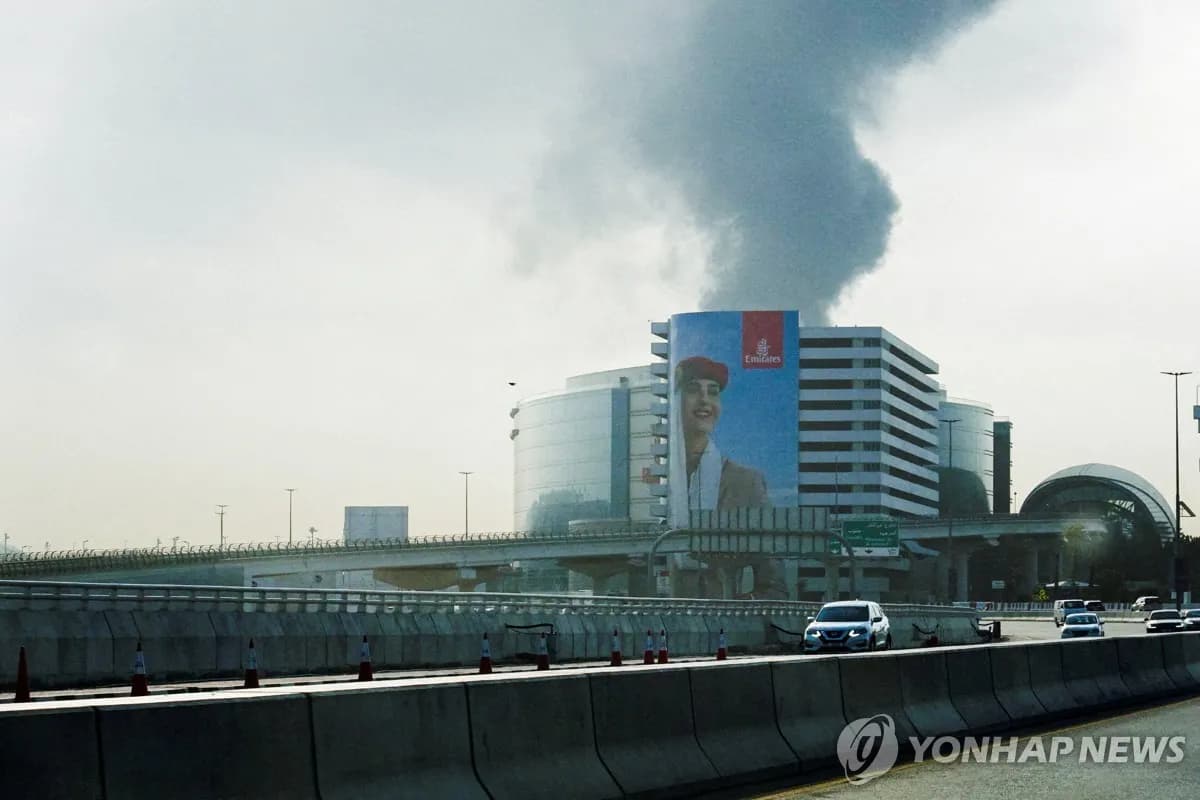
중동행 전세기 전쟁보험료 최고 7천500만원
중동행 전세기 전쟁보험료가 최고 5만달러(7천500만원)로 상승
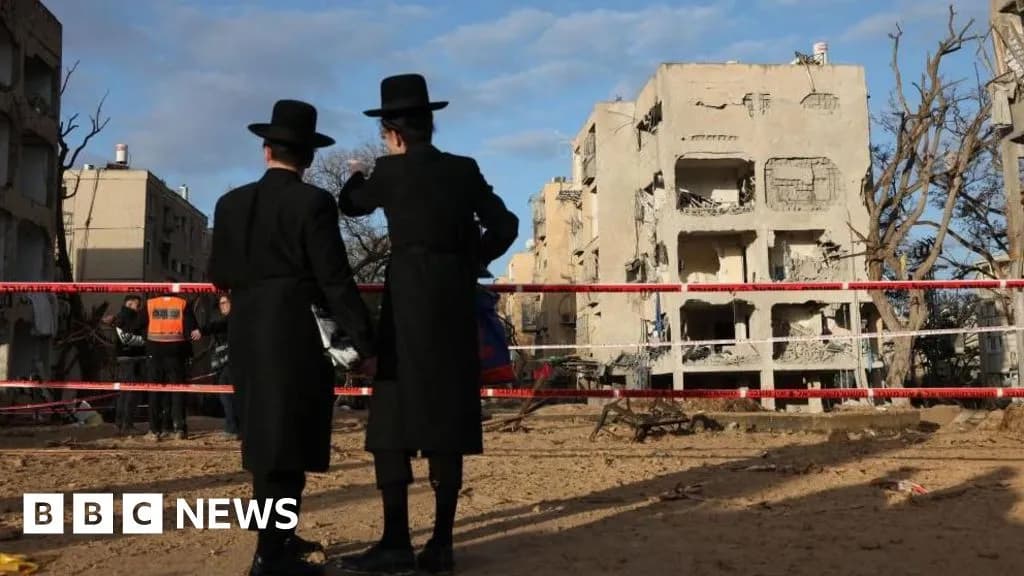
이란 탄도미사일, 이스라엘 방어망 뚫고 160명 부상
이란 탄도미사일이 이스라엘 방공망을 통과해 160명 부상
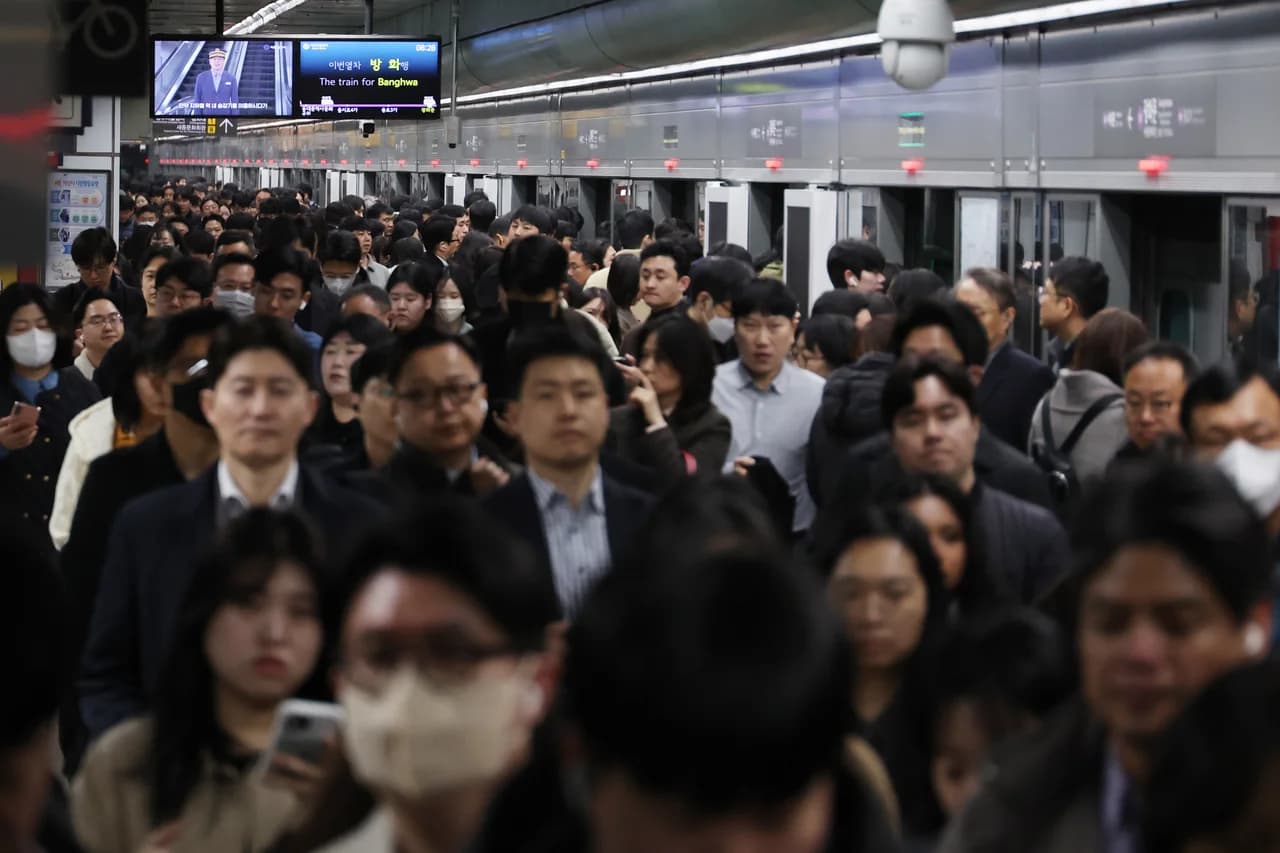
Middle East Conflict Drives Manufacturing Outlook to 10-Month Low
The Korea Institute for Industrial Economics & Trade survey shows April manufacturing outlook PSI plummeted to 88, falling below baseline for the first time in 10 months.

Lee Jae-myung Administration Excludes Multi-Home Officials from Real Estate Policymaking
President Lee Jae-myung has ordered the exclusion of multi-home owning public officials from all real estate policy processes.
Southeast Asia Growth Forecasts Cut Amid Oil Price Surge, Threatening Korean Exports
Maybank Research has downgraded ASEAN-6's 2026 growth forecast from 4.8% to 4.5%.
Volkswagen CEO Says Germany Should Learn from China's Industrial Strategy
Volkswagen CEO stated that Germany should learn from China's systematic industrial planning approach.

Reddit Considers Face ID to Block Bots While Maintaining Anonymity
Reddit is considering implementing biometric authentication systems such as Face ID and Touch ID to block AI bots while maintaining anonymity.