Yakov Chernikhov: Future Cities Built on Paper
Russian Avant-Garde Architect's Imagination Unfolds in Moscow
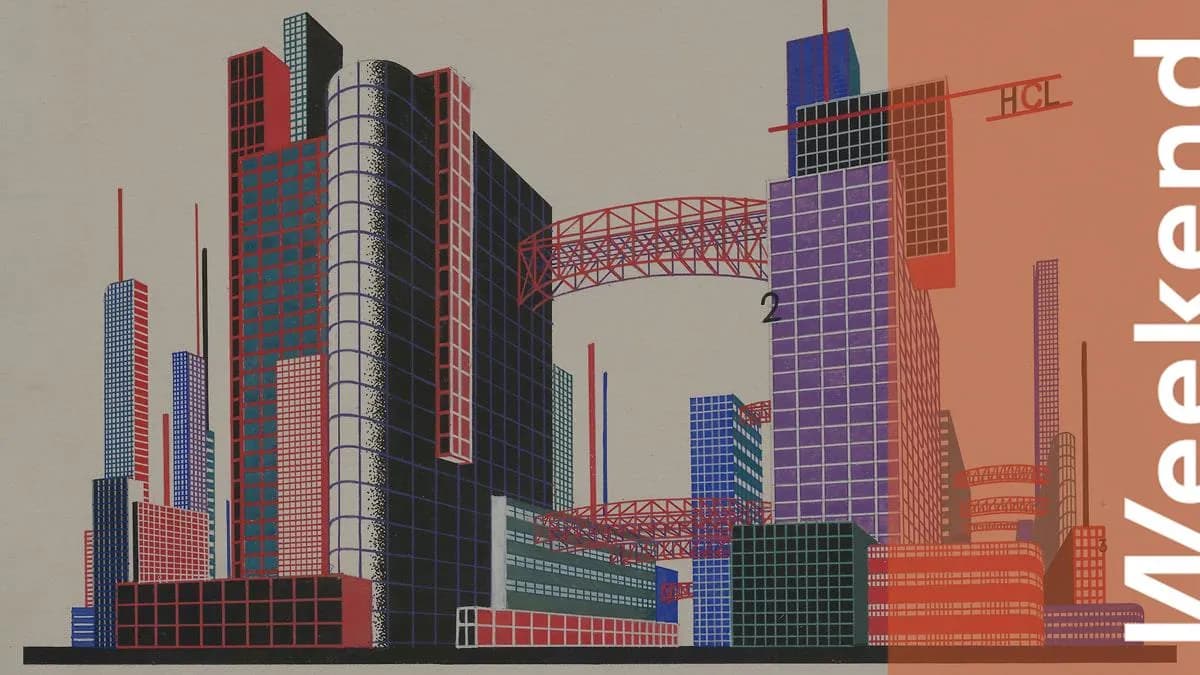
- •A major retrospective of Russian avant-garde architect Yakov Chernikhov is being held in Moscow through January 2026.
- •His 'paper architecture' works from the 1920s-30s imagined future cities through impossible colossal structures.
- •The exhibition showcases his multifaceted talents as architect, abstract painter, and graphic designer through a room-based concept.
Unrealized Architecture, Yet Eternal Inspiration
A major exhibition of Russian avant-garde architect Yakov Chernikhov is currently on display at Moscow's Jewish Museum and Tolerance Center through January 11, 2026. He is better known for his architecture drawn on paper than for actual buildings constructed. His works depicting colossal palaces and bridges boast an overwhelming scale reminiscent of 18th-century Italian printmaker Giovanni Battista Piranesi.
Chernikhov is a multifaceted artist difficult to classify simply as an architect. As an abstract painter, engineer, graphic designer, and theorist, he explored the essence of architecture. As he himself said, "The ability to imagine is the first foundation of new architecture."
Architectural Language Beginning with Abstraction
In the 1920s, Chernikhov taught his students that the most important thing in architecture was the ability to think in abstract compositions and express them in graphic form. He regarded graphics as "an international language that everyone can understand."
This exhibition is organized not chronologically but by cabinet concept. Visitors pass through recreations of his study room and workshop at 8 Griboyedov Canal Embankment in Leningrad, discovering different talents of Chernikhov in each room.
Next to drawings sketching the movements of microorganisms hangs the abstract series "Aristography," which explores tonal combinations of color. Bold Constructivist projects from the 1920s intersect with "Architectural Tales" from various countries and painterly fantasies.
Palaces of Dystopia
A separate exhibition hall is dedicated to the 1930s series "Palaces and Pantheons." During this period, Chernikhov reinterpreted Soviet monumental style through a dystopian lens. Like Piranesi, he ignored proportion and feasibility, focusing instead on conveying environmental oppressiveness.
Outside of architecture, he developed methods for constructing universal typefaces, and during the war, created abstract sketches for building camouflage. His work crosses boundaries between art and function, imagination and reality.
Exhibition Information [AI Analysis]
Location: Jewish Museum and Tolerance Center (Moscow)
Period: Through January 11, 2026
Major Works: "Architectural Fantasies" series from 1929-1932, "Palaces and Pantheons" series from the 1930s
Chernikhov's "paper architecture" is evaluated as a precursor to modern digital architectural simulation. Given that the abstract thinking and graphic language he presented became the theoretical foundation for today's parametric design and AI-based architectural generation tools, this exhibition has high potential to show where past imagination meets future technology.
댓글 (5)
기사 잘 봤습니다. 다른 시각의 분석도 읽어보고 싶네요.
Chernikhov:에 대해 더 알고 싶어졌습니다. 후속 기사 부탁드립니다.
그 부분은 저도 궁금했습니다.
흥미로운 주제입니다. 주변에도 공유해야겠어요.
공감합니다. 참고하겠습니다.
More in Culture & Art
Government Provides 1 Billion Won in Emergency Disaster Funds for Daejeon Factory Fire Recovery

Existence Blooming Through Vulnerability: Massimo Lagrotteria Solo Exhibition
Milan Design Week 2026: Hotels Transform into Laboratories of Dreams
The Future of Living on the Moon, Mars, and Deep Sea: Houses Designed by Architects

15,000-Year-Old Clay Beads Made by Children Rewrite Prehistoric Art History

Reuters Reports Banksy's Identity Revealed, Reigniting Anonymity Debate
Latest News
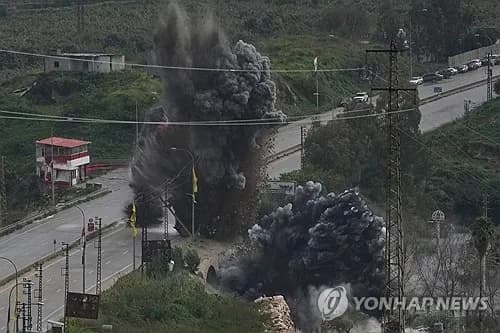
이스라엘, 헤즈볼라 무기 통로 레바논 다리 공습
이스라엘군, 헤즈볼라 무기 통로 레바논 다리 공습
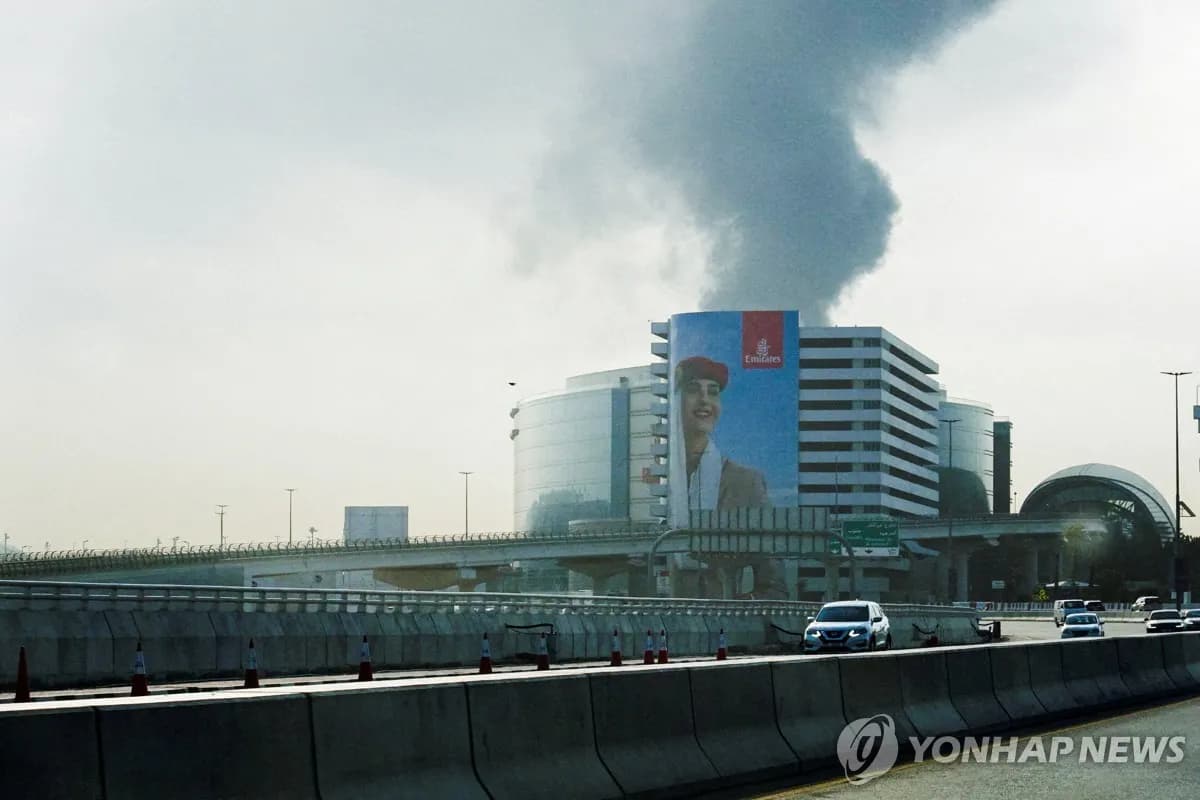
중동행 전세기 전쟁보험료 최고 7천500만원
중동행 전세기 전쟁보험료가 최고 5만달러(7천500만원)로 상승
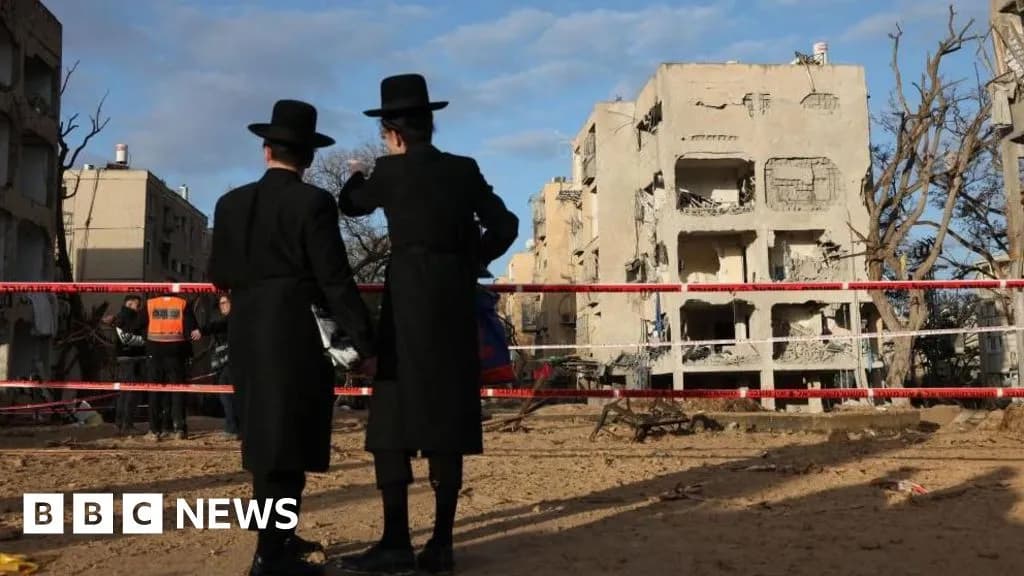
이란 탄도미사일, 이스라엘 방어망 뚫고 160명 부상
이란 탄도미사일이 이스라엘 방공망을 통과해 160명 부상
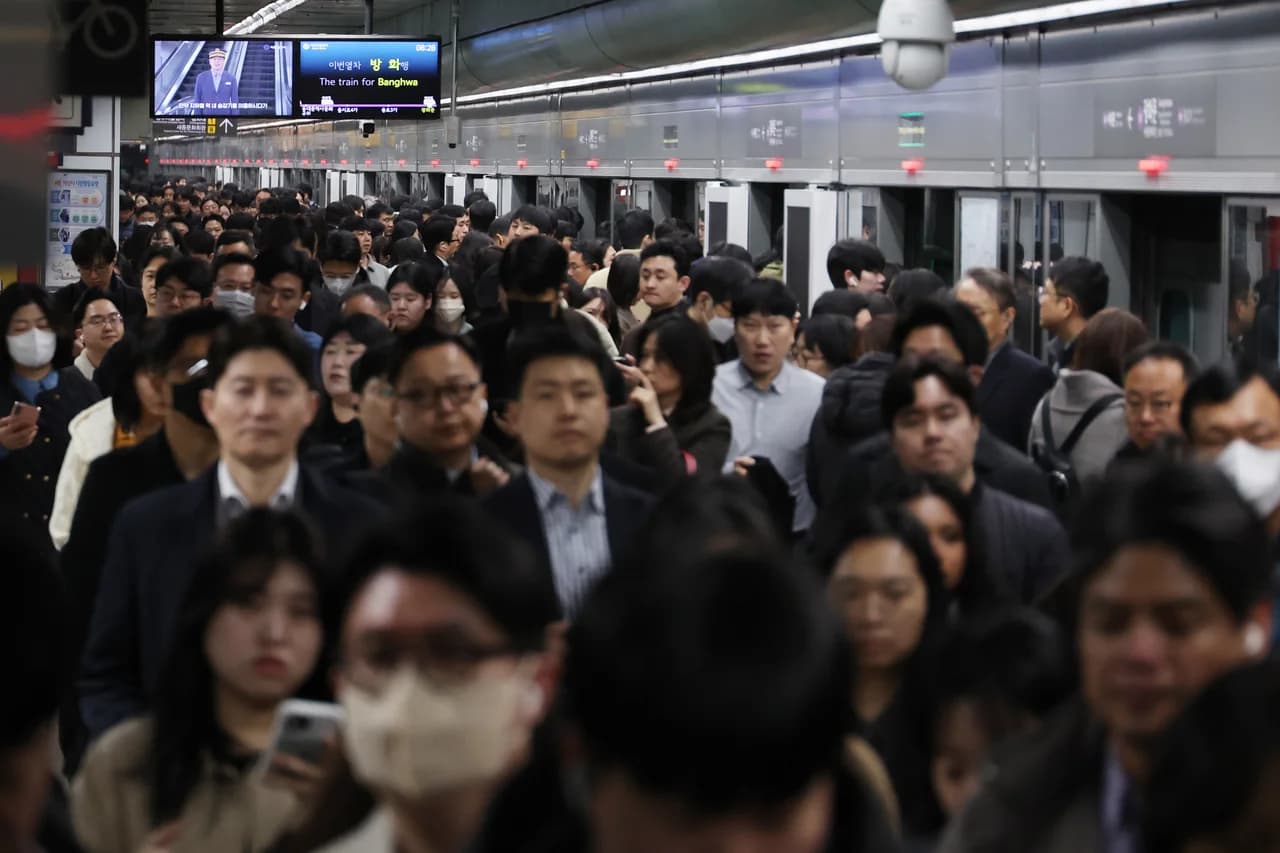
Middle East Conflict Drives Manufacturing Outlook to 10-Month Low
The Korea Institute for Industrial Economics & Trade survey shows April manufacturing outlook PSI plummeted to 88, falling below baseline for the first time in 10 months.

Lee Jae-myung Administration Excludes Multi-Home Officials from Real Estate Policymaking
President Lee Jae-myung has ordered the exclusion of multi-home owning public officials from all real estate policy processes.
Southeast Asia Growth Forecasts Cut Amid Oil Price Surge, Threatening Korean Exports
Maybank Research has downgraded ASEAN-6's 2026 growth forecast from 4.8% to 4.5%.

Volkswagen CEO Says Germany Should Learn from China's Industrial Strategy
Volkswagen CEO stated that Germany should learn from China's systematic industrial planning approach.

Reddit Considers Face ID to Block Bots While Maintaining Anonymity
Reddit is considering implementing biometric authentication systems such as Face ID and Touch ID to block AI bots while maintaining anonymity.