Ukraine's Anti-Corruption Drive: EU's Conditions for Systemic Reform
EU Presents Anti-Corruption Reform Roadmap Following Corruption Scandal Involving Former Minister Galushchenko
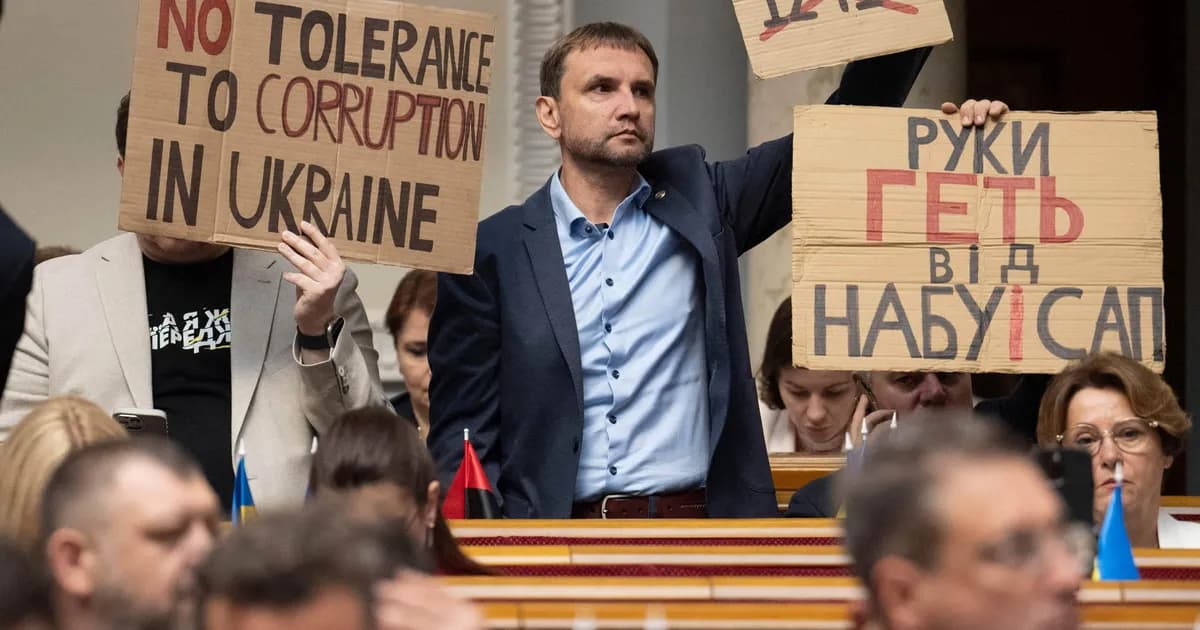
- •A corruption scandal involving former Ukrainian Energy Minister Galushchenko has heightened EU concerns about support for Ukraine.
- •The EU is demanding systemic anti-corruption reforms beyond simple punishment of those responsible, including protecting NABU's independence and expanding its jurisdiction.
- •Ahead of 2026 EU accession negotiations, Ukraine's anti-corruption reform achievements are expected to directly impact the pace of negotiations.
Ripple Effects of Major Energy Sector Corruption Scandal
A major corruption scandal involving former Energy Minister Galushchenko has emerged in Ukraine, raising concerns within the European Union (EU) regarding support for Ukraine. The "Midas Operation" uncovered by Ukraine's National Anti-Corruption Bureau (NABU) revealed evidence of misappropriation of EU aid funds, a situation that could complicate future EU support for Ukraine's energy sector.
While EU officials have refrained from official statements, they have expressed anger and disappointment through unofficial channels. The fact that European taxpayers' money supporting war-torn Ukraine ended up in the pockets of corrupt officials is a politically sensitive issue.
EU Seeks 'Systemic Change'
However, the EU's position extends beyond simply punishing those responsible. The key is systemic reform. The EU's assessment is that Galushchenko's individual resignation or punishment alone is insufficient; institutional mechanisms are needed to prevent the same corrupt structures from regenerating under different names.
Europe's bureaucratic system operates by presenting requirements based on already agreed-upon documents and standards, even in crisis situations. Therefore, the EU's anti-corruption requirements for Ukraine are already specified in the publicly released EU Enlargement Report and the Shadow Report that formed its basis.
Protecting NABU Independence as Top Priority
The first item in the 2025 EU Enlargement Report's task list for Ukraine in 2026 is "maintaining the independence of anti-corruption institutions." This is a direct warning regarding the Ukrainian government's July 2025 attempt to weaken the anti-corruption system.
At that time, Kyiv pursued legislation to limit NABU's authority, but withdrew key provisions after facing strong opposition from the EU and the international community. While the EU positively evaluated Ukraine's cessation of such regression attempts, it remains vigilant.
The report clearly stated that "there should be no attempts in any form to infringe upon the independence of anti-corruption institutions in the future." This is not merely a recommendation but has been established as one of the conditions for EU membership.
Demand for Expanding NABU's Jurisdiction
Beyond protecting NABU's independence, the EU is demanding an expansion of its jurisdiction. Currently, NABU can only investigate officials above certain ranks, but the EU argues that the scope should be broadened to include all "high-risk public positions."
Specifically, senior Presidential Office officials and governor-level personnel should be included in NABU's investigative scope. This aligns with recommendations presented by Transparency International Ukraine in its shadow report and reflects criticism that high-level corruption often occurs outside NABU's current jurisdiction.
Historical Context: Recurring Reform and Regression
Ukraine's anti-corruption reform began in earnest after the 2014 Euromaidan Revolution. The institutional framework was established with NABU's creation in 2015 and the launch of the High Anti-Corruption Court (HACC) in 2018.
However, the reform process has not been smooth. In 2020, the Constitutional Court invalidated criminal penalties for illegal asset declarations, dealing a significant blow to the anti-corruption system, and subsequently, parliament and the executive branch have made several attempts to limit NABU's authority.
After the outbreak of war in 2022, anti-corruption issues temporarily took a backseat, but international pressure intensified again from 2023. The EU has continuously monitored to prevent reform regression by linking Ukraine's reconstruction support and accession negotiations to anti-corruption achievements.
The July 2025 attempt to weaken the anti-corruption system and its subsequent withdrawal, along with the November Galushchenko scandal, must be understood within this historical flow. These cases demonstrate how important international pressure is in the recurring process of reform and resistance.
Future Outlook [AI Analysis]
The Galushchenko scandal is likely to be both a crisis and an opportunity. The very fact that NABU uncovered high-level corruption is a positive signal that the anti-corruption system is functioning. However, the real test begins now.
The EU expects Ukraine to undertake systemic reforms in light of this incident. If Ukraine faithfully implements the EU's requirements, it could actually receive positive evaluations for progress in the anti-corruption field.
Conversely, if it ends with only punishing those responsible without structural change, EU trust is likely to be significantly damaged. Particularly since 2026 is when Ukraine's EU accession negotiations will gain momentum, anti-corruption reform achievements are expected to directly impact the pace of negotiations.
International transparency organizations and the EU Commission will continue to closely monitor Ukraine's anti-corruption efforts, and this incident will be evaluated in the 2026 enlargement report. How quickly the Ukrainian government pursues legislation to expand NABU's jurisdiction is likely to be a key indicator.
댓글 (4)
Ukraine 관련 기사 잘 읽었습니다. 유익한 정보네요.
Drive:에 대해 더 알고 싶어졌습니다. 후속 기사 부탁드립니다.
간결하면서도 핵심을 잘 정리한 기사네요.
그 부분은 저도 궁금했습니다.
More in Special
The Corsican Mafia Exposed: Breaking a Century of Silence

AI-Generated Fake Person Used to Sell Dubai Flight Seats

Facebook Groups Traded Endangered Species Using Code Language — Indonesian Broker Network Exposed
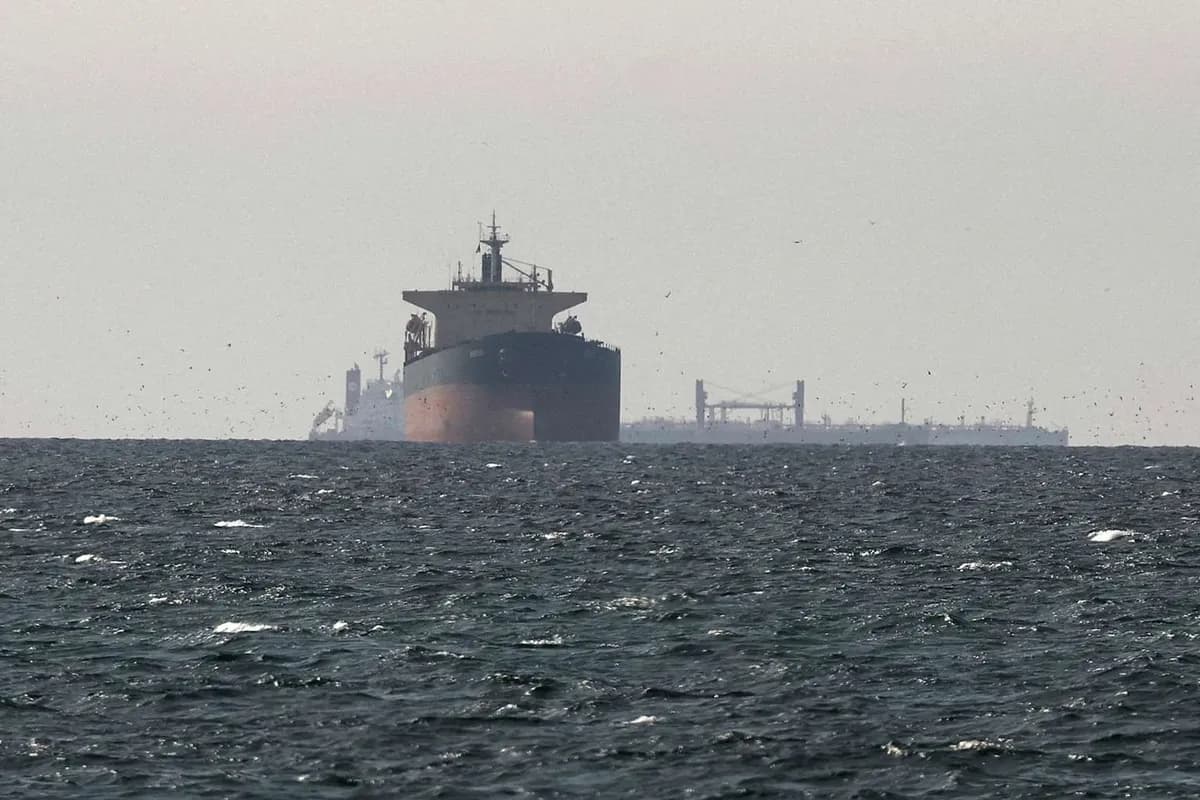
G6 Alliance Declares Support for Hormuz Strait Security... Reverses Stance Under Trump Pressure
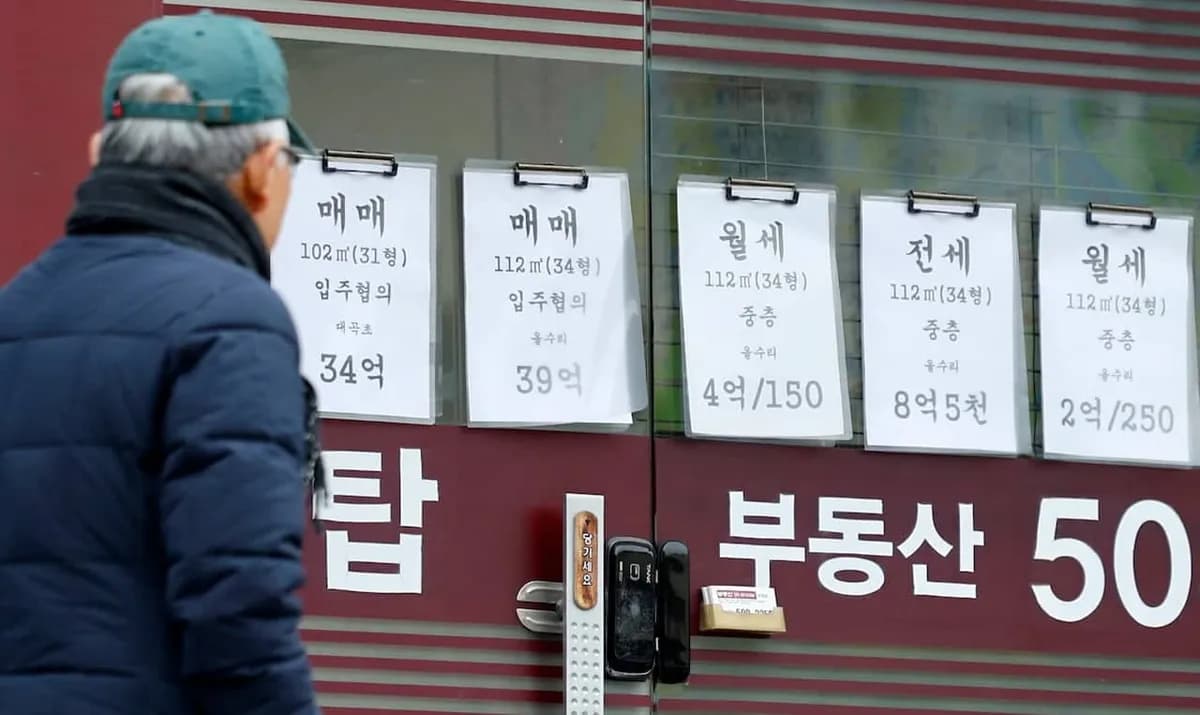
Seoul's Average Monthly Rent Surpasses 1.51 Million Won as Soaring Official Property Prices Trigger 'Housing Cost Bomb'

Rihanna Tops Spotify Without New Album for 10 Years, Proving Power of Catalog
Latest News

이스라엘, 헤즈볼라 무기 통로 레바논 다리 공습
이스라엘군, 헤즈볼라 무기 통로 레바논 다리 공습
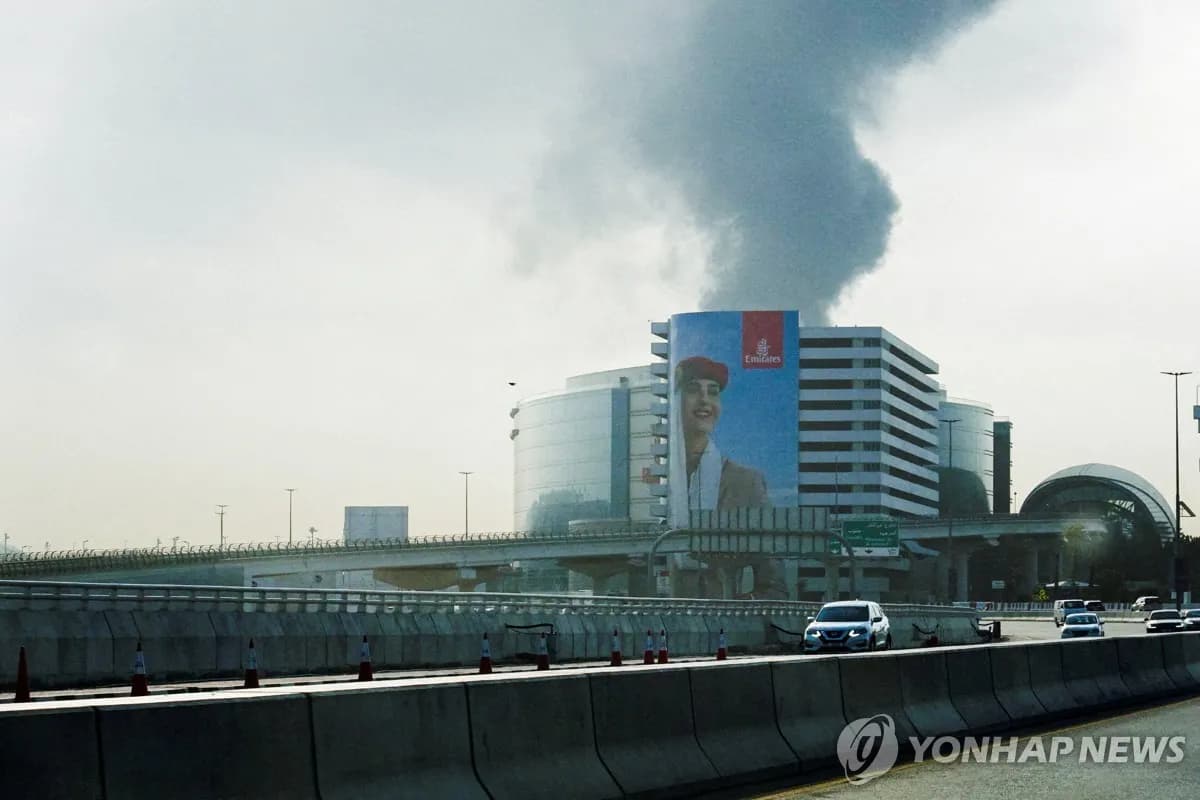
중동행 전세기 전쟁보험료 최고 7천500만원
중동행 전세기 전쟁보험료가 최고 5만달러(7천500만원)로 상승

이란 탄도미사일, 이스라엘 방어망 뚫고 160명 부상
이란 탄도미사일이 이스라엘 방공망을 통과해 160명 부상
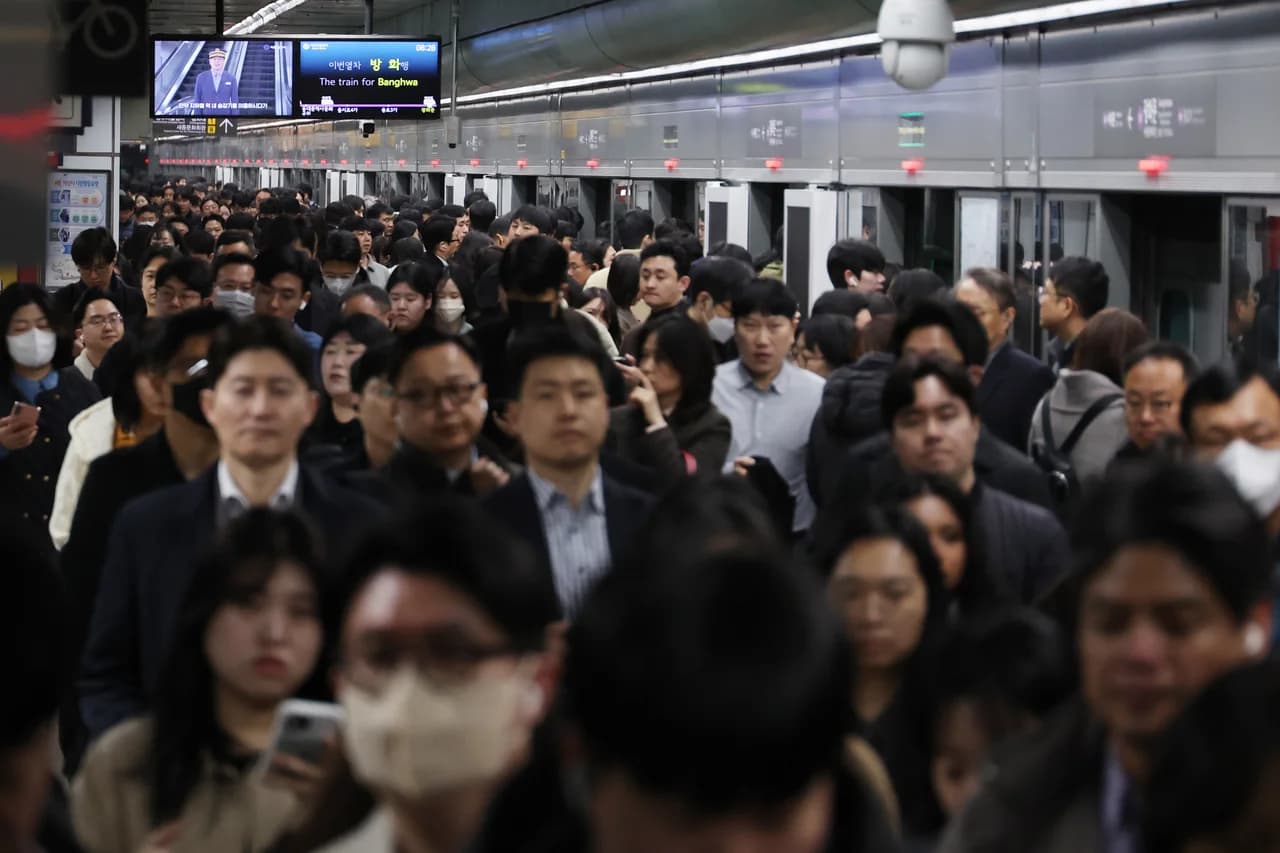
Middle East Conflict Drives Manufacturing Outlook to 10-Month Low
The Korea Institute for Industrial Economics & Trade survey shows April manufacturing outlook PSI plummeted to 88, falling below baseline for the first time in 10 months.
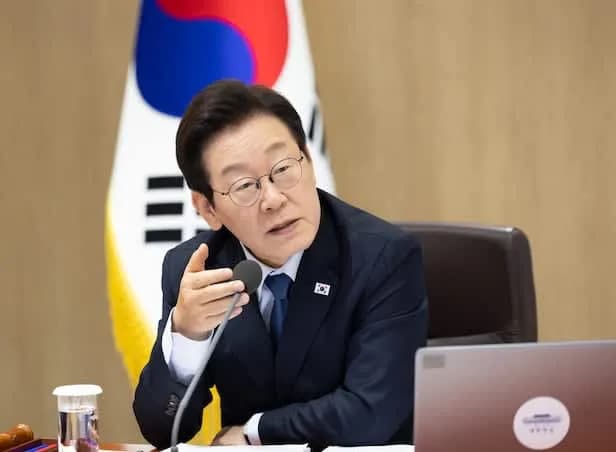
Lee Jae-myung Administration Excludes Multi-Home Officials from Real Estate Policymaking
President Lee Jae-myung has ordered the exclusion of multi-home owning public officials from all real estate policy processes.

Southeast Asia Growth Forecasts Cut Amid Oil Price Surge, Threatening Korean Exports
Maybank Research has downgraded ASEAN-6's 2026 growth forecast from 4.8% to 4.5%.
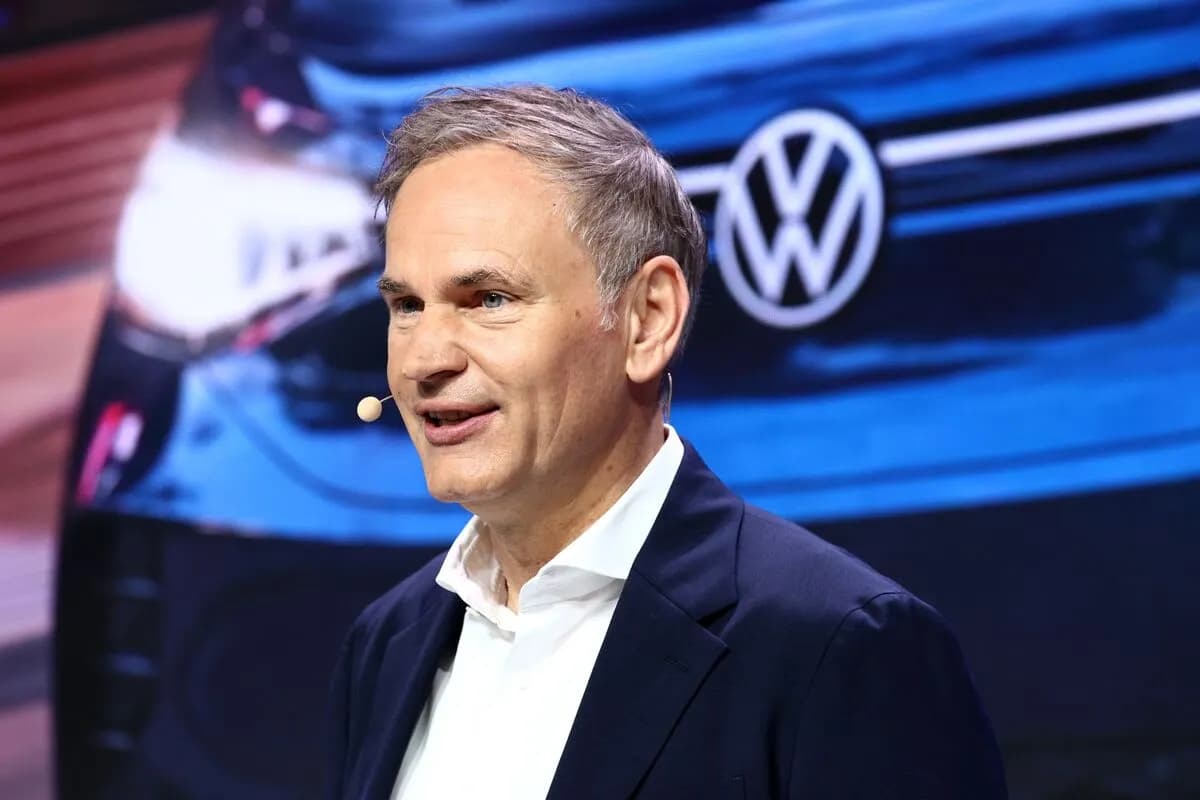
Volkswagen CEO Says Germany Should Learn from China's Industrial Strategy
Volkswagen CEO stated that Germany should learn from China's systematic industrial planning approach.

Reddit Considers Face ID to Block Bots While Maintaining Anonymity
Reddit is considering implementing biometric authentication systems such as Face ID and Touch ID to block AI bots while maintaining anonymity.