Storage Memory Prices Surge as AI Reshapes Semiconductor Market
DDR4 Prices Double in Shenzhen's Huaqiangbei, Supply Shortage Triggered by HBM Transition
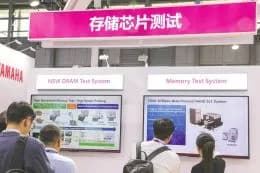
- •DDR4 memory prices in Shenzhen's Huaqiangbei have doubled within a month, with daily price fluctuations becoming the norm.
- •As manufacturers concentrate on HBM and DDR5 production due to rising AI server demand, commodity memory supply has become structurally insufficient.
- •While SK hynix recorded 119% net profit growth in Q3, distributors are struggling with declining margin rates.
Memory Prices Skyrocketing by the Day
Storage memory prices are surging at electronics markets in Shenzhen's Huaqiangbei district. DDR4 16GB memory modules have more than doubled from 180-190 yuan a month ago to over 400 yuan currently, while 1TB SSDs have jumped from the 300 yuan range to over 600 yuan.
"Prices rise every day. They change once a day," says one vendor. Prices that seemed to peak at 330 yuan climbed to 420 yuan within days, forcing merchants to switch to same-day purchase and sale strategies, afraid to hold inventory.
According to market research firm TrendForce, DRAM prices in Q3 2025 rose 171.8% year-over-year. Samsung Electronics suspended DDR5 contract price quotes in October, with SK hynix and Micron following suit, accelerating supply chain tensions.
AI Servers Transform Memory Supply Structure
The core driver of this price surge is artificial intelligence (AI) data center demand. Since ChatGPT's emergence in 2022, as global companies rushed to build AI server infrastructure, major memory manufacturers including Samsung, SK hynix, and Micron shifted existing DDR4 production lines to HBM (High Bandwidth Memory) and DDR5.
HBM is a high-performance memory essential for GPU-based AI computing, requiring 8 times more DRAM and 3 times more NAND flash than conventional servers, according to Micron's estimates. By reducing production of lower-margin legacy products and concentrating on high-value-added items, the supply of commodity memory like DDR4 has sharply contracted.
The shortage intensified from April this year as major manufacturers announced end-of-life for legacy products including DDR4 and LPDDR4X. TrendForce analyst Xu Jiayuan predicts "DDR4 supply shortages will persist at least through the first half of 2026."
Structural Changes in Memory Market
The global memory market is an oligopoly dominated by a few major corporations. As of Q2 2025, the DRAM market was controlled 93.4% by SK hynix (38.7%), Samsung (32.7%), and Micron (22%), while Samsung, SK hynix, and Kioxia held 67.5% of the NAND flash market.
With the AI era's arrival, these companies embarked on strategic production shifts. They reduced low-margin DDR4 production while increasing output of server-grade DDR5 RDIMM, mobile LPDDR5X, and AI-specific HBM. This process created a structural gap in the commodity memory supply chain used in smartphones, PCs, and consumer electronics.
Chinese PC brands are rushing to adopt DDR5, while TV and networking equipment manufacturers are responding by delaying transitions from DDR3 to DDR4. However, simply extending existing product lifecycles cannot adequately meet demand.
Winners and Losers Among Semiconductor Companies
SK hynix recorded fiscal 2025 Q3 revenue of 24.4489 trillion won (approximately $17.09 billion) and net profit of 12.5975 trillion won (approximately $8.8 billion), growing 39% and 119% year-over-year respectively. Expanded sales of high-value-added products like HBM were the main growth drivers.
Chinese memory module maker Changborun saw Q3 net profit surge 1,994% year-over-year to 698 million yuan. As of end-September, inventory stood at 8.517 billion yuan, with aggressive proactive inventory strategies translating to profit gains.
Conversely, memory distributor Shaneng ChipCreate saw Q3 revenue increase 6.58% while net profit declined 3.11%. First-half distribution business margins were merely 2.43%, down 3.17 percentage points year-over-year, illustrating difficulties at the distribution level in passing cost increases to selling prices.
Lanqi Technology, a memory interface chip company with high technological barriers, recorded revenue of 4.058 billion yuan (up 57.83%) and net profit of 1.632 billion yuan (up 66.89%) through Q3, maintaining a high margin rate of 65.69%. This was thanks to increased interconnect chip demand from AI server expansion.
Memory Market Trends Since 2022
The memory market has traditionally followed 2-3 year boom-and-bust cycles. From late 2022 through early 2023, memory prices plunged due to weakening PC and smartphone demand, with major manufacturers recording massive losses.
However, the market structure fundamentally changed following ChatGPT's November 2022 launch. As generative AI proliferation drove surging data center investment, memory companies pivoted strategically from consumer products to high-performance memory for AI servers.
In 2024, manufacturers invested hundreds of billions in expanding HBM production capacity while reducing or closing existing commodity memory production lines. This was not merely product mix adjustment, but industrial restructuring for the AI era.
Consequently, the market entered a new cycle: 'oversupply → rising AI demand → strategic production cuts → commodity memory shortage.' Unlike the past, this price increase stems not from temporary supply-demand imbalances but from structural factors of AI infrastructure investment.
Future Outlook [AI Analysis]
TrendForce expects Q4 2025 and H1 2026 price momentum to come from North American data center AI server investment expansion. As demand for DDR5 RDIMM, LPDDR5X, and HBM increases while manufacturers' capacity additions fail to keep pace, commodity memory shortages will likely intensify.
WitaGroup Chairman Chen Libai stated, "In my 30 years in the industry, this is the first time all four storage devices—DRAM, NAND, SSD, and HDD—have simultaneously experienced shortages," adding "Q4 marks the real beginning of the memory bull market, with prosperity expected through next year."
However, with demand-side adjustments underway including PC manufacturers accelerating DDR5 adoption and TV/telecom equipment makers extending use of legacy specifications, supply shortages are expected to gradually ease from H2 2026. Long-term, Chinese memory manufacturers' capacity expansion may also bring changes to market structure.
댓글 (6)
Storage에 대해 더 알고 싶어졌습니다. 후속 기사 부탁드립니다.
좋은 의견이십니다.
기사 잘 봤습니다. 다른 시각의 분석도 읽어보고 싶네요.
그 부분은 저도 궁금했습니다.
간결하면서도 핵심을 잘 정리한 기사네요.
그 부분은 저도 궁금했습니다.
More in Life

Beyond Vaccines: Refusal of Newborn Vitamin K Shots Spreads

NASA Restores Historic 80-Year-Old 'Hangar One' at Ames Research Center
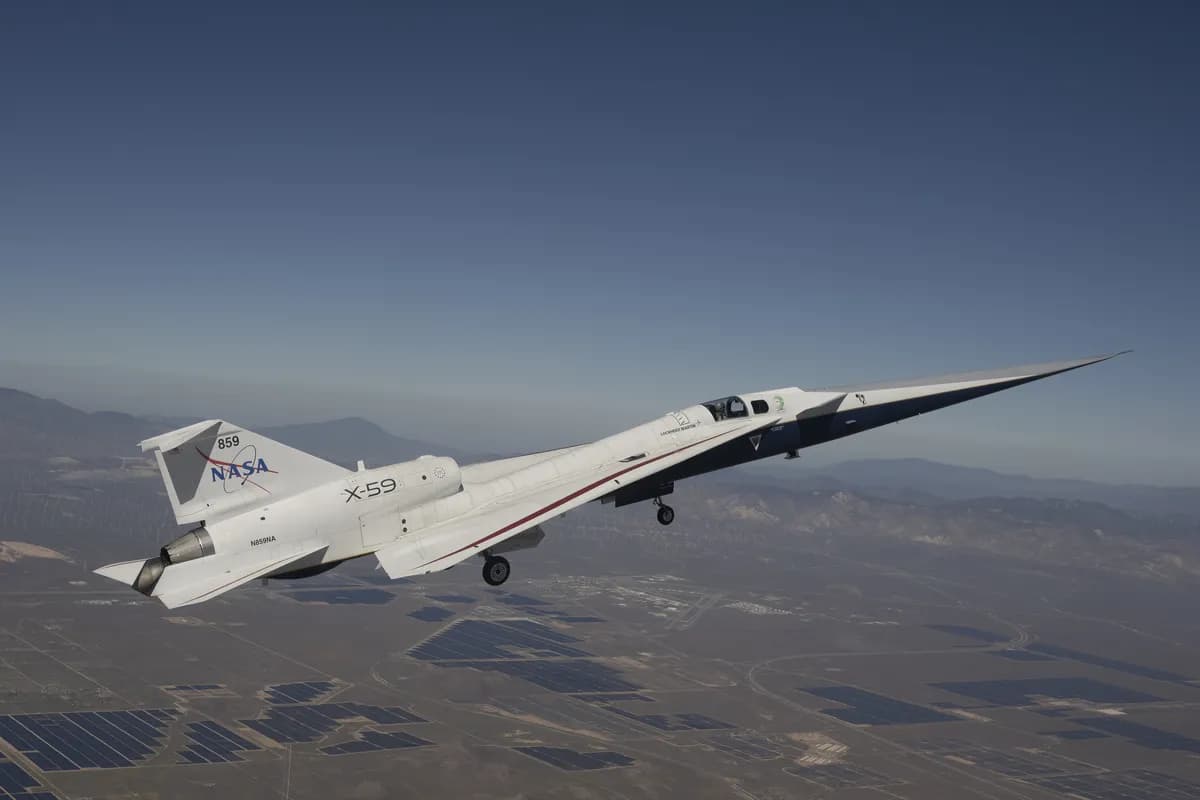
NASA X-59 Supersonic Experimental Aircraft Completes Second Test Flight Successfully
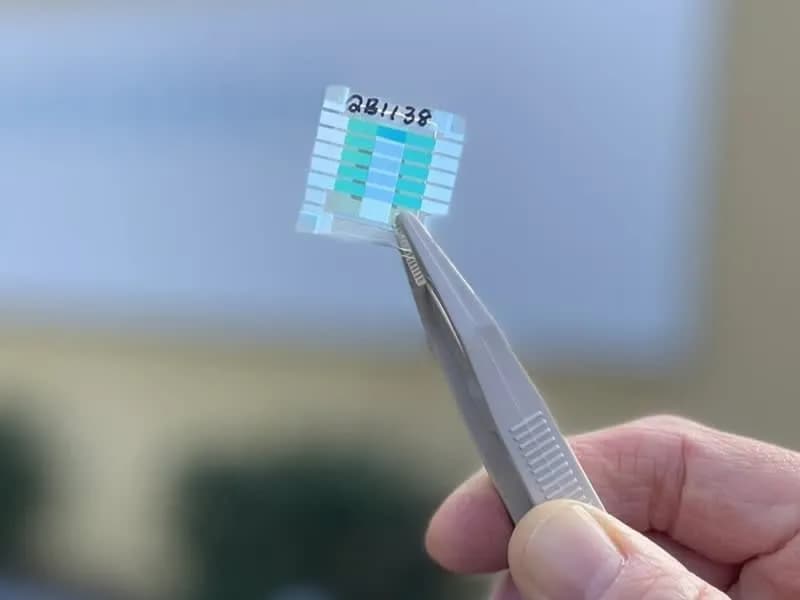
Australian Researchers Develop World's First Quantum Battery Prototype

The Ocean Was the True Driver of 3 Million Years of Climate Change

Heat Waves to Cause 700,000 Premature Deaths by 2050… Climate Crisis Undermines Exercise Habits
Latest News

이스라엘, 헤즈볼라 무기 통로 레바논 다리 공습
이스라엘군, 헤즈볼라 무기 통로 레바논 다리 공습
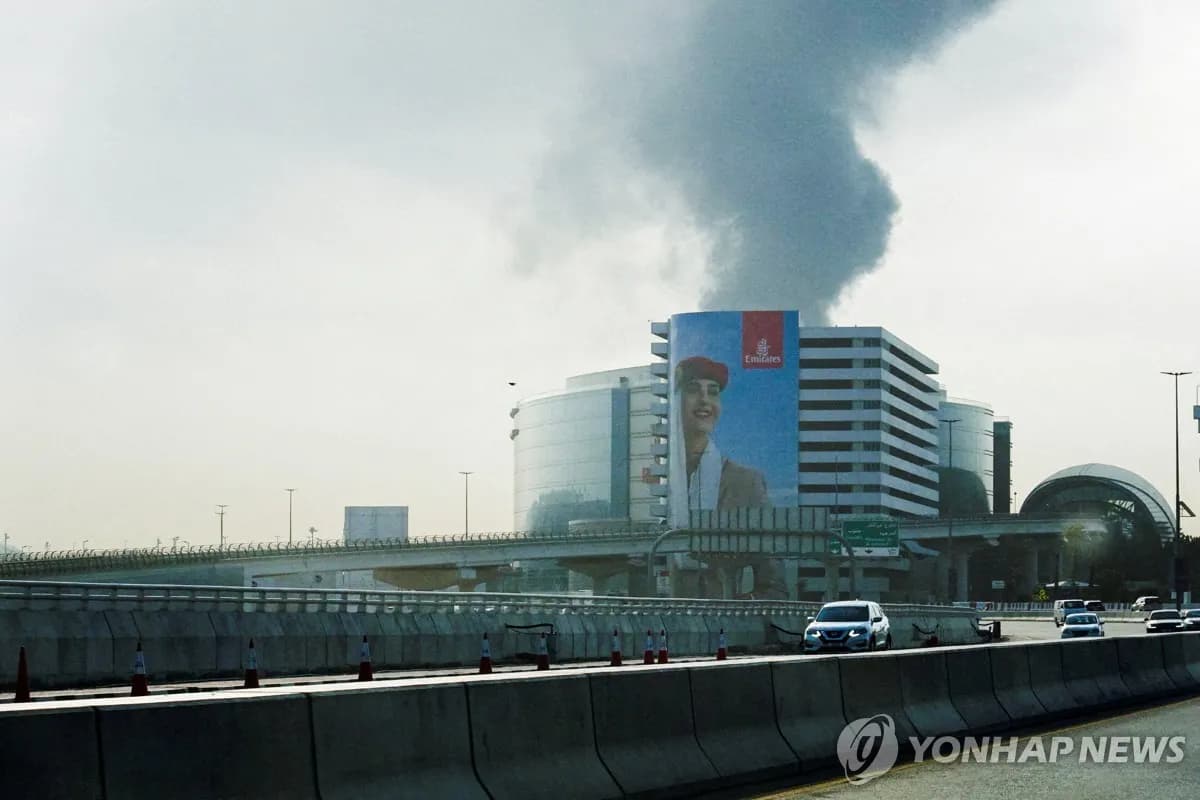
중동행 전세기 전쟁보험료 최고 7천500만원
중동행 전세기 전쟁보험료가 최고 5만달러(7천500만원)로 상승

이란 탄도미사일, 이스라엘 방어망 뚫고 160명 부상
이란 탄도미사일이 이스라엘 방공망을 통과해 160명 부상
Middle East Conflict Drives Manufacturing Outlook to 10-Month Low
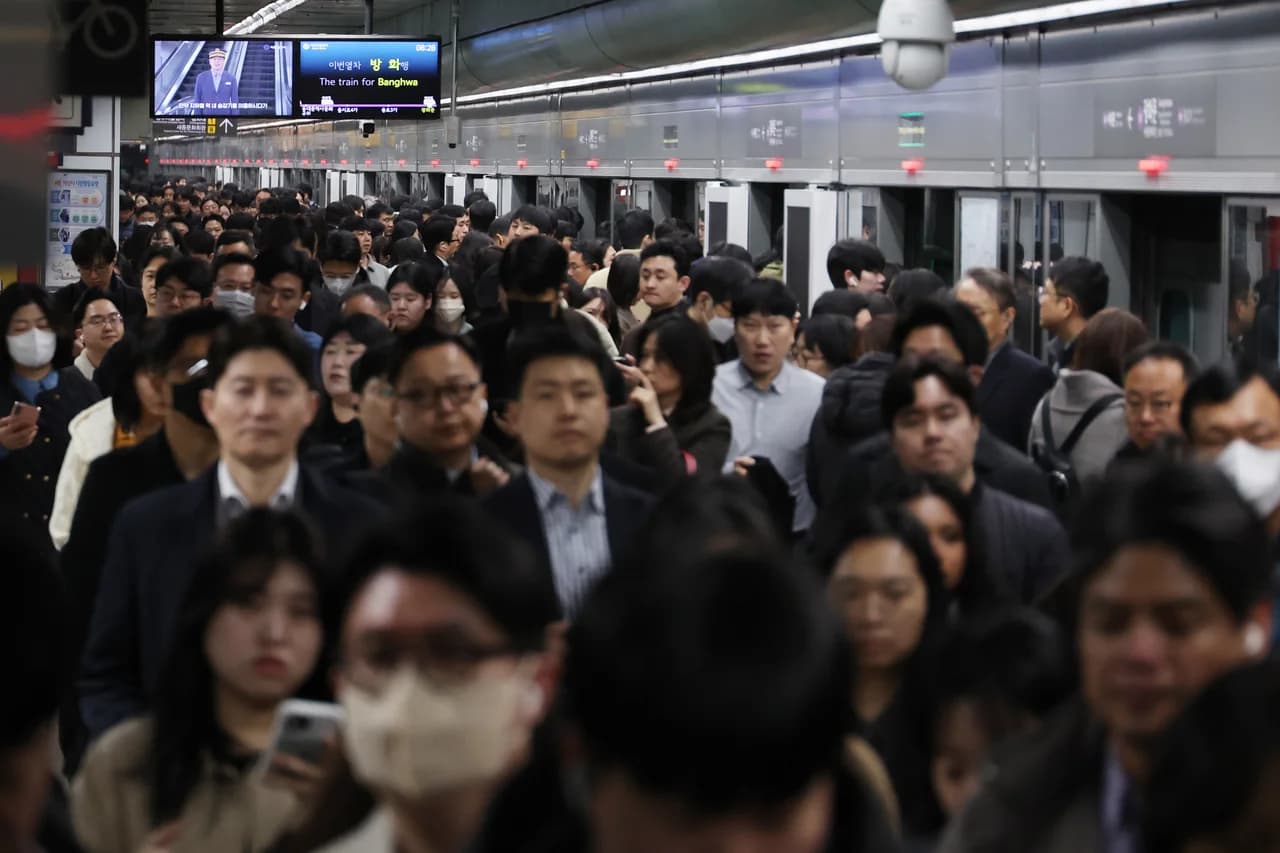
The Korea Institute for Industrial Economics & Trade survey shows April manufacturing outlook PSI plummeted to 88, falling below baseline for the first time in 10 months.

Lee Jae-myung Administration Excludes Multi-Home Officials from Real Estate Policymaking
President Lee Jae-myung has ordered the exclusion of multi-home owning public officials from all real estate policy processes.

Southeast Asia Growth Forecasts Cut Amid Oil Price Surge, Threatening Korean Exports
Maybank Research has downgraded ASEAN-6's 2026 growth forecast from 4.8% to 4.5%.
Volkswagen CEO Says Germany Should Learn from China's Industrial Strategy
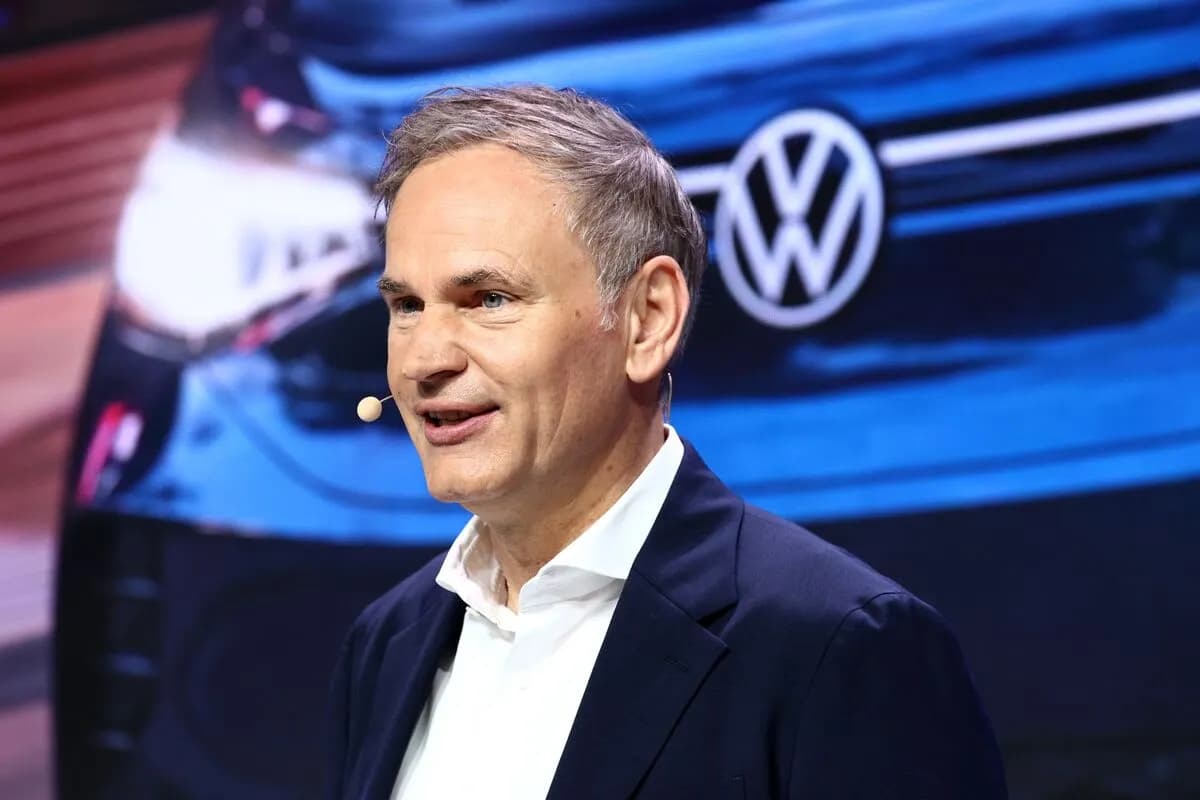
Volkswagen CEO stated that Germany should learn from China's systematic industrial planning approach.

Reddit Considers Face ID to Block Bots While Maintaining Anonymity
Reddit is considering implementing biometric authentication systems such as Face ID and Touch ID to block AI bots while maintaining anonymity.