Why Electrification Support is the New Growth Engine for Energy Retailers
As carbon neutrality goals and energy security strengthen, the residential electrification market emerges as a new opportunity for retailers

- •With over 130 countries setting 2050 carbon neutrality targets, residential electrification has emerged as an essential priority.
- •Energy retailers can secure new revenue streams and customer loyalty by supporting the adoption of heat pumps, electric vehicles, and solar systems.
- •Failing to lead the transition risks losing the market to tech companies and automotive manufacturers—now is the time to act.
The Reality of Residential Carbon Emissions
The transition to a low-carbon economy is reshaping the energy market. Residential buildings account for approximately 12.5% of global greenhouse gas emissions, while the transportation sector contributes 15%. Combined, these two sectors represent nearly one-third of total emissions.
Reducing carbon emissions in these sectors requires replacing fossil fuel-based systems with electric alternatives such as heat pumps, electric vehicles (EVs), solar power, and battery systems. However, the reality facing households is far from straightforward.
High upfront costs, confusion about appropriate upgrades, and difficulty finding reliable suppliers serve as major barriers. This is precisely where energy retailers' role becomes crucial.
Market Opportunities Created by Policy Changes
With over 130 countries worldwide setting carbon neutrality targets for 2050, regulations and incentives are rapidly increasing.
Key Policy Trends:
- European Union: Phasing out sales of new gasoline and diesel vehicles by 2035
- United Kingdom: Annual £200 (approximately $350,000 KRW) subsidies for households using heat pumps, £13.2 billion "Warm Homes" fund
- Australia: 30% subsidies for home batteries, with battery installations surpassing solar panels in some regions
These policy trends demonstrate that electrification is no longer optional but essential. Energy retailers can position themselves as trusted partners helping households adapt to policy changes during this transition period.
Energy Security and Price Volatility
The 2021-2022 energy crisis starkly revealed the vulnerability of fossil fuel dependence. Surging oil and gas prices due to geopolitical tensions and supply chain shocks pushed household energy costs to record highs and left many suppliers in financial distress.
Electrification is the solution for securing stability. By replacing gas boilers with heat pumps, gasoline vehicles with electric cars, and supplementing energy with solar power and home batteries, households can reduce their exposure to volatile fossil fuel markets.
By supporting this transition, energy retailers can establish themselves as resilience partners protecting customers from future price shocks while simultaneously strengthening long-term customer relationships.
Consumer Demand is Growing, But Implementation Lags
Rising energy costs and increasing climate concerns are heightening household willingness to act. 69% of homeowners say they would consider investing in energy improvements within the next five years.
However, a significant gap remains between intention and implementation. Upfront cost burdens, complex technology choices, and lack of reliable installers are major obstacles.
Energy Retailers' Role:
- Provide Customized Advice: Guide households on electrification options suited to their specific situations
- Financial Support: Ease cost burdens through installment payments and subsidy linkages
- Trusted Network: Connect customers with verified installers and suppliers
Through this support, retailers can lower customer transition barriers while simultaneously securing high customer loyalty and new revenue streams.
Commercial Opportunities Electrification Offers Retailers
Electrification support goes beyond simple social responsibility—it's a clear business growth strategy.
New Revenue Models:
- Heat pump, EV charger, and solar panel sales and installation services
- Energy efficiency consulting and maintenance contracts
- Smart home energy management solutions
Customer Retention: Customers who undergo electrification transitions with retailers are more likely to enter long-term contracts and have lower switching rates to competitors.
Brand Differentiation: Positioning as a company leading climate action can capture environmentally conscious consumer segments.
Future Outlook [AI Analysis]
If energy retailers don't lead the electrification transition, they risk losing the market to new players like tech companies or automotive manufacturers. Tesla has already entered the energy market with integrated solar panel and battery solutions, while Google and Amazon are expanding their presence in smart home energy management.
Expected Changes Over the Next 5 Years:
- Accelerated heat pump and EV adoption through government subsidies and stronger regulations
- Declining home battery prices due to energy storage technology advances
- Increased platform partnerships between retailers and installers
Energy retailers risk being relegated to mere electricity suppliers if they don't act now. Conversely, actively supporting electrification transitions can position them as central players in the energy ecosystem.
The opportunity to catch two rabbits—climate crisis response and business growth—is right now.
댓글 (4)
오랜만에 기분 좋은 뉴스를 접했습니다.
관계자분들의 노력에 박수를 보냅니다.
동의합니다. 앞으로가 더 기대됩니다.
이런 긍정적인 뉴스가 더 많았으면 좋겠습니다.
More in Economy
Middle East Conflict Drives Manufacturing Outlook to 10-Month Low

Lee Jae-myung Administration Excludes Multi-Home Officials from Real Estate Policymaking
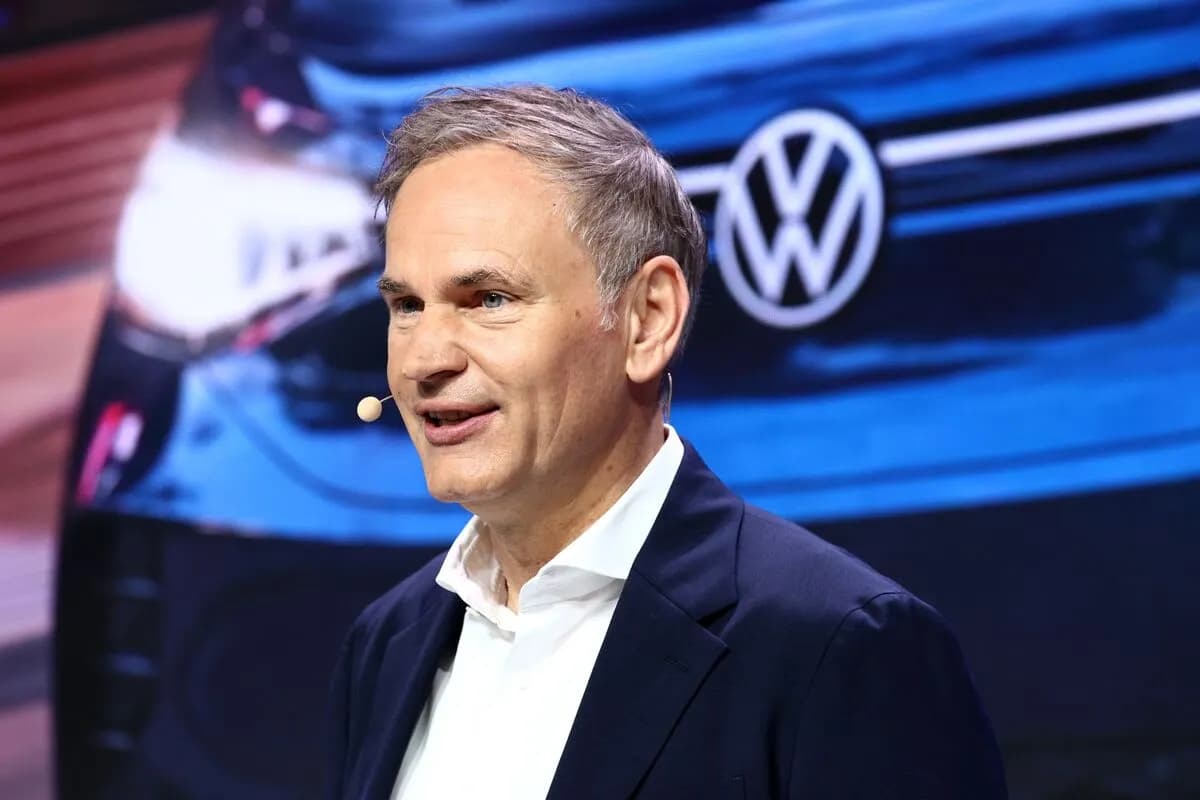
Volkswagen CEO Says Germany Should Learn from China's Industrial Strategy

Russia Anticipates Economic Gains from US-Iran Conflict
U.S. Federal Reserve Unveils Bank Capital Regulation Modernization Plan
Federal Reserve Announces Enforcement Actions Against Two Former Bank Employees
Latest News

이스라엘, 헤즈볼라 무기 통로 레바논 다리 공습
이스라엘군, 헤즈볼라 무기 통로 레바논 다리 공습
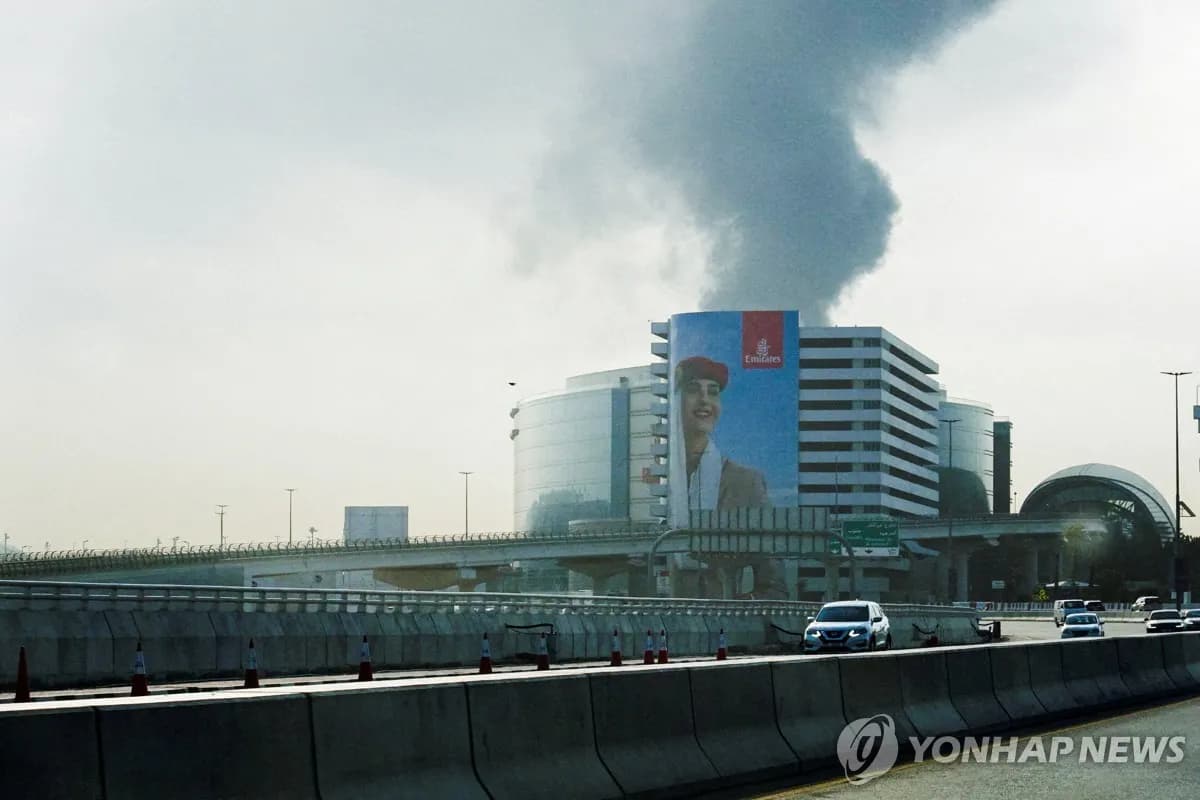
중동행 전세기 전쟁보험료 최고 7천500만원
중동행 전세기 전쟁보험료가 최고 5만달러(7천500만원)로 상승

이란 탄도미사일, 이스라엘 방어망 뚫고 160명 부상
이란 탄도미사일이 이스라엘 방공망을 통과해 160명 부상

Southeast Asia Growth Forecasts Cut Amid Oil Price Surge, Threatening Korean Exports
Maybank Research has downgraded ASEAN-6's 2026 growth forecast from 4.8% to 4.5%.

Reddit Considers Face ID to Block Bots While Maintaining Anonymity
Reddit is considering implementing biometric authentication systems such as Face ID and Touch ID to block AI bots while maintaining anonymity.
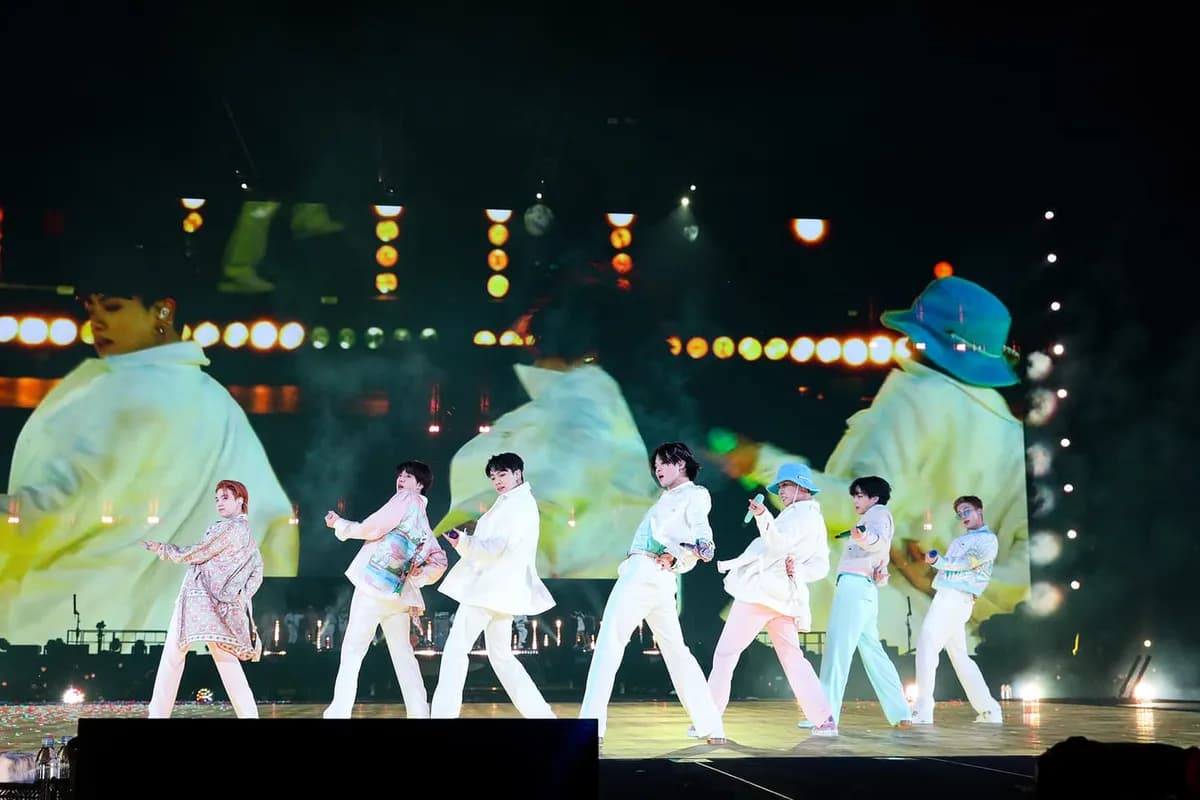
BTS Tops March Artist Brand Reputation Rankings with First Full Group Comeback in 4 Years
BTS ranked first in the Korean Corporate Reputation Research Institute's March Artist Brand Reputation Rankings based on 99 million data points.

Santo Domingo's Malecón Sports Park Construction Progressing Smoothly
Construction of a soccer field and skate park is progressing smoothly in the Malecón area of Santo Domingo, Dominican Republic.

Pogačar Overcomes Crash to Win Milano-Sanremo, Achieves Four Monument Victories
Tadej Pogačar defeated Tom Pidcock to win Milano-Sanremo, achieving his fourth Monument victory.