Seven Former NASA Science Chiefs Warn Against Trump Administration's 47% Budget Cut
Letter to Congress Expresses Concerns Over 'Collapse of U.S. Space Science Leadership'
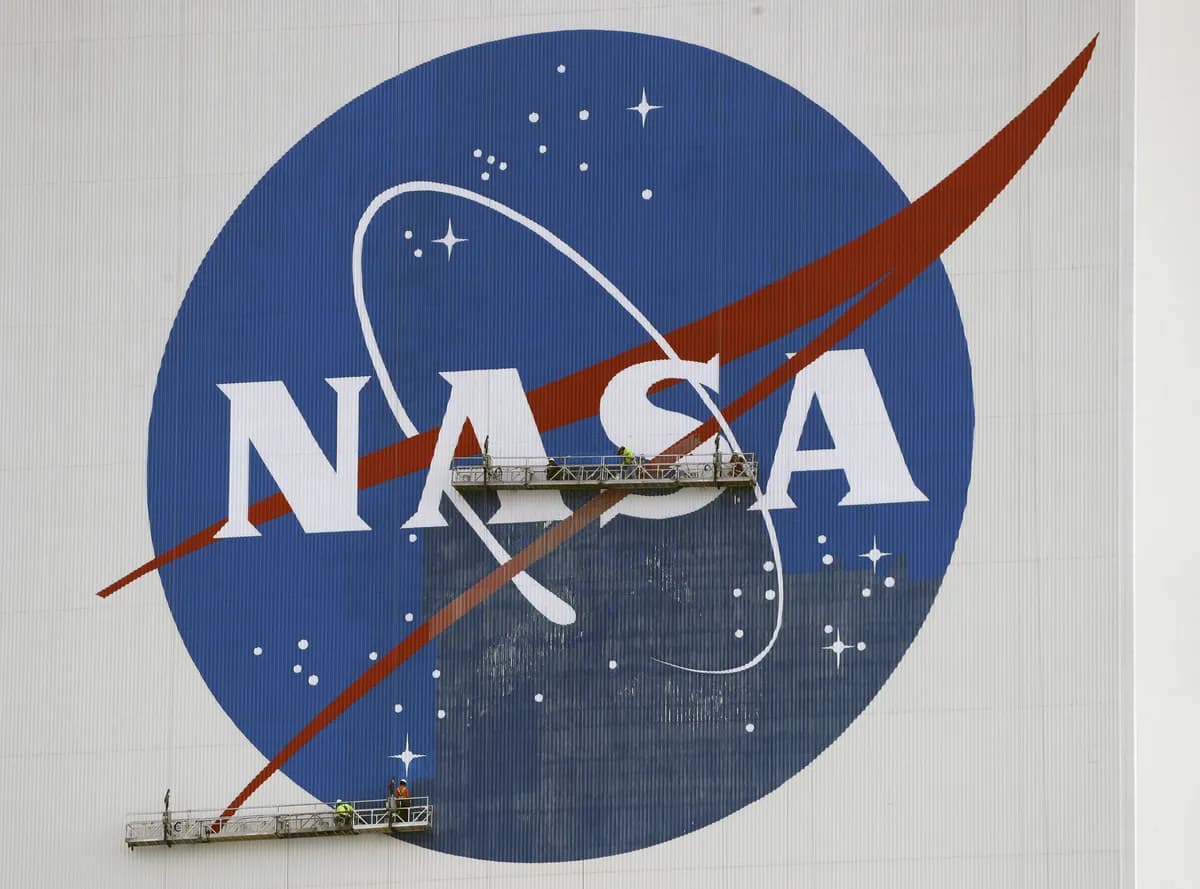
- •Seven former NASA Science Mission Directors submitted a letter to Congress opposing the Trump administration's plan to cut the 2026 science budget by 47%.
- •The Planetary Society launched the 'Save NASA Science' campaign, gathering 20,000 signatures from over 100 countries, forming global opposition.
- •Experts warned that these cuts could weaken U.S. space science leadership and cede strategic advantages to China.
Unprecedented Budget Cut Plan
Seven former NASA Science Mission Directors have come forward with strong criticism of the Trump administration's plan to slash NASA's 2026 science budget by 47%. John Grunsfeld, Alfonso Diaz, Leonard Fisk, Wesley Huntress, Alan Stern, Edward Weiler, and Thomas Zurbuchen—all former science chiefs—sent a joint letter to the U.S. Congress demanding the withdrawal of this plan.
They characterized the proposed cuts as 'unselective' measures, warning that this is a dangerous decision threatening the future of American space science. The letter urged maintaining 2025 funding levels, emphasizing that such cuts would result in irreversible consequences for U.S. space science.
Collective Pushback from the Scientific Community
The former directors' greatest concerns include the cancellation of dozens of ongoing or planned missions, the dismantling of world-class research and engineering teams, and the waste of billions of dollars already invested. They particularly emphasized that NASA's science programs account for only 3% of the total budget, arguing that investment in this area is essential for maintaining U.S. economic and technological superiority.
The Planetary Society also characterized this plan as a 'scientific extinction event' and launched the "Save NASA Science" campaign. This campaign has gathered over 20,000 signatures from all 50 U.S. states and more than 100 countries, demonstrating global concern about NASA budget cuts.
Within Congress, a bipartisan group also sent an opposition letter, emphasizing that NASA's scientific achievements play a crucial role in building America's positive image. Lawmakers stated that space science symbolizes American excellence and that budget cuts are incompatible with national values.
Historical Achievements of NASA Science Programs
Representative projects born from NASA's science budget over the past decades have dramatically expanded humanity's understanding of the universe. The Hubble Space Telescope measured the age of the universe and confirmed the existence of dark energy, while the James Webb Space Telescope captured images of early galaxies from 13.7 billion years ago.
Mars rovers discovered evidence of past water on Mars, and the Parker Solar Probe became the first human-made object to directly observe the solar corona. These projects have gone beyond mere scientific discoveries to generate derivative technologies such as advanced materials, algorithms, and communication technologies that have been applied in industrial, medical, and communications fields.
Space Competition Dynamics with China
Former directors warned that budget cuts could lead to the loss of U.S. space science leadership. They particularly expressed concern about the possibility of China gaining dominance in this strategically important field.
Indeed, China has continued massive investments in space development in recent years. In 2024, Chang'e 6 became the first mission to retrieve samples from the far side of the Moon, and the Tiangong space station, scheduled for completion in 2025, will become a base for long-term space science experiments. NASA budget cuts could result in the U.S. falling behind in this competitive landscape.
Future Outlook [AI Analysis]
This budget cut proposal is likely to be significantly moderated during Congress's final approval process. The combination of bipartisan opposition and the scientific community's organized campaign creates substantial room for Congress to modify the administration's proposal. Historically, NASA budgets have shown considerable differences between administration proposals and congressional approvals.
However, some cuts may be inevitable, potentially leading to delays or reductions in specific missions. Long-term projects in particular are expected to be significantly affected by budget uncertainty. Ultimately, alternative funding methods such as strengthened partnerships with private space companies and expanded international collaborative projects are likely to become increasingly important.
댓글 (3)
댓글란이 과열되지 않았으면 합니다. 차분한 논의가 필요해요.
차분한 논의가 필요하다는 말에 공감합니다.
팩트에 기반한 냉정한 판단이 필요한 시점입니다.
More in Life

Beyond Vaccines: Refusal of Newborn Vitamin K Shots Spreads
NASA Restores Historic 80-Year-Old 'Hangar One' at Ames Research Center

NASA X-59 Supersonic Experimental Aircraft Completes Second Test Flight Successfully

Australian Researchers Develop World's First Quantum Battery Prototype

The Ocean Was the True Driver of 3 Million Years of Climate Change

Heat Waves to Cause 700,000 Premature Deaths by 2050… Climate Crisis Undermines Exercise Habits
Latest News

이스라엘, 헤즈볼라 무기 통로 레바논 다리 공습
이스라엘군, 헤즈볼라 무기 통로 레바논 다리 공습

중동행 전세기 전쟁보험료 최고 7천500만원
중동행 전세기 전쟁보험료가 최고 5만달러(7천500만원)로 상승

이란 탄도미사일, 이스라엘 방어망 뚫고 160명 부상
이란 탄도미사일이 이스라엘 방공망을 통과해 160명 부상

Middle East Conflict Drives Manufacturing Outlook to 10-Month Low
The Korea Institute for Industrial Economics & Trade survey shows April manufacturing outlook PSI plummeted to 88, falling below baseline for the first time in 10 months.

Lee Jae-myung Administration Excludes Multi-Home Officials from Real Estate Policymaking
President Lee Jae-myung has ordered the exclusion of multi-home owning public officials from all real estate policy processes.

Southeast Asia Growth Forecasts Cut Amid Oil Price Surge, Threatening Korean Exports
Maybank Research has downgraded ASEAN-6's 2026 growth forecast from 4.8% to 4.5%.

Volkswagen CEO Says Germany Should Learn from China's Industrial Strategy
Volkswagen CEO stated that Germany should learn from China's systematic industrial planning approach.

Reddit Considers Face ID to Block Bots While Maintaining Anonymity
Reddit is considering implementing biometric authentication systems such as Face ID and Touch ID to block AI bots while maintaining anonymity.