The Long Twilight of Central Bank Independence: What Trump's Fed Attack Means
Central bank independence, 'sacrosanct' since the 1990s, has returned to the political arena after the 2008 crisis

- •Trump demanded the dismissal of Fed Board member Lisa Cook, reigniting controversy over central bank independence.
- •From 1990 to 2008, during the globalization era, central banks operated without political controversy, but after the 2008 crisis they became politicized by exercising enormous powers.
- •Paradoxically, governments obsessed with fiscal austerity dumped all burdens on central banks, resulting in their independence becoming endangered.
Trump's Fed Attack Is Not Just a Passing Incident
President Donald Trump reignited controversy over central bank independence last week by demanding the dismissal of Federal Reserve Board member Lisa Cook. Trump, who has repeatedly called for Fed Chair Jerome Powell's removal since taking office, escalated his pressure on the Fed by directly targeting an individual board member.
The Financial Times and Bloomberg are warning of bond market instability, while the New York Times characterized this as another attack on a pillar of American democracy. However, central bank independence is not a principle that has always existed throughout history. Rather, it is a relatively recent phenomenon born out of specific political and economic conditions.
The Golden Age of Central Bank Independence: The NICE Era
From 1990 to 2008, during the peak of globalization, central bankers' jobs were relatively straightforward. Mervyn King, then Governor of the Bank of England, aptly captured this period with the acronym NICE (Non-Inflationary Consistent Expansion).
During this period, central banks were rarely in the political spotlight, and governments across countries observed an unwritten rule not to violate the 'sacrosanct' independence of central banks. Labor unions had already been defeated, and globalization ensured overall price stability. The central bank's primary objective of suppressing inflation could be achieved without much effort.
Central Banks in History: Faithful Assistants to Government
But central banks were not always independent. For most of history, central banks worked closely with governments, setting interest rates in ways that aligned with specific political party policy objectives.
During the postwar era of Keynesian dominance, central banks were largely subordinate to treasury departments. They supported government debt sales, coordinated with governments on interest rate settings, and generally complied with exchange rate adjustment pressures. Even the Federal Reserve, which regained legal independence in 1951, worked closely with government policy in practice.
This relationship ended in the 1970s. Central banks gradually became not only more conservative but also much more powerful and autonomous institutions. Many central banks were formally granted independence in the 1990s, but 'independence' was essentially based on political cooperation with governments and the premise of exercising broad authority during crises.
The 2008 Crisis Brought Central Banks to the Center of Politics
The scope of this authority expanded explosively after the 2008 financial crisis. Neoliberal governments obsessed with fiscal austerity left central banks as the primary 'firefighters.' Unprecedented policy tools such as quantitative easing, negative interest rates, and corporate bond purchases were deployed, leading central banks to intervene in the economy far more deeply than ever before.
The problem is that exercising such enormous power made central banks vulnerable to political backlash. They were no longer technocratic groups quietly managing prices as in the NICE era, but emerged as key policymakers affecting the entire economy.
The Crisis's Responsibility Lies with Neoliberal Governments
The current conflict between Trump and Cook is the latest episode in a crisis created by neoliberal governments. Having abandoned fiscal policy and dumped all burdens on central banks, central banks inevitably became politicized.
Ironically, those who most fervently championed central bank independence are the very ones who endangered that independence. By adhering to fiscal austerity while passing the impossible task of economic stabilization to central banks, they are now paying the political price.
Future Outlook [AI Analysis]
Tensions surrounding central bank independence are unlikely to be resolved in the short term. As long as fiscal policy does not function properly, central banks will continue to shoulder excessive roles, which will inevitably become subjects of political debate.
Trump's attack is not simply individual caprice, but the surfacing of contradictions structurally formed since 2008. Similar conflicts may occur in other countries in the future, which will require fundamental reconsideration of central banks' roles and scope of responsibility.
A return to the 1990s-style central bank independence model appears unrealistic. Instead, the challenge remains to find a new balance between fiscal and monetary policy.
댓글 (3)
The 문제는 양쪽 입장을 모두 들어봐야 할 것 같습니다.
이 사안은 신중하게 접근해야 한다고 봅니다.
중요한 포인트를 짚으셨네요.
More in Economy
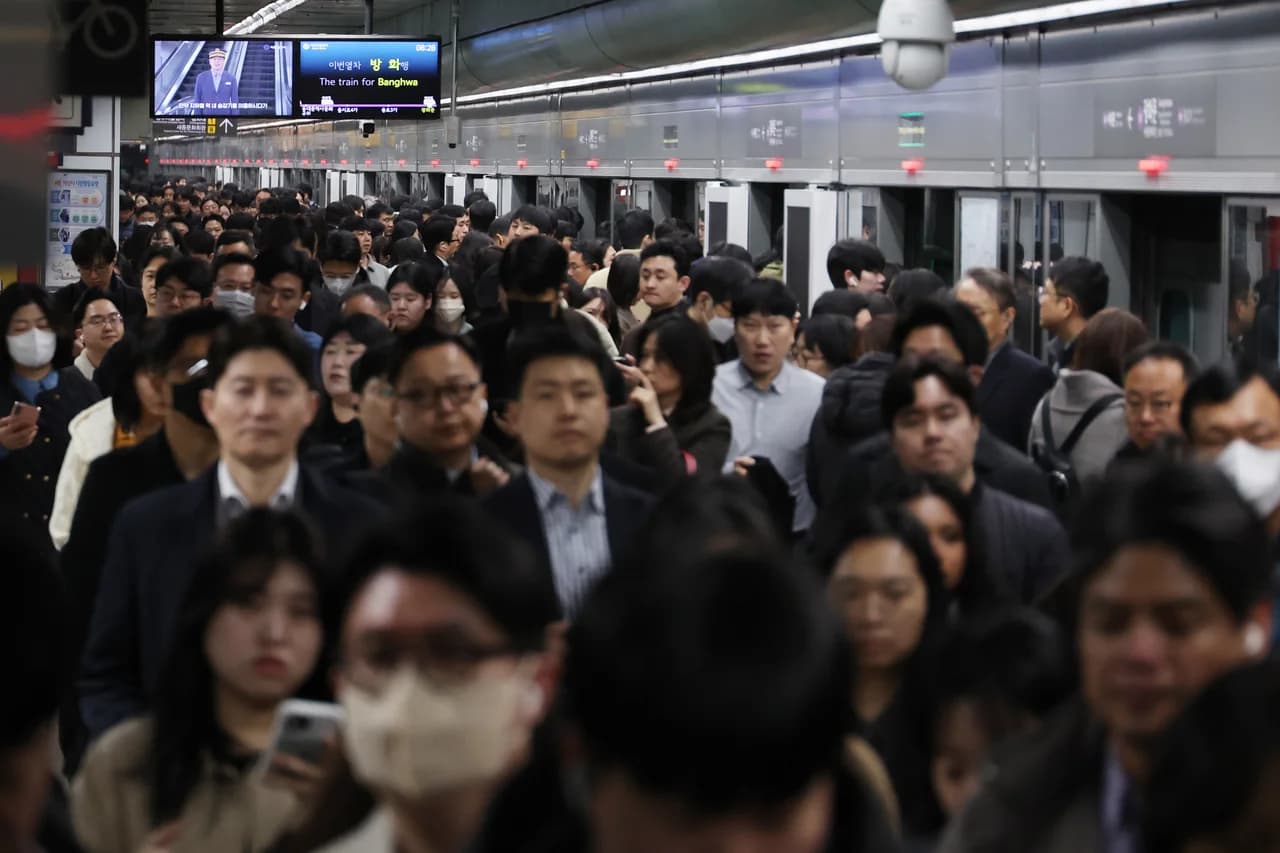
Middle East Conflict Drives Manufacturing Outlook to 10-Month Low

Lee Jae-myung Administration Excludes Multi-Home Officials from Real Estate Policymaking

Volkswagen CEO Says Germany Should Learn from China's Industrial Strategy

Russia Anticipates Economic Gains from US-Iran Conflict
U.S. Federal Reserve Unveils Bank Capital Regulation Modernization Plan
Federal Reserve Announces Enforcement Actions Against Two Former Bank Employees
Latest News

이스라엘, 헤즈볼라 무기 통로 레바논 다리 공습
이스라엘군, 헤즈볼라 무기 통로 레바논 다리 공습

중동행 전세기 전쟁보험료 최고 7천500만원
중동행 전세기 전쟁보험료가 최고 5만달러(7천500만원)로 상승

이란 탄도미사일, 이스라엘 방어망 뚫고 160명 부상
이란 탄도미사일이 이스라엘 방공망을 통과해 160명 부상

Southeast Asia Growth Forecasts Cut Amid Oil Price Surge, Threatening Korean Exports
Maybank Research has downgraded ASEAN-6's 2026 growth forecast from 4.8% to 4.5%.

Reddit Considers Face ID to Block Bots While Maintaining Anonymity
Reddit is considering implementing biometric authentication systems such as Face ID and Touch ID to block AI bots while maintaining anonymity.
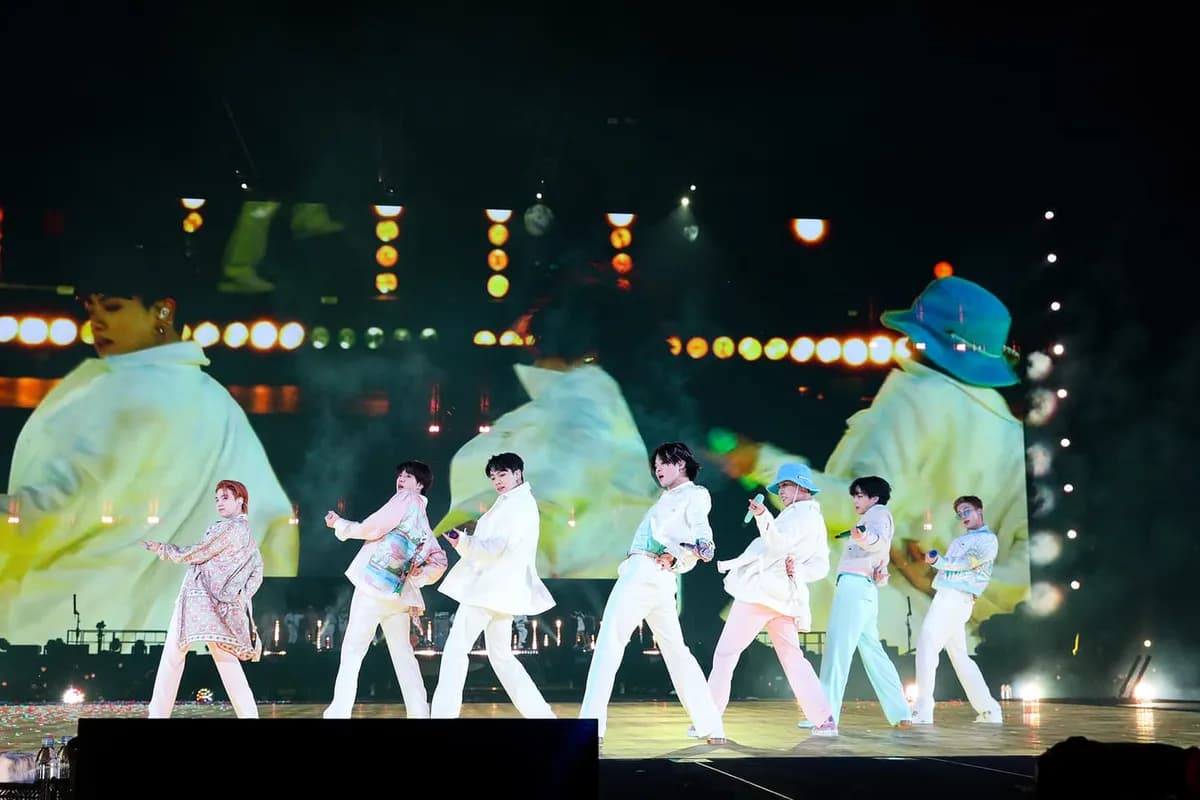
BTS Tops March Artist Brand Reputation Rankings with First Full Group Comeback in 4 Years
BTS ranked first in the Korean Corporate Reputation Research Institute's March Artist Brand Reputation Rankings based on 99 million data points.

Santo Domingo's Malecón Sports Park Construction Progressing Smoothly
Construction of a soccer field and skate park is progressing smoothly in the Malecón area of Santo Domingo, Dominican Republic.

Pogačar Overcomes Crash to Win Milano-Sanremo, Achieves Four Monument Victories
Tadej Pogačar defeated Tom Pidcock to win Milano-Sanremo, achieving his fourth Monument victory.