Market Crash and the Return of Trade War: Trump's New Tariff Threats
10% Additional Tariffs Announced for BRICS Nations Including Brazil and China, with Korea and Japan Facing 25% Hit
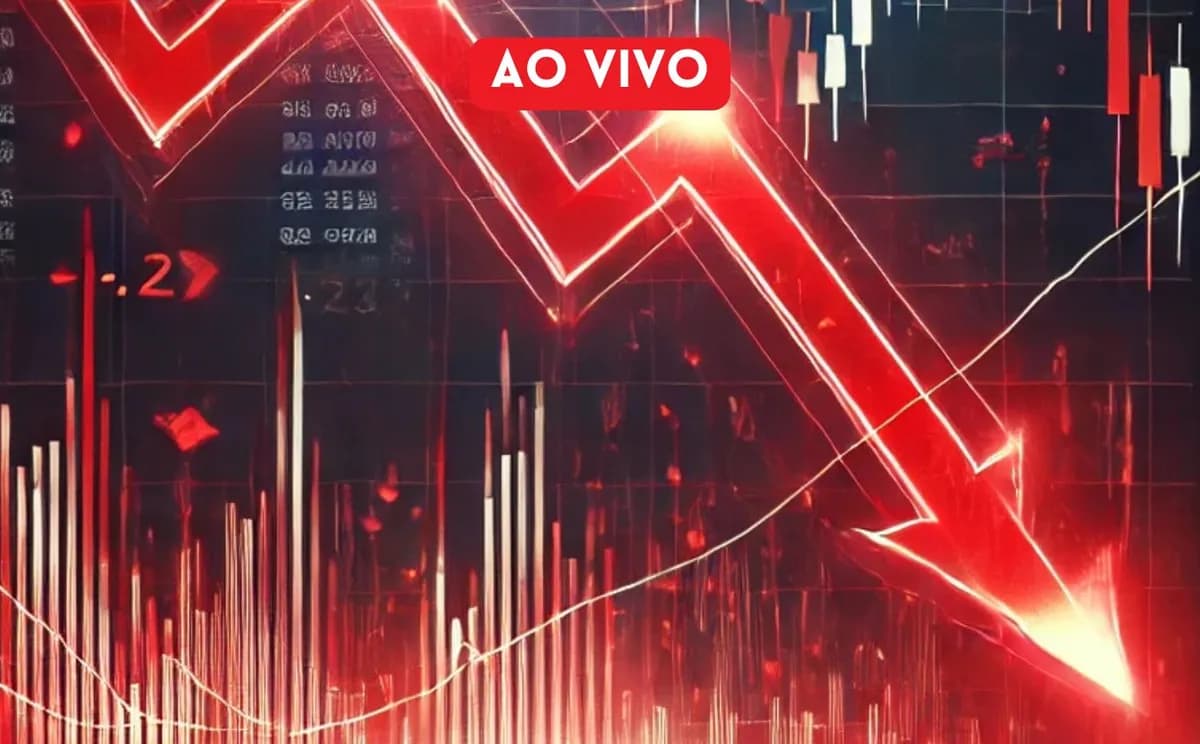
- •Trump announced 25% tariffs on Korea and Japan and an additional 10% on BRICS nations, triggering simultaneous declines across global markets.
- •Brazil's Bovespa index crashed 1.26%, while major U.S. indices also fell approximately 1%, reigniting trade war concerns.
- •China and Brazil responded strongly to the tariff threats, raising the possibility of coordinated responses from BRICS nations going forward.
Global Markets Plunge in Unison
Brazil's Bovespa index plummeted 1.26% on July 7 (local time) to close at 139,489.70 points compared to the previous session. This marks the steepest single-session decline since May 21 (-1.59%). The real also weakened by 0.99% to 5.478 per dollar, while futures interest rates rose across all maturities.
U.S. markets also suffered losses of approximately 1% across major indices on their first trading day back from the Independence Day holiday. European markets showed mixed trading without clear direction, though concerns continue to spread.
Trump's Tariff Offensive Returns
At the center of this turmoil, once again, is Donald Trump. The Trump administration announced it would impose 25% tariffs on imports from Japan and South Korea starting next month. Trade-related letters were simultaneously dispatched to 12 other countries.
The bigger shock came from statements directed at BRICS nations. Trump threatened to impose an additional 10% tariff on BRICS countries, citing "anti-American policies" as justification. Specific policy details were not disclosed.
BRICS Nations Respond
The Brazilian government interpreted Trump's threats as "evidence proving the importance of the BRICS bloc." China took an even firmer stance. The Chinese government clearly stated its opposition to using tariffs as a coercive tool.
U.S. Treasury Secretary Scott Bessent expressed optimism, indicating that "several" announcements would be made within the next 48 hours targeting 18 priority negotiation countries. However, markets did not receive this positively.
Brazil's Domestic Indicators Were Positive, But...
Ironically, Brazil's economic indicators were strong. The June IGP-DI (General Price Index) recorded deflation of -1.80% month-over-month, an improvement from May's -0.85%.
The Focus Bulletin survey also provided relief as inflation forecasts were revised downward for the sixth consecutive week.
However, global uncertainty completely erased these positive signals. Risk aversion surged, ultimately causing the Bovespa to collapse.
Key Stock Movements
Vale (VALE3) fell 1.47%. Declining iron ore prices also served as a negative factor. Petrobras and major banking stocks declined in tandem.
Meat processing companies, however, were an exception. Related stocks gained strength after China lifted import restrictions on Brazilian beef.
The Beginning of Trade War 2.0 [AI Analysis]
This situation resembles a déjà vu of the 2018-2019 U.S.-China trade war. However, the key difference is that the scope of attack is much broader. While China was the primary target then, this round encompasses everyone from allied nations like South Korea and Japan to the emerging nation bloc of BRICS.
Historically, trade wars have increased market volatility in the short term but triggered supply chain restructuring over the long term. A representative example is the "China Plus One" strategy adopted by multinational corporations after 2019, relocating production bases to Vietnam, India, and elsewhere.
Looking at future prospects, the Trump administration's tariff policies are highly likely to materialize. The announcement of additional measures within 48 hours supports this view. However, the postponement of actual tariff implementation to August can be interpreted as leaving room for negotiation.
The possibility of coordinated responses from BRICS nations also warrants attention. China's hardline reaction and Brazil's "strengthening bloc unity" remarks could serve as collective pressure tactics against the United States.
In the short term, volatile market conditions are expected to persist. Investors should closely monitor progress in tariff negotiations and response policies from each government.
댓글 (2)
이 사안은 신중하게 접근해야 한다고 봅니다.
Crash 문제는 양쪽 입장을 모두 들어봐야 할 것 같습니다.
More in Economy
Middle East Conflict Drives Manufacturing Outlook to 10-Month Low

Lee Jae-myung Administration Excludes Multi-Home Officials from Real Estate Policymaking

Volkswagen CEO Says Germany Should Learn from China's Industrial Strategy

Russia Anticipates Economic Gains from US-Iran Conflict
U.S. Federal Reserve Unveils Bank Capital Regulation Modernization Plan
Federal Reserve Announces Enforcement Actions Against Two Former Bank Employees
Latest News
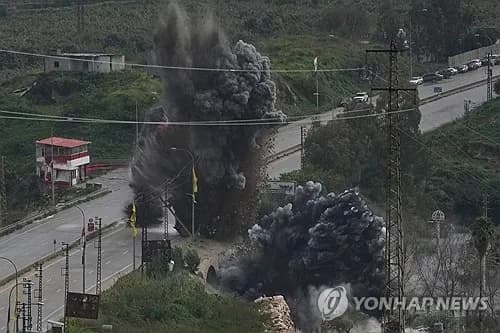
이스라엘, 헤즈볼라 무기 통로 레바논 다리 공습
이스라엘군, 헤즈볼라 무기 통로 레바논 다리 공습
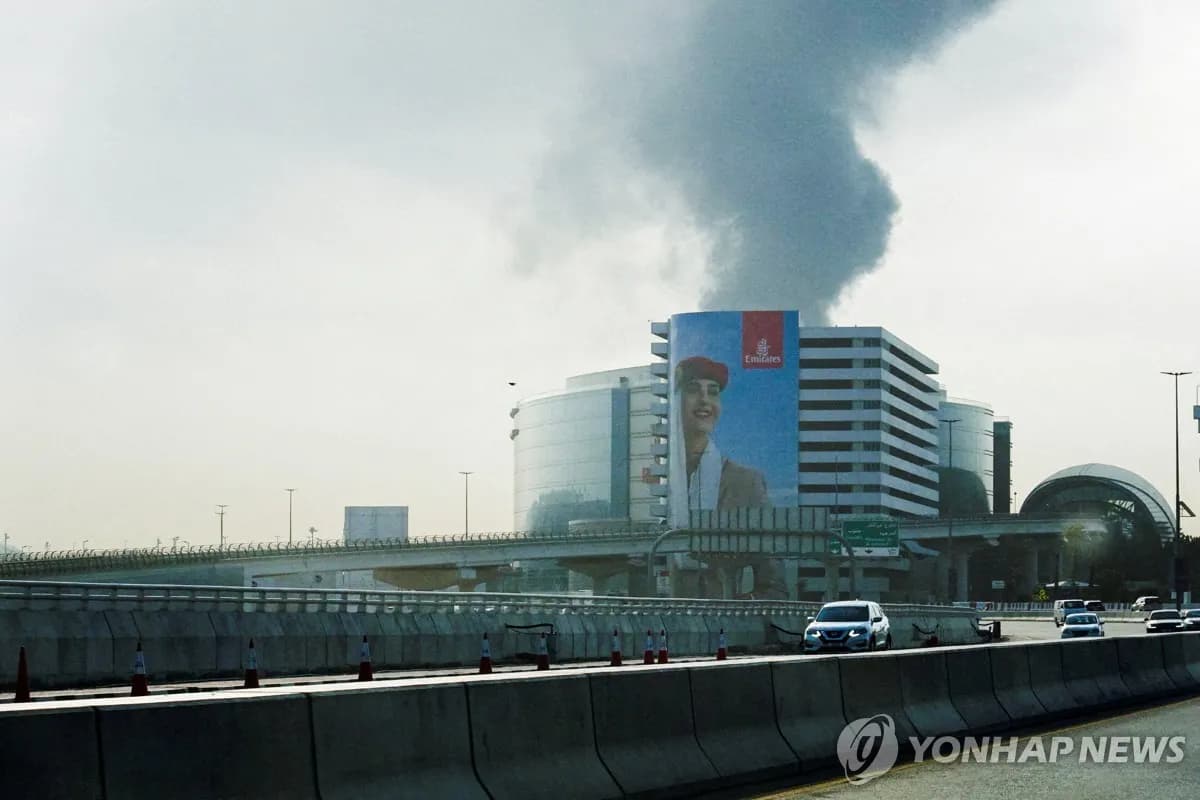
중동행 전세기 전쟁보험료 최고 7천500만원
중동행 전세기 전쟁보험료가 최고 5만달러(7천500만원)로 상승
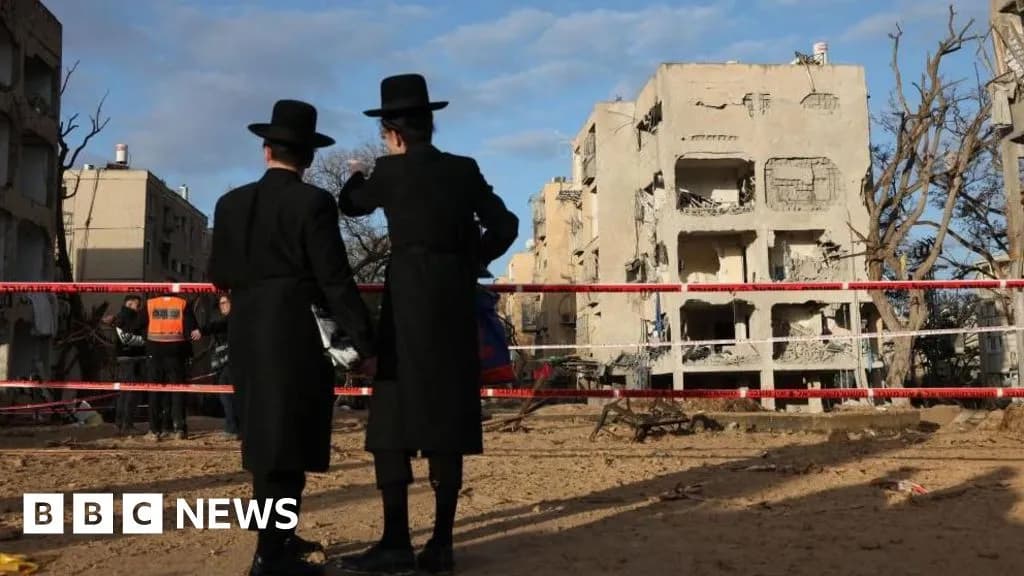
이란 탄도미사일, 이스라엘 방어망 뚫고 160명 부상
이란 탄도미사일이 이스라엘 방공망을 통과해 160명 부상

Southeast Asia Growth Forecasts Cut Amid Oil Price Surge, Threatening Korean Exports
Maybank Research has downgraded ASEAN-6's 2026 growth forecast from 4.8% to 4.5%.

Reddit Considers Face ID to Block Bots While Maintaining Anonymity
Reddit is considering implementing biometric authentication systems such as Face ID and Touch ID to block AI bots while maintaining anonymity.
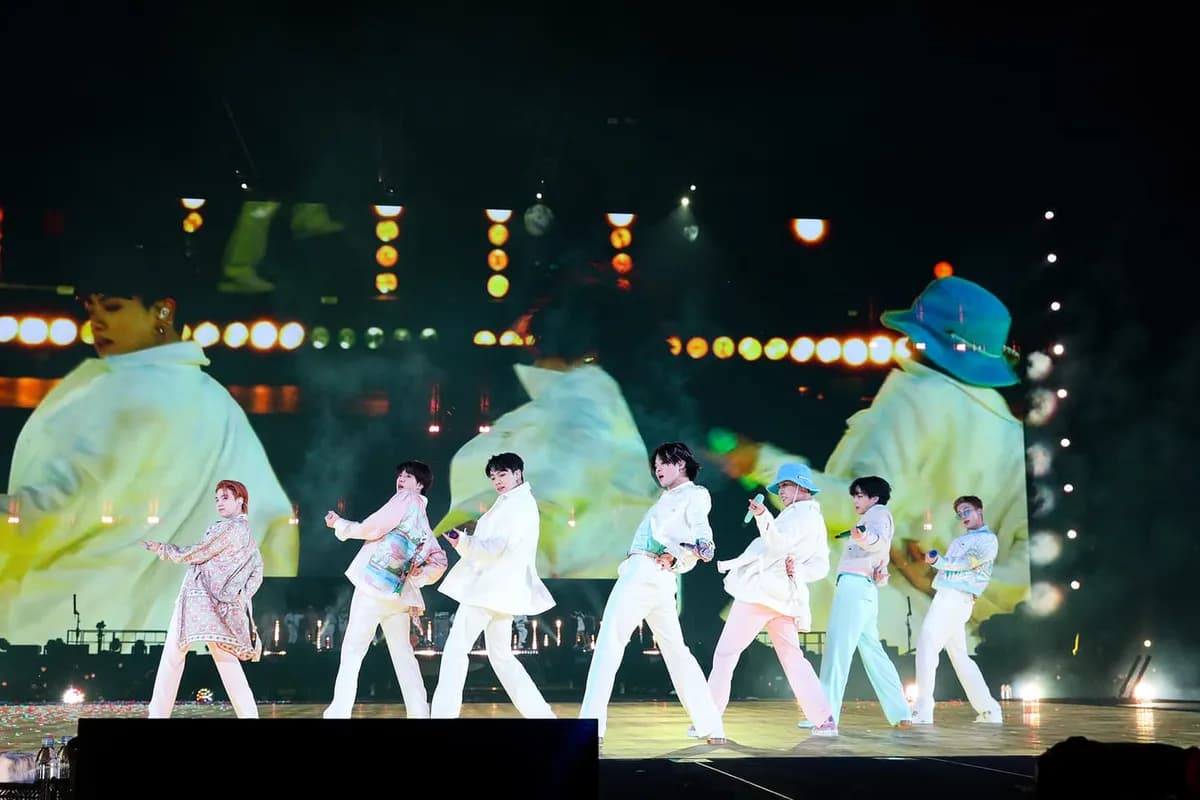
BTS Tops March Artist Brand Reputation Rankings with First Full Group Comeback in 4 Years
BTS ranked first in the Korean Corporate Reputation Research Institute's March Artist Brand Reputation Rankings based on 99 million data points.

Santo Domingo's Malecón Sports Park Construction Progressing Smoothly
Construction of a soccer field and skate park is progressing smoothly in the Malecón area of Santo Domingo, Dominican Republic.
Pogačar Overcomes Crash to Win Milano-Sanremo, Achieves Four Monument Victories
Tadej Pogačar defeated Tom Pidcock to win Milano-Sanremo, achieving his fourth Monument victory.