Europe Defenseless Against Trump's Tariff Pressure, Strategic Autonomy Urgently Needed
Dependent on US for Both Security and Economy... Agricultural Regulations and Carbon Tax Weaken Negotiating Power
- •Europe has lost negotiating power due to dependence on the US for both security and economy in face of Trump's tariff threats
- •EU's GMO ban and carbon tax environmental regulations act as trade barriers, weakening negotiations
- •Experts propose genuine single market, capital markets union, and security autonomy as solutions
Europe Reduced to 'Bystander' at Negotiation Table Under US Pressure
Analysis suggests the European Union (EU) is effectively defenseless against US President Donald Trump's tariff threats. The provisional agreement reached between the US and EU in late July revealed the reality that Europe's dependence on the United States for both security and economy has left it with extremely weak negotiating power.
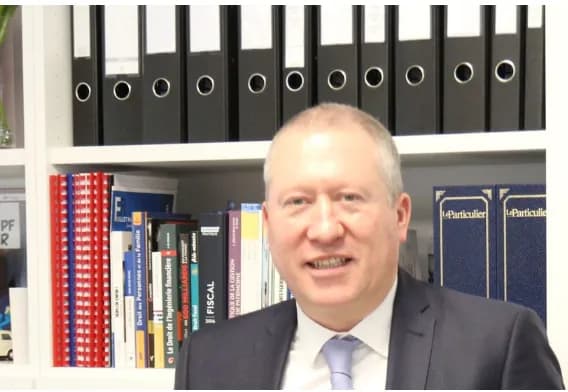
Patrick Gautier, Paris branch manager at French investment firm Valoria Capital, pointed out in a recent market analysis report that "Europe sits at the negotiating table but has virtually no influence." He criticized the limitations of European diplomacy, stating, "Political leaders who have centralized power like Putin, Netanyahu, Erdogan, and Trump pay no attention whatsoever to European recommendations."
Security Dependence Directly Weakens Economic Negotiating Power
The reason Europe is vulnerable to US pressure is clear: it is completely powerless militarily and has almost no economic countermeasures.
Gautier emphasized that "Europe's vision of a nuclear-free zone is only a dream possible under the US protective umbrella" and "diplomacy is effective only when backed by credible military power." The structure of depending on the US for security makes Europe vulnerable to coercion in trade negotiations as well.
Trump has been pressuring the EU by citing Taxonomy regulations, supply chain due diligence laws, GMO (genetically modified organism) import bans, carbon taxes, and the Carbon Border Adjustment Mechanism (CBAM) as barriers blocking EU market access. While these regulations are perceived within the EU as environmental and consumer protection policies, from the US perspective they are clear trade barriers.
GMO Ban Policy Sparks Controversy Over Developing Countries' Food Security
The EU's GMO import ban policy is particularly controversial. The report states that "34 Nobel Prize laureates are calling for the EU to change its position" and "not a single documented case of harm from GMOs exists."
The British economic magazine The Economist pointed out the hypocrisy of EU policy, noting that "Europe asks whether GMOs are dangerous, while developing countries respond that 'without GMOs, we will starve to death.'"
Two-Way Zero Tariffs Best Solution, But Reality is 'Mutual Retaliation'
Gautier stated that "applying zero tariffs on both sides would have been a better solution, but this requires courage and a clear strategic vision." The tariff mechanism ultimately agreed upon is structured to harm both sides.
He emphasized that Trump "has torn apart Europe's illusions" and "Europe must now face reality."
Direction Europe Must Take [AI Analysis]
The report presented five tasks for Europe to gain independent negotiating power:
1. Build a Genuine Single Market
Internal market integration is assessed as still incomplete.
2. Realize Capital Markets Union
Financial market integration is needed to increase investment efficiency.
3. Realistic Immigration Policy
A pragmatic approach is necessary to address labor shortages.
4. Practical Adjustment of Sustainability Standards
Environmental regulations need to be reviewed to ensure they don't function as trade barriers.
5. Secure Autonomy in Security Policy
Europe must develop independent defense capabilities and break free from US dependence.
Gautier diagnosed that "only when these changes occur can Europe occupy an independent position between the US and China rather than being a target of coercion" and "Europe today is swaying without the counterweight of negotiating power."
Whether Europe secures strategic autonomy is likely to become a key variable in the future restructuring of the global trade order. Without a comprehensive strategy encompassing both security and economy, its position between the US and China is expected to narrow further.
댓글 (2)
이 문제의 본질이 무엇인지 깊이 생각해볼 필요가 있습니다.
댓글란이 과열되지 않았으면 합니다. 차분한 논의가 필요해요.
More in Economy
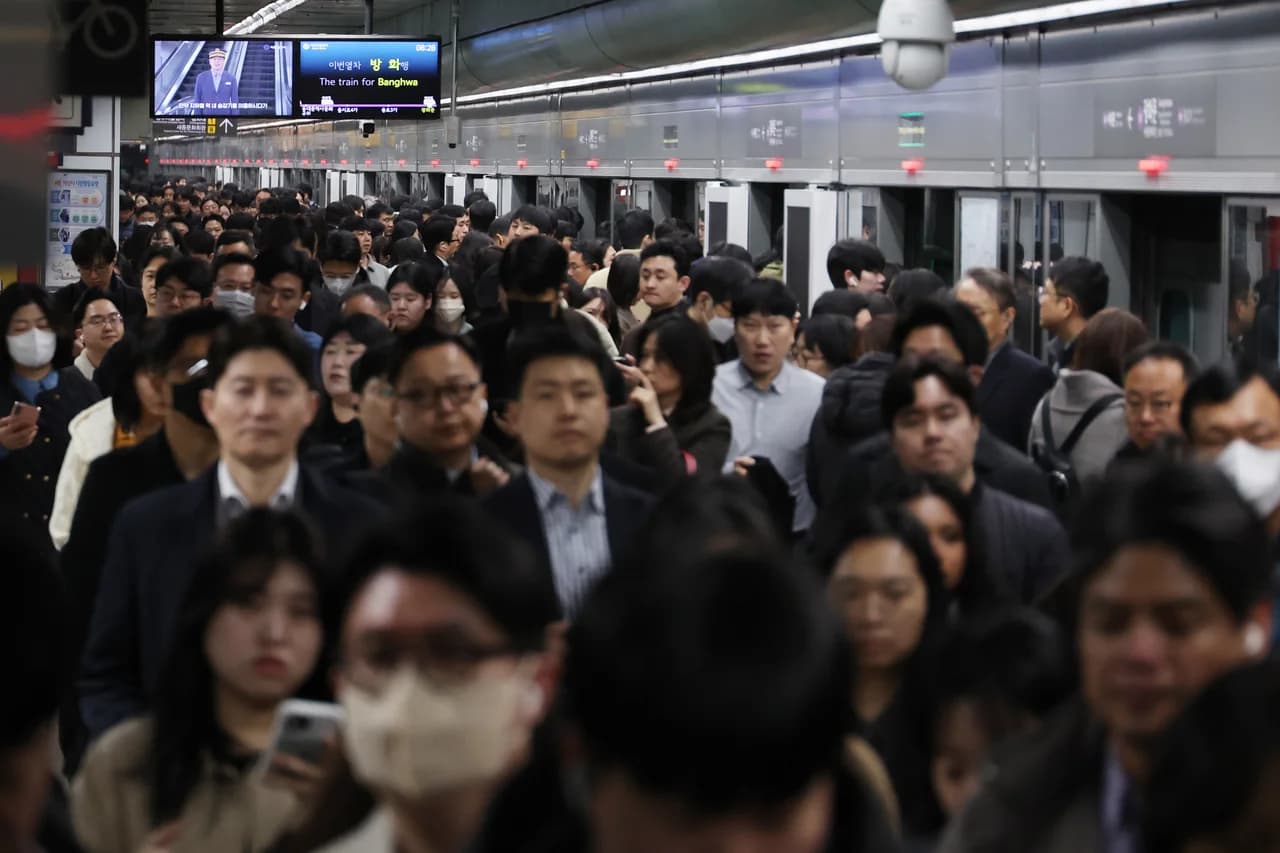
Middle East Conflict Drives Manufacturing Outlook to 10-Month Low
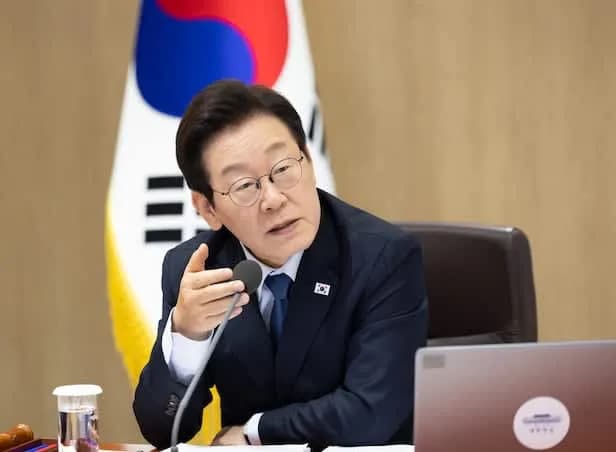
Lee Jae-myung Administration Excludes Multi-Home Officials from Real Estate Policymaking
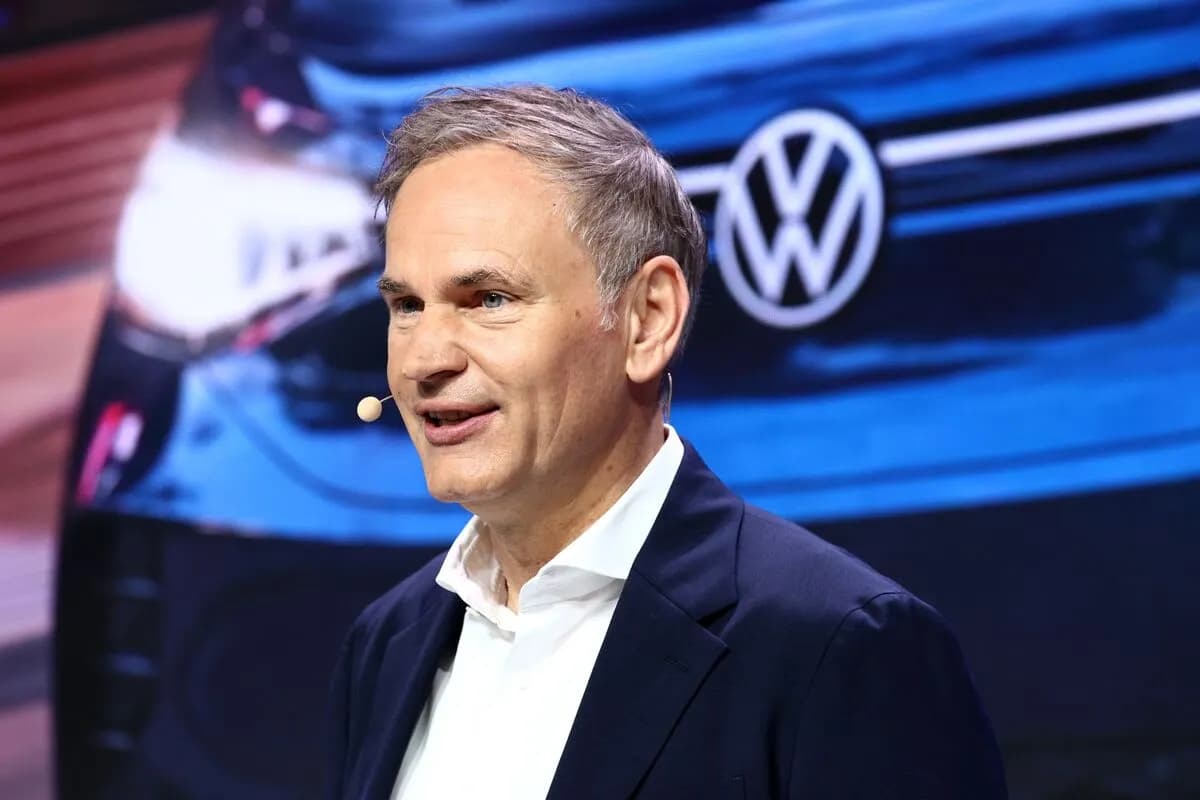
Volkswagen CEO Says Germany Should Learn from China's Industrial Strategy

Russia Anticipates Economic Gains from US-Iran Conflict
U.S. Federal Reserve Unveils Bank Capital Regulation Modernization Plan
Federal Reserve Announces Enforcement Actions Against Two Former Bank Employees
Latest News
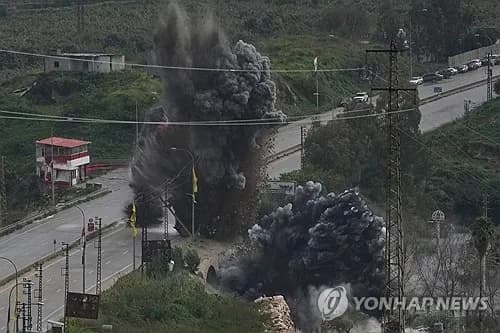
이스라엘, 헤즈볼라 무기 통로 레바논 다리 공습
이스라엘군, 헤즈볼라 무기 통로 레바논 다리 공습
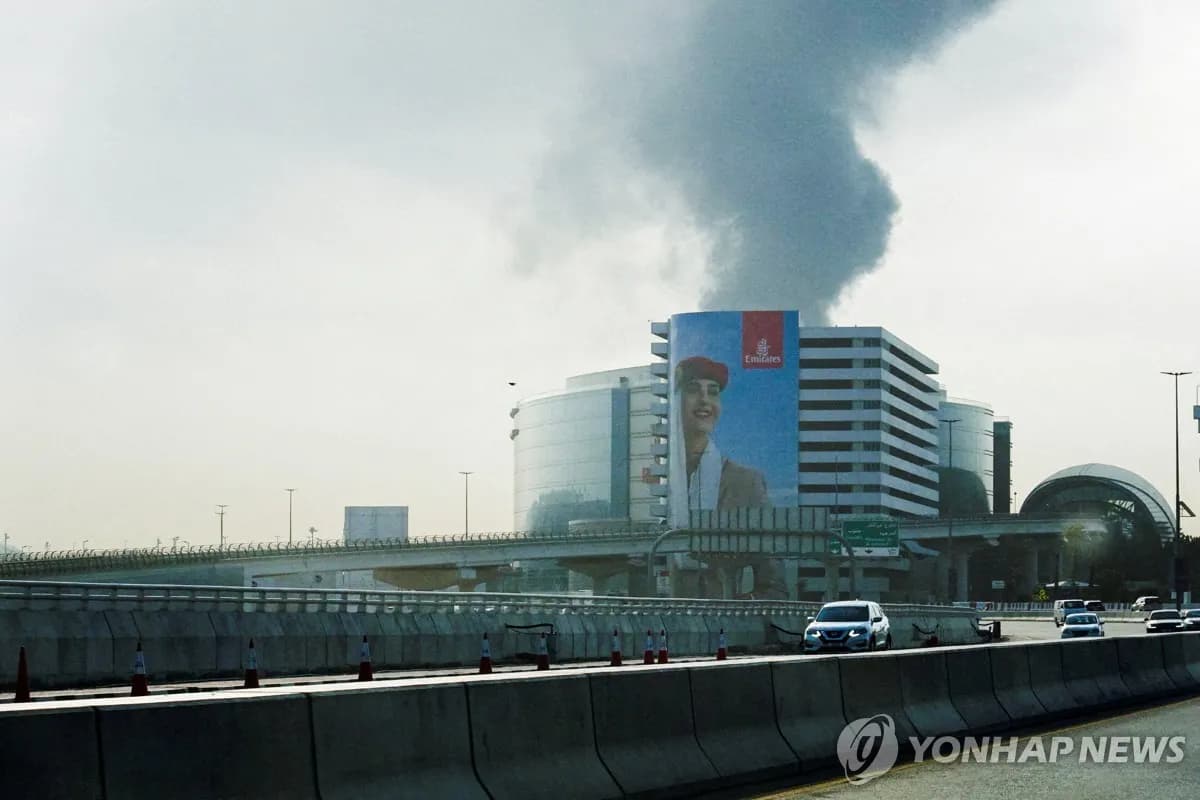
중동행 전세기 전쟁보험료 최고 7천500만원
중동행 전세기 전쟁보험료가 최고 5만달러(7천500만원)로 상승
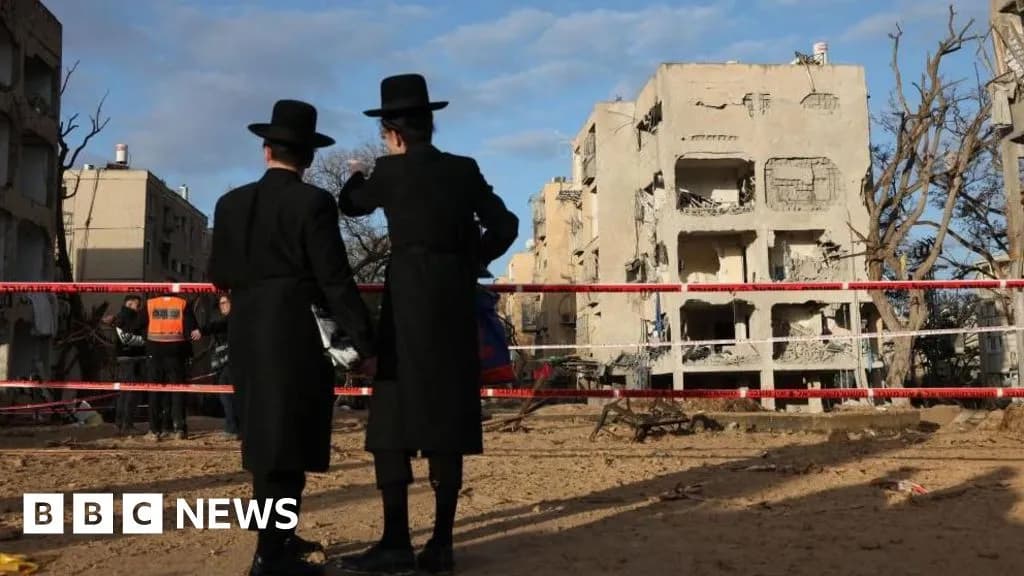
이란 탄도미사일, 이스라엘 방어망 뚫고 160명 부상
이란 탄도미사일이 이스라엘 방공망을 통과해 160명 부상

Southeast Asia Growth Forecasts Cut Amid Oil Price Surge, Threatening Korean Exports
Maybank Research has downgraded ASEAN-6's 2026 growth forecast from 4.8% to 4.5%.
Reddit Considers Face ID to Block Bots While Maintaining Anonymity
Reddit is considering implementing biometric authentication systems such as Face ID and Touch ID to block AI bots while maintaining anonymity.
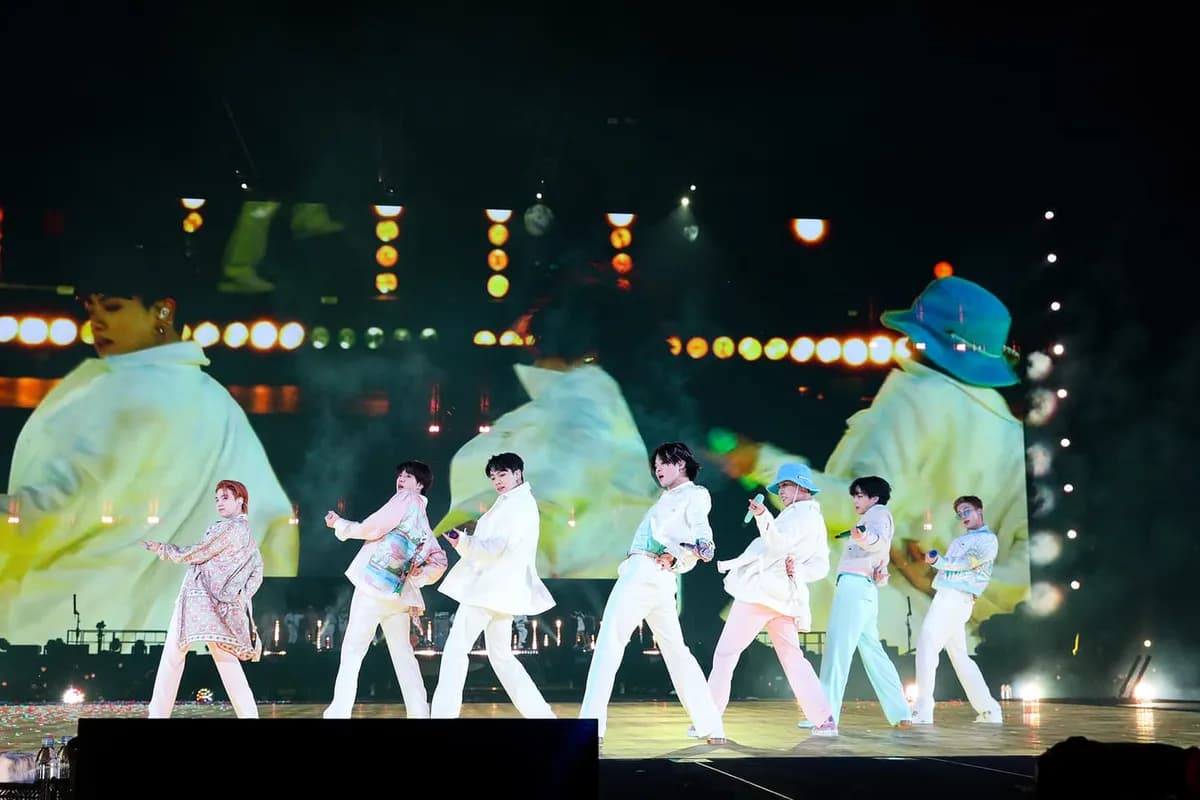
BTS Tops March Artist Brand Reputation Rankings with First Full Group Comeback in 4 Years
BTS ranked first in the Korean Corporate Reputation Research Institute's March Artist Brand Reputation Rankings based on 99 million data points.
Santo Domingo's Malecón Sports Park Construction Progressing Smoothly
Construction of a soccer field and skate park is progressing smoothly in the Malecón area of Santo Domingo, Dominican Republic.
Pogačar Overcomes Crash to Win Milano-Sanremo, Achieves Four Monument Victories
Tadej Pogačar defeated Tom Pidcock to win Milano-Sanremo, achieving his fourth Monument victory.