Trump Reaches 15% Tariff Agreement with South Korea, $350B US Investment Pledged
Following Japan, South Korea avoids 25% tariff crisis while protecting rice and beef market red lines

- •The Trump administration has agreed to impose a 15% tariff on South Korean imports, while South Korea pledged $350 billion in US investments.
- •Automobiles and semiconductors will face 15% tariffs, and steel and aluminum will face 50% tariffs, but South Korea avoided additional opening of rice and beef markets.
- •Of the investment, $150 billion will support the US shipbuilding industry, with the remainder allocated to expanding automobile and semiconductor production facilities.
US-South Korea Tariff Negotiations Concluded
US President Donald Trump announced a trade agreement imposing a 15% tariff on South Korean imports. The agreement was reached dramatically one day before the August 1 deadline. South Korea initially faced the risk of a 25% tariff if negotiations failed, but following Japan's securing of a 15% rate last week, South Korea achieved a similar agreement.
The deal includes a $350 billion investment plan in the United States. This comes as South Korea recorded a trade surplus with the US of at least $56 billion last year, and the South Korean government views this as a diplomatic achievement.
Tariff Rate Details
The 15% tariff applies to South Korea's major exports including automobiles and semiconductors. However, steel and aluminum will be subject to a 50% tariff rate according to standards set globally by the Trump administration.
Lee Jae-myung, South Korea's representative, assessed that this agreement placed South Korea in an equal or better position compared to other countries. He particularly emphasized success in rejecting demands for additional market opening for rice and beef, which were set as red lines.
South Korea has strictly controlled imports of US agricultural products to protect its domestic agriculture. By maintaining this principle in these negotiations, the government was able to avoid backlash from farmers who were preparing protests over concerns about additional market opening.
$350 Billion Investment Structure
Of the agreed investment, $150 billion will be allocated to shipbuilding. This plan to support US warship construction is a core South Korean strategy. As the world's second-largest shipbuilding nation after China, South Korea aims to both help strengthen the declining US shipbuilding industry and naval power while expanding its own industry.
A significant portion of the remaining investment appears to be funds promised during the Biden administration but not yet executed. This money will be used to build automobile, semiconductor, and electric vehicle battery production facilities within the United States.
US-South Korea Alliance and Future Challenges
This trade agreement was conducted separately from the US-South Korea military alliance or defense cost-sharing issues. President Trump has previously threatened to withdraw US troops from South Korea if the country did not increase its defense cost contributions. While South Korea's negotiating team tried to resolve this issue alongside tariff negotiations, they focused only on trade issues this time.
With continued threats from North Korea, the cost of stationing US troops in South Korea remains a challenge for the South Korean government. Separate negotiations are expected to be necessary in the future.
Future Outlook [AI Analysis]
While this agreement allowed South Korea to avoid the worst-case scenario of 25% tariffs in the short term, the 15% tariff still represents a significant burden for export companies. The automotive and semiconductor industries in particular are concerned about declining price competitiveness.
The $350 billion investment pledge is likely to accelerate the expansion of production bases within the United States. This could serve as an opportunity to reorganize South Korean companies' overseas expansion strategies. However, since some of the investment represents repackaging of existing commitments, careful analysis of the actual new investment scale is needed.
The remaining US-South Korea defense cost-sharing negotiations are also a variable. Given the Trump administration's characteristic of 'transactional diplomacy,' there may be additional pressure for economic concessions in defense negotiations. The South Korean government requires a strategy that separates trade and security while managing both issues in an integrated manner.
댓글 (3)
Trump 관련 기사 잘 읽었습니다. 유익한 정보네요.
Reaches에 대해 더 알고 싶어졌습니다. 후속 기사 부탁드립니다.
간결하면서도 핵심을 잘 정리한 기사네요.
More in Economy
Middle East Conflict Drives Manufacturing Outlook to 10-Month Low
Lee Jae-myung Administration Excludes Multi-Home Officials from Real Estate Policymaking
Volkswagen CEO Says Germany Should Learn from China's Industrial Strategy

Russia Anticipates Economic Gains from US-Iran Conflict
U.S. Federal Reserve Unveils Bank Capital Regulation Modernization Plan
Federal Reserve Announces Enforcement Actions Against Two Former Bank Employees
Latest News
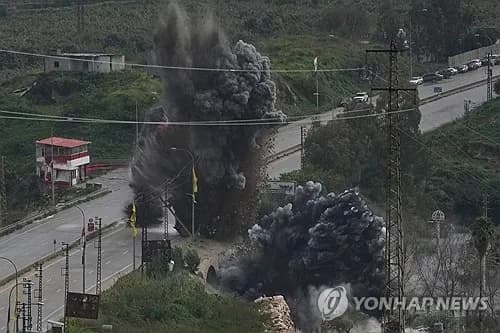
이스라엘, 헤즈볼라 무기 통로 레바논 다리 공습
이스라엘군, 헤즈볼라 무기 통로 레바논 다리 공습
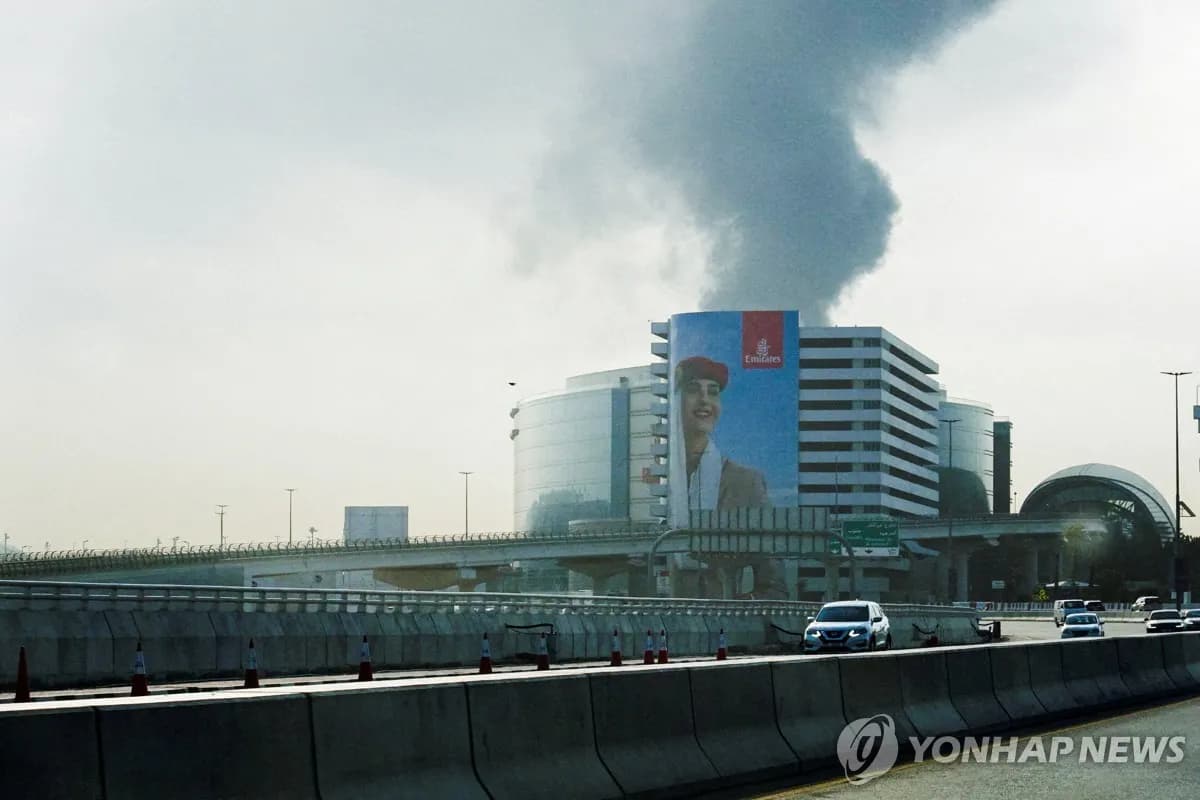
중동행 전세기 전쟁보험료 최고 7천500만원
중동행 전세기 전쟁보험료가 최고 5만달러(7천500만원)로 상승
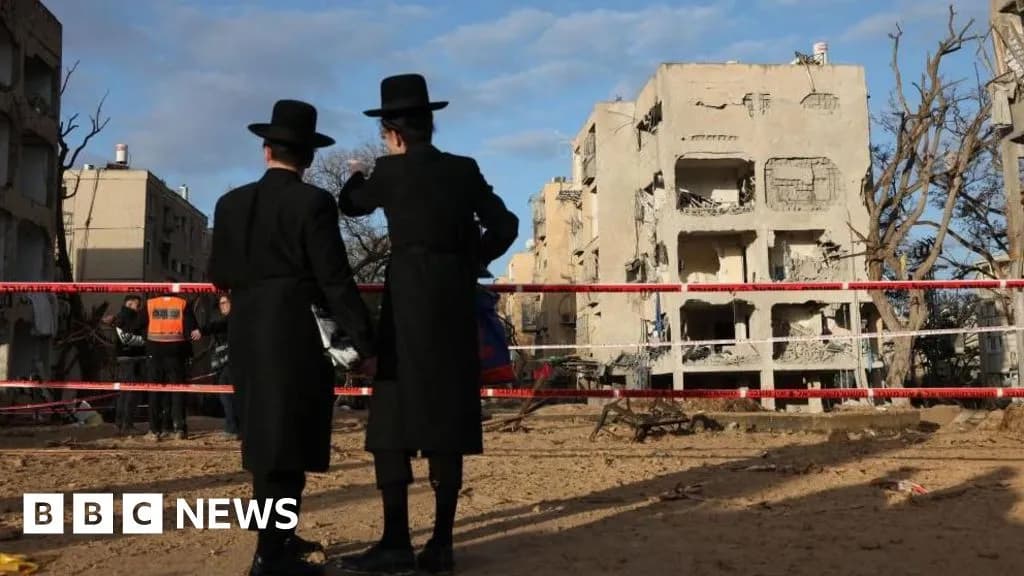
이란 탄도미사일, 이스라엘 방어망 뚫고 160명 부상
이란 탄도미사일이 이스라엘 방공망을 통과해 160명 부상

Southeast Asia Growth Forecasts Cut Amid Oil Price Surge, Threatening Korean Exports
Maybank Research has downgraded ASEAN-6's 2026 growth forecast from 4.8% to 4.5%.

Reddit Considers Face ID to Block Bots While Maintaining Anonymity
Reddit is considering implementing biometric authentication systems such as Face ID and Touch ID to block AI bots while maintaining anonymity.
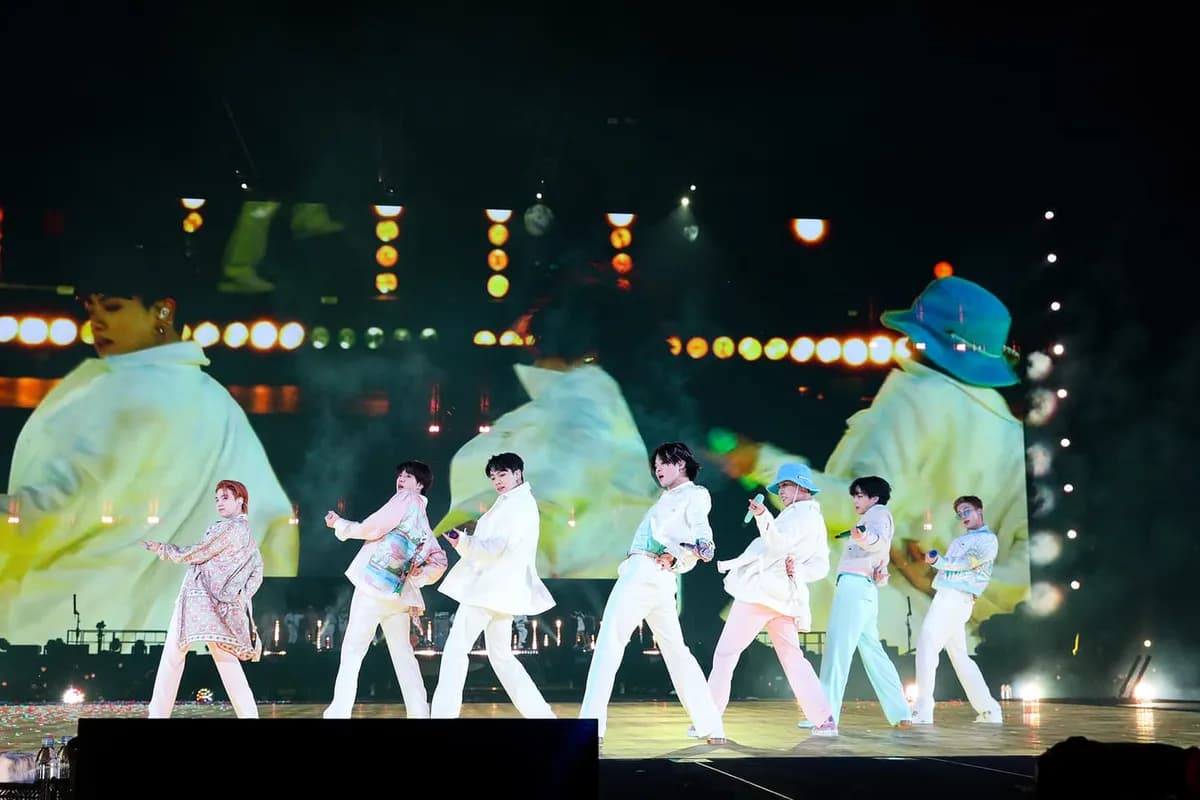
BTS Tops March Artist Brand Reputation Rankings with First Full Group Comeback in 4 Years
BTS ranked first in the Korean Corporate Reputation Research Institute's March Artist Brand Reputation Rankings based on 99 million data points.
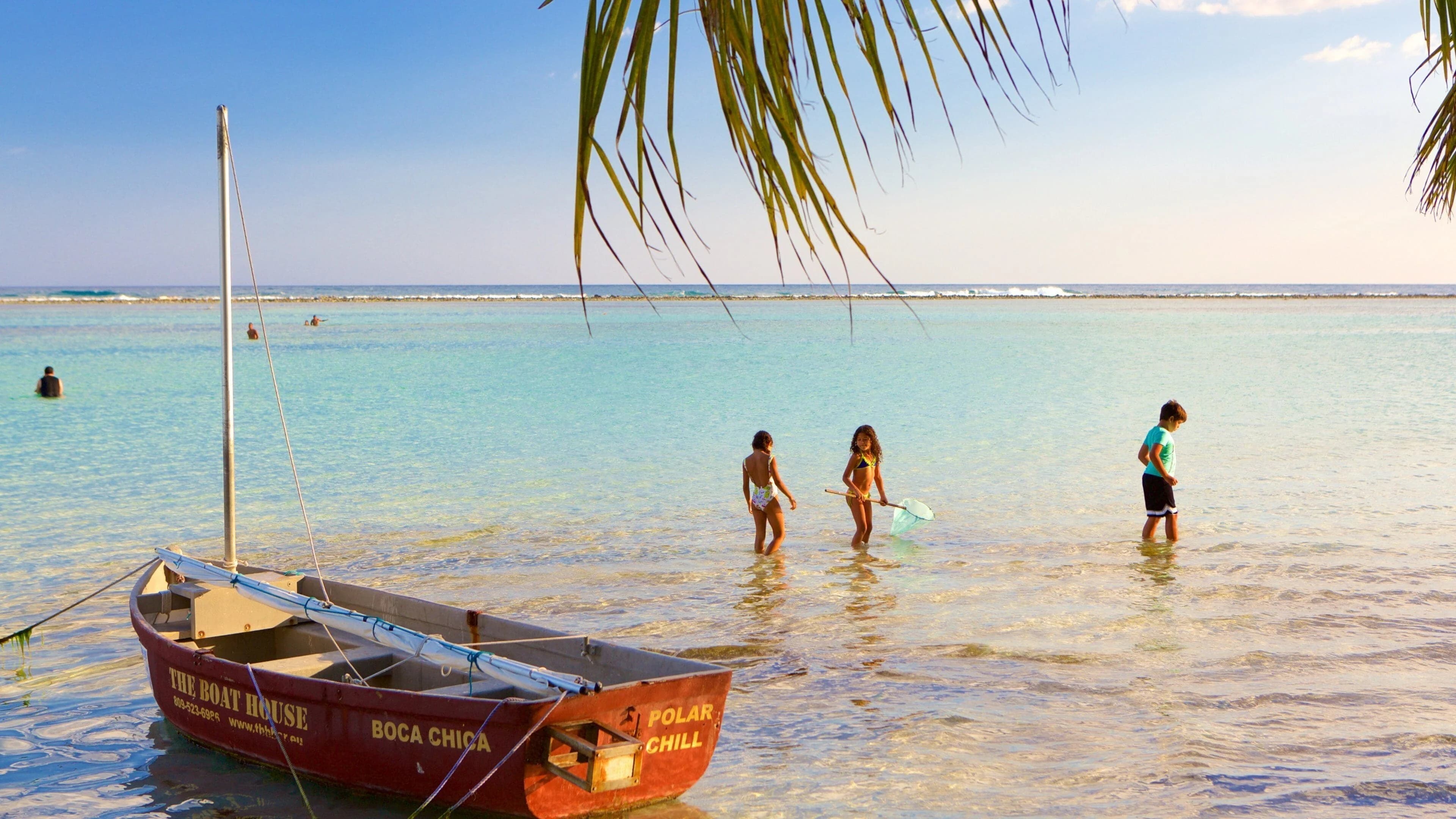
Santo Domingo's Malecón Sports Park Construction Progressing Smoothly
Construction of a soccer field and skate park is progressing smoothly in the Malecón area of Santo Domingo, Dominican Republic.
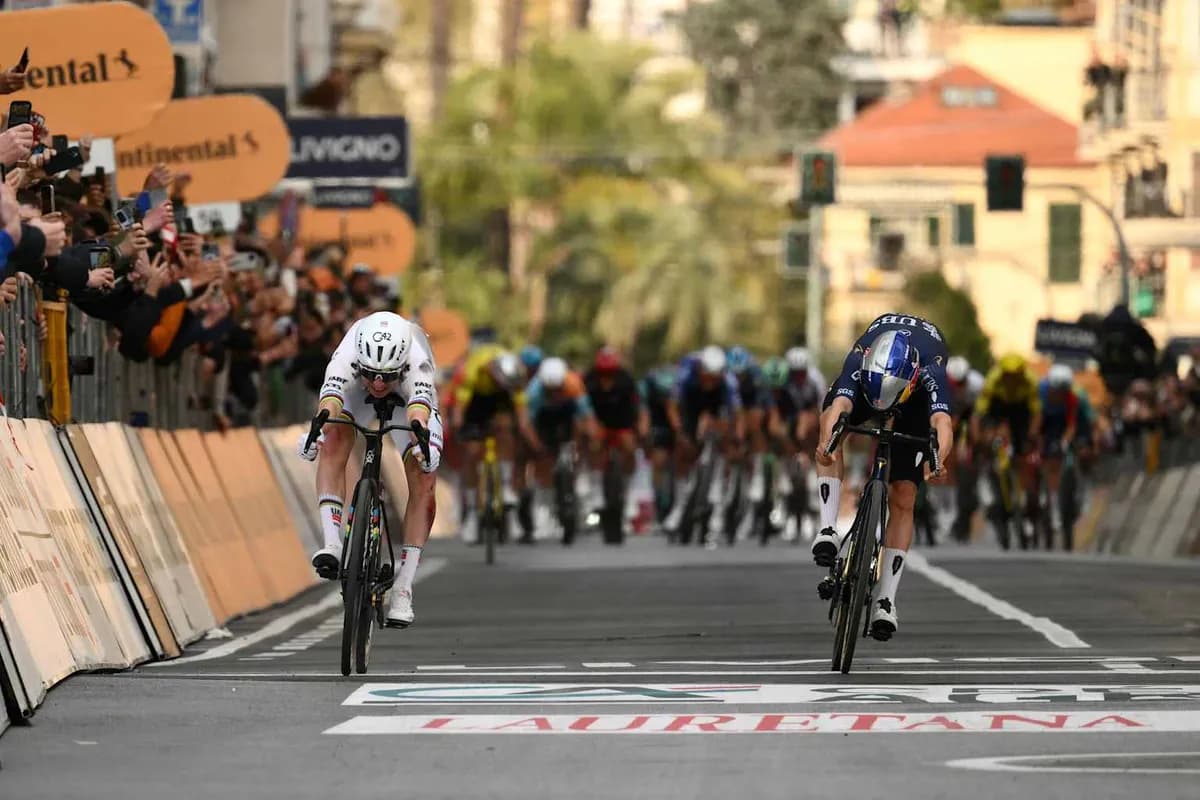
Pogačar Overcomes Crash to Win Milano-Sanremo, Achieves Four Monument Victories
Tadej Pogačar defeated Tom Pidcock to win Milano-Sanremo, achieving his fourth Monument victory.